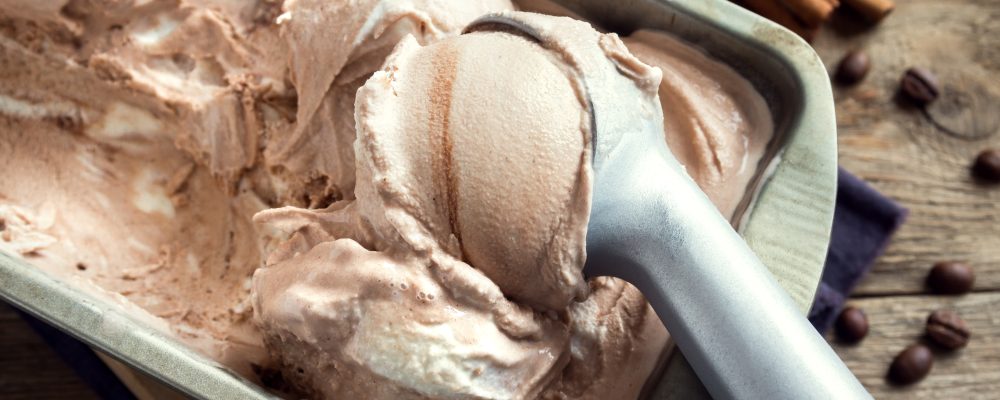

There is a dessert that everyone has eaten thousands of times and that almost no one has made well at home.
Not because it is technically demanding in the way that a croissant is technically demanding — with its specific lamination technique and its precise temperature requirements and its hours of labor. Not because it requires rare ingredients or specialized equipment that most home kitchens don’t have. Not because the recipe is complex or the method is difficult to follow.
Ice cream is hard to make well at home because of physics.
The specific challenge of ice cream — the thing that separates a genuinely excellent frozen dessert from the grainy, icy, hard-as-a-rock result that most home attempts produce — is not a recipe problem. It is a structural problem. Understanding the physics is the prerequisite to solving it.
And the physics, once understood, is genuinely fascinating.
What Ice Cream Actually Is
Ice cream is, at its most fundamental, an emulsion — a mixture of fat and water — that has been frozen in a specific way to produce a texture that is smooth, creamy, and scoopable rather than solid and icy.
The specific texture of good ice cream is the result of the size of the ice crystals that form during freezing. Small ice crystals — too small to be detected individually by the tongue — produce a smooth, creamy texture. Large ice crystals produce the gritty, icy quality that signals ice cream that is either poorly made or has been stored improperly.
The size of the ice crystals is determined primarily by two factors: how fast the mixture is frozen, and how much it is agitated during freezing.
Fast freezing produces small crystals. Slow freezing produces large ones — because the ice crystals that form at the beginning of a slow freeze have time to grow before the freezing is complete, producing fewer but larger crystals rather than the many tiny ones that rapid freezing creates.
Agitation during freezing — the churning that an ice cream machine provides — serves two purposes simultaneously. It breaks up the ice crystals as they form, preventing them from growing large. And it incorporates air into the mixture, which is the other structural element that distinguishes good ice cream from a frozen solid.
The Air That Makes It Ice Cream
The air incorporated during churning is not incidental to ice cream. It is one of its primary structural components.
The technical term for the percentage of volume that air constitutes in ice cream is overrun. Premium commercial ice creams have lower overrun — less incorporated air — which is why they are denser, more intensely flavored, and heavier than cheaper versions. The cheapest commercial ice creams have high overrun — a significant percentage of their volume is air — which is why they are lighter and less intensely flavored and why they melt so quickly once served.
Home ice cream machines produce lower overrun than commercial equipment — not enough air to produce the light, fluffy quality of commercial ice cream, but enough to prevent the completely solid, crystalline result that an un-churned frozen mixture produces.
The cook who has ever made granita — the Italian frozen dessert made by pouring a flavored liquid into a shallow pan and scraping it with a fork as it freezes — has made an ice cream without overrun. The result is explicitly crystalline — the texture is the point, the large crystals producing a specific scraped, snowy quality that is entirely different from the smooth creaminess of churned ice cream. The same mixture churned in an ice cream machine produces a different texture entirely, because the churning has introduced air and broken up the crystals.
Understanding overrun explains why some home ice cream attempts feel too dense and heavy compared to commercial versions — not a failure of the recipe but a structural difference produced by less air incorporation. It also explains how to adjust: slightly more whipping before freezing, a longer churning time, or the addition of ingredients that contribute air naturally, like whipped cream folded in before the final freeze.
The Sugar That Keeps It Soft
The specific challenge of home ice cream is not just achieving the right texture during churning — it is maintaining that texture after freezing, when the ice cream must survive hours or days in a standard home freezer without becoming the solid, impossible-to-scoop block that most home ice cream becomes.
The solution — used by commercial ice cream manufacturers and by professional pastry chefs who make ice cream from scratch — is sugar management.
Sugar has a specific property that makes it indispensable in ice cream beyond its role as a sweetener: it lowers the freezing point of the mixture it is dissolved in. A mixture with a high sugar content freezes at a lower temperature than water — which means that at standard home freezer temperatures (around 0°F), a properly sugared ice cream mixture does not freeze completely solid. Some of the water remains unfrozen, which is what produces the scoopable texture that distinguishes ice cream from a frozen solid.
The specific types of sugar matter as much as the quantity. Sucrose — table sugar — is the most commonly used, but professional ice cream makers often use a combination of sucrose with other sweeteners that have different freezing point depression properties. Corn syrup, which contains glucose and longer sugar chains, produces a different texture than sucrose alone — slightly chewier, with better resistance to ice crystal formation during storage.
Invert sugar — made by breaking sucrose into its component glucose and fructose molecules — is sweeter than sucrose by volume and more effective at lowering the freezing point. Professional gelato makers use significant amounts of invert sugar specifically for the scoopable, soft texture it produces at cold temperatures.
The home ice cream that sets too hard in the freezer is almost always a mixture with insufficient sugar or the wrong sugar combination. The fix is not a technique adjustment — it is a recipe adjustment, adding more or different sweeteners to achieve the right balance between flavor and freezing point depression.
Fat as a Texture Agent
The fat in ice cream is not there primarily for flavor — though fat carries flavor compounds and contributes richness that a low-fat ice cream lacks. Fat is a structural agent that affects the texture of ice cream in specific and significant ways.
Fat molecules interfere with ice crystal formation. They position themselves at the boundary between water and ice, slowing the growth of crystals and helping to maintain the small crystal size that produces smooth texture. This is part of why high-fat ice creams — those made with heavy cream or with egg yolk-enriched custard bases — have a consistently smoother, creamier texture than low-fat versions made with milk or light cream.
The egg yolk in a custard-based ice cream — the cooked mixture of yolks, sugar, and dairy that forms the base of French-style ice cream — contributes lecithin, a natural emulsifier that helps maintain the stable emulsion of fat and water throughout the freezing process. It also contributes proteins that help trap air during churning and that improve the overall stability of the final texture.
The cook who wonders why their milk-based ice cream is icier and less smooth than the custard-based version from a professional kitchen has the answer in the fat and emulsifier content of the two bases. The custard base has more of both — more fat from the egg yolks, more emulsifier from the lecithin — and the structural benefits of both are visible in the finished texture.
The Flavor Problem That Temperature Creates
There is a specific challenge in ice cream flavoring that does not exist in any other dessert — the challenge produced by the fact that the dessert will be eaten cold.
Cold temperature suppresses flavor perception. The same vanilla custard that tastes intensely vanilla-flavored at room temperature tastes significantly less so when frozen — because the volatile aromatic compounds that carry vanilla flavor are less active at lower temperatures, and because the cold itself reduces the sensitivity of taste receptors.
Professional ice cream makers account for this by flavoring their bases more intensely than the final product should taste at room temperature — by adding more vanilla, more chocolate, more of whatever is providing the primary flavor, than would be appropriate in a warm dessert. The excess that seems overwhelming when the base is tasted warm becomes appropriate when the same base is tasted cold.
The home ice cream maker who tastes their base before churning and finds it appropriately flavored will find the finished ice cream under-flavored. This is not a failure of the recipe — it is the predictable result of temperature’s effect on flavor perception.
The adjustment is simple once the principle is understood: flavor the base to be slightly more intense than seems right at room temperature. Trust that the freezing will bring the flavor into balance.
The Fastest Route to Great Home Ice Cream
For the home cook who wants genuinely excellent ice cream without investing in expensive equipment or spending hours on custard bases, there is a technique that produces remarkably good results with minimal effort.
The no-churn ice cream — made by folding whipped cream into sweetened condensed milk and freezing without churning — takes advantage of the fat in the cream and the sugar in the condensed milk to produce a texture that is surprisingly smooth and creamy despite the absence of a machine.
The whipped cream provides the air incorporation that churning would otherwise achieve. The sugar in the condensed milk provides the freezing point depression that keeps the mixture scoopable. The fat in both the cream and the condensed milk provides the structural benefits that smooth commercial ice cream relies on.
The result is not identical to churned ice cream — it has a slightly different texture, slightly denser and creamier in a way that reflects its no-churn construction. But it is genuinely delicious, genuinely scoopable, and genuinely achievable in any home kitchen with a hand mixer and a loaf pan.
The addition of flavor — a tablespoon of good vanilla, melted chocolate folded through in ribbons, fresh fruit macerated and swirled through before freezing, a layer of caramel or fudge sauce — produces the specific ice cream the cook wants rather than whatever is available.
The Takeaway
Ice cream is hard to make well at home not because the recipe is complex but because the physics is specific. Small ice crystals require fast freezing and agitation. Scoopable texture requires sufficient sugar to depress the freezing point. Smooth creaminess requires adequate fat and emulsification. Proper flavor intensity requires compensating for cold’s effect on flavor perception.
Understanding these principles converts ice cream from a frustrating guessing game into a series of specific, addressable problems — each with a specific, reliable solution.
Make the custard base with enough egg yolk and fat. Use enough sugar of the right type. Flavor more intensely than seems right at room temperature. Churn fully before the final freeze. Store at the right temperature.
Or make the no-churn version, which solves most of the physics automatically, and enjoy the result immediately.
The ice cream paradox dissolves once the physics is understood.
What remains is one of the simplest and most satisfying pleasures available in any kitchen in July.