

There is a pattern in food culture that repeats itself with a regularity that would be predictable if anyone were paying close enough attention to notice it.
A food that was ordinary becomes fashionable. A cuisine that was ignored becomes celebrated. An ingredient that was dismissed as cheap or unfashionable or associated with the wrong kind of eating becomes the thing that every serious cook is working with and every serious restaurant is featuring.
And then, after a period of intense attention, it recedes. Not because the food got worse or the ingredient became less interesting. But because the culture moved on — because the cycle that brought it to prominence carried it past prominence into ubiquity, and ubiquity into a kind of invisible familiarity that is the opposite of the excitement that launched it.
And then, eventually, it comes back.
The food trend is one of the most studied and least understood phenomena in food culture. It is studied because it has enormous commercial implications — the ability to predict or catalyze a food trend is worth significant money to the food industry. It is least understood because the mechanisms that drive it are more complex, more sociological, and more deeply rooted in human psychology than the food industry’s commercial interest in predicting it acknowledges.
What Actually Drives a Food Trend
The food trend is not primarily driven by flavor.
This sounds counterintuitive, but the evidence supports it. If flavor were the primary driver of food trends, the foods that came to prominence would be those with the most interesting or most enjoyable flavors — and while the correlation between flavor quality and trend success is not zero, it is considerably weaker than the food industry’s marketing mythology suggests.
The actual drivers of food trends are more complex and more interesting than flavor alone.
Novelty is one. The human appetite for new sensory experiences — for flavors and textures and food encounters that are genuinely different from what is familiar — is real and powerful. Foods from culinary traditions that have not yet been widely encountered in a specific food culture carry an inherent novelty value that familiar foods cannot have. This is why the history of American food trends has followed, with rough correlation, the patterns of immigration and cultural encounter — the Italian-American foods that became mainstream in the mid-twentieth century, the Chinese-American foods that became ubiquitous by its end, the Thai and Vietnamese and Korean and Ethiopian foods that have moved from immigrant community staples to mainstream restaurant menus in the decades since.
But novelty alone doesn’t explain the trend cycle. Many genuinely novel foods fail to trend. Many foods that trend are not particularly novel in any objective sense. Novelty is a necessary but not sufficient condition.
Social signaling is a more complete explanation. Food choices are one of the primary ways people communicate identity and belonging — to themselves and to others. The adoption of a specific food or cuisine or eating practice signals membership in a specific cultural group, alignment with specific values, a specific level of cultural awareness or sophistication or adventurousness.
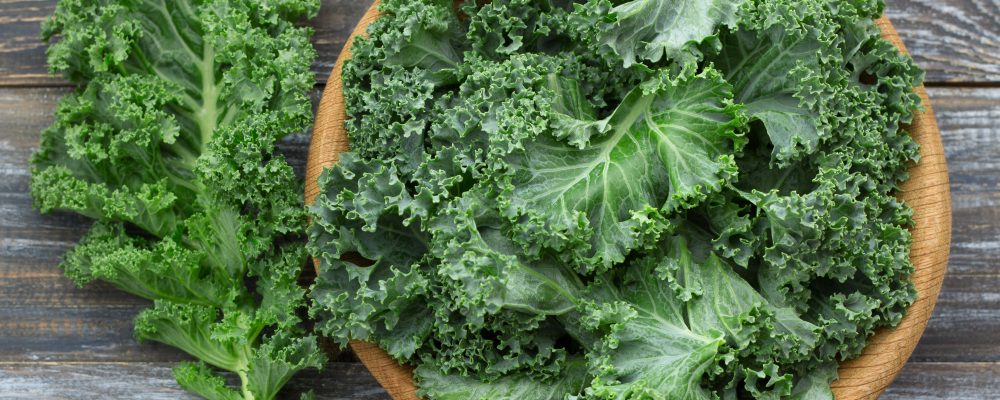
When kale became the emblematic food of a specific cultural moment in the early 2010s, it was not because kale had changed. Kale had been growing in gardens and appearing on dinner tables for centuries. What changed was the cultural meaning attached to kale — the specific set of values (health, sustainability, a rejection of processed food culture) that kale came to signify, and the specific social group (educated, urban, culturally progressive) that the adoption of kale marked membership in.
The food trend, in this analysis, is a social phenomenon that uses food as its medium. The food itself is the vehicle. The trend is the social meaning attached to it.
The Cycle of Appropriation and Democratization
Every food trend follows, with some variation, the same sociological arc.
A food that is ordinary within its originating community — eaten without special attention, valued for what it is rather than what it signals — is discovered by people outside that community. The discovery is often mediated by a specific cultural context: a food writer encounters it in a restaurant in a neighborhood they don’t usually visit, or a chef incorporates it into a fine dining context that strips it of its original social associations while retaining its flavor, or a health claim attaches to it that gives mainstream culture a permission structure for adopting something that might otherwise have seemed too foreign or too unfamiliar.
The food moves upmarket. It appears in restaurants where it costs significantly more than it did in its originating context. It is written about in food publications. It is photographed and posted and the photographs generate further attention.
Then it moves downmarket. The mainstream food industry, tracking the trend, begins incorporating the food into accessible formats — the fast food chain that introduces a version of the dish, the grocery store that stocks the ingredient, the meal kit service that provides a recipe. The food that was rare and special becomes widely available and quotidian.
And then, because the social signaling value of a food depends on its relative rarity — because a food that everyone eats cannot signal the cultural distinction that it once signaled — the trend recedes. The people who adopted it for its signaling value move on to the next thing. The food remains, now part of the mainstream diet rather than its trendy edge.
The originating community, whose ordinary food this was before it became a trend, watches all of this with a mixture of pride, amusement, and sometimes frustration — depending on whether the trend brought economic benefit to the community, whether the mainstream adoption preserved or distorted the original context, and whether the cultural credit for the food was distributed equitably or captured by the people who popularized it rather than those who created it.
The Foods That Keep Coming Back
There is a subcategory of food trend that is particularly interesting: the ingredient or preparation that was fashionable, then unfashionable, then fashionable again — cycling through prominence and obscurity with a regularity that reveals something about how cultural taste actually works.
Butter is perhaps the most dramatic example in recent American food history. Displaced by margarine in the post-war era on health grounds that subsequent research has substantially revised, butter spent decades in nutritional purgatory — replaced in mainstream cooking by vegetable oils and low-fat alternatives that were marketed as healthier. The rehabilitation of butter — the return to full-fat dairy, the specific celebration of butter as a cooking fat and a flavor agent, the cultural prominence of brown butter and cultured butter and the specific richness that no substitute replicates — happened as the nutritional consensus shifted and as the cultural values attached to natural, unprocessed foods replaced the values attached to low-fat dietary ideology.
Fermented foods underwent a similar arc. Yogurt, sauerkraut, and pickled vegetables were ordinary household foods in most European and Asian culinary traditions — preserved for practical reasons, eaten without special attention, not considered worthy of cultural notice. They fell out of mainstream Western diets during the period of processed food dominance in the twentieth century, replaced by shelf-stable alternatives that didn’t require fermentation. Their return — as kimchi, as kombucha, as artisan pickles and sourdough bread and cultured dairy — was driven partly by a genuine reevaluation of their nutritional value and partly by the cultural values that fermentation now signifies: craft, tradition, the microbiome, a specific rejection of industrial food culture.
The foods that keep coming back are almost always foods that have genuine qualities — flavor, nutrition, cultural depth — that were obscured during the period of their unfashionability. The trend is the rediscovery of something real. The unfashionability was the distortion.
The Cultural Moment That Makes a Trend
The food trend does not emerge from food alone. It emerges from food in a specific cultural moment — when the values a food signifies align with the values a specific cultural group is in the process of forming or expressing.
The farm-to-table movement of the early 2000s was not primarily about flavor, though the flavor argument was genuine. It was about a specific cultural response to industrial agriculture — a desire to reconnect with the sources of food, to understand where food came from and how it was produced, to support specific economic and ecological values through the act of eating. The specific foods associated with farm-to-table — heirloom vegetables, heritage breed meats, artisan cheeses — were vehicles for these values as much as they were culinary statements.
The plant-based eating trend of the 2010s was similarly values-driven before it was flavor-driven. The initial adoption of plant-based diets was motivated primarily by environmental and ethical concerns — by specific beliefs about the relationship between diet and climate change, between animal agriculture and animal welfare — that preceded the development of genuinely compelling plant-based flavors and textures. The flavor improved to meet the values, rather than the values forming in response to the flavor.
The fermentation trend, the natural wine movement, the specific celebration of offal and whole-animal butchery, the revival of sourdough — each of these food trends is legible as a cultural response to something: to industrial food, to nutritional reductionism, to the specific anxieties of a moment in which the relationship between food and health and environment and ethics has become more complicated and more contested than it has ever been.
The Trend That Reveals More Than It Knows
The food trend, properly read, is a cultural document — a record of what a specific group of people valued at a specific moment in time, expressed through the medium of what they chose to eat.
The specific foods that trend in any cultural moment reveal the specific anxieties, aspirations, and values of the people who adopt them. The health claims that attach to trending foods reveal what a culture fears about its own diet. The cuisines that are celebrated reveal the cultural groups that are being encountered — and the terms of that encounter, whether respectful or extractive. The preparations that become fashionable reveal what a culture is reaching toward in its relationship with cooking.
This is why the food trend is worth taking seriously even when its specific expression is trivial — even when the trend in question is avocado toast or pumpkin spice or the specific aestheticization of artisanal small-batch everything. The triviality of the specific expression does not eliminate the cultural significance of the phenomenon. The avocado toast tells a story about millennial housing anxiety and brunch culture and the specific social media aesthetics of a moment. The pumpkin spice phenomenon tells a story about the longing for seasonal markers in a food system that has largely eliminated seasonality. The artisanal everything tells a story about the specific rejection of industrial scale in favor of craft and human scale and the values that handmade production signifies.
The Takeaway
The food trend is not a superficial phenomenon. It is one of the ways that culture thinks — one of the forms through which a society’s values, anxieties, and aspirations express themselves in daily life.
Understanding the food trend as a cultural document rather than a marketing phenomenon produces a more interesting and more honest relationship with it. The specific food of the moment is worth trying — on its own merits, as a genuine flavor experience, rather than for its signaling value. The cultural meaning attached to it is worth examining — to understand what it reveals about the moment and the community that produced it.
And the foods that recede from fashion are worth retaining on their own merits — because the cultural meaning attached to a food changes, but the flavor doesn’t.
The kale that was fashionable and then became ordinary is the same kale it always was.
It was just never really about the kale.














