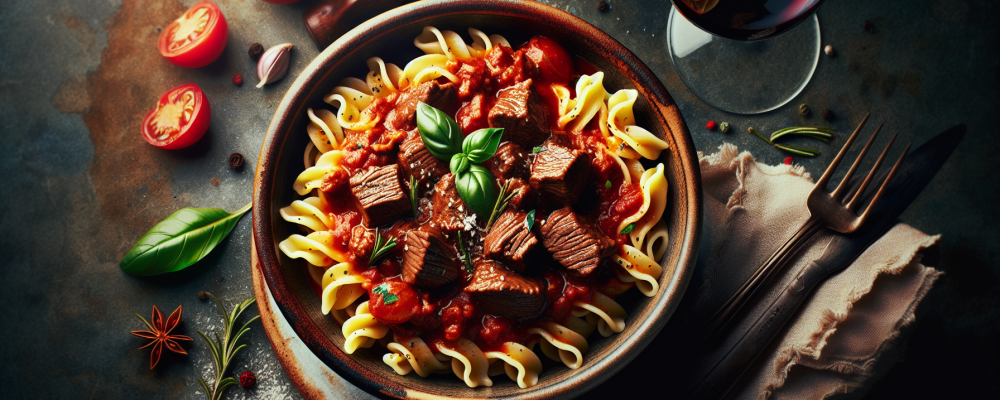
AI generated image of a recipe card.

Beef Ragu

Healthy Fact of the Day

Using lean beef chuck and simmering for hours breaks down tough connective tissue into gelatin, creating a naturally rich sauce without added fats.

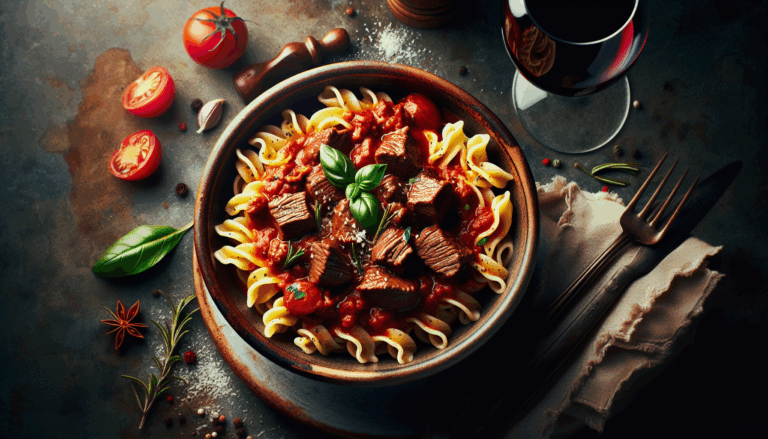
Beef Ragu brings authentic Italian comfort to your table with tender beef chuck slowly braised in red wine, tomatoes, and aromatic herbs. This classic sauce develops deep, complex flavors through hours of gentle simmering, creating fall-apart beef in a rich, velvety sauce that clings perfectly to pasta. The red wine used in cooking makes this dish ideal for wine pairing—choose a robust Chianti Classico or Sangiovese to echo the cooking wine, or go bold with a Barolo whose earthy tannins complement the rich, meaty sauce beautifully.

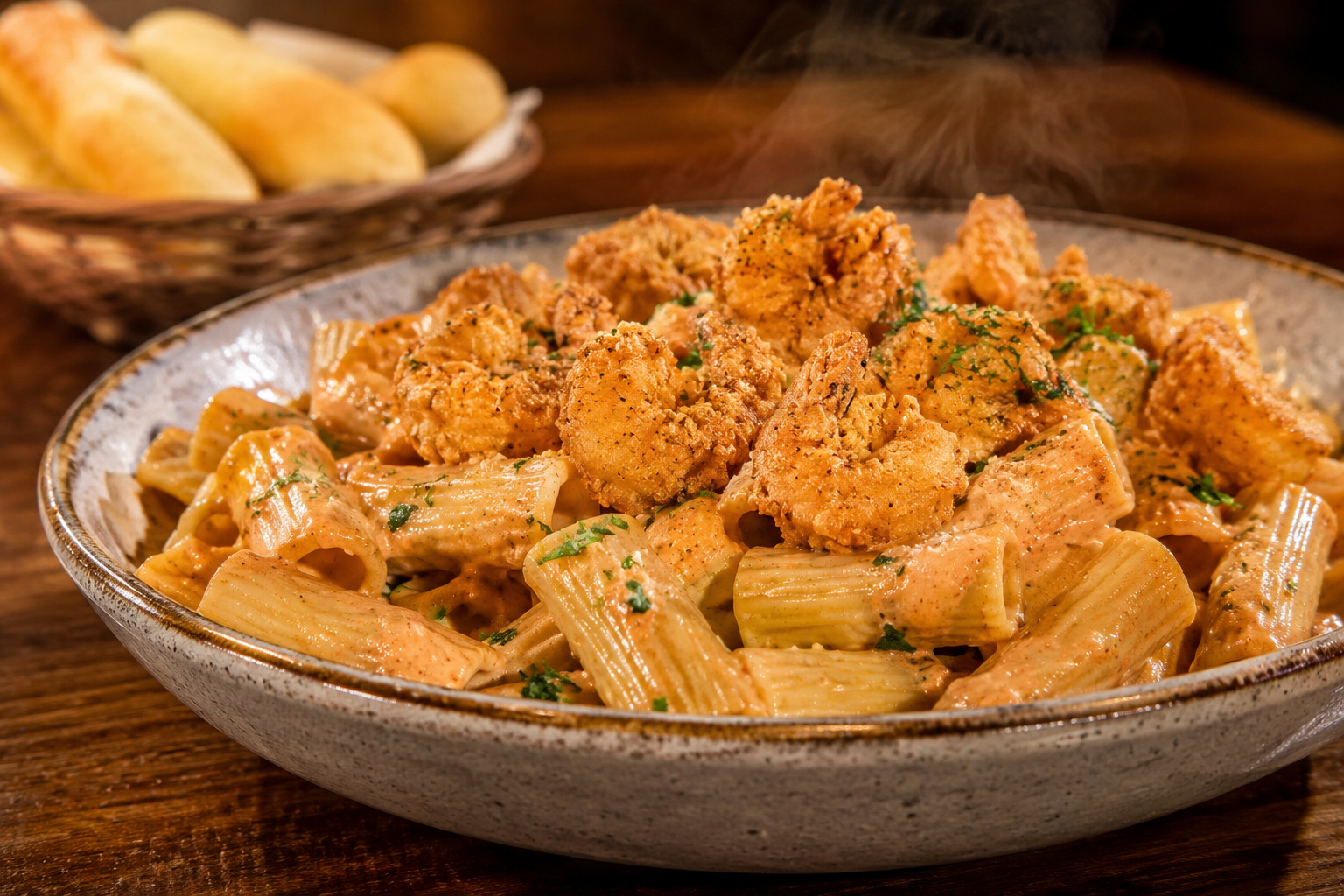
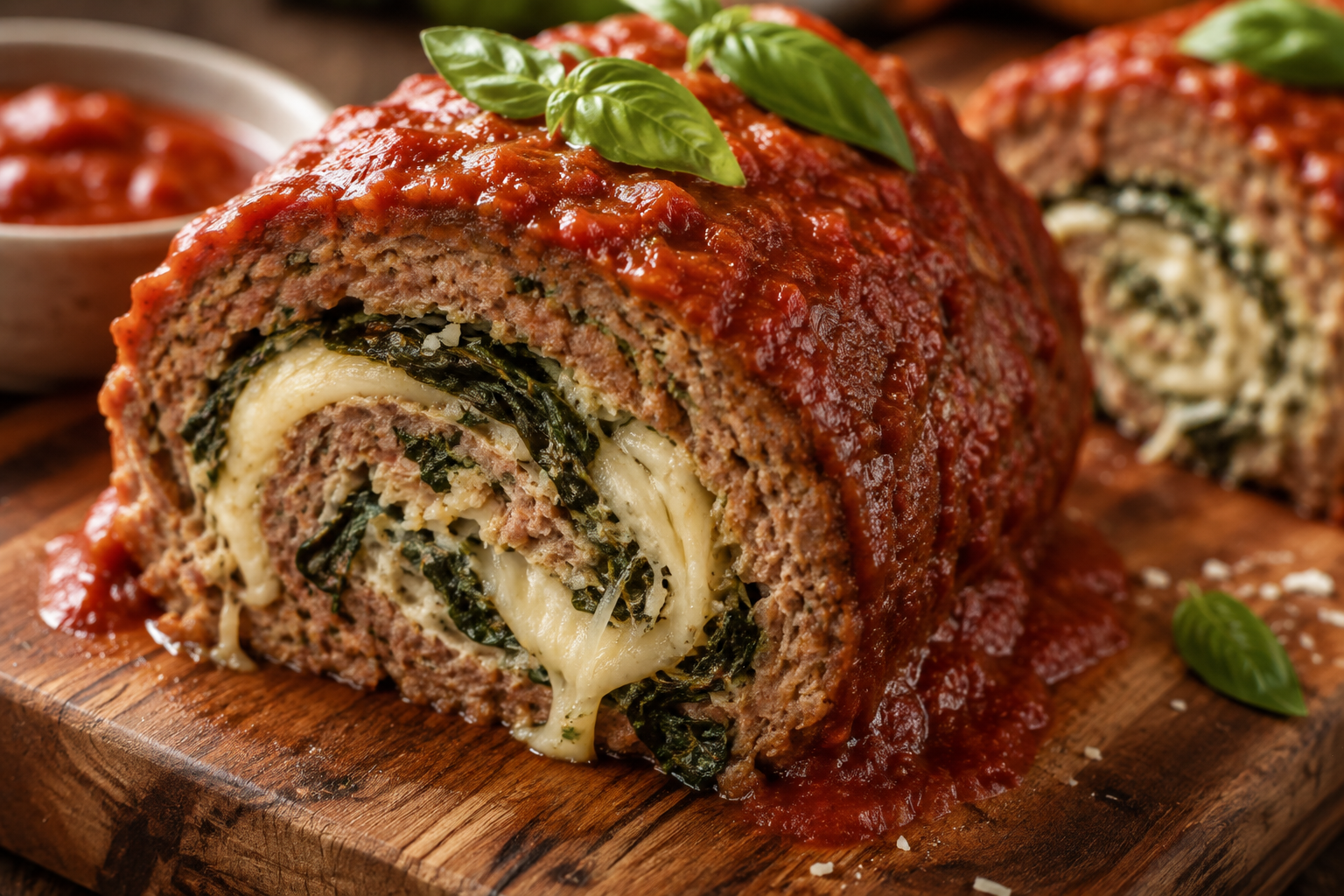
Complete this Italian feast with Rich Creamy Alfredo for a contrasting cream-based pasta option that rounds out the meal. Add Italian Stuffed Flank Steak for another wine-friendly protein that shares similar herb profiles, or serve alongside Beef and Rotini in Garlic Parmesan Sauce for a pasta lover’s dream dinner that celebrates Italy’s greatest comfort foods.
Beef Ragu

Beef Ragu

Recipe by Daily Disher

Tender beef chuck slowly braised in red wine, tomatoes, and herbs—comfort food that gets better with every sip of wine.

Course: MainCuisine: ItalianDifficulty: Easy
0.0 from 0 votes
Servings

4

servings
Prep time

30

minutes
Cooking time

40

minutes
Calories

300

kcal
Total time

1

hour 

10

minutes

    Ingredients

    • 500 grams beef chuck

    • 1 large onion

    • 2 cloves garlic

    • 400 grams canned tomatoes

    • 2 tablespoons tomato paste

    • 1 cup red wine

    • 1 cup beef stock

    • 1 teaspoon dried oregano

    • 1 teaspoon dried basil

    • 2 tablespoons olive oil

    • to taste salt

    • to taste black pepper

    Directions

    • Heat olive oil in a large pot over medium-high heat. Brown the beef chuck on all sides for about 8 to 10 minutes.
    • Remove beef and set aside. In the same pot, add chopped onions and garlic; sautĂ© until onions are translucent, approximately 5 minutes.
    • Stir in tomato paste and cook for 2 minutes. Add red wine to deglaze the pot, scraping up any browned bits from the bottom.
    • Add canned tomatoes, beef stock, oregano, basil, salt, and pepper. Stir to combine everything seamlessly.
    • Return the beef to the pot. Cover and simmer on low heat for 2.5 to 3 hours, until the beef is tender.
    • Shred the beef using two forks, and continue to simmer the ragu uncovered for 10 more minutes to thicken the sauce.

    Nutrition Facts

    • Total number of serves: 4
    • Calories: 250kcal
    • Cholesterol: 0mg
    • Sodium: 620mg
    • Potassium: 400mg
    • Sugar: 8g
    • Protein: 6g
    • Calcium: 60mg
    • Iron: 2mg

    Can’t get enough of great flavors? Check out these popular recipes that readers love making again and again.

    For Italian-inspired favorites, our Seafood Stuffed Shells and Easy Italian Sausage Rigatoni Pasta deliver those perfect comfort combinations everyone craves. When you’re planning cozy nights, the Traditional Irish Stew and White Cheddar Apple Chicken Chili bring warmth to your table. Need hearty weeknight wins? Our Tamale Casserole and Cheesesteak Tortellini in Provolone Sauce get dinner done with maximum satisfaction.or twists.

    Browse our full collection for more kitchen inspiration that’ll have your family asking for seconds.

    0.0 from 0 votes

    Recent Recipes

    Chili Lime Pepita Clusters

    • June 21, 2026
    • 15 min read

    Za’atar Roasted Chicken & Bulgur Bowls

    • June 21, 2026
    • 15 min read

    The Strange and Beautiful Science of Color

    • June 21, 2026
    • 10 min read

    Coconut Matcha Overnight Oat Jars

    • June 21, 2026
    • 14 min read

    Oreo Lasagna

    • June 21, 2026
    • 17 min read

    Taco Sloppy Joes

    • June 21, 2026
    • 8 min read

    Little Caesars Is Offering $5 Large Pizzas

    • June 20, 2026
    • 3 min read

    The Farmers Market as a Way of

    • June 20, 2026
    • 11 min read

    One Can of Tomatoes, Five Completely Different

    • June 20, 2026
    • 3 min read

    German Apple Pancake

    • June 20, 2026
    • 12 min read

    Tip of the Day

    “Always let your meat rest before slicing.”

    Whether you're roasting a chicken, grilling steak, or baking pork tenderloin, letting cooked meat rest for 5–10 minutes before slicing allows the juices to redistribute evenly. This simple step keeps your meat juicy and tender, ensuring every bite is flavorful and moist. Bonus: It gives you a moment to plate your sides or garnish for a perfect presentation!

    Our Latest Recipes

    Meal Prep
    Benjamin Brown

    Chili Lime Pepita Clusters

    Pepitas are one of the most nutritionally dense seeds available—delivering magnesium, zinc, plant-based iron, and a complete spectrum of antioxidants in a single ounce alongside heart-healthy unsaturated fats and a meaningful amount of plant-based protein. They are, gram for gram, one of the best-return snack ingredients in the pantry.

    Read More »
    Chicken Recipes
    Amelia Grace

    Za’atar Roasted Chicken & Bulgur Bowls

    Bulgur wheat is one of the most nutritionally efficient whole grains available—higher in fiber than brown rice or quinoa, with a glycemic index low enough to support steady blood sugar across the full afternoon. Its minimal processing preserves the bran and germ layers intact, making every serving a meaningful source of B vitamins, manganese, and plant-based iron alongside its impressive fiber content.

    Read More »
    Blog
    Daily Disher

    The Strange and Beautiful Science of Color in Food

    The pigments that produce color in fruits and vegetables are, in many cases, the same compounds responsible for their most significant health benefits. Anthocyanins — the pigments responsible for the blue, purple, and red colors of blueberries, red cabbage, and cherries — are among the most potent dietary antioxidants and have been associated with improved cardiovascular health, cognitive function, and inflammatory markers in multiple clinical studies. Carotenoids — responsible for the orange and red colors of carrots, sweet potatoes, and tomatoes — include beta-carotene, lycopene, and lutein, each with specific and well-documented health effects. Eating a wide variety of colored fruits and vegetables is not just nutritional advice — it is a practical strategy for consuming the widest possible range of protective plant compounds.

    Read More »

    Get your daily dose of delicious!

    Skip to content