
There is a version of this article that has already appeared in these pages.
It appeared in the spring, in an issue that made the case for the quiet power of cooking for one — for the specific freedom and the specific honesty of the meal made without an audience, for the way that cooking for yourself reveals preference without performance and develops the instincts that make cooking for others better.
That case was made and it was true and it stands.
But there is more to say — more specific, more practical, more directly useful to the person who is actually standing in their kitchen on a weeknight, cooking for one, and wants to do it well rather than adequately.
Because the case for solo cooking being worth doing well is easy to make in principle. The practice is harder — not technically, but motivationally. The meal made for one person carries the specific motivational challenge that all solo endeavors carry: the absence of external accountability, the temptation of the easier option, the quiet voice that says the elaborate preparation is not worth it for just one person.
This article is about how to make the elaborate preparation worth it for one person — not every night, not at the expense of simplicity, but as a regular practice that treats the solo eater with the same respect that the dinner party cook extends to their guests.
The Specific Challenges of Solo Cooking
The challenges of cooking for one are different from the challenges of cooking for many — and understanding what they actually are is the prerequisite to addressing them effectively.
The most frequently named challenge is quantity — the recipe designed for four that produces three days of leftovers when made for one, the loaf of bread that goes stale before it can be eaten, the bunch of herbs that cannot be used before it wilts. This is a real challenge but it is not the hardest one.
The hardest challenge is motivation — the specific difficulty of bringing genuine attention and genuine effort to a meal that has no audience, no social occasion, and no external pressure to be good. The dinner party motivates itself. The solo Tuesday dinner requires a different kind of motivation — an internal commitment to one’s own standard of eating that most people find more difficult to maintain than the external accountability of cooking for others.
The second hardest challenge is variety — the tendency of solo cooking to narrow toward a small repertoire of reliable preparations that are easy to scale and easy to make without inspiration, producing a rotation of meals that is adequate but not genuinely satisfying across the full range of what eating can be.
These two challenges — motivation and variety — are the ones that solo cooking most specifically needs to address. The quantity problem is solvable through planning. The motivation and variety problems require something more like a philosophy.
The Solo Cook’s Philosophy
The philosophy of solo cooking at its best is simple to state and requires genuine commitment to practice.
The solo meal deserves the same quality of attention and the same quality of ingredients as the meal made for guests.
Not every night — the solo meal is not always an occasion, and the quick, simple preparation has its place in any cook’s repertoire. But regularly, as a practice, as a form of self-respect extended through the act of feeding oneself with genuine care.
The cook who applies this philosophy to their solo cooking does specific things differently from the cook who treats the solo meal as a lesser category.
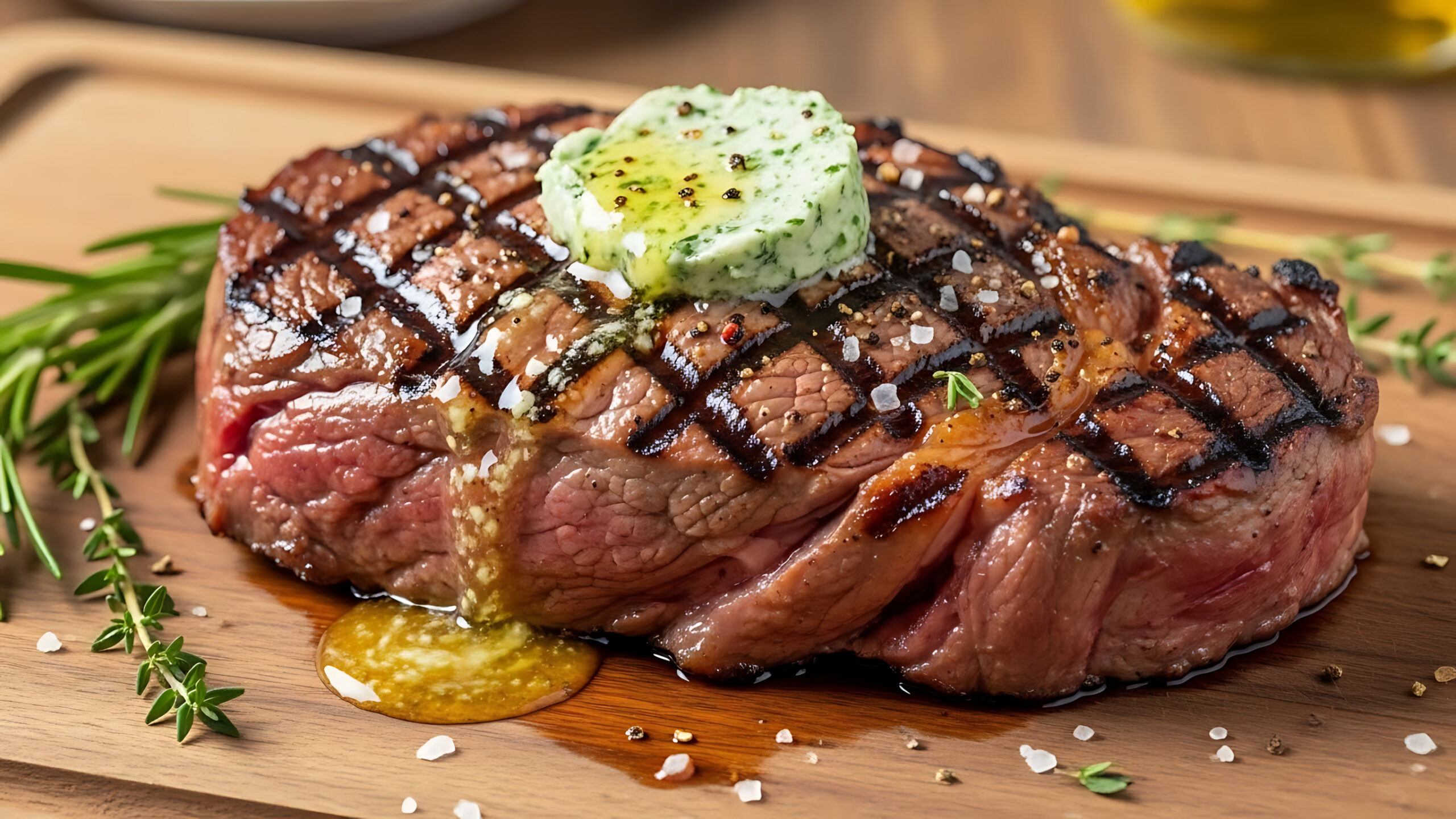
They buy the good ingredients even when cooking only for themselves — the piece of fish that is at its best rather than the one that will do, the seasonal vegetable at its peak rather than the convenient one that requires no thought, the ingredient that will require a little more attention but will produce a significantly better result.
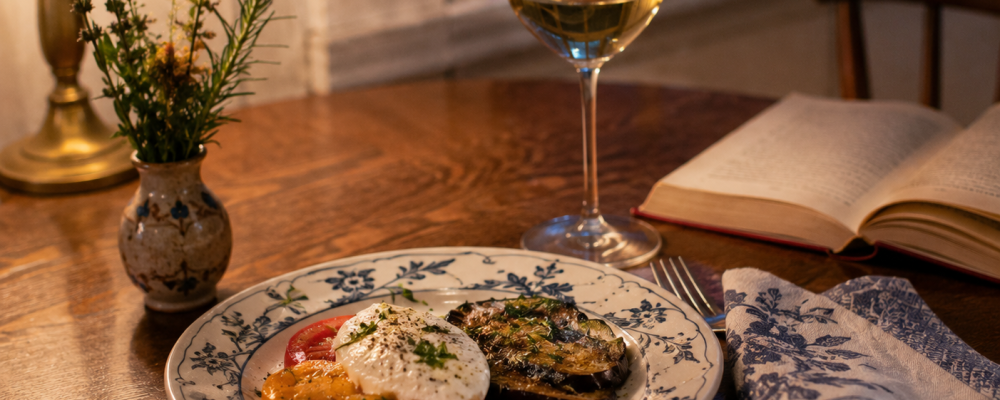
They set the table — not formally, not with ceremony, but with the specific intention of creating an eating environment rather than simply a place to consume food. The plate rather than the container. The glass rather than the bottle. The specific material environment that tells the body and the mind that this is a meal rather than a refueling stop.
And they eat without distraction — or at least with chosen distraction, the book or the music or the podcast that was deliberately selected rather than the default scroll that replaces attention with stimulation. The solo meal eaten with full presence is a fundamentally different experience from the solo meal eaten in front of a screen out of habit.
The Scaling Problem and Its Solutions
The practical challenge of ingredient quantity in solo cooking has specific and well-developed solutions — solutions that professional cooks and experienced solo cooks have developed and that are worth knowing explicitly.
The component approach — discussed in these pages in the context of the Sunday cook — is the most fundamental solution to the solo cooking quantity problem. Rather than making complete dishes that must be entirely consumed in a single sitting or stored as repetitive leftovers, the solo cook makes components — the grain, the roasted vegetables, the protein prepared in a way that remains versatile — and assembles different meals from them across the week. The same roasted vegetables appear differently composed on Monday and Wednesday and Friday, the variety produced by different assembly rather than different cooking.
The batch cooking of specific items that scale well and improve with time — the soup that makes six portions and gets better each day, the braise that was actually designed for a group and that the solo cook makes deliberately to eat across a week — is a different solution that requires accepting repetition in exchange for depth. The soup that is excellent on day one and better on day three is worth making in the quantity that produces three days of it, because the eating experience improves rather than deteriorates.
The market-driven shopping approach — buying what is at its best in the quantity appropriate for one or two days’ eating rather than purchasing for a week in advance — is the solution that most directly addresses the freshness problem that solo cooking produces. The solo cook who shops twice a week in small quantities eats fresher food than the one who shops once a week and uses the last of the produce when it has already declined.
The Recipes That Actually Work for One
Beyond the component approach and the batch cooking, there is a specific category of recipe that is specifically suited to solo cooking — preparations that are designed for a single portion from the beginning, that don’t require scaling down from a larger recipe, and that produce the specific quality of a meal made specifically for the person eating it.
The single-pan meal — a piece of protein and a vegetable cooked together in a single pan, finished with a sauce made from the fond and whatever acid and fat are available — is the paradigmatic solo recipe. It takes fifteen to twenty minutes, produces no leftovers, creates minimal cleanup, and can be varied infinitely through different protein and vegetable combinations.
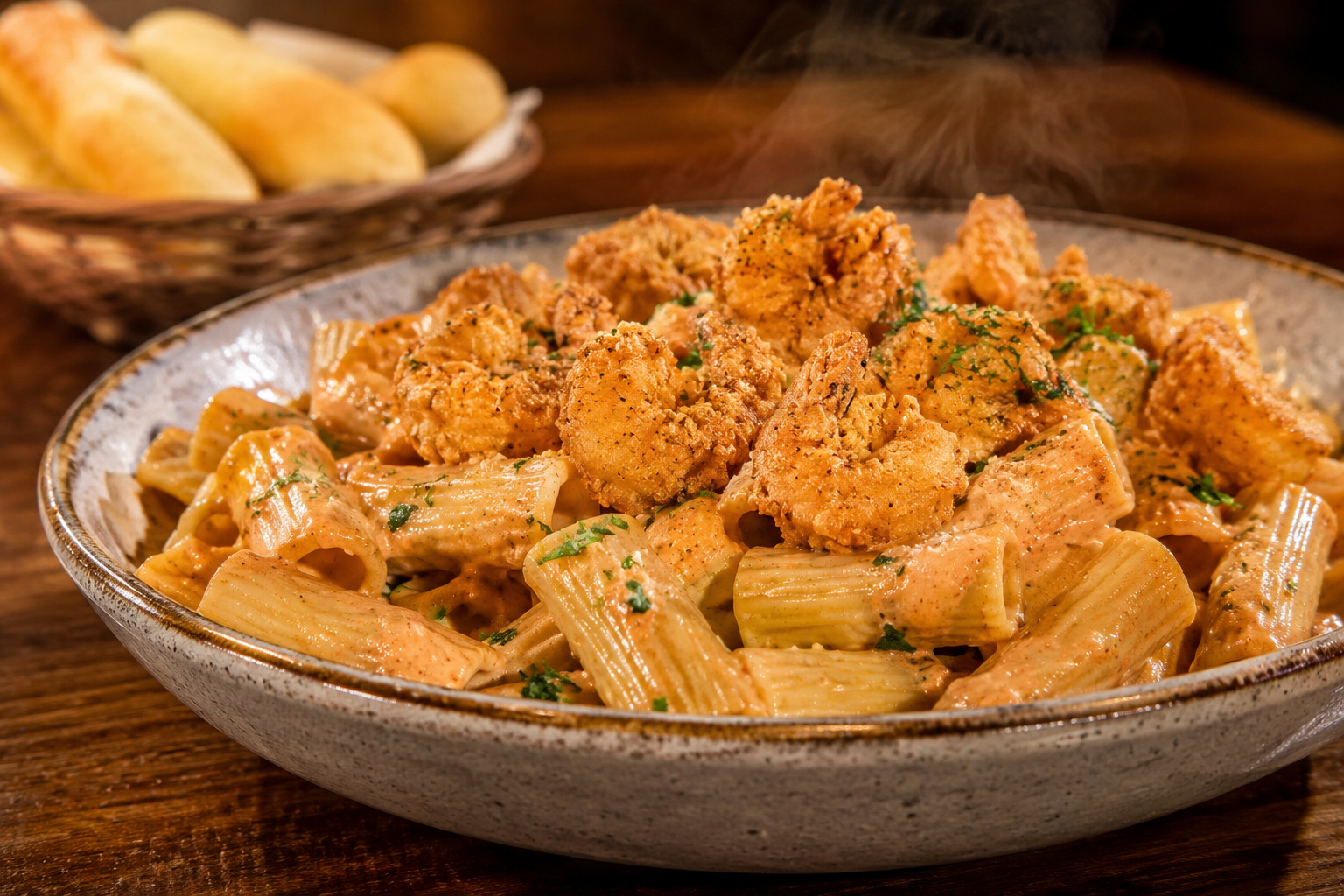
The deeply personal pasta — the pasta made for one in a single portion, with whatever the refrigerator and pantry produce when combined with pasta water and good olive oil — is another paradigmatic solo preparation. It is the pasta of the midnight kitchen and the late Sunday afternoon and the evening when nothing specific was planned and something specific is needed. Made with genuine attention to what is available and what will work, it is often better than the planned pasta of a dinner party menu.
And the composed single bowl — the grain or noodle base with a protein and vegetables and a sauce assembled from components that were prepared earlier in the week — is the solo meal format that most efficiently delivers variety and quality simultaneously. Each bowl is different. Each uses the components in a different combination. The cooking happened earlier. The assembly takes five minutes.
The Solo Cook’s Pantry
The pantry that supports excellent solo cooking is a specific configuration — built not for the occasional elaborate meal but for the daily practice of eating well without excessive planning or excessive shopping.
It contains, in permanent residence, the ingredients that convert whatever fresh element is purchased into a complete and satisfying meal. The dried pasta and the dried grains that can anchor a meal with any protein or vegetable. The canned or jarred goods — the beans, the tomatoes, the anchovies, the capers, the good tuna — that provide substance and flavor when the fresh ingredient is the primary element. The condiments and the fermented things — the miso, the soy sauce, the fish sauce, the vinegars, the good hot sauce — that provide the flavor depth that simple preparations depend on.
And the small quantities of fresh aromatics — the garlic and the onion and the ginger, the fresh herbs in small bunches or from the windowsill garden — that provide the foundation for the flavor of any preparation that begins with them.
This pantry does not need to be large. It needs to be specific — selected with the actual cooking habits of the actual solo cook in mind rather than with aspirational cooking habits that may or may not be realized.
The solo cook who maintains this pantry can produce an excellent meal from whatever single fresh ingredient is available on any given evening — because the pantry provides the structure and the flavor that transforms the fresh ingredient from an ingredient into a meal.
The Pleasure That Only Solo Cooking Provides
Beyond the practical aspects of solo cooking well, there is a specific and genuine pleasure that solo cooking provides that cooking for others cannot provide in the same form.
The pleasure of complete autonomy.
The solo cook answers to no one — not to dietary restrictions, not to the preferences of others, not to the social obligations that shape the meal made for guests. They can make the thing that only they like. They can use the ingredient that their household partner finds unappealing. They can cook the cuisine that no one else in their regular eating circle appreciates. They can eat at the time that their actual hunger dictates rather than the time that the schedule of others produces.
This autonomy is not loneliness disguised as freedom. It is a genuine and specific pleasure — the pleasure of an eating life that is, at least some of the time, entirely one’s own. Shaped by one’s own preferences, organized around one’s own rhythms, responsive to one’s own hunger in the specific moment when it arises.
The solo cook who has learned to inhabit this autonomy fully — who has learned to treat it as a gift rather than a consolation — has access to a specific and genuine form of eating pleasure that the cook who only ever eats with others never fully experiences.
The Takeaway
Solo cooking at its best is not diminished cooking. It is complete cooking — the specific expression of the cook’s own preferences and instincts and pleasures, made with genuine attention for the most important audience available.
Yourself.
Set the table. Buy the good ingredient. Make the component approach work for your specific cooking habits. Maintain the pantry that makes excellent solo cooking possible without excessive planning. Eat with presence rather than distraction.
And treat the solo meal with the same respect that the dinner party meal receives — because the person eating it deserves that respect.
The solo cook who has internalized this understanding eats better than most people who cook for others — because they have learned to cook for themselves with the same genuine care.
That care is available in any kitchen.
It requires only the decision to extend it to the person most consistently present at the table.