
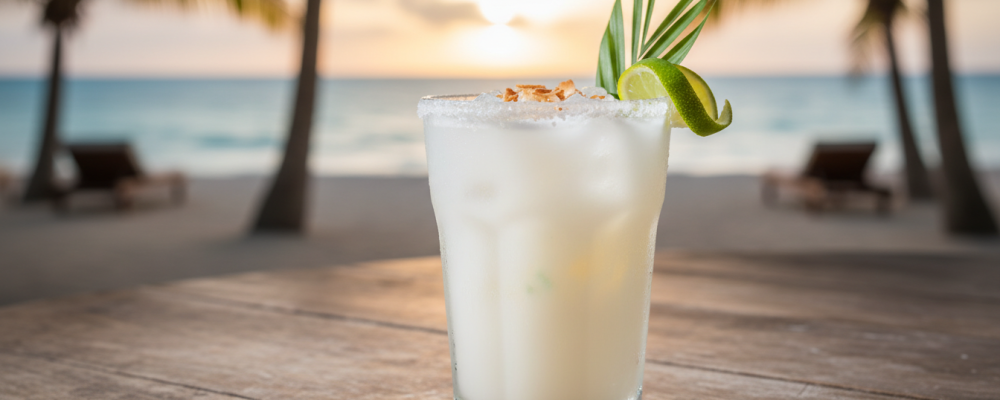

The Paloma is Mexico’s most popular tequila cocktail, outselling even the margarita within its home country. Traditionally made with tequila, grapefruit soda (often Squirt or Jarritos), lime juice, and salt, it’s refreshing, balanced, and deeply satisfying. The Coconut Paloma takes this beloved template and introduces coconut water as a game-changing ingredient that adds tropical character while enhancing the drink’s already-impressive refreshment factor.
From a technical standpoint, this modification is brilliant. Coconut water brings natural sweetness with subtle coconut flavor that doesn’t overpower the grapefruit — instead, it creates a new dimension that makes the drink feel more complex and tropical. It also adds electrolytes that make this one of the more “functional” cocktails you can drink — the coconut water’s minerals actually help with hydration rather than working against it. Combined with fresh grapefruit juice instead of soda, fresh lime juice, and a measured amount of simple syrup for balance, this version tastes cleaner, brighter, and more sophisticated than the traditional soda-based recipe.
The club soda addition provides effervescence without the sweetness and artificial flavors that come with grapefruit soda. This gives you control over the sweetness level and creates a drink that tastes more refined while maintaining that essential bubbly quality that makes Palomas so refreshing. The result is a cocktail that honors Mexican tradition while bringing contemporary sensibility and tropical flair.
─────────
The Inspiration Behind This Recipe
The inspiration came from two observations: coconut water had become ubiquitous in wellness culture but was underutilized in cocktails, and the Paloma deserved a fresh-juice upgrade that maintained its essential character while elevating its sophistication. I started experimenting with coconut water as a mixer, drawn to its natural sweetness and mineral content that makes it genuinely refreshing rather than just sweet.
Pairing it with grapefruit was logical — both ingredients share a refreshing, slightly tart quality, and coconut’s tropical sweetness balances grapefruit’s bitterness beautifully. The challenge was achieving the right proportions so the coconut water enhanced rather than dominated. Too much and it becomes a coconut drink that happens to contain grapefruit; too little and it’s pointless. The ratio I landed on creates perfect synergy where both flavors are identifiable but neither overwhelms.
Using fresh grapefruit juice instead of grapefruit soda was essential for creating a version that tastes professional and refined. Soda-based Palomas are delicious and have their place, but they can’t match the brightness and complexity of fresh citrus. This version respects the Paloma’s humble origins while bringing it into the craft cocktail conversation.
─────────
A Brief History of the Paloma
The Paloma’s origins are somewhat murky, but most historians place its creation in the mid-20th century, possibly in Tequila, Jalisco — the heart of tequila production. Unlike the margarita, which has multiple origin stories often involving Americans, the Paloma is distinctly Mexican in character and popularity. Some attribute its creation to Don Javier Delgado Corona, owner of La Capilla bar in Tequila, though this remains unverified.
What’s undeniable is the Paloma’s status in Mexico. Walk into any cantina, beach bar, or home gathering, and you’ll find Palomas being mixed and enjoyed. The traditional version is beautifully simple: tequila, grapefruit soda, lime juice, and salt, served over ice in a tall glass. This simplicity is part of its charm — it’s not fussy or complicated, just refreshing and satisfying.
The Paloma’s international popularity has grown significantly in recent decades as craft cocktail culture has embraced tequila beyond margaritas. Bartenders began creating fresh-juice versions, adding different citrus, experimenting with flavored sodas, and generally treating the Paloma as a canvas for creativity. The Coconut Paloma represents this evolution — maintaining the drink’s essential character while introducing elements that make it feel contemporary and exciting.
─────────
Why This Mixing Method Works
The shake-then-top method employed here is specifically designed to integrate the non-carbonated ingredients while preserving the club soda’s effervescence. Shaking the tequila, grapefruit juice, coconut water, lime juice, and simple syrup together serves multiple purposes: it thoroughly combines ingredients that have different densities and viscosities, it rapidly chills the mixture through ice contact, and it creates proper dilution that softens the alcohol edge and allows flavors to harmonize.
The vigorous shaking also slightly aerates the mixture, creating tiny air bubbles that give the drink a lighter, more refreshing texture. This aeration is subtle but meaningful — it’s part of why shaken cocktails feel different from stirred ones even when they contain the same ingredients. The mechanical action of shaking essentially performs a mini-emulsification, temporarily suspending components in a way that enhances mouthfeel.
Topping with club soda after straining rather than shaking it with the other ingredients is critical for preserving carbonation. Shaking carbonated beverages destroys the bubbles that make them special, leaving you with flat, lifeless liquid. By adding club soda gently at the end, you maintain maximum effervescence that carries aromatic compounds to your nose with each sip. The pinch of salt added at the end enhances all the other flavors — salt is a universal flavor amplifier that makes citrus taste more citrusy, coconut more coconutty, and tequila more complex.
─────────
Flavor Profile: What to Expect
The Coconut Paloma delivers a refreshing, tropical-citrus taste experience:
- Bright Grapefruit Tartness: Fresh grapefruit juice provides essential bitterness and citrus character that defines the Paloma
- Subtle Coconut Sweetness: Coconut water adds gentle tropical notes without dominating or tasting artificial
- Clean Tequila Base: Quality tequila brings earthy agave character with peppery finish
- Sharp Lime Brightness: Fresh lime juice adds essential tartness that balances sweetness
- Effervescent Refreshment: Club soda creates lively bubbles that make the drink feel light and invigorating
- Salt Enhancement: A pinch of salt amplifies all flavors and adds subtle savory complexity
- Hydrating Quality: Coconut water’s electrolytes make this one of the more refreshing cocktails you can drink
The overall experience is crisp, refreshing, and beautifully balanced — tart without being puckering, sweet without being cloying, tropical without being heavy.
─────────
Tips for Making the Best Coconut Paloma
Create the perfect balance of tart, tropical, and tequila with these essential techniques:
- Use quality blanco tequila: Choose 100% agave tequila like Espolòn, Cimarron, or Cazadores. Avoid “mixto” tequilas that contain added sugars and flavors.
- Fresh grapefruit juice is essential: Ruby red grapefruits work beautifully, but any fresh grapefruit is vastly superior to bottled juice. Squeeze right before making the cocktail.
- Choose pure coconut water: Look for brands with no added sugar — just 100% coconut water. Harmless Harvest, Vita Coco (unsweetened), or Zico all work well.
- Fresh lime juice only: This cannot be compromised. Bottled lime juice tastes flat and artificial. Squeeze fresh limes every time.
- Adjust sweetness to preference: Different grapefruits vary in tartness. Taste before serving and adjust simple syrup if needed — start conservative and add more if desired.
- Salt technique matters: A pinch of salt stirred in enhances flavor; too much makes it salty rather than balanced. Start small.
- Chill your glass: A cold glass keeps the drink properly chilled longer and prevents excessive ice melt.
For a traditional touch, rim the glass with salt before filling — run a lime wedge around the rim and dip in coarse salt for that classic Paloma presentation.
─────────
Serving Suggestions and Garnish Ideas
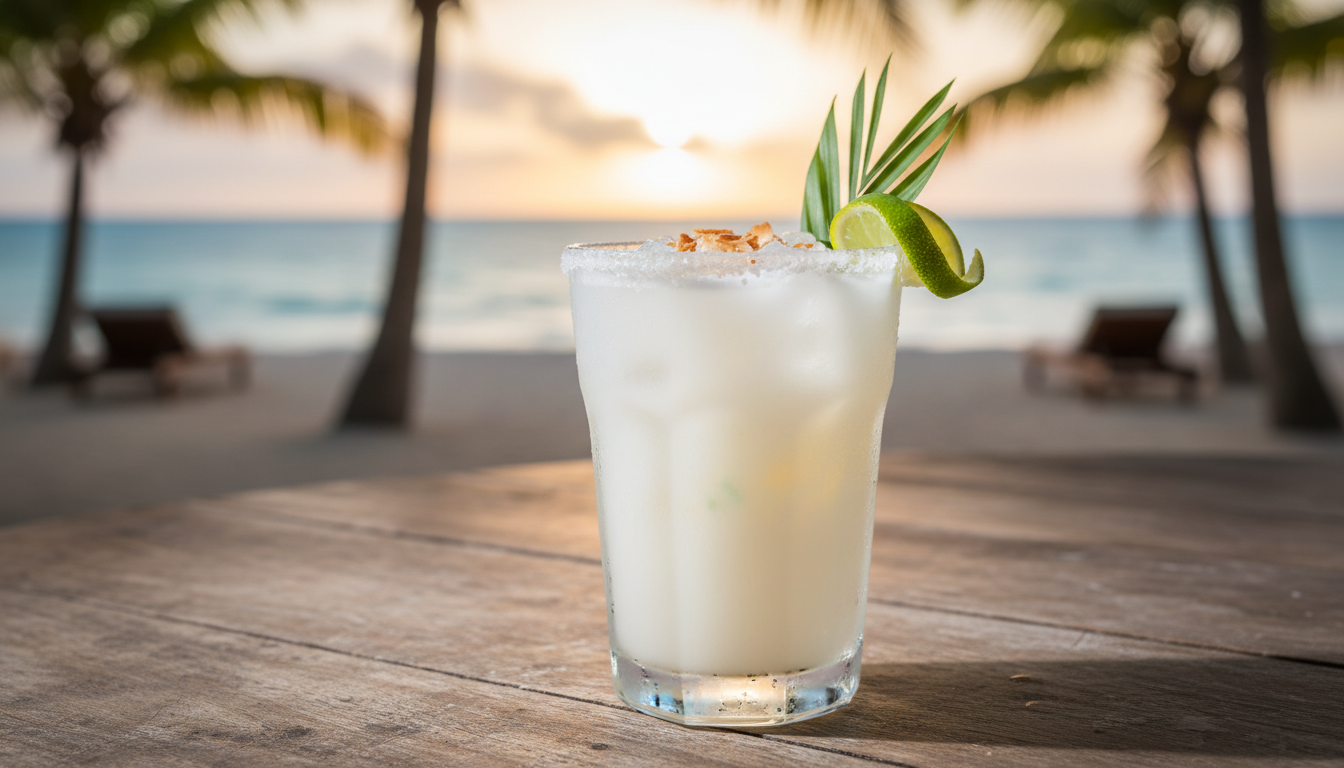
The Coconut Paloma looks stunning in highball glasses or Collins glasses that showcase its pale pink color. The drink’s naturally attractive hue — somewhere between coral and salmon — is beautiful against clear glassware. For outdoor entertaining or poolside service, consider using acrylic glasses that won’t break. The visual presentation is part of the experience — this drink should look as refreshing as it tastes.
The lime wheel or wedge garnish is classic and essential — it provides visual appeal, aromatic citrus, and can be squeezed into the drink for extra lime kick if desired. For extra tropical flair, add a small wedge of fresh grapefruit on the rim alongside the lime. A sprig of fresh mint adds aromatic appeal, though this is optional. Some bartenders like to garnish with a slice of jalapeño for a spicy-tropical twist, which works beautifully if you enjoy heat.
This cocktail is perfect for beach gatherings, pool parties, Mexican-themed celebrations, Cinco de Mayo festivities, brunch events, or any warm-weather occasion where you want something refreshing and crowd-pleasing. The coconut water’s hydrating properties make it particularly appropriate for hot days when you’re spending time outdoors. It’s also an excellent choice for wellness-conscious guests who appreciate that the drink contains actual nutritional benefits alongside the alcohol.
─────────
Storage and Make-Ahead Tips
- Pre-mix the juice base: Combine tequila, grapefruit juice, coconut water, lime juice, and simple syrup in a sealed container and refrigerate for up to 4 hours. Shake with ice and top with club soda when ready to serve.
- Fresh grapefruit juice window: Grapefruit juice is best used within 4-6 hours of squeezing for optimal flavor and vitamin retention.
- Fresh lime juice window: Lime juice stays fresh for about 4-6 hours refrigerated before losing brightness.
- Coconut water storage: Once opened, coconut water keeps for 24-48 hours refrigerated. Check for any off smells before using.
- Tequila storage: Tequila keeps indefinitely at room temperature in a cool, dark place.
- Simple syrup storage: Homemade simple syrup keeps for 2-3 weeks refrigerated.
- Club soda considerations: Don’t open club soda until ready to use. Once opened, try to use it the same day for maximum carbonation.
This cocktail is best made fresh to order to preserve carbonation and the brightness of fresh citrus.
─────────
Why This Recipe Deserves a Spot in Your Rotation
The Coconut Paloma represents thoughtful evolution of a classic — it takes something beloved and makes it even better without losing sight of what made the original special. This is the kind of recipe that earns a permanent place in your repertoire because it works for so many occasions: casual enough for backyard gatherings, sophisticated enough for upscale events, refreshing enough for hot afternoons, interesting enough for cocktail enthusiasts.
What makes this particularly valuable is how it demonstrates that wellness and cocktails aren’t mutually exclusive. The coconut water genuinely provides hydration and electrolytes, the fresh citrus delivers vitamin C, and the overall drink is lighter and more refreshing than many alternatives. You can enjoy this without feeling like you’re making poor choices — it’s indulgence that comes with actual benefits. That balance between pleasure and responsibility is what modern cocktail culture increasingly values.
─────────
Recommended Food Pairing
The Coconut Paloma’s bright, citrus-forward character pairs beautifully with Mexican and coastal cuisines that complement its refreshing qualities. Fish tacos with cabbage slaw and crema create perfect synergy — the cocktail’s citrus cuts through richness while its effervescence cleanses your palate between bites. Ceviche is another natural pairing, as the drink’s acidity echoes the ceviche’s lime-cured fish while coconut notes add tropical harmony.
For heartier fare, consider carnitas tacos, carne asada with chimichurri, or grilled chicken with mango salsa. The cocktail provides refreshing contrast to rich, savory meats while its tequila base creates cultural cohesion with Mexican preparations. Shrimp cocktail Mexican-style (with spicy tomato sauce and avocado) pairs excellently, as do tostadas topped with fresh seafood.
For appetizers and sides, guacamole and chips are essential companions — the drink’s citrus enhances avocado’s richness while cleansing your palate of fat. Queso fundido (melted cheese with chorizo), elote (Mexican street corn), or jalapeño poppers all work beautifully, with the cocktail balancing rich, spicy, or salty elements. Fresh fruit plates featuring mango, papaya, and watermelon extend the tropical theme while providing light, refreshing options. The key is choosing foods that benefit from a bright, refreshing beverage — the Coconut Paloma excels at cutting through richness and reviving your palate, making it ideal for flavorful, boldly seasoned cuisines.
Coconut Paloma
This tropical twist on the beloved Paloma blends tequila with grapefruit, coconut water, and lime — refreshing, hydrating, and utterly irresistible.
4
servings30
minutes40
minutes300
kcal1
hour10
minutesIngredients
60 ml tequila
120 ml grapefruit juice, freshly squeezed
60 ml coconut water
30 ml lime juice, freshly squeezed
15 ml simple syrup
60 ml club soda
1 pinch salt
1 slice lime for garnish
Directions
- Fill a shaker with ice and add tequila, grapefruit juice, coconut water, lime juice, and simple syrup.
- Shake well until chilled and combined.
- Strain the mixture into a glass filled with ice.
- Top with club soda and add a pinch of salt.
- Garnish with a slice of lime and serve immediately.
Nutrition Facts
- Total number of serves: 4
- Calories: 180kcal
- Cholesterol: 0mg
- Sodium: 620mg
- Potassium: 400mg
- Sugar: 8g
- Protein: 6g
- Calcium: 60mg
- Iron: 2mg
About This Author

Benjamin Brown
Recipe Developer
Benjamin is our flavor engineer. A classically trained chef turned recipe developer, he’s obsessed with balancing taste, texture, and creativity. He ensures that every recipe we publish is not only delicious but also reliable, approachable, and repeatable — even for beginners.
Favorite dish: Slow-braised short ribs with red wine reduction.
Kitchen motto: “Cooking is part science, part soul.”















