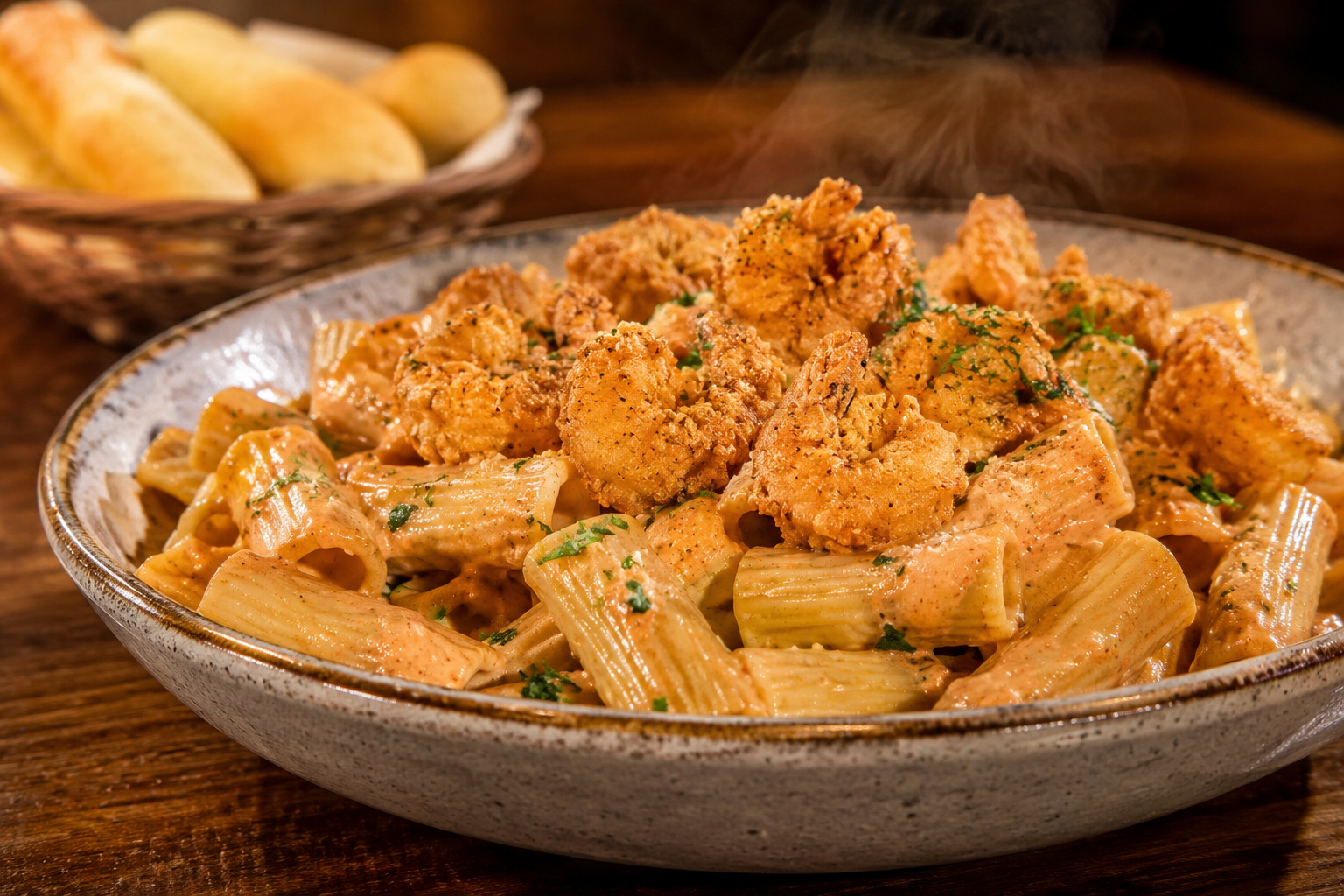

Pasta night at home is supposed to be easy.
And it is — until you sit down to eat it and realize that what’s in your bowl, despite following a recipe and using decent ingredients, tastes assembled rather than cohesive. The sauce is sitting on top of the pasta. The flavors are present but flat. Something is missing, and it’s not obvious what.
At a good Italian restaurant, the pasta and sauce arrive as a single thing. They taste like they were made for each other — because in the final moments of cooking, they were.
That last step is what most home cooks skip entirely.
The Sauce and the Pasta Have Never Actually Met
Here’s what happens in most home kitchens: the pasta boils in one pot, the sauce simmers in another, and at the end they get combined in a bowl or on a plate. The pasta gets sauced. It looks right. It tastes fine.
But the two components were cooked completely independently and combined only at the last moment. They haven’t had the chance to become one dish.
In a professional Italian kitchen, finishing pasta in the sauce is not a technique — it’s a rule. The pasta comes out of the boiling water two to three minutes before it’s fully cooked, still with a firm, almost underdone center, and goes directly into the pan with the sauce. The two cook together over heat, the pasta absorbing the sauce as it finishes, the sauce reducing and clinging to every surface of every strand or shape.
What comes out of the pan is not pasta with sauce on it. It’s pasta that has become inseparable from its sauce. The difference in the eating experience is immediate and unmistakable.
The Water in Your Pasta Pot Is an Ingredient You’re Throwing Away
Before the pasta gets transferred to the sauce, something else happens in a professional kitchen that most home cooks overlook entirely — often literally pouring it down the drain.
Pasta water.
After twenty minutes of boiling pasta, the water in that pot is not just hot water anymore. It’s a starchy, lightly salted liquid with a silky body that acts as an emulsifier and a thickener unlike anything else in the kitchen. When added to a sauce in small amounts, it binds fat and water together into a glossy, cohesive coating that clings to pasta rather than pooling at the bottom of the bowl.
Professional cooks reserve a full cup or more of pasta water before draining — and then use it liberally as the pasta finishes in the sauce. A splash loosens a sauce that’s too thick. Another splash helps a stubborn sauce emulsify. The starch in the water is doing the invisible structural work that makes a restaurant pasta sauce look glossy and refined rather than oily and separated.
This is the single most impactful habit a home cook can adopt — and it costs nothing except the habit of reaching for a cup before reaching for the colander.
The Sauce Was Built With More Patience Than Yours
There’s a step that happens even earlier than the finishing technique — one that determines the ceiling of what the finished sauce can taste like regardless of how well the rest is executed.
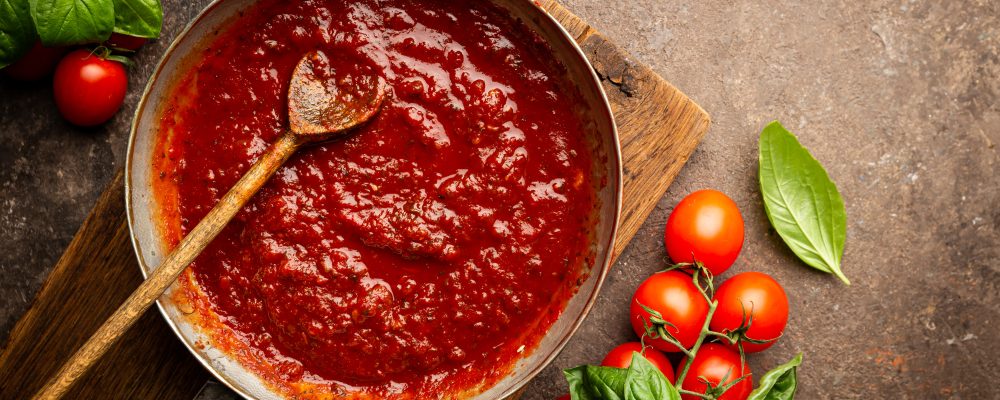
In Italian restaurant kitchens, the base of a tomato sauce is rarely rushed. The onions and garlic don’t just soften — they’re cooked gently, in generous olive oil, at a low enough temperature that they become almost melted, sweet and translucent without any browning. This process, called a soffritto, takes patience that most weeknight cooking schedules don’t accommodate. But what it produces is a base with a rounded, deeply savory sweetness that a quickly sautéed aromatics base simply cannot replicate.
The tomatoes that follow get time too. Not just fifteen minutes of simmering — enough time for the raw, acidic edge of canned tomatoes to cook out completely, for the water content to reduce and concentrate, for the flavors to deepen and meld into something that tastes like it was made hours ago even if it wasn’t.
Speed is the enemy of a good tomato sauce. Restaurant kitchens know this. They plan around it.
Fat Is the Finishing Move, Not the Starting Point
Here’s something that happens in the last thirty seconds of cooking a restaurant pasta that most home cooks have never seen: a generous pour of good olive oil goes into the pan, off the heat, and the pasta gets tossed vigorously until the oil emulsifies into the sauce.
This is called the mantecatura — the technique of working fat into a pasta sauce at the very end to create a glossy, unified coating rather than a greasy one. In cacio e pepe, it’s the move that turns cheese and pasta water into a silky, cohesive sauce. In a simple aglio e olio, it’s what transforms garlic-infused oil into something that clings beautifully to every strand of spaghetti.
The fat at the beginning of cooking has a different job: it’s building flavor, coaxing aromatics, carrying heat. The fat at the end is finishing the dish — binding everything together and adding a richness that registers as depth rather than heaviness.
Most home pasta recipes treat fat as a single ingredient added once. Professional pasta cookery treats it as two different tools used at two different moments.
The Plate Is Warm and the Timing Is Exact
Two last things that professional pasta kitchens do that home kitchens almost never bother with — and both make a noticeable difference.
First: warm plates. Pasta served on a cold plate begins losing temperature and texture the moment it’s plated. Restaurant kitchens warm their pasta bowls before service, either in a low oven or with a ladle of hot pasta water poured in and swirled before plating. The pasta arrives at the table the way it was meant to be eaten.
Second: pasta waits for no one. In a professional kitchen, pasta is plated and served immediately — not held, not kept warm, not finished and then left while something else gets plated. The window between perfect pasta and overcooked pasta is measured in minutes, and restaurants treat that window as the most important deadline in the kitchen.
Home cooking is more forgiving in many ways. Pasta is not one of them.
The Takeaway
Great pasta at home doesn’t require a culinary degree or imported ingredients. It requires understanding that pasta and sauce are one dish, not two — and that the final minutes of cooking are where that unity gets made.
Finish the pasta in the sauce. Save the pasta water. Build the base slowly. Add fat at the end with intention. Serve it immediately on a warm plate.
Each of those steps is simple. Together, they close the gap between a bowl of pasta that’s fine and one that’s quietly extraordinary.