
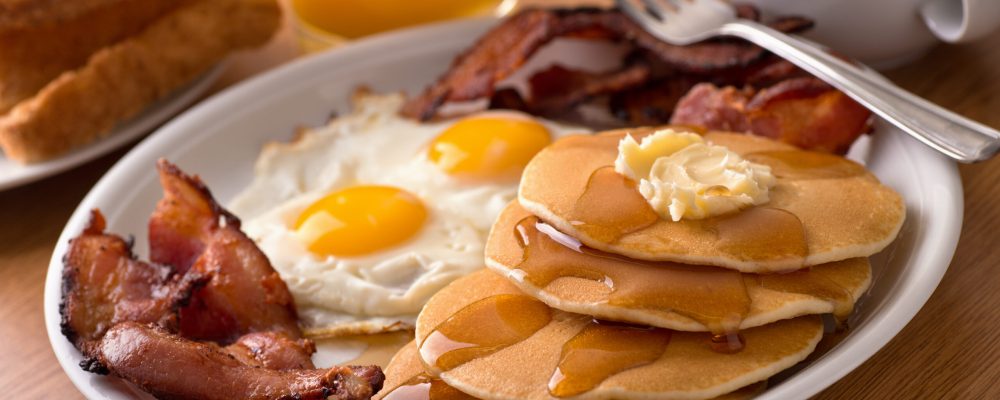

There is a meal that most people eat every day and that almost no one takes seriously.
Not in the sense that it is consumed without attention — though that is often true, the breakfast eaten while checking a phone or standing at a counter or consumed in transit between the house and the first obligation of the day. But in the deeper sense that most people have never genuinely considered what breakfast could be — what the first meal of the day is capable of when it is approached with the same quality of thought and intention that dinner receives.
Breakfast occupies a specific and somewhat paradoxical position in the daily meal structure. It is, by the measure of nutritional science, the most consequential meal of the day — the meal that sets the metabolic tone for everything that follows, that determines the energy and the cognitive function available through the morning, that produces either the sustained productivity of a well-constructed first meal or the mid-morning crash of one that was poorly considered.
And it is, by the measure of the time and attention most people give it, the least considered meal — the one squeezed into whatever time remains after sleep and the morning’s other obligations, assembled from whatever is immediately available, consumed with the minimum engagement that constitutes eating rather than the quality of attention that makes eating genuinely satisfying.
The gap between what breakfast is capable of and what breakfast typically is — between the first meal at its best and the first meal as most people actually experience it — is one of the most addressable quality-of-life improvements available to any person willing to think about it differently.
What Breakfast Actually Does
The specific effects of the morning meal on the hours that follow are worth understanding in some detail — because understanding the mechanism produces a different quality of motivation for breakfast improvement than the general injunction to eat a good breakfast provides.
After the overnight fast — typically eight to twelve hours during which the body has been processing and metabolizing the previous day’s food without replenishment — blood glucose is at its daily low. The brain, which depends on glucose as its primary fuel and which cannot store glucose in meaningful quantities, is operating on the reserves that remain from the overnight period. The specific quality of mental function available in the early morning reflects these depleted reserves — which is why many people experience a specific quality of cognitive fog in the first hour after waking that dissipates as the morning meal replenishes the glucose supply.
The composition of the morning meal determines how the glucose replenishment occurs. A meal high in refined carbohydrates — the sugary cereal, the white toast, the pastry — produces a rapid spike in blood glucose followed by a correspondingly rapid decline: the mid-morning crash that produces renewed hunger, difficulty concentrating, and the specific irritability that low blood sugar generates.
A meal that combines protein and fat with complex carbohydrates — the egg with whole grain toast, the yogurt with nuts and fruit, the avocado on sourdough — produces a slower and more sustained glucose release. The protein and fat slow the digestion of the carbohydrates, moderating the glucose spike and extending the period of stable blood sugar and stable cognitive function.
The brain that has been provided with stable, sustained glucose through the morning is a different brain from the one that spiked and crashed — more focused, more creative, more resistant to the distraction and the decision fatigue that the depleted brain is vulnerable to.
The Time Problem and Its Real Solution
The most common reason given for inadequate breakfast is time — the morning schedule that doesn’t accommodate anything more complex than a piece of toast or a cup of coffee consumed while managing the other demands of the morning.
This reason is legitimate in its identification of the constraint but incorrect in its conclusion that the constraint is insurmountable.
The genuinely excellent breakfast does not require more time than the adequate one. It requires different planning — the advance preparation that moves the work from the morning, when time is short, to the evening or the weekend, when it is not.
The overnight preparation that belongs in any serious breakfast repertoire: the overnight oats that require nothing in the morning except removing the jar from the refrigerator and adding whatever topping is desired. The hard-boiled eggs cooked on Sunday and available through the week. The granola made on a Saturday afternoon that provides a week of excellent breakfasts from a container on the counter. The frozen breakfast burritos — assembled over the weekend from eggs and beans and cheese and salsa, individually wrapped and frozen — that require only a few minutes in the microwave to produce a genuinely substantial and nutritious morning meal.
Each of these is a preparation that requires thirty to sixty minutes of weekend time and that produces five to seven days of excellent, fast breakfasts. The investment is made once. The return arrives every morning.
The specific intervention that most reliably improves breakfast quality is not waking up earlier to cook in the morning. It is treating breakfast as a meal that deserves the same advance planning that dinner receives — thinking about it in advance, preparing components ahead of time, and making the morning execution as simple as possible given the real constraints of the morning schedule.
The Global Breakfast and What It Reveals
The remarkable diversity of breakfast traditions around the world — discussed briefly in an earlier issue in the context of the world’s most interesting breakfasts — reveals something important about breakfast’s potential that the limited Western conception of the morning meal consistently obscures.
The Japanese breakfast of rice, miso soup, pickled vegetables, and grilled fish is not more elaborate than the American breakfast of eggs and toast. It is differently conceived — built around the same principles of protein and complex carbohydrate and fermented food that nutritional science endorses, expressed through the specific ingredients and techniques of a culinary tradition that has been refining its approach to the morning meal for centuries.
The Turkish breakfast of olives and cheese and cucumbers and tomatoes and eggs and bread — the slow, communal spread that treats the morning meal as an occasion rather than an obligation — is not more time-consuming than the rushed American breakfast. It is more deliberate — the result of a different cultural understanding of what the morning meal is for and what it is worth.
And the South Indian breakfast of idli and sambar and coconut chutney — the fermented rice and lentil cakes served with a spiced lentil soup — is one of the most nutritionally complete morning meals in any tradition, the fermentation process improving the protein profile and the mineral availability of the rice and lentils that form the base.
Each of these traditions reflects a different but consistent understanding that the morning meal deserves genuine consideration — that it is worth the thought and the preparation that genuine consideration requires.
The cook who explores even one of these traditions and incorporates a version of it into their breakfast repertoire has expanded their morning eating life significantly — and has introduced a quality of variety and nutrition that the repetitive Western breakfast rarely provides.
The Egg and Its Morning Possibilities
No ingredient is more specifically suited to the morning meal than the egg — and no ingredient is more consistently underutilized in the range of preparations it supports.
The fried egg. The scrambled egg. The soft-boiled egg. The hard-boiled egg. The poached egg. The omelette. The frittata. The shakshuka — eggs poached in a spiced tomato sauce — that is one of the most complete and most satisfying single-pan morning meals available. The egg fried rice that uses last night’s rice and yesterday’s vegetables and produces a breakfast that is more complete and more satisfying than almost any Western morning preparation.
Each of these is a different preparation from the same ingredient — a different expression of the egg’s specific qualities — and each is suited to different morning circumstances, different time constraints, different flavor preferences, different accompanying ingredients.
The cook who has developed genuine fluency with egg preparations in their full range — who can produce any of these preparations without reference to a recipe, adjusting timing and heat and seasoning by instinct — has access to a complete and flexible breakfast repertoire from a single, inexpensive, nutritionally complete ingredient.
The specific egg preparation worth mastering as a morning practice is the one that is done least well in most home kitchens: the properly scrambled egg. Not the quickly cooked, large-curd scramble of the rushed morning but the slowly cooked, small-curd, creamy scramble that takes five minutes of low heat and continuous gentle movement and produces something with a texture and a richness that the rushed version never achieves. Made once properly and compared to the rushed version, the difference is immediately apparent and permanently instructive.
The Grain That Belongs to Morning
The grain-based breakfast — which includes not just oatmeal but the full range of whole grains that can be prepared as morning porridges, pilafs, or cold preparations — is perhaps the most nutritionally consistent and most broadly satisfying breakfast category available.
The oatmeal made properly — not the instant oats of the packet that produce a gluey, uniform paste, but the rolled oats or the steel-cut oats cooked with attention to texture and finished with genuine toppings that add fat and protein and fruit — is a completely different eating experience from the default version that most people have settled for.
The specific improvement available in oatmeal preparation is not complicated: cook in milk rather than water for creaminess, add a small amount of salt to bring out the grain’s natural sweetness, finish with butter and a sweetener before adding toppings, and choose toppings that add fat and protein — the nut butter, the seeds, the full-fat yogurt — alongside the fruit that most people already add. The resulting bowl is more satisfying, more sustaining, and more genuinely pleasurable than the version made with water and nothing added beyond fruit.
The cold grain preparation — the overnight farro or the cold quinoa with whatever fruits and nuts and dairy or dairy alternative the cook prefers — extends the grain breakfast category into preparations that require no morning cooking at all. The farro cooked on Sunday, stored in the refrigerator, and eaten cold with honey and walnuts and sliced peach on Monday morning is a breakfast that is more interesting and more nutritionally complete than anything available from a box, and it requires thirty seconds of morning assembly.
The Breakfast Worth Making on a Weekend
The weekend morning breakfast — the breakfast that has the time it deserves, that is made without the constraints of the weekday schedule, that can be as elaborate as the cook’s ambition and the morning’s leisure allow — is one of the most specifically pleasurable cooking occasions of the week.
The specific quality of the weekend morning kitchen — the light, the unhurriedness, the specific pleasure of cooking without a deadline — is the quality that allows the more ambitious breakfast preparations to be made and enjoyed as they deserve.
The yeasted pancakes or waffles that require time for the batter to develop — producing a fermented, slightly tangy version of the conventional pancake or waffle that is simultaneously more interesting in flavor and more satisfying in texture. The eggs Benedict that requires the hollandaise that was too demanding for the weekday morning. The shakshuka that simmers long enough to develop genuine depth in the tomato base before the eggs are added. The full Japanese breakfast that was described in the global breakfast discussion — the rice and the miso soup and the grilled fish and the pickled vegetables that together produce a morning meal of genuine satisfaction and genuine beauty.
Each of these is a weekend breakfast worth making — not as a performance or a demonstration of culinary ambition, but as the genuine expression of what the morning meal is capable of when it is given the time and the attention that it deserves.
The Coffee That Frames Everything
The morning coffee — which for a significant portion of the population is the defining feature of the morning ritual, the specific comfort and the specific stimulation that the day begins with — deserves the same quality of consideration that the breakfast food receives.
The specific improvements available in home coffee preparation — the freshly ground bean, the water temperature calibrated to just below boiling, the specific method chosen for the specific flavor profile desired — are improvements that require minimal additional time and that produce a significantly more satisfying result than the default preparation that most people have settled for.
The pour-over, the Aeropress, the French press, the Moka pot — each produces a different coffee with a different character, and the cook who has explored even two or three of these methods has a more complete understanding of what coffee is capable of than the one who has only used the automatic drip machine that was available by default.
The specific coffee that belongs to August mornings — cold brew, made in the refrigerator over twelve to twenty-four hours from a medium roast bean — is the coffee that is simultaneously the easiest to make in advance and the most specifically suited to the heat of the season. Made on Sunday, it is available every morning through the week — cold, smooth, lower in acidity than hot-brewed coffee, requiring nothing more than ice and whatever dairy or non-dairy accompaniment is preferred.
The Takeaway
Breakfast is the meal that most consistently underperforms its potential — not because the potential is unavailable but because the attention and the advance planning that would realize it have been redirected toward other meals.
Prepare in advance. Make the overnight oats. Cook the eggs properly. Explore one preparation from a breakfast tradition outside the familiar Western repertoire. Make the cold brew on Sunday. Cook the oatmeal in milk and finish it properly.
And on the weekend, when the time is available, make the breakfast that the weekday cannot — the one that is as elaborate as the morning allows and as pleasurable as the morning deserves.
The first meal of the day sets the tone for everything that follows.
It deserves to set a good one.














