

American McDonald’s fans have been watching from the sidelines for long enough.
While customers in Portugal, Canada, the UK, France, and Germany have been sinking their teeth into the Big Arch Burger for the past two years, U.S. diners have had to settle for reviews, social media posts, and the occasional airport layover abroad.
That changes on March 3.
McDonald’s has officially confirmed that the Big Arch Burger is coming to participating U.S. restaurants nationwide — and it’s bringing serious size along with it.
What Exactly Is the Big Arch Burger?
McDonald’s isn’t being subtle about what this burger is meant to be.
The chain has called it its “most McDonald’s, McDonald’s burger yet” — and the ingredient list backs that up.
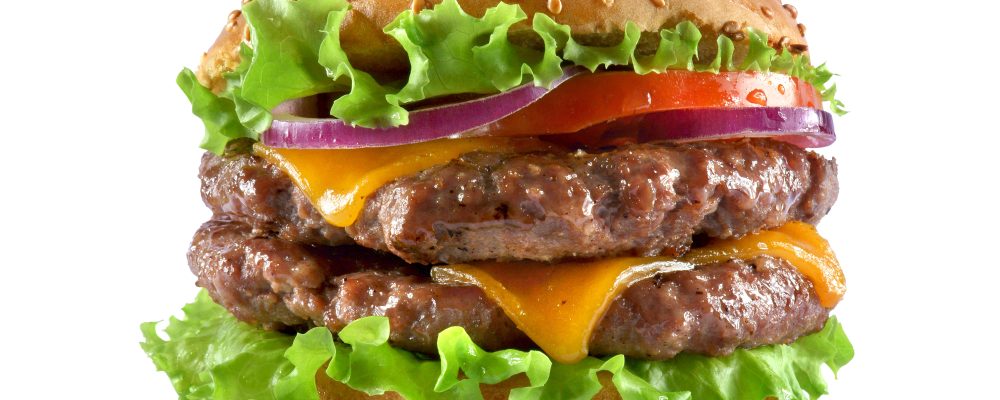
The Big Arch is stacked with:
- Two quarter-pound beef patties
- Three slices of white cheddar cheese
- Crispy and slivered onions
- Shredded lettuce
- Pickles
- A toasted sesame and poppy seed bun
- Big Arch Sauce — a tangy, creamy blend of mustard, pickle, and sweet tomato flavors
That adds up to roughly 1,057 calories, 67 grams of fat, and 57 grams of protein per burger. This isn’t a snack. It’s a meal built for people who want something that actually fills them up.
The Sauce That’s Getting People Talking
One element of the Big Arch that’s generating its own buzz is the proprietary Big Arch Sauce.
It may look similar to the special sauce on a Big Mac, but McDonald’s is clear that it’s something entirely different — a tangy, creamy blend of mustard, pickle, and sweet tomato flavors designed specifically for this burger.
Early reviews from international customers suggest the sauce is a standout component, with many crediting it as one of the reasons the burger has developed such a loyal following overseas.
How the Big Arch Conquered International Markets
The Big Arch didn’t arrive in the U.S. fully formed.
It started as a test in Portugal and Canada in 2024, where the goal was simple: see if customers would respond to a bigger, more satisfying McDonald’s burger without turning it into a “premium” concept that felt disconnected from the brand.
They did respond — and strongly.
From there, McDonald’s accelerated the rollout. France received the burger in April 2025, where it became the top-selling burger in the country even after the marketing campaign wrapped. The UK got it shortly after, and by January 2026, it had earned a permanent spot on the British and Irish menus.
McDonald’s CFO Ian Borden previously acknowledged that earlier attempts at a larger burger failed because the company approached it as a premium product, when what customers actually wanted was simply more food. The Big Arch was designed with that lesson in mind.
Why It Took This Long to Come Stateside
The U.S. has been one of the last major markets to receive the Big Arch, which has frustrated American fans who’ve been following its international rollout closely.
McDonald’s did give U.S. customers a brief preview — the burger appeared on the menu at the chain’s Chicago headquarters location in September 2025 — but a nationwide rollout wasn’t confirmed until now.
The delay reflects the complexity of launching a new product across McDonald’s massive U.S. footprint, which involves thousands of franchise locations, distribution networks, and retailer coordination. Getting a new burger to every participating restaurant in the country is a significantly larger undertaking than rolling it out in a single market.
How This Stacks Up Against the Rest of the Menu
Size comparisons matter here.
The Big Arch uses two quarter-pound patties, putting it in a different weight class than the classic Big Mac or Quarter Pounder. It’s more comparable to the Double Quarter Pounder, but the different cheese, sauce, and toppings give it a distinct flavor profile.
McDonald’s has been building out its burger lineup over the past year, including the rollout of the Daily Double to the national menu. The Big Arch sits at the top of that stack — the most substantial option the chain has offered U.S. customers.
For diners who’ve been choosing specialty chains like Shake Shack or Five Guys specifically because they offer larger burgers, the Big Arch is a direct answer.
What to Know Before You Go
The Big Arch is available at participating restaurants starting March 3, but a few things are worth knowing before you head out:
- Availability is limited: Not every McDonald’s will carry it. “Participating restaurants” means some locations may not offer it at launch.
- It’s a limited-time item: No end date has been announced, but limited-time offerings at McDonald’s rarely stay on the menu indefinitely.
- Pricing hasn’t been confirmed: McDonald’s hasn’t announced U.S. pricing yet. In the UK, the burger runs approximately £8.79 on its own, suggesting U.S. pricing could land somewhere in the $8–$11 range.
- You can order through the app: McDonald’s confirmed customers can order the Big Arch for pickup through the McDonald’s app or via McDelivery.
A Quick Tip for Burger Lovers
If you’re heading to McDonald’s for the Big Arch, consider going earlier in the day when grill throughput is higher and burgers are more likely to be made fresh to order. During peak hours, high-volume items sometimes spend more time under the heat lamp — and a burger this size is worth getting at its best.
The Bottom Line
The McDonald’s Big Arch Burger lands in U.S. restaurants on March 3 for a limited time.
It’s the chain’s biggest burger, it comes loaded with a brand-new proprietary sauce, and it’s already earned a permanent place on menus in the UK after proving itself across multiple international markets.
For fans who’ve been watching the international rollout from afar, the wait is finally over.














