

There is a category of cooking wisdom so universal that it transcends culinary tradition, geography, and technique.
Every culture that has ever made a stew has noticed it. Every home cook who has ever eaten leftover soup for lunch has confirmed it. Every professional kitchen that has ever made a braise two days before service has relied on it.
Food — certain food, specific food, food that has been made in a particular way with particular ingredients — tastes better the next day.
Not marginally better. Often dramatically, unmistakably, categorically better — in ways that make the freshly made version seem like a rough draft and the day-old version like the finished work.
This is not a coincidence or a trick of memory or the simple pleasure of not having cooked. It is chemistry. It is physics. It is a set of specific, identifiable processes that occur in food during the hours between cooking and reheating — processes that develop flavor, integrate seasoning, and produce textures that the original cooking couldn’t achieve.
Understanding why certain foods improve overnight changes how a cook plans their time and thinks about the relationship between cooking and eating.
The Science of the Overnight Rest
When a stew, braise, soup, or sauce cools from cooking temperature to refrigerator temperature, it is not simply stopping. It is continuing to work.
As the liquid cools, several things happen simultaneously.
The fat in the dish rises and solidifies. This is the most visible change — the layer of solidified fat on the surface of a refrigerated stew — and it is practically significant because it can be skimmed off cleanly in a way that hot fat cannot be. The liquid underneath, freed of its fat content, is cleaner and clearer in flavor. More importantly, the fat carries flavor compounds that, as it rises and moves through the dish during cooling, distributes those compounds more evenly than the original cooking produced.
The gelatin dissolved from bones and connective tissue — the component responsible for the body and richness of a properly made braise or stock — continues to set as the temperature drops, producing a more cohesive, structured liquid than the immediately finished dish contained. When reheated, this gelatin re-dissolves, giving the sauce or broth a silkiness and body that the first serving didn’t fully have.
The aromatic compounds from herbs, spices, and vegetables continue to diffuse through the liquid as it cools, reaching a more even distribution than hot liquid turbulence allowed. The sharp, distinct edges of individual aromatics — the specific identifiable presence of a bay leaf here, a piece of thyme there — soften and merge into a more integrated whole.
And the salt, which in a freshly made dish can taste uneven — saltier in some bites than others as it hasn’t fully diffused through the solid ingredients — equilibrates during the rest period, distributing more evenly through the meat, the vegetables, the beans, producing more uniform seasoning in every bite.
The Dishes That Benefit Most
Not all food improves overnight. Delicate preparations — a piece of simply cooked fish, a green salad, a quickly sautéed vegetable — decline rather than improve, losing the freshness and texture that made them worth eating in the first place.
The foods that improve overnight share a set of characteristics: they have significant liquid components, they contain fat that needs time to distribute and integrate, they have been cooked long enough to produce gelatin from collagen, and they contain aromatics and spices whose flavor development benefits from extended infusion time.
Braises and stews are the canonical examples. Short rib braised in red wine and aromatics is good on the day it’s made. It is often transcendent on the second day — the braising liquid, having had time to set, skim, and redistribute its flavor compounds, has become something that the first-day version was only suggesting.
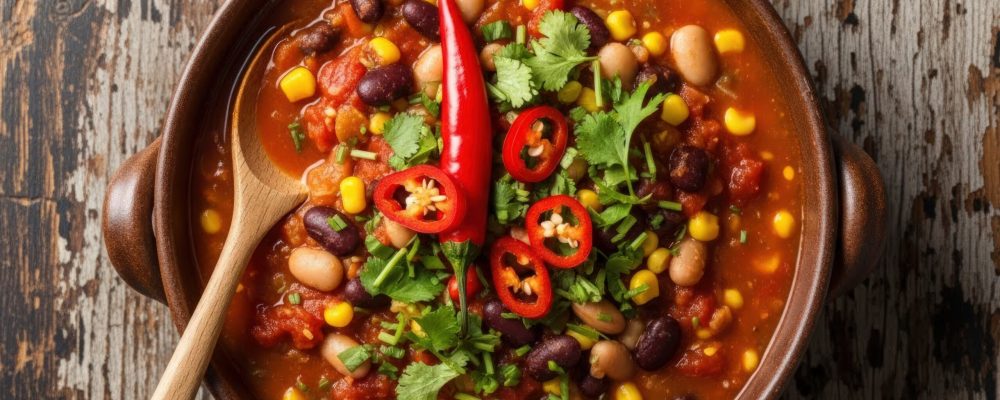
Chili improves overnight for the same reasons, with the additional contribution of the dried chilis themselves, which continue to hydrate and release their flavor compounds into the surrounding liquid during the rest period. A pot of chili eaten the day it’s made is a pot of chili. The same pot eaten the next day is why people make chili.
Curry — particularly the long-cooked, spice-laden curries of South Asian and Southeast Asian cooking — develops in ways overnight that hours of initial cooking cannot replicate. The fat in a curry — whether ghee, coconut milk, or oil — carries the fat-soluble flavor compounds from the spices through the dish as it cools and reheats, producing a more evenly spiced, more deeply integrated flavor profile than the freshly made version.
Tomato-based pasta sauces improve significantly overnight. The acidity that can be sharp and forward in a freshly made sauce mellows during the rest period as the acids continue to interact with the other flavor compounds in the dish. The sweetness of the tomatoes becomes more pronounced. The sauce becomes rounder, deeper, and more unified than it was when it first came off the stove.
The Maillard Products Redistribute
There is one more dimension of overnight improvement that is less commonly discussed but that accounts for a significant portion of the flavor development that occurs during the rest.
The Maillard reaction — which produced the browned, complex flavor compounds during the initial cooking — generates products that continue to interact with each other and with the surrounding liquid during the cooling and resting period.
When meat is seared before braising, the complex aromatic compounds produced by the Maillard reaction on the surface of the meat are initially concentrated at the surface. During the long braise and the subsequent rest, these compounds diffuse into the surrounding liquid, distributing their flavor through the entire dish rather than remaining localized at the browned exterior.
This redistribution is part of why a braised dish tastes richer and more complex on the second day — the flavor that was created by the sear has had time to move through the dish, contributing to the overall flavor rather than being concentrated at the surface where it was produced.
The Professional Habit
This is why professional kitchens that serve braises and stews routinely make them a day or two before service.
Not primarily because of schedule convenience — though that is a genuine benefit in a busy kitchen. Because the food is better. The chef who makes a short rib braise on Monday to serve on Wednesday is not just planning ahead. They are building rest time into the recipe as a deliberate cooking step.
The overnight rest is part of the recipe. It is the last step — the step that happens in the refrigerator, without heat, while the cook is doing something else entirely — and it produces changes that no amount of additional cooking time on the day of service could replicate.
Home cooks who understand this stop treating leftovers as a consolation and start treating them as the intended outcome. The extra portion made on Sunday isn’t the leftover from a meal. It is Monday’s lunch, which will be better than Sunday’s dinner in ways that are now, having understood the chemistry, entirely predictable.
What to Do When You Can’t Wait
There will always be occasions when the overnight rest isn’t possible — when a dish needs to be made and served the same day, when the schedule doesn’t allow for a day between cooking and eating.
Professional kitchens have a technique for approximating the overnight effect in compressed time: rapid cooling followed by rapid reheating.
By cooling a dish as quickly as possible — spreading it into a wide, shallow container and placing it in an ice bath before refrigerating — the temperature drop is accelerated, and the fat has less time to remain distributed in the hot liquid before it begins to solidify and rise. The dish can then be refrigerated for even a few hours, the fat skimmed, and the dish reheated.
This compressed rest doesn’t fully replicate overnight development — the aromatic diffusion and the Maillard redistribution require more time — but it captures the fat-skimming benefit and produces a noticeably cleaner, more focused flavor than serving directly from the cooking pot.
Even an hour of rest, skimmed and reheated, is better than no rest at all.
The Takeaway
The foods that taste better the next day are not better because of nostalgia or hunger or the pleasure of not cooking. They are better because of specific, identifiable chemical processes that occur during the rest period — fat distribution, gelatin setting, aromatic diffusion, seasoning equilibration, Maillard product redistribution — that develop flavor in ways the original cooking could only begin.
Make the braise the day before. Cook the chili Sunday for Monday. Let the curry rest overnight before serving.
The rest is not downtime. It is cooking.
And sometimes, it is the most important cooking in the recipe.














