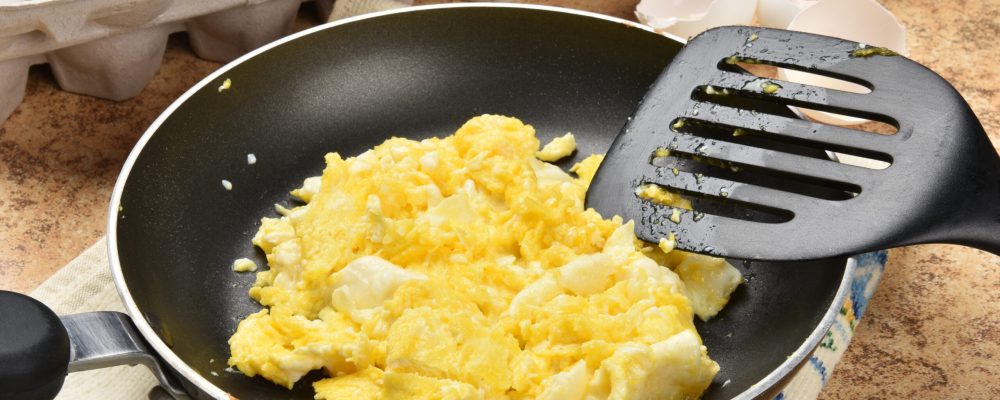

You make scrambled eggs.
They look good in the pan. Fluffy. Soft. Almost done.
You plate them and suddenly there’s liquid pooling around the eggs. Watery, unappetizing liquid that makes everything look and taste wrong.
The eggs themselves taste fine—if you can ignore the puddle they’re sitting in.
Restaurant scrambled eggs never do this. They stay fluffy and dry on the plate. No water. No weeping. Just perfect eggs from first bite to last.
The difference isn’t better eggs or professional equipment.
It’s understanding what causes eggs to release water and knowing when to stop cooking—which is earlier than most people think.
You’re Overcooking Them
This is the primary cause of watery scrambled eggs.
Eggs are mostly protein and water. When eggs cook, proteins coagulate and squeeze out moisture. The longer they cook, the more moisture gets expelled.
If you cook scrambled eggs until they look completely done in the pan, they’re overcooked. By the time they hit the plate, residual heat has pushed them past the ideal point. They release water as the proteins continue contracting.
Chefs pull scrambled eggs off heat when they still look slightly wet and underdone. The eggs look glossy with a bit of liquid still visible.
That liquid isn’t water being expelled—it’s egg that hasn’t fully set yet. Carryover cooking finishes the eggs on the plate. They end up perfectly cooked without weeping.
Home cooks cook eggs until they look completely done, then cook them a bit more to be safe. By the time the eggs reach the plate, they’re overdone and releasing moisture.
Pull your eggs earlier than you think you should. They should look slightly too wet. Trust that carryover cooking will finish them.
The Heat Is Too High
High heat cooks eggs too quickly. The outside overcooks while the inside is still raw. By the time everything is cooked, the exterior has expelled moisture.
Chefs use low to medium-low heat for scrambled eggs. The slow, gentle cooking allows even coagulation without squeezing out moisture.
This takes longer—sometimes 10 to 15 minutes for restaurant-quality scrambled eggs. But the texture is completely different. Creamy, soft, and no weeping.
Home cooks often use medium or medium-high heat, trying to make breakfast quickly. The eggs cook too fast. Proteins seize and release water.
Lower your heat. Be patient. Scrambled eggs aren’t a fast food. They’re a slow, gentle process.
Rush them and they’ll weep. Give them time and they’ll stay creamy.
You’re Not Stirring Enough
Constant stirring creates small curds and prevents overcooking in any one area.
Large curds form when eggs sit undisturbed. Those large curds overcook more easily and release more moisture.
Chefs stir scrambled eggs almost constantly—gently, continuously moving them around the pan. This creates creamy, small curds that don’t overcook.
Home cooks often let eggs sit for 30 seconds, then give them a big stir, then let them sit again. This creates large curds that are more prone to overcooking and weeping.
Stir constantly. Not aggressively—gently. But continuously. Keep the eggs moving so they form small, delicate curds.
There’s Too Much Liquid Added
Some people add milk, cream, or water to eggs before scrambling, thinking it makes them fluffier.
It doesn’t. It just adds liquid that will eventually separate out during cooking.
The liquid dilutes the eggs and increases the amount of water that needs to be cooked out. If you don’t cook long enough, the added liquid never fully incorporates. If you cook too long, it gets expelled along with the eggs’ natural moisture.
Chefs rarely add liquid to scrambled eggs. Maybe a small amount of cream for richness—but not much. The eggs themselves provide enough moisture.
Home cooks often add a splash of milk or water per egg, thinking it improves texture. It actually makes watery eggs more likely.
Skip the added liquid. Or use just a tiny amount of heavy cream if you want richness—no more than a teaspoon per egg.
The Eggs Are Old
Fresh eggs have thicker whites that hold together better during cooking.
Old eggs have thinner, more watery whites. This extra water is more likely to separate out during cooking, creating weeping.
Chefs use fresh eggs. Restaurants go through eggs quickly, so freshness is rarely an issue.
Home cooks sometimes use eggs that have been in the refrigerator for weeks. The whites have thinned. The eggs are more prone to releasing water.
Check the date on your eggs. Use the freshest ones available for scrambled eggs. Save older eggs for hard-boiled eggs or baking, where texture is less critical.
You’re Adding Salt at the Wrong Time
This is controversial, but timing of salt addition can affect moisture retention.
Salt draws moisture out of protein. Adding salt to beaten eggs and letting them sit for several minutes before cooking can cause the eggs to release water.
Some chefs salt eggs right before cooking—literally as they hit the pan. This seasons the eggs without giving salt time to draw out moisture.
Other chefs salt after cooking, which definitely prevents any moisture extraction before cooking.
Home cooks often beat eggs with salt and let the mixture sit while they prepare other things. By the time the eggs cook, salt has already started pulling out moisture.
Try salting after cooking or right as eggs hit the pan. See if your eggs weep less. The difference might surprise you.
The Eggs Aren’t Fresh Enough
Beyond age, how eggs are stored affects moisture content.
Eggs that have been in the refrigerator for a long time absorb moisture through their shells. They become wetter over time.
This excess moisture has to go somewhere during cooking. Often, it gets expelled onto the plate.
Chefs use eggs quickly and store them properly—usually in refrigeration but used within a week or two maximum.
Home cooks sometimes have eggs in the fridge for a month. Those eggs have higher moisture content and are more prone to weeping.
Buy eggs in smaller quantities. Use them within two weeks. The fresher the eggs, the less likely they are to release water.
You’re Using a Pan That’s Too Small
Crowding eggs into a small pan means they cook unevenly. Some parts overcook while others are still raw.
The overcooked parts release moisture. By the time the undercooked parts are done, the overcooked parts have expelled water.
Chefs use appropriately sized pans for the number of eggs they’re cooking. The eggs spread in a thin layer, cooking evenly.
Home cooks often cook eggs for multiple people in a pan that’s too small. The eggs pile up. Uneven cooking creates weeping.
Use a larger pan than you think you need. The eggs should form a relatively thin layer, not a thick pile.
Even cooking prevents moisture release.
The Pan Surface Is Releasing Moisture
Old nonstick pans with degraded coatings can trap moisture during cooking.
As the coating deteriorates, it becomes porous. Moisture gets trapped in those pores, then releases onto the eggs as they cook.
This isn’t common, but it happens. If you’ve ruled out everything else and your eggs still weep, your pan might be the problem.
Chefs use pans in good condition. They replace nonstick pans regularly—every year or two in commercial settings.
Home cooks often use the same nonstick pan for five or ten years. The coating is shot. It’s affecting cooking performance in ways that aren’t obvious.
If your pan is old and scratched, try making eggs in a different pan. If the weeping stops, you’ve found your problem.
You’re Plating Onto a Cold Plate
This doesn’t cause weeping directly, but it exacerbates it.
A cold plate accelerates the cooling of hot eggs. As eggs cool rapidly, they contract and release moisture.
Chefs often warm plates before plating eggs. The eggs cool gradually instead of shocking from hot to cold.
This doesn’t prevent moisture release entirely, but it reduces how much water is visible on the plate.
Home cooks usually plate onto cold plates straight from the cabinet. The temperature shock pushes moisture out of the eggs.
Warm your plates—either in a low oven for a few minutes or with hot water. Plate eggs onto warm surfaces.
The eggs will release less visible moisture.
You’re Making Too Many Eggs at Once
Large batches of scrambled eggs cook unevenly.
The eggs at the bottom of the pile overcook while the eggs on top are still raw. By the time everything is cooked, the bottom layer has expelled moisture.
Chefs make scrambled eggs in small batches—two or three eggs at a time maximum. This ensures even cooking and prevents any portion from overcooking.
Home cooks often make eggs for the whole family in one pan. Four, six, eight eggs all cooking together. Uneven cooking is inevitable. Weeping follows.
Make smaller batches. If cooking for multiple people, make eggs in waves rather than all at once.
The eggs will turn out better, even if it takes slightly longer.
What You Should Do Tomorrow Morning
Use fresh eggs—check the date. Don’t add milk or water.
Heat a nonstick pan on low to medium-low heat. Add butter.
Crack eggs directly into the pan or beat them first without salt. If you salt, do it right before or after cooking—not while the beaten eggs sit.
Stir constantly, gently, creating small curds. Keep the heat low.
When eggs still look slightly wet and glossy—not fully set—remove from heat immediately.
Plate onto warm plates. The eggs will finish cooking from residual heat and will be perfectly done without releasing water.
That’s the technique. Low heat, constant stirring, pull early, warm plates.
Do that and your scrambled eggs finally stay creamy without weeping.
The Takeaway
Watery scrambled eggs aren’t about bad eggs or bad luck.
They’re about overcooking. Cooking too fast. Adding too much liquid. Using old eggs. Not pulling them early enough.
Every one of these problems is preventable.
Restaurants serve perfect scrambled eggs because they understand when to stop cooking. They use low heat. They stir constantly. They don’t add milk.
Home cooks often do the opposite of all these things, then wonder why there’s water on the plate.
But now you know what causes weeping and how to prevent it.
Pull your eggs early. Use low heat. Stir constantly. Don’t add liquid.
Do that and your scrambled eggs will finally look and taste the way they should.
Creamy, fluffy, and completely dry.
No puddles. No weeping. Just perfect eggs.