
A sandwich seems simple.
Bread, filling, maybe some condiments. Hard to mess up.
But somehow restaurant sandwiches are different. More flavorful. Better textured. More satisfying.
You make the same sandwich at home with similar ingredients and it’s just… fine.
Not bad. Not memorable. Just food between bread.
The gap isn’t about access to better ingredients. It’s about small construction decisions that most people never think about—but that completely change how a sandwich eats.
They Toast or Grill the Bread
Most people build sandwiches on soft, straight-from-the-bag bread.
It’s fine. But it’s not great.
Toasted or grilled bread creates texture contrast. The outside has crunch while the inside stays soft. It also creates a slight barrier that prevents wet ingredients from immediately soaking through.
Restaurants toast almost everything. Bagels. Buns. Sliced bread. Even when it’s not explicitly a “grilled” sandwich, the bread usually sees some heat.
This adds flavor from the Maillard reaction. It adds structure. It makes every bite more interesting.
At home, people skip this because it’s an extra step. But it’s the step that elevates a sandwich from adequate to actually good.
The Bread Is Proportional to the Filling
Ever bite into a sandwich and get all bread, no filling? Or all filling that squishes out the sides?
That’s a ratio problem.
Chefs think about bread-to-filling proportion. Thick bread needs substantial fillings. Thin bread works with lighter ingredients. The goal is balance—every bite should have the right amount of each component.
Home sandwiches often have too much bread or too much filling. Either way, the eating experience suffers.
Restaurants adjust. If the bread is thick, they slice it thinner or hollow it out slightly. If the filling is substantial, they use heartier bread that can support it.
They Layer Strategically
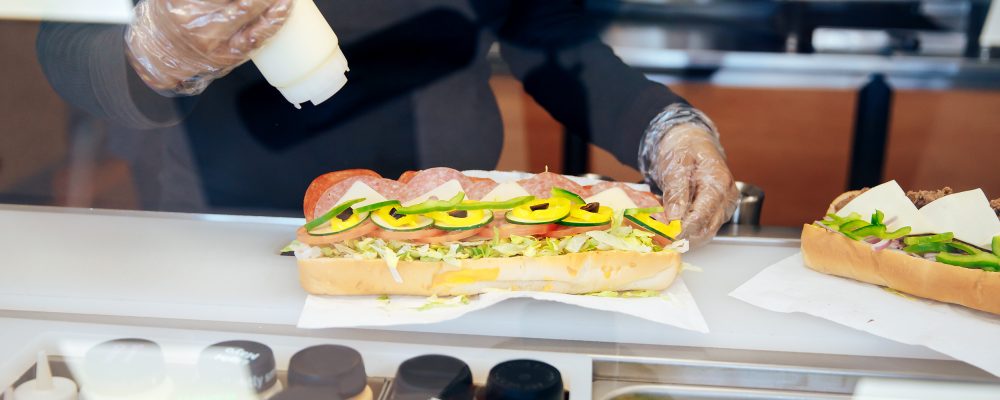
Most people build sandwiches randomly. Meat, cheese, lettuce, tomato—whatever order seems convenient.
Chefs think about structure.
Wet ingredients don’t go directly against bread—they’ll make it soggy. They’re buffered by cheese or lettuce.
Heavy ingredients go on the bottom so gravity keeps the sandwich together instead of pulling it apart.
Textures are distributed throughout. Crisp lettuce. Creamy cheese. Tender meat. Each bite has contrast instead of being homogenous.
These decisions seem minor, but they determine whether a sandwich holds together or falls apart halfway through eating it.
Condiments Are Applied Correctly
Slapping mayonnaise on one side of the bread and calling it done is amateur hour.
Chefs spread condiments edge to edge, on both pieces of bread. This creates a moisture barrier that prevents sogginess and ensures every bite has flavor.
They also consider which condiments go where. Mayonnaise on both sides for tuna salad. Mustard on the meat side for a turkey sandwich. Oil and vinegar distributed evenly on a sub.
This isn’t fussy. It’s functional. Proper condiment application affects both flavor distribution and structural integrity.
The Ingredients Are Seasoned
A restaurant BLT tastes better partly because the tomatoes are salted.
The lettuce might have a light drizzle of vinaigrette. The bacon is perfectly seasoned. Each component is treated like it matters.
Home sandwiches often rely entirely on condiments for flavor. The individual ingredients are bland.
Chefs season as they build. Salt and pepper on tomatoes. A pinch of salt on avocado. Properly seasoned proteins.
This creates layers of flavor instead of just relying on mayo and mustard to do all the work.
Cheese Is Melted When It Should Be
Cold cheese on a hot sandwich is a wasted opportunity.
If you’re making a hot sandwich—a burger, a grilled cheese, anything with warm components—the cheese should be melted.
Chefs know exactly how to achieve this. They add cheese at the right moment, cover the pan to trap heat, or briefly hit the sandwich under a broiler.
Melted cheese binds ingredients together. It adds richness. It transforms the texture of the entire sandwich.
Cold cheese just sits there doing nothing.
Fresh Ingredients Make an Outsized Difference
Wilted lettuce, mealy tomatoes, and stale bread can’t be rescued by technique.
Restaurants go through ingredients quickly. Everything is fresh. Bread was baked that day. Vegetables were prepped that morning.
At home, people often use whatever’s been in the fridge for a week. Then they wonder why the sandwich doesn’t taste as good.
Fresh ingredients aren’t just about flavor—they’re about texture. Crisp lettuce. Firm tomatoes. Soft, fresh bread.
You can’t build a great sandwich with mediocre components. Technique helps, but it can’t overcome ingredient quality.
They Rest Before Cutting
Hot sandwiches benefit from a brief rest before cutting—just like meat.
This lets steam redistribute. It allows melted cheese to set slightly. It prevents all the fillings from sliding out the moment you slice through.
Most people make a hot sandwich and immediately cut it. Everything inside is still shifting and settling. The cut disrupts that process.
Chefs let sandwiches sit for a minute or two. It seems insignificant, but it affects how cleanly the sandwich cuts and how well it holds together.
The Cut Matters
How you cut a sandwich changes how it eats.
Diagonal cuts create more surface area and make sandwiches easier to pick up. Straight cuts work for certain styles. Some sandwiches aren’t cut at all.
Chefs also consider the knife. A serrated knife cuts through crusty bread without crushing it. A sharp chef’s knife slices cleanly through soft ingredients.
Home cooks often use whatever knife is handy and hack through the sandwich, squishing everything in the process.
The result is a sandwich that looks mangled and is harder to eat.
They Build Sandwiches to Order
Restaurant sandwiches are assembled right before serving.
The bread hasn’t been sitting around getting soggy. The lettuce is crisp. Everything is at the temperature it should be.
Home cooks sometimes prep sandwiches hours ahead—for lunches, for a party—and wrap them up.
By the time they’re eaten, the texture has degraded. The bread is soggy. The lettuce is wilted. Nothing is at its best.
If you must make sandwiches ahead, keep components separate and assemble at the last possible moment. It takes more effort but produces drastically better results.
Temperature Contrast Is Intentional
Great sandwiches often have temperature variation.
A hot burger with cold, crisp lettuce and tomato. A room-temperature turkey sandwich with warm, melted cheese.
That contrast makes each bite more interesting. All hot or all cold is less dynamic.
Chefs think about this when building sandwiches. They’re not just throwing ingredients together—they’re considering how temperatures play off each other.
Home cooks rarely think this way. But it’s one of those subtle factors that makes restaurant sandwiches more compelling.
What You Can Do Tomorrow
Toast your bread, even if it’s just for a minute in a dry pan.
Season your ingredients individually. Salt the tomatoes. Pepper the lettuce.
Think about layering. Wet ingredients away from bread. Heavy ingredients on the bottom.
Spread condiments edge to edge on both sides.
If it’s a hot sandwich, make sure the cheese is actually melted.
Cut with a sharp knife and let hot sandwiches rest for a minute before slicing.
Those adjustments—none of them complicated—will make your sandwiches noticeably better.
The Takeaway
Sandwiches seem too simple to require technique.
But the difference between a forgettable sandwich and a memorable one comes down to small, deliberate choices most people ignore.
Toasting bread. Seasoning ingredients. Layering strategically. Melting cheese properly.
Restaurants don’t skip these steps. They know that even something as basic as a sandwich benefits from care and attention.
Home cooks often treat sandwiches as an afterthought—something quick and easy that doesn’t deserve much thought.
But a well-constructed sandwich isn’t quick because you’re careless. It’s quick because you know exactly what you’re doing.
And once you start building sandwiches with intention, you’ll never go back to just slapping ingredients between bread and hoping for the best.