84cd5614-3544-473c-9799-e921a3a7158d

Panda Express Just Launched Its First-Ever Brisket — And It Has 44 Grams of Protein

Healthy Fact of the Day

At 44 grams of protein and 410 calories, the Cantonese BBQ Brisket is one of the most protein-efficient entrées in the fast-casual category — making it a genuinely smart choice for anyone prioritizing protein intake. Pairing it with steamed white rice as Chef Jimmy Wang recommends keeps the meal simple and balanced, or swap in brown rice for added fiber. Since the dish contains no vegetable fillers, rounding it out with a side of super greens or string bean chicken on the side is an easy way to add vitamins and fiber to an otherwise protein-heavy meal.

Panda Express just made its most ambitious menu move of the year.

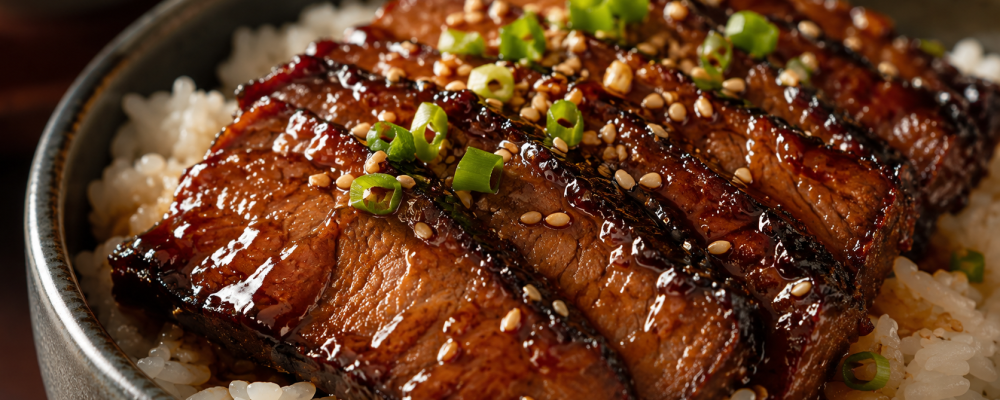
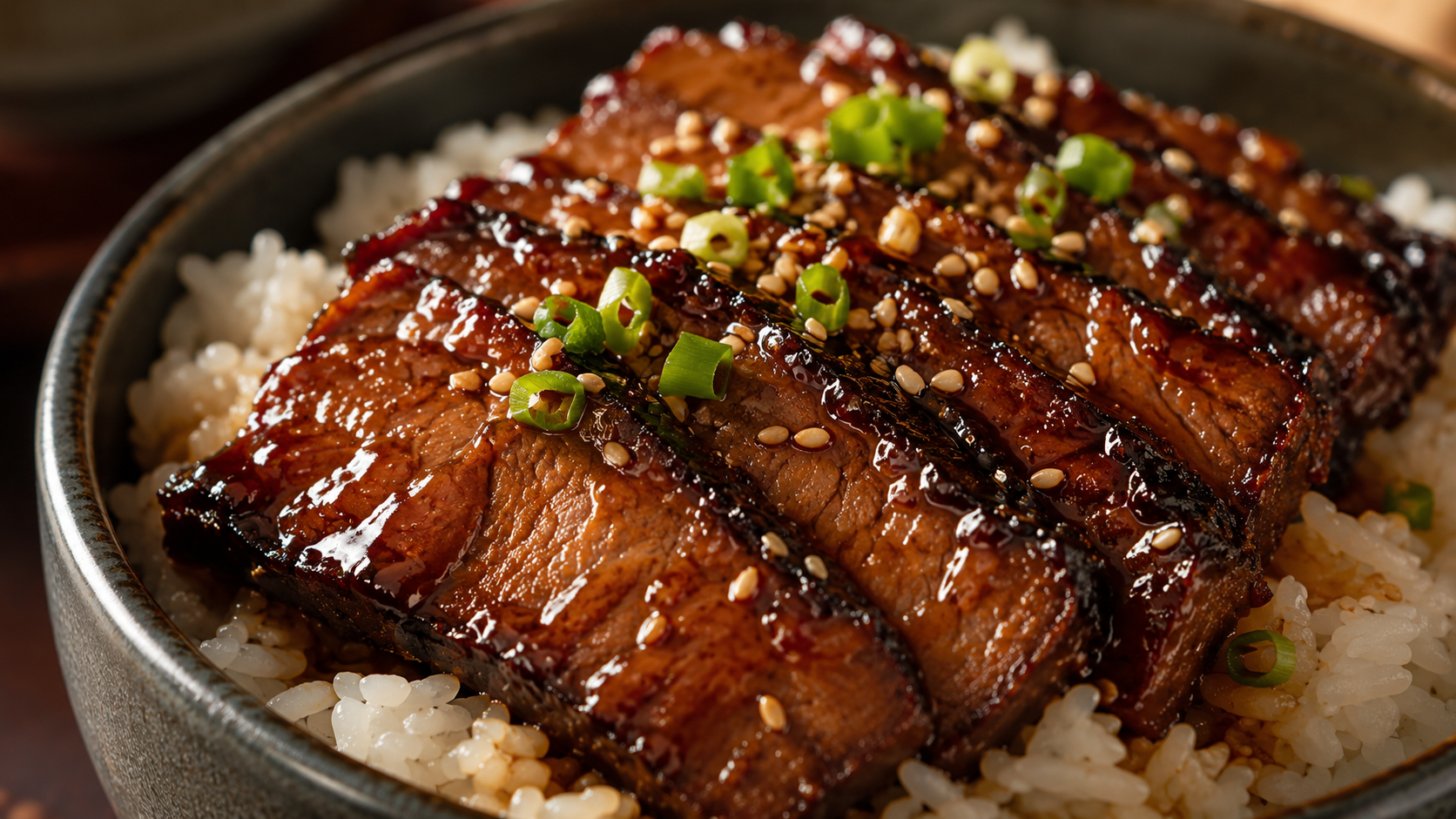
The Cantonese BBQ Brisket hits all Panda Express restaurants nationwide tomorrow, June 2, marking the brand’s first brisket offering in its 43-year history. Available through August 10 while supplies last, the dish has been years in the making — and the specs alone make it worth trying: 44 grams of protein per serving, 410 calories, no vegetable fillers, and a Char Siu-style BBQ sauce that took the culinary team years to develop.

“Cantonese BBQ Brisket is the most ‘American Chinese’ dish we’ve ever made,” said Chef Jimmy Wang, Executive Director of Culinary Innovation at Panda Express.

What Makes This Different

Panda Express built its menu on dishes like Orange Chicken and Broccoli Beef — proteins and vegetables together. The Cantonese BBQ Brisket breaks that mold deliberately. Unlike other Panda Express favorites, the new Cantonese BBQ Brisket is served by itself, without any added vegetables. Chef Wang recommends pairing the new entrée with a simple white steamed rice.

The protein-to-calorie ratio is notably efficient for a fast food entrée — 44 grams of protein at 410 calories puts it among the best high-protein options in the fast-casual category.

How It’s Made

The dish is composed of slow-cooked brisket, hand-sliced into bite-sized pieces, which is then seared in a wok and tossed with a Cantonese-inspired char siu sauce, made with soy sauce, fermented soybean paste, mirin, sugar, onion, garlic, paprika, and sesame oil.

The brisket uses both parts: the point and the flat. Using both cuts is significant — the point delivers rich, fatty flavor while the flat provides leaner, more uniform slices — meaning every serving has textural and flavor variety built into it. The wok-searing step adds the high-heat char that differentiates this from a slow-cooked American-style brisket plate.

The Price Point

As a super-premium entrée, the Cantonese BBQ Brisket costs approximately $2 more than standard Panda Express proteins. Pricing varies by location, but expect it to run roughly $6–$7 as an individual entrée, or as the premium option in any bowl or plate combination.

Why This Launch Matters for Panda Express

Cantonese BBQ Brisket is a culinary innovation years in the making and Panda’s take on a new American Chinese classic — sitting at the crossroads of two great BBQ traditions, the dish reimagines one of America’s most prized cuts through the lens of Cantonese flavor.

The launch is strategically timed for summer grilling season — positioning Panda Express directly alongside backyard BBQ culture while doing something no other chain is doing with the same cut. Char siu — the Cantonese BBQ tradition that inspires the sauce — originated in the Guangdong region of China and has defined Chinese BBQ cooking for centuries. Applying those flavors to American brisket is a genuinely creative culinary synthesis, not just a flavor swap.

The Bottom Line

Panda Express’ Cantonese BBQ Brisket is available nationwide from June 2 through August 10, or while supplies last. It’s the chain’s first brisket offering, its highest-protein entrée to date, and one of the more distinctive summer launches in fast-casual dining this year. Pair it with steamed white rice and let the Char Siu sauce do the work.
Recent Recipes

Margarita Dip with Salted Pretzels

  • July 13, 2026
  • 12 min read

The Noodle Bowl and the Infinite Variations

  • July 13, 2026
  • 10 min read

Thai Style Sweet Chili Ribs

  • July 13, 2026
  • 9 min read

Baskin-Robbins Just Launched Its Most Loaded Ice

  • July 12, 2026
  • 3 min read

The Summer Cookbook You Never Bought

  • July 12, 2026
  • 11 min read

Sesame Ginger Edamame Bites

  • July 12, 2026
  • 15 min read

Smoky Chipotle Black Bean & Farro Bowls

  • July 12, 2026
  • 15 min read

Golden Milk Baked Oat & Almond Cups

  • July 12, 2026
  • 15 min read

Loaded Brownie Cheesecake Cups

  • July 12, 2026
  • 17 min read

Ranch Slow Cooker Pork Chops

  • July 12, 2026
  • 9 min read

Tip of the Day

“Always let your meat rest before slicing.”

Whether you're roasting a chicken, grilling steak, or baking pork tenderloin, letting cooked meat rest for 5–10 minutes before slicing allows the juices to redistribute evenly. This simple step keeps your meat juicy and tender, ensuring every bite is flavorful and moist. Bonus: It gives you a moment to plate your sides or garnish for a perfect presentation!

Our Latest Recipes

Appetizers
Benjamin Brown

Margarita Dip with Salted Pretzels

Lime juice provides vitamin C and antioxidants while its natural acidity brightens flavors without adding calories. Using quality cream cheese and sour cream provides calcium and protein, making this an indulgent dip that still delivers real nutritional substance alongside its cocktail-inspired flavors.

Read More »
Blog
Daily Disher

The Noodle Bowl and the Infinite Variations of a Perfect Lunch

The noodle bowl format — combining a protein source, complex carbohydrates, and multiple vegetable components in a single dish — is one of the most nutritionally complete single-meal formats available. Research on traditional Asian noodle soup diets consistently finds that populations who eat noodle soups as a primary meal format consume higher levels of vegetables, more diverse protein sources, and more varied micronutrients than those eating single-component meals. The broth itself, when made from bones or dashi, provides additional nutritional benefits through its content of glycine, glutamate, and minerals that support gut health, cognitive function, and mineral balance.

Read More »
Asian
Benjamin Brown

Thai Style Sweet Chili Ribs

Fish sauce is the secret nutritional advantage in this recipe—it delivers intense umami flavor with very little sodium per teaspoon compared to the same volume of soy sauce, allowing bold seasoning with a lighter touch. Pork ribs are a good source of protein, zinc, and B vitamins, and the low-and-slow braising method renders significant fat out of the ribs before the glaze stage, making the finished dish leaner than its indulgent taste suggests.

Read More »

Get your daily dose of delicious!

Skip to content