
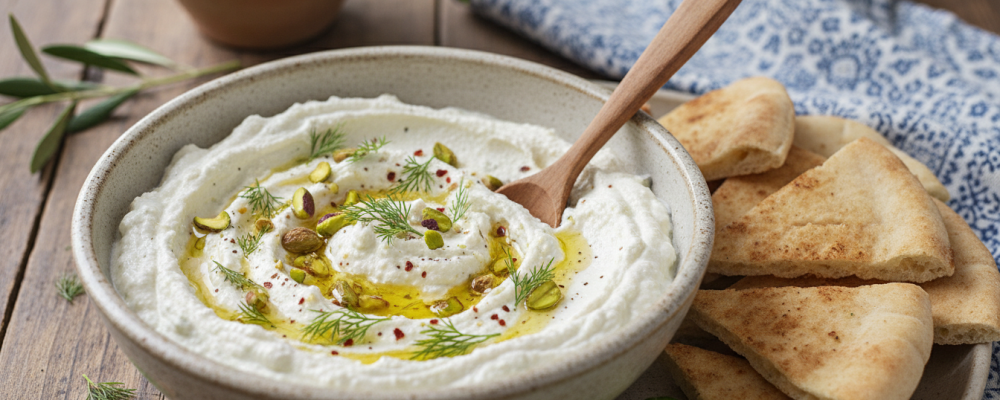

There’s something about Greek food that just makes me happy. Maybe it’s the bright, sunny flavors—all that lemon and olive oil and fresh herbs. Maybe it’s the way Greek cuisine celebrates simple, quality ingredients without trying to disguise them or make them into something they’re not. This Greek Feta Dip embodies everything I love about Mediterranean cooking: it’s straightforward, honest, and absolutely delicious.
What draws me to this recipe is how it achieves such rich, complex flavor with so few ingredients. Feta provides that characteristic salty tang, Greek yogurt adds creaminess and protein, olive oil brings fruity richness, and the herbs transport you straight to a taverna overlooking the Aegean Sea. Each ingredient plays a clear role, and nothing is superfluous. That’s the mark of truly thoughtful cooking—knowing when to add and when to stop.
I made this dip on a Monday afternoon when friends dropped by unexpectedly, and it was the perfect solution. It took less than ten minutes to throw together, yet everyone raved about it like I’d spent hours in the kitchen. That gap between effort and impact is what makes a recipe truly valuable. And the fact that it’s actually good for you—packed with protein, calcium, and healthy fats—makes it even better. You can feel virtuous while eating something that tastes indulgent.
The beauty of this recipe is its versatility. Serve it as a dip with vegetables or pita, spread it on sandwiches or wraps, use it as a topping for grilled chicken or fish, or thin it slightly with more lemon juice to create a salad dressing. One recipe, countless applications—that’s the kind of efficiency I appreciate in my kitchen, and I think you will too.
─────────
The Inspiration Behind This Recipe
Greek Feta Dip draws inspiration from several traditional Greek preparations, particularly htipiti (spicy feta spread) and tirokafteri (whipped feta with peppers). This version simplifies those concepts while maintaining authentic Greek flavors, using ingredients that are readily available in American grocery stores while staying true to the Mediterranean spirit.
The inspiration also reflects the growing appreciation for Greek cuisine in American food culture. Greek yogurt exploded in popularity during the 2000s and 2010s, introducing millions to the tangy, thick texture and high protein content that distinguishes it from regular yogurt. This recipe leverages that familiarity, combining Greek yogurt with feta—another increasingly popular ingredient—to create something accessible yet authentically flavored.
The concept also addresses modern eating preferences: we want foods that are healthy, quick to prepare, and versatile enough to serve multiple purposes. This dip checks all those boxes while delivering the bold, satisfying flavors that make eating feel like an experience rather than just fuel.
─────────
A Brief History of Greek Dips and Spreads
Greek cuisine has a rich tradition of mezze—small dishes served as appetizers or alongside meals. Dips and spreads made from cheese, yogurt, vegetables, and olive oil have been staples of Greek tables for centuries, designed to be scooped with bread and shared communally. These dishes celebrate the Mediterranean diet’s emphasis on healthy fats, fresh vegetables, and dairy products.
Feta cheese itself dates back thousands of years, with references in Homer’s Odyssey. Made from sheep’s milk or a mixture of sheep and goat’s milk, feta has protected designation of origin status in the European Union, though similar white brined cheeses are produced throughout the Balkans and Middle East. Its salty, tangy character makes it ideal for both cooking and eating fresh.
Greek yogurt, known in Greece simply as “straggisto” (strained yogurt), has been made for centuries by straining regular yogurt to remove whey, creating a thicker, more concentrated product. When Greek-style yogurt was marketed in the United States starting in the late 1990s, it revolutionized the yogurt category and introduced Americans to its distinctive tangy flavor and creamy texture.
This dip represents the evolution of these ancient ingredients into a format that works for contemporary American entertaining and snacking while maintaining authentic Greek character.
─────────
Why This Cooking Method Works
Crumbling feta first creates smaller pieces that blend more easily with yogurt, resulting in a smoother, more homogeneous dip rather than large chunks of unmixed cheese.
Room temperature ingredients blend more easily than cold ones. If feta and yogurt are cold, they’ll be harder to mix smoothly and evenly.
Greek yogurt thickness provides structure and prevents the dip from being too runny. Regular yogurt would create a thin, watery consistency.
Olive oil incorporation adds richness and helps carry flavors while contributing its own fruity, slightly peppery notes. It also creates a smoother mouthfeel.
Lemon juice provides acidity that brightens all the other flavors while preventing the richness from becoming cloying. It also helps preserve the dip’s fresh taste.
Minced garlic rather than garlic powder delivers fresh, pungent flavor that’s characteristic of Greek cuisine. Raw garlic adds sharpness that mellows slightly during the brief chilling.
Dried herbs provide concentrated flavor that doesn’t add moisture. Oregano and dill are classic Greek seasonings that define the flavor profile.
Brief chilling allows flavors to meld and develop while slightly firming the texture. Five minutes is enough to make a difference without being an inconvenience.
Fresh parsley garnish adds color, freshness, and a final herbal note just before serving, making the presentation more appealing.
─────────
Flavor Profile: What to Expect
Greek Feta Dip delivers authentic Mediterranean flavors with satisfying complexity. The feta cheese provides salty, tangy richness with that characteristic briny, slightly sharp flavor that defines Greek cheese. It’s bold and distinctive—immediately recognizable as feta.
Greek yogurt contributes creamy tanginess and substantial body. It’s thicker and more protein-rich than regular yogurt, with a pronounced cultured dairy flavor that complements the feta perfectly.
Extra virgin olive oil adds fruity, slightly peppery richness with subtle grassy notes. Quality olive oil makes a noticeable difference here—it’s not just fat but a flavor component.
Lemon juice brings bright, citrusy acidity that lifts all the other flavors. It cuts through richness and adds refreshing sharpness that prevents the dip from feeling heavy.
Garlic contributes pungent, savory depth with its characteristic sharp, aromatic bite. Raw garlic is potent but mellows slightly as it sits.
Oregano and dill provide the herbaceous character that makes this distinctly Greek. Oregano is earthy and slightly bitter, while dill is sweet and anise-like—together they create that classic Greek herb profile.
Fresh parsley adds a final burst of green, fresh, slightly peppery flavor that brightens everything.
The texture is creamy and spreadable with slight graininess from the crumbled feta. It’s thick enough to cling to vegetables or bread without being pasty or dry.
─────────
Tips for Making the Best Greek Feta Dip
- Use quality feta: Greek or Bulgarian feta in brine has the best flavor and texture. Avoid pre-crumbled feta with additives if possible.
- Full-fat Greek yogurt: It provides better flavor and creamier texture than low-fat versions. The difference is noticeable in such a simple recipe.
- Good olive oil matters: Since olive oil is a primary flavor component, use one you enjoy. Extra virgin is essential for authentic taste.
- Fresh lemon juice: Bottled lemon juice doesn’t provide the same bright, fresh flavor. Squeeze a real lemon.
- Adjust consistency: Add more yogurt for a thinner dip, or more feta for a thicker spread. Tailor it to your preferred use.
- Let it rest: Even 30 minutes to an hour in the refrigerator improves flavor as ingredients meld. Make it ahead if possible.
- Customize herbs: Add fresh dill or mint instead of or in addition to dried herbs for brighter flavor.
- Control saltiness: Feta varies in saltiness. Taste before adding salt—you may not need any.
- Make it spicy: Add a pinch of red pepper flakes or a dash of hot sauce for a spicy version similar to tirokafteri.
- Smooth vs. chunky: Blend in a food processor for ultra-smooth dip, or keep it textured by mixing by hand.
─────────
Serving Suggestions and Side Pairings
Greek Feta Dip works beautifully for numerous occasions and applications:
As a dip: Serve with warm pita bread, pita chips, naan, crackers, or fresh vegetables like cucumbers, bell peppers, carrots, and cherry tomatoes.
As a spread: Use on sandwiches, wraps, or burgers instead of mayonnaise for Mediterranean flavor.
As a topping: Dollop on grilled chicken, lamb, fish, or roasted vegetables for added richness and tang.
Mediterranean platter: Include alongside hummus, tzatziki, dolmas, olives, and falafel for a complete mezze spread.
Salad dressing: Thin with additional lemon juice and olive oil to create a creamy Greek salad dressing.
Pairing suggestions:
- Greek salad with tomatoes, cucumbers, and olives
- Grilled lamb or chicken souvlaki
- Spanakopita or other Greek pastries
- Marinated artichoke hearts and roasted red peppers
- Stuffed grape leaves (dolmas)
- Fresh fruit like figs, grapes, or melon
- Warm flatbread or crusty bread
─────────
Storage, Reheating, and Make-Ahead Tips
Storage: Store in an airtight container in the refrigerator for up to 5 days. The flavors continue to develop and meld, often tasting even better the next day.
Make-ahead: This dip is ideal for advance preparation. Make it 24 hours ahead for the best flavor development. The herbs and garlic intensify slightly over time.
Oil separation: If olive oil separates and pools on top after storage, simply stir to reincorporate before serving.
Refresh before serving: If the dip has been refrigerated, let it sit at room temperature for 15 minutes before serving for optimal texture and flavor.
Freezing: Not recommended. Both yogurt and feta change texture when frozen and thawed, becoming grainy and separated.
Portioning: Divide into smaller containers for meal prep or individual servings throughout the week.
Travel tips: Transport in a sealed container packed on ice. This dip travels well for picnics or potlucks.
Leftover uses: Thin with lemon juice or water to create salad dressing, or use as a pasta sauce for a quick meal.
─────────
Why This Recipe Deserves a Spot in Your Rotation
Greek Feta Dip earns its place in your recipe collection because it represents the intersection of health, convenience, and authentic flavor—a combination that’s remarkably rare in modern cooking. In less than ten minutes, with no cooking required, you’re creating something that’s genuinely nutritious, genuinely delicious, and genuinely satisfying. That efficiency is invaluable for busy lives where time and energy are limited resources.
From a nutritional perspective, this dip is exceptional. It provides substantial protein from both yogurt and cheese, calcium for bone health, probiotics for gut health, and healthy fats from olive oil. You’re creating a snack that actually nourishes your body rather than just filling space. And because it tastes so good—tangy, creamy, flavorful—you never feel like you’re sacrificing pleasure for nutrition.
The recipe also teaches valuable lessons about Mediterranean cooking philosophy: start with quality ingredients, enhance them simply, and let their natural flavors shine. Understanding this approach makes you a better cook across all cuisines. You learn to appreciate how lemon brightens, how herbs define character, and how healthy fats create satisfaction—principles that apply everywhere in the kitchen.
Most importantly, this dip embodies the Mediterranean approach to eating and living: food that brings people together, that nourishes body and spirit, that celebrates simple pleasures without complexity or pretense. It’s food that makes you feel good in every sense—while you’re eating it, after you’ve eaten it, and when you’re sharing it with people you care about. That’s what the best recipes do, and that’s why this one deserves a permanent place in your rotation.
─────────
Recommended Drink Pairing
Wine: A crisp Greek white wine like Assyrtiko from Santorini complements the feta and lemon beautifully. A Sauvignon Blanc or dry Rosé also works wonderfully with the Mediterranean flavors.
Beer: A light wheat beer or Greek lager like Mythos provides refreshing contrast to the tangy, creamy dip. Belgian-style wit beer with its citrus notes also pairs well.
Non-alcoholic: Sparkling water with lemon and fresh mint mirrors the bright, fresh flavors. Iced herbal tea with lemon offers subtle, refreshing complexity.
Cocktail: A classic Gin and Tonic with cucumber garnish echoes the fresh, herbaceous notes. An Ouzo spritz (ouzo, sparkling water, lemon) provides authentic Greek spirit pairing.
Traditional: Greek coffee or mountain tea (tsai tou vounou) offers authentic pairing for a complete Mediterranean experience.
Greek Feta Dip
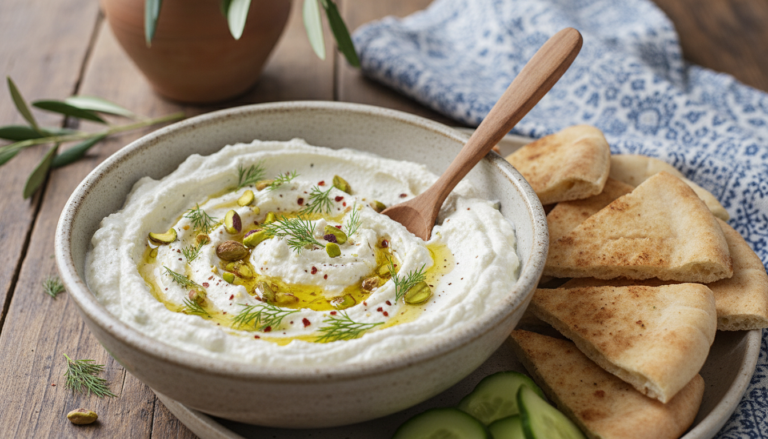
Greek Feta Dip combines tangy feta cheese and Greek yogurt with olive oil, lemon, garlic, and herbs for a creamy, protein-rich Mediterranean dip that’s ready in minutes.
8
servings10
minutes5
minutes100
kcal15
minutesIngredients
200 g feta cheese
100 g Greek yogurt
2 tbsp extra virgin olive oil
1 tbsp lemon juice
1 clove garlic, minced
1 tsp dried oregano
1 tsp dried dill
0.5 tsp black pepper
0.25 tsp salt
1 tbsp fresh parsley, chopped
Directions
- Crumble the feta cheese into a medium bowl.
- Add Greek yogurt and mix well until smooth.
- Stir in the olive oil and lemon juice until combined.
- Mix in minced garlic, oregano, dill, pepper, and salt.
- Transfer to a serving bowl and garnish with fresh parsley.
- Chill for 5 minutes before serving.
Nutrition Facts
- Total number of serves: 4
- Calories: 100kcal
- Cholesterol: 0mg
- Sodium: 620mg
- Potassium: 400mg
- Sugar: 8g
- Protein: 6g
- Calcium: 60mg
- Iron: 2mg
About This Author

Amelia Grace
Editor-in-Chief & Culinary Director
The heart and guiding voice of Daily Dish, Amelia leads our editorial vision and recipe development. With a background in food journalism and over a decade spent in professional kitchens, she has a knack for blending gourmet technique with real-world accessibility. Her goal? To make every reader feel like a confident cook, one dish at a time.
Favorite dish: Creamy lemon risotto with a sprinkle of fresh thyme.
Kitchen motto: “Good food doesn’t have to be complicated — it just has to be made with heart.”















