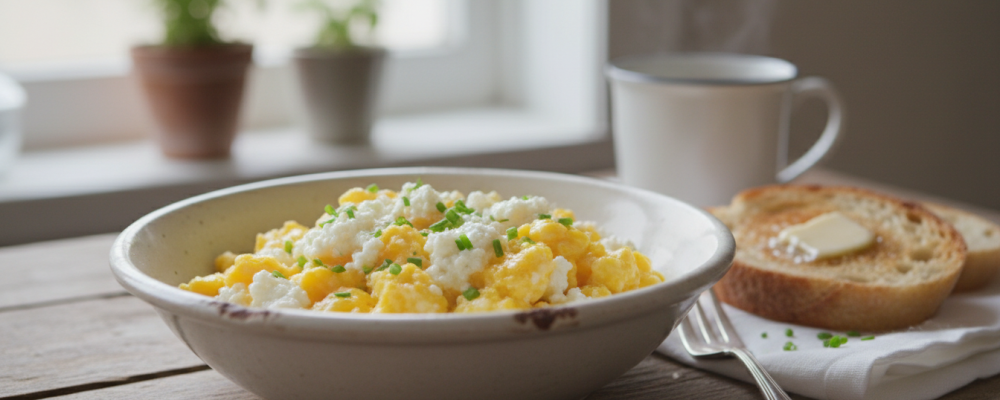

Scrambled eggs present a specific technical challenge for meal prep: the proteins that create their appealing tender texture when freshly cooked tend to tighten and become rubbery during refrigeration and reheating. Most meal-prepped scrambled eggs fail by day two—they emerge from the microwave dry, tough, and sulfurous, bearing little resemblance to the fluffy eggs that went into storage. This recipe solves that problem through strategic incorporation of cottage cheese, which fundamentally alters the protein matrix and moisture distribution in ways that preserve texture across multiple days and reheating cycles.
The cottage cheese contribution extends far beyond simple protein addition. When cottage cheese curds are stirred into beaten eggs and cooked, several transformations occur: the additional dairy protein (casein) integrates with egg protein (albumin), creating a more complex protein network. The moisture contained within cottage cheese curds distributes throughout the egg mixture, creating pockets of retained liquid that prevent the characteristic drying that occurs in plain scrambled eggs. The fat content from cottage cheese coats protein strands, reducing friction and creating smoother, more luxurious mouthfeel.
What makes this approach particularly effective is the protection cottage cheese provides during the most vulnerable phases: cooking, cooling, refrigeration, and reheating. During initial cooking, the cottage cheese curds release moisture gradually, preventing the eggs from setting too quickly or too firmly. During refrigeration, that moisture remains bound within the protein network rather than separating out (the syneresis that makes plain scrambled eggs watery). During reheating, the cottage cheese’s moisture re-hydrates the egg proteins that would otherwise contract excessively and become tough.
The protein yield deserves quantification: standard scrambled eggs provide approximately 12-14 grams of protein per two-egg serving. Adding 1/4 cup cottage cheese increases that to 25-30 grams—nearly double the protein density from a minor ingredient addition that actually improves rather than compromises texture. From a nutritional efficiency standpoint, this represents optimal return on effort: minimal additional preparation time for substantial macronutrient enhancement.
─────────
The Inspiration Behind This Recipe
This recipe emerged from systematic analysis of why restaurant scrambled eggs often taste better than home versions and maintain quality longer during hot-holding for buffet service. Professional kitchens frequently add dairy beyond just milk—cream, crème fraîche, or in some cases cottage cheese—to create eggs that remain creamy under heat lamps rather than drying out. I wanted to reverse-engineer that principle for meal prep purposes, where the challenge isn’t hot-holding but rather cold storage and reheating.
The cottage cheese insight came from examining Eastern European breakfast traditions where fresh cheese (tvorog, quark) is commonly mixed with eggs for texture and protein enhancement. These preparations maintain remarkable tenderness even when served at room temperature hours after cooking—a stability suggesting protective mechanisms worth replicating for meal prep contexts. Testing confirmed that cottage cheese provides similar protection to more expensive dairy additions like crème fraîche while contributing substantially more protein.
I experimented with various cottage cheese ratios before determining optimal proportions. Too little cottage cheese (less than 2 tablespoons per egg) provides insufficient texture modification—the eggs still dry out during storage. Too much cottage cheese (more than 1/4 cup per two eggs) creates eggs that taste more like cottage cheese than eggs, with visible curds that some find texturally unappealing. The specified ratio creates eggs that taste distinctly egg-forward while benefiting from cottage cheese’s textural and protein contributions.
The cooking methodology—gentle heat, constant stirring to create soft curds—is non-negotiable for meal prep success. High heat and large curds might work for fresh consumption, but they create structure that tightens excessively during refrigeration. Soft, small curds formed at moderate heat maintain their tender texture throughout storage because the protein network hasn’t contracted as tightly during initial cooking. This controlled coagulation is the difference between eggs that remain palatable for five days and eggs you’re choking down by day three.
─────────
A Brief History of Scrambled Eggs and Dairy Enrichment
Scrambled eggs represent one of humanity’s oldest cooked egg preparations, with evidence of eggs beaten and cooked appearing in ancient Roman texts. The French refined the technique in the 18th and 19th centuries, developing methods involving gentle heat and constant stirring to create small, creamy curds—the style that influenced modern Western scrambled egg preferences. French technique emphasized butter and sometimes cream for richness and moisture.
The addition of cottage cheese or fresh cheese to scrambled eggs has roots in Eastern European and Jewish culinary traditions, where dairy-rich diets and frugal cooking practices led to incorporating leftover cheese into egg preparations. These combinations served both practical purposes (using ingredients at hand) and nutritional ones (increasing protein density when protein sources were limited or expensive).
Contemporary interest in high-protein diets has revived attention to protein-enhanced egg preparations. As awareness grew regarding protein’s role in satiety, muscle maintenance, and metabolic function, home cooks and recipe developers began experimenting with methods to increase egg dishes’ protein density without proportionally increasing calories or cost. Cottage cheese emerged as an ideal solution—widely available, relatively inexpensive, and providing substantial protein enhancement with minimal additional cooking complexity.
What makes cottage cheese scrambled eggs particularly suited to current meal prep culture is how they address the primary barrier to egg-based meal prep: texture degradation during storage. By solving the rubber-egg problem, this preparation makes eggs viable for weekly meal prep rather than relegating them to eat-immediately status.
─────────
Why This Cooking Method Works for Meal Prep
The success of these scrambled eggs for extended storage and reheating hinges on understanding how cottage cheese modifies the protein coagulation process and moisture retention during cooking and storage. Standard scrambled eggs contain primarily egg proteins (ovalbumin, ovotransferrin) that denature and coagulate when heated above 144°F. This protein network squeezes out moisture as it contracts, particularly during reheating when proteins that partially relaxed during refrigeration contract again.
Cottage cheese introduces additional protein types (primarily casein) with different coagulation temperatures and behaviors. Casein proteins form micelle structures that trap water more effectively than egg proteins alone. When cottage cheese curds are heated within the egg mixture, these casein micelles remain relatively stable, creating pockets of moisture retention that prevent the aggressive water expulsion characteristic of plain eggs. This moisture buffering is why cottage cheese eggs remain tender while plain eggs become dry.
The cooking temperature and technique amplify this protective effect. Medium heat (approximately 300-325°F pan surface temperature) allows gradual protein denaturation and coagulation. Rapid stirring during cooking creates small curds with high surface area relative to volume—this geometry distributes heat more evenly and prevents the formation of large, dense protein masses that would contract excessively during storage. The soft, small-curd structure remains more pliable and tender after refrigeration because the protein network has room to relax and retain moisture.
The butter contribution extends beyond flavor. Fat coats protein strands, reducing direct protein-to-protein contact and creating a lubricating layer that maintains smooth texture. During reheating, this fat layer melts first, re-coating the eggs and preventing them from adhering to containers or developing dried-out surfaces. The milk addition provides additional liquid that becomes incorporated into the protein network, contributing to moisture retention throughout storage.
From a refrigeration perspective, the cottage cheese’s acidity (pH approximately 4.5-5.0 due to bacterial culture) provides mild preservation benefits beyond basic refrigeration. This slight acidity inhibits some bacterial growth while not being perceptible in flavor. Combined with proper cooling and refrigeration at 40°F or below, these eggs maintain both safety and quality for 4-5 days—longer than typical scrambled eggs which are often recommended for only 3-4 days of storage.
─────────
Flavor Profile: What to Expect
These cottage cheese scrambled eggs deliver familiar comfort with enhanced creaminess:
- Rich and eggy from properly cooked eggs that taste like eggs rather than overcooked sulfur
- Creamy and smooth from cottage cheese that creates luxurious, velvety texture
- Subtle tang from cottage cheese’s mild cultured flavor that adds complexity without dominating
- Buttery and rich from butter used for cooking that contributes satisfying fat and flavor
- Well-seasoned from salt and black pepper that enhance rather than mask the natural egg and dairy flavors
The overall impression is of particularly good scrambled eggs—richer and creamier than standard versions but not dramatically different in flavor profile. The cottage cheese reads as enhanced creaminess rather than as a distinct flavor component. Most people who haven’t been told about the cottage cheese addition simply think these are exceptionally well-made scrambled eggs, which is precisely the goal.
Over 3-5 days of storage, the flavors integrate slightly as the eggs continue absorbing the cottage cheese’s subtle tanginess and the butter distributes more evenly throughout the mixture. The egg flavor remains dominant and pleasant without developing the sulfurous off-notes that sometimes occur in refrigerated plain scrambled eggs. This flavor stability—maintaining pleasant egg taste without deterioration—is one of the primary advantages of the cottage cheese addition beyond texture benefits.
─────────
Tips for Making the Best Cottage Cheese Scrambled Eggs
Precision in technique creates eggs that remain appealing throughout the storage period:
- Use full-fat cottage cheese: Low-fat versions lack the fat content that creates creamy texture and protects against drying. The additional fat is nutritionally beneficial and essential for meal prep quality.
- Beat eggs thoroughly before adding cottage cheese: Completely uniform eggs ensure even cooking. Add cottage cheese after beating—this preserves some curd structure rather than completely homogenizing everything.
- Don’t overmix after adding cottage cheese: Stir just until incorporated. Some visible cottage cheese curds are desirable—they create textural interest and moisture pockets.
- Use medium heat, never high: High heat causes rapid protein coagulation that squeezes out moisture. Medium heat (knob of butter should foam gently, not sizzle aggressively) allows controlled cooking.
- Stir constantly but gently: Continuous stirring creates small, tender curds. Aggressive stirring breaks curds too much, creating a more uniform but less interesting texture.
- Remove from heat while slightly underdone: Eggs continue cooking from residual heat. Remove when still slightly wet and glossy—they’ll finish setting as they rest and will maintain better texture after refrigeration.
- Cool quickly before storage: Spread cooked eggs on a plate or baking sheet to cool to room temperature within 30 minutes. Fast cooling prevents bacterial growth and preserves texture better than slow cooling in a container.
- Portion immediately after cooling: Divide into individual serving containers while eggs are still pliable. Once fully chilled, they become firmer and harder to portion evenly.
- Store in airtight containers: Exposure to air dries eggs out even in the refrigerator. Tight-sealing containers maintain moisture and prevent absorption of refrigerator odors.
- Add fresh herbs or vegetables after reheating: If you want spinach, tomatoes, or fresh herbs in your eggs, add them after reheating rather than cooking them in. This maintains their fresh flavor and texture.
The most critical factors are cooking temperature (medium heat only), final doneness (slightly underdone when removed from heat), and quick cooling (prevents bacterial growth and texture degradation).
─────────
Portioning and Container Suggestions
This recipe yields 2-3 servings when using 4-6 eggs total (standard batch size for meal prep). Each serving provides approximately 25-30 grams of protein—substantial enough to support satiety and muscle maintenance without requiring additional protein sources at breakfast. For most people, one serving (approximately 3/4 to 1 cup cooked eggs) provides sufficient breakfast; larger appetites or higher protein requirements may benefit from 1.5 servings.
For storage, individual serving containers (approximately 2-cup capacity) work ideally. Portioning eggs into individual servings immediately after cooling prevents the need to handle or scoop from a larger container throughout the week—this reduces bacterial exposure and maintains better quality. Glass containers are preferred because they don’t absorb odors and allow microwave reheating directly from storage, but BPA-free plastic containers work adequately.
For optimal reheating results, avoid overfilling containers. Leave approximately 1/2 inch of headspace—this allows room for eggs to expand slightly during reheating and makes stirring easier. Overfilled containers create spillage during reheating and uneven temperature distribution.
If you’re meal prepping for multiple people or want larger batch sizes, scale the recipe proportionally but maintain the same cottage cheese-to-egg ratio (approximately 1/4 cup cottage cheese per 2 eggs). Cook in batches if necessary rather than overcrowding the pan—too much egg mixture in the pan creates uneven cooking with some portions overcooking while others remain underdone.
─────────
Storage, Reheating, and Shelf Life Tips
- Refrigerator storage: Store in airtight containers for 4-5 days. The cottage cheese provides better moisture retention than plain scrambled eggs, extending viable storage time.
- Cool quickly: Allow cooked eggs to cool to room temperature (no more than 30 minutes total time out of refrigeration) before sealing and refrigerating. Fast cooling prevents bacterial growth.
- Reheating in microwave: Heat for 30-45 seconds, stir, then heat for an additional 15-30 seconds if needed. Start with less time—overheating makes eggs rubbery regardless of cottage cheese protection.
- Add moisture when reheating: Place a damp paper towel over the container during microwaving, or add 1 teaspoon of milk or water before reheating. This creates steam that prevents drying.
- Stir halfway through reheating: This redistributes heat and prevents hot/cold spots. Eggs heat unevenly in the microwave without stirring.
- Reheating on stovetop: Add eggs to a lightly buttered pan over medium-low heat, stirring gently until warmed through. This method produces the best texture but requires more time and cleanup.
- Freezing with caveats: These can be frozen for up to 1 month, though texture becomes slightly more watery when thawed. Freeze in individual portions, thaw overnight in refrigerator, then reheat as directed. Expect minor texture changes but reasonable quality.
- Avoid repeated reheating: Reheat only the portion you plan to eat. Repeated heating and cooling cycles degrade texture and create food safety concerns.
- Quality indicators: Fresh eggs smell mildly eggy and pleasant. Any sour or sulfurous odors indicate spoilage. Properly stored cottage cheese eggs should not develop off smells within 4-5 days.
- Texture expectations: Day-one eggs are softest and creamiest. Days 2-4 maintain good texture with minimal change. Day 5 may be slightly drier but remains acceptable. This extended viability exceeds plain scrambled eggs by 1-2 days.
- Serving suggestions: Top with fresh herbs, salsa, hot sauce, or avocado slices after reheating. Serve with whole grain toast, fruit, or as a burrito filling for more substantial breakfast.
─────────
Why This Recipe Deserves a Spot in Your Meal Prep Rotation
From a nutritional optimization perspective, these cottage cheese scrambled eggs deliver exceptional macronutrient efficiency. The 25-30 grams of protein per serving approaches the amount research suggests maximizes muscle protein synthesis in a single meal (approximately 25-40 grams for most adults). This protein density makes these eggs suitable for supporting athletic training, muscle maintenance during weight loss, or simply providing satiety that prevents mid-morning hunger and subsequent poor snack choices.
The time efficiency calculation reinforces their meal prep value. Five minutes of active cooking generates 2-3 breakfast servings—approximately 1.5-2 minutes of effort per breakfast when amortized across servings. Compare this to preparing eggs fresh each morning (5-7 minutes including cleanup) or purchasing breakfast (15-30 minutes for drive-through or restaurant service, plus $6-10 cost), and both time and economic advantages become substantial. Over a year of regular preparation, you’re saving dozens of hours and hundreds of dollars while consuming demonstrably superior nutrition.
The texture preservation advantage cannot be overstated—this is what makes these eggs genuinely viable for meal prep rather than just theoretically possible. Most people who attempt to meal prep scrambled eggs abandon the practice after one or two weeks because the rubbery, dry texture of reheated plain scrambled eggs becomes unpalatable. These cottage cheese eggs maintain acceptable texture throughout the storage period, meaning you’ll actually eat what you’ve prepared rather than letting it waste or resorting to less healthy alternatives because your meal prep became unappealing.
But perhaps most valuable is the psychological benefit of having high-protein breakfast immediately available every morning. Research consistently shows that protein-rich breakfast improves satiety, reduces overall caloric intake throughout the day, and supports better food choices at subsequent meals. However, these benefits only occur if you actually eat breakfast—which requires having breakfast available in a format you find appealing enough to consume. These eggs provide that: genuinely pleasant-tasting, high-protein breakfast that’s ready in 30 seconds of reheating, eliminating every barrier between you and optimal breakfast nutrition.
─────────
Meal Prep Pairing Suggestions
Cottage cheese scrambled eggs function optimally within a comprehensive breakfast strategy that provides variety while maintaining high protein intake. Pair them with Egg & Veggie Muffin Cups for a week of high-protein egg-based breakfasts—both provide excellent protein but offer different formats and flavors. Some mornings you’ll want the hot, creamy comfort of scrambled eggs; other mornings a portable, room-temperature muffin sounds more appealing.
For those wanting balance between protein-forward and carbohydrate-focused breakfasts, alternate these eggs with Baked Oatmeal Cups or Sweet Potato Pancakes throughout the week. This prevents breakfast boredom while ensuring consistent morning nutrition—protein-rich eggs Monday, Wednesday, and Friday; warming, fiber-rich oatmeal or pancakes Tuesday and Thursday. Having both categories prepped means you can choose based on hunger level, schedule, or simply what sounds better on any given morning.
These eggs also work excellently as components of larger breakfast plates. Serve alongside fresh fruit, whole grain toast, or add to breakfast burritos for more substantial meals. The eggs themselves provide plenty of protein, so pairing with primarily carbohydrate sides (fruit, toast, potatoes) creates balanced macronutrient distribution rather than excessive protein that your body can’t efficiently utilize.
From a complete meal prep perspective covering all eating occasions, combine these cottage cheese scrambled eggs (breakfast) with Greek Chicken Wraps or Lemon Herb Salmon Bowls (lunch), Sheet Pan Chicken with Vegetables (dinner), and Dark Chocolate Energy Bites or Caprese Skewers (snacks). This comprehensive system means Sunday preparation covers every meal Monday through Friday—no skipped breakfasts because you lacked time, no poor lunch choices because you forgot to pack something, no evening snacking on chips because you lacked prepared alternatives.
The strategic advantage of mastering egg-based meal prep deserves emphasis. Eggs are among the most nutritious, versatile, and economical proteins available. A dozen eggs costs $3-6 depending on quality and provides 70+ grams of complete protein—compared to equivalent protein from meat ($15-25) or prepared protein sources like bars ($15-30), eggs represent remarkable value. By solving the texture problem through cottage cheese addition, you unlock eggs’ full meal prep potential, making weekly high-protein breakfast not just theoretically possible but genuinely sustainable and pleasant. When your meal prep tastes good enough that you look forward to eating it—not just tolerate it for results—you’ve created habits that last years rather than weeks, which is ultimately what determines whether meal prep transforms your nutrition or becomes another abandoned resolution.
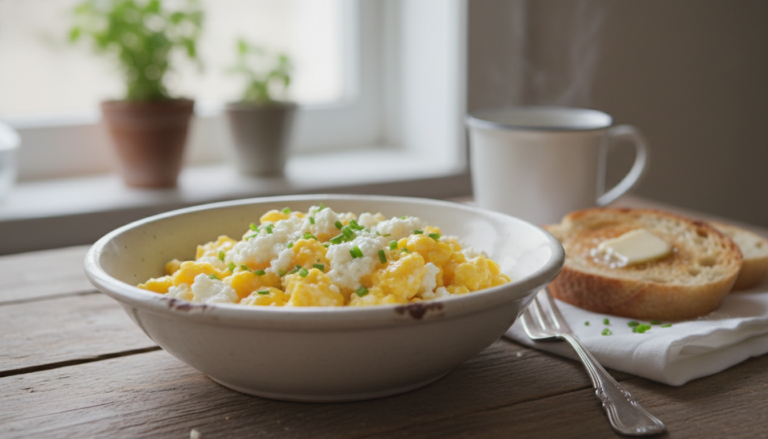
Cottage Cheese Scrambled Eggs
This cottage cheese scrambled eggs recipe delivers nearly double the protein of regular scrambled eggs while creating the creamiest texture that stays tender even after refrigeration and reheating.
2
servings5
minutes10
minutes210
kcalIngredients
4 large eggs
0.25 cup cottage cheese
2 tablespoons milk
1 tablespoon butter
to taste salt
to taste pepper
Directions
- Beat eggs thoroughly in a bowl.
- Stir in cottage cheese and milk until combined.
- Heat butter in a skillet over medium heat.
- Pour the egg mixture into the skillet.
- Gently stir and cook until soft curds form.
- Season with salt and pepper as desired.
Nutrition Facts
- Total number of serves: 4
- Calories: 210kcal
- Cholesterol: 0mg
- Sodium: 620mg
- Potassium: 400mg
- Sugar: 8g
- Protein: 6g
- Calcium: 60mg
- Iron: 2mg
About This Author

Benjamin Brown
Recipe Developer
Benjamin is our flavor engineer. A classically trained chef turned recipe developer, he’s obsessed with balancing taste, texture, and creativity. He ensures that every recipe we publish is not only delicious but also reliable, approachable, and repeatable — even for beginners.
Favorite dish: Slow-braised short ribs with red wine reduction.
Kitchen motto: “Cooking is part science, part soul.”