
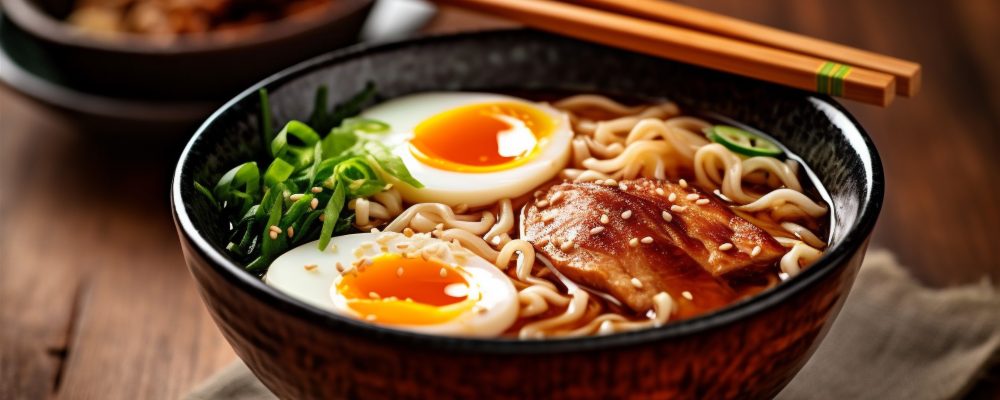

There is a meal that exists in some form in virtually every food culture that has ever developed a noodle tradition.
It is not a specific recipe. It is a format — a set of structural principles that have been independently arrived at by cooks working with completely different ingredients in completely different parts of the world, who discovered through the specific logic of what works that certain combinations of components produce a more satisfying result than any single component alone.
A starch that provides body and substance. A liquid that carries flavor and warmth. A protein that adds sustenance. Vegetables that provide texture and freshness. Aromatics and condiments that add depth and brightness and the specific seasoning that makes the whole thing taste like itself rather than like a generic combination of its parts.
This is the noodle bowl — not in the specific sense of any particular regional preparation, but in the universal sense of the format that produced ramen and pho and laksa and Korean guksu and Italian pasta in broth and the Sicilian pasta with sardines and the Chinese noodle soups of a dozen distinct regional traditions.
Each of these is a distinct dish with a distinct history and a distinct set of ingredients and techniques that cannot be simplified or interchanged without losing what makes them specific. But they share the structural logic of the format — and understanding that logic is what allows a cook to produce an excellent noodle bowl from almost any combination of ingredients on hand.
The Components and What Each One Does
The noodle bowl is built from components that each perform a specific function — and understanding what each component is doing is the prerequisite to being able to vary any of them without losing the structural integrity of the whole.
The noodle is the substrate — the starch that provides body, that gives the bowl its name and its primary textural character, that determines how the liquid is absorbed and how the other components relate to it. Different noodles behave differently in the same bowl. Rice noodles absorb liquid quickly and soften rapidly, requiring that the bowl be assembled close to the moment of eating. Egg noodles hold their texture longer and absorb liquid more slowly, making them more forgiving of the time between assembly and eating. Fresh noodles cook in seconds and are best when the broth is at a full boil and they are cooked in it directly. Dried noodles benefit from being cooked separately and added to the bowl at the last moment to prevent them from absorbing too much liquid and becoming soft.
The broth is the soul of the noodle bowl — the component that carries the most flavor and that determines the character of the entire dish. A good noodle bowl broth is not a background element. It is an ingredient that has been developed with as much care as any other component, that has depth and body and the specific flavor complexity that distinguishes a broth from seasoned water. The broth can be based on any liquid that has been developed into something flavorful — a proper stock from bones, a dashi from kombu and katsuobushi, a vegetable broth built from roasted aromatics, a coconut milk-based curry, or the braising liquid from a previous preparation that has been strained and adjusted.
The protein provides sustenance and the specific flavor character that defines many noodle bowl traditions. Poached or soft-boiled eggs add richness and a specific creaminess from the yolk. Braised meat — pulled from a long-cooked preparation and placed on top of the noodles — adds depth and substance. Quickly cooked protein — shrimp or fish or thinly sliced beef — adds freshness and the specific texture of something cooked at the last moment.
The vegetables provide textural contrast — the crunch or the fresh bite that prevents the noodle bowl from becoming monotonously soft. Bean sprouts, sliced scallions, raw cucumber, quick-pickled vegetables, blanched bok choy — each of these is a different kind of texture that interacts differently with the soft noodle and the liquid broth.
And the condiments and aromatics are what make the bowl personal — the chile oil, the fish sauce, the sesame paste, the squeeze of lime, the fresh herb — the additions that each eater makes at the table to calibrate the bowl to their own taste.
The Broth That Makes the Bowl
Of all the components of a noodle bowl, the broth is the one that most rewards investment and most severely punishes neglect.
The noodle bowl made from excellent broth tastes like something. The noodle bowl made from poor broth tastes like noodles in warm water with things in it.
The investment in broth does not require hours of active cooking — it requires planning. The bones that are collected over weeks in the freezer and simmered on a Sunday when the kitchen is occupied anyway. The dashi that takes thirty minutes to make and produces something with more flavor per cup than anything available in a can or a carton. The vegetable broth built from the accumulated trimmings of the week’s cooking, simmered and strained and reduced slightly to concentrate.
But for the weeknight noodle bowl made without advance preparation, there is a technique worth knowing that produces a noticeably better result from store-bought stock than using it straight from the carton.
Aromatic infusion: bring the stock to a simmer with a piece of ginger, a smashed clove of garlic, a few whole peppercorns, and whatever aromatics match the flavor direction of the bowl. Simmer for twenty minutes. Strain. Season with soy sauce or fish sauce or miso or salt depending on the flavor profile. Finish with a small amount of sesame oil or chili oil.
The result is not a proper stock. But it is a broth with character — with specific flavors that give the bowl a point of view — that the same stock used straight from the carton would not provide.
The Regional Traditions Worth Knowing
Understanding the specific noodle bowl traditions that have been most developed in different food cultures gives the home cook both inspiration and a set of models to work from — not as recipes to be followed exactly, but as demonstrations of how the format can be executed with depth and specificity.
The Japanese ramen — in its four primary regional styles, shoyu, shio, miso, and tonkotsu — demonstrates the extraordinary range of flavor that the noodle bowl format can accommodate within a single national tradition. Each style uses the same basic format with a different broth character: the clear, soy-seasoned shoyu broth of Tokyo; the pale, salt-seasoned shio broth of Hakodate; the rich, fermented soybean paste miso broth of Sapporo; the opaque, collagen-rich pork bone tonkotsu broth of Fukuoka. Each produces a completely different flavor experience within the same structural format.
The Vietnamese pho — built on a clear beef or chicken broth perfumed with charred ginger and onion and the specific combination of spices (star anise, cloves, cinnamon, coriander seeds) that gives pho its unmistakable character — demonstrates how aromatics can transform a simple broth into something with an instantly recognizable identity. The specific charring of the aromatics before they go into the broth is the technique that distinguishes pho from any other beef broth preparation — it adds a smoky depth and a caramelized sweetness that raw aromatics don’t provide.
The Malaysian laksa — in its two primary forms, the curry laksa of Kuala Lumpur with its coconut milk-enriched curry broth and the asam laksa of Penang with its tamarind-soured fish broth — demonstrates how the noodle bowl format accommodates flavor profiles that have nothing in common with each other. Both are laksa. Both use rice noodles and a combination of cooked and fresh toppings. The broths could not be more different.
The Home Noodle Bowl as an Improvisational Practice
The understanding of the noodle bowl as a format rather than a recipe is what enables the home cook to produce an excellent lunch from whatever is in the refrigerator on a Tuesday without following any specific instructions.
The practice begins with the broth — with whatever liquid is available that can be made to taste like something. The leftover braising liquid from the weekend’s cooking, thinned with water and seasoned. The stock in the freezer, infused with aromatics and seasoned to a specific flavor profile. The miso dissolved in hot water with a piece of kombu steeped for five minutes and then removed.
The noodle is whatever noodle is in the pantry — rice noodles, soba, ramen noodles, spaghetti if nothing else is available, udon, egg noodles. Each produces a different result. All of them work.
The protein is whatever is in the refrigerator that can be made ready quickly — leftover chicken pulled from the bone and placed in the bowl, an egg soft-boiled in six minutes, tofu sliced and pan-fried until golden, shrimp cooked in the broth for three minutes, canned fish added at the last moment.
The vegetables are whatever is fresh and ready — scallions sliced thin, cucumbers cut into matchsticks, bean sprouts from the refrigerator, blanched spinach, shredded cabbage.
And the condiments are whatever provides the specific brightness and depth that the bowl needs to taste finished rather than assembled — the chile oil, the sesame, the fish sauce, the rice vinegar, the lime.
The bowl that emerges from this improvisational practice is not a specific regional preparation. It is something else — a personal noodle bowl, built from the specific ingredients available in this kitchen on this day, calibrated to the specific tastes of the person making it.
It is, in many ways, more honest than any recipe — because it reflects exactly what was there and exactly what was wanted, without any mediation.
The Toppings That Make It Personal
The toppings that each person adds to their noodle bowl at the table are not a courtesy or a presentation element. They are the mechanism by which the bowl becomes personal rather than generic — by which each eater takes the bowl that was assembled in the kitchen and makes it specifically their own.
The person who adds a lot of chile oil and a lot of fish sauce is building a different flavor experience than the person who adds a squeeze of lime and a small amount of sesame. Both are eating the same base bowl. They are not eating the same bowl.
This personalization is one of the qualities that makes the noodle bowl such a successful social meal format — a single large pot of broth, a large pile of cooked noodles, and an array of toppings produces a meal that can accommodate an enormous range of preferences without requiring separate preparations. The person who doesn’t eat meat finds protein in the egg. The person who wants more heat adds chile oil. The person who prefers brightness adds more lime. The child who won’t eat anything complicated accepts plain noodles in broth with a soft-boiled egg.
The noodle bowl is the most democratic meal format in any food culture precisely because it accommodates everyone through the mechanism of personalization at the table.
The Takeaway
The noodle bowl is one of the most satisfying and most versatile meal formats available to any home cook — a structure that accommodates almost any combination of ingredients, that produces an excellent result from modest components when the broth is good, and that rewards both careful preparation and spontaneous improvisation with equal generosity.
Build the broth with intention. Choose the noodle that matches the bowl’s flavor profile. Add the protein that provides sustenance and the vegetables that provide contrast. Put the condiments on the table and let each person finish their own bowl.
The noodle bowl is not a recipe. It is a practice — one that produces something genuinely excellent every time the format is understood and the components are treated with appropriate care.
And it is, reliably, one of the best lunches available in any season.














