
There is a conversation about food spending that almost always goes in the wrong direction.
It focuses on the total grocery bill — on whether food is expensive or affordable, on whether eating well requires a premium budget or can be done economically. These are real questions with real implications for real people, and they deserve honest answers.
But there is a more specific and more practically useful question embedded within the general one — a question that the overall budget conversation consistently obscures.
Not: is good food expensive?
But: which specific ingredients repay a higher investment, and which ones don’t?
Because the answer to the second question is not uniform. Some ingredients produce a dramatically better result when the better version is purchased. Others produce a negligible difference regardless of what is spent on them. The cook who understands which is which can make decisions that improve the quality of their cooking significantly — without necessarily spending more overall, because the savings on ingredients where quality doesn’t matter can fund the investment in ingredients where it does.
The Rule That Governs the Decision
Before examining specific ingredients, there is a principle that governs the decision about where to spend more.
The fewer the ingredients in a dish, the more each individual ingredient matters.
A dish with three components — a simple pasta with olive oil, garlic, and Parmesan — is a direct showcase for the quality of each of those three things. The olive oil is not hidden behind fifteen other flavors. It is present and prominent and the gap between a mediocre olive oil and a genuinely good one is immediately perceptible.
A dish with twenty components — a long-cooked braise with multiple aromatics, wine, stock, and varied seasonings — distributes the flavor contribution of any individual ingredient across a much wider field. The gap between a mediocre canned tomato and a genuinely excellent one matters in a dish where tomato is the primary flavor. It matters significantly less in a dish where it is one element among many.
This principle — quality matters most where exposure is greatest — is the governing logic for decisions about where to invest in better ingredients. The ingredients used in large quantities in simple preparations are the ones where the investment pays the greatest dividends. The ingredients used in small quantities in complex preparations are the ones where saving money is least costly.
Olive Oil: The Ingredient That Makes the Largest Difference
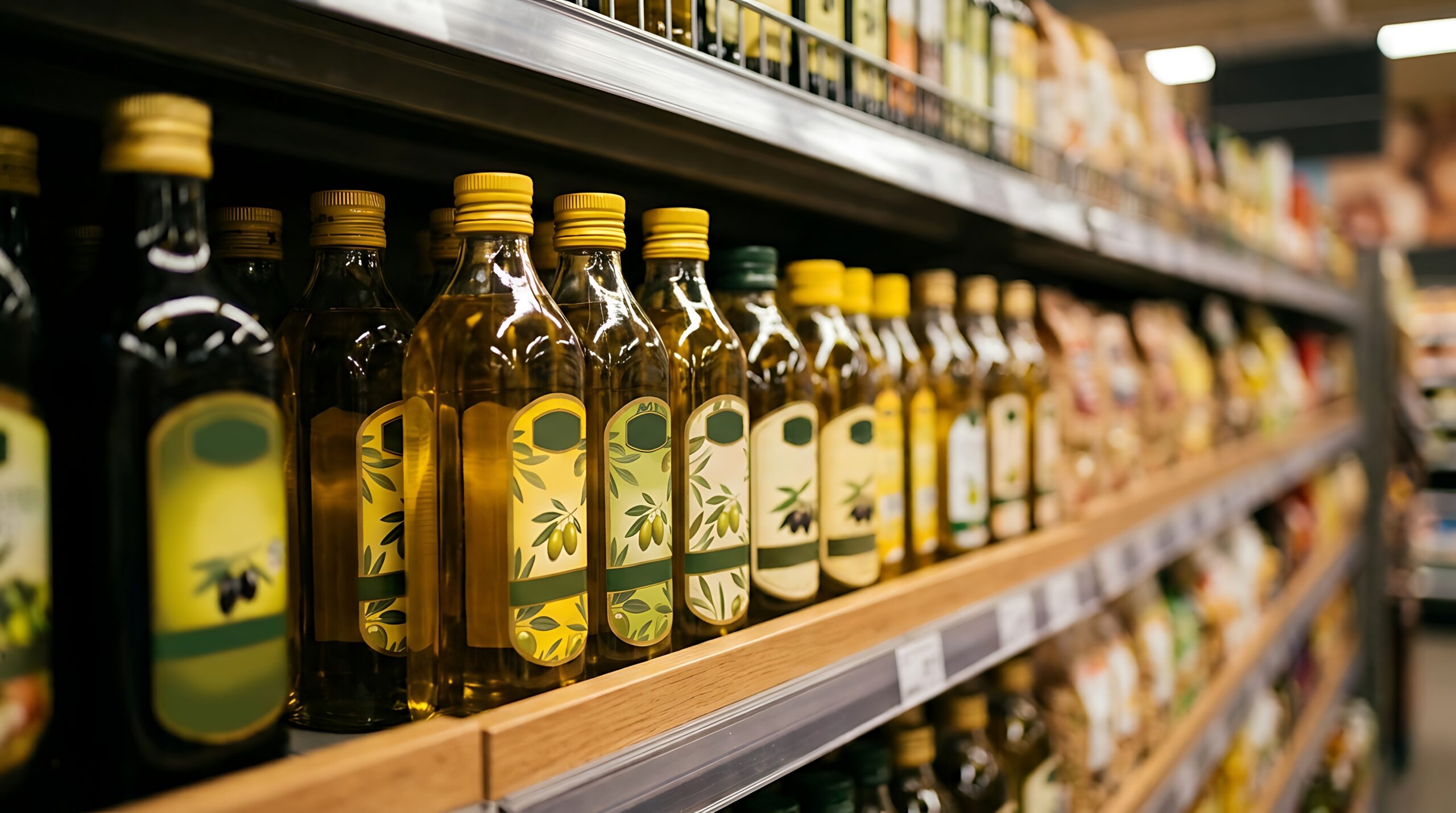
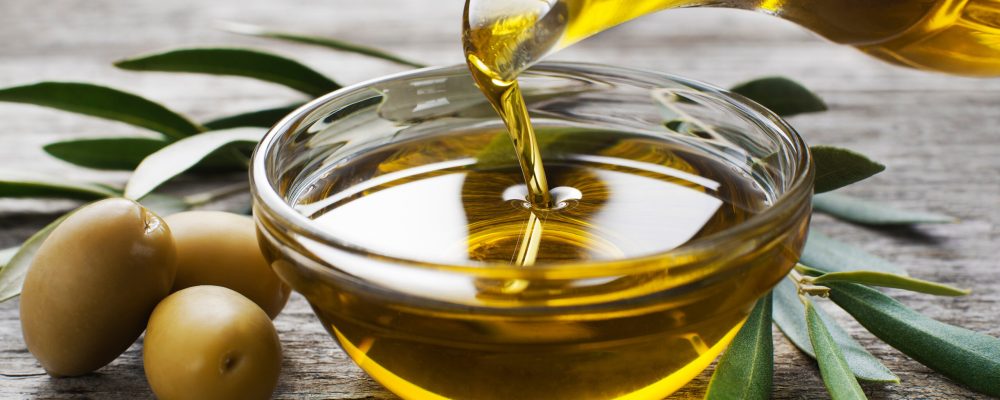
Of all the ingredients where quality produces a disproportionate impact on flavor, olive oil is probably the most significant for the widest range of cooking.
The gap between an ordinary supermarket olive oil — often old, often blended from oils of multiple origins, often of genuinely low quality — and a genuinely excellent extra virgin olive oil from a single producer is not subtle. It is the difference between a fat with a mild, unremarkable flavor and an ingredient with a distinct, vivid character — grassy or peppery or fruity depending on the variety and origin — that carries that character into everything it touches.
The specific compounds responsible for the flavor and health benefits of good olive oil — polyphenols, oleocanthal, and the other antioxidant compounds that distinguish extra virgin from refined olive oil — degrade with time and with exposure to heat and light. An oil pressed from this year’s harvest and stored in a dark bottle is a completely different product from an oil pressed two years ago and stored in a clear bottle on a grocery shelf. The former is vivid and alive. The latter is flat and neutral.
Using good olive oil as a finishing oil — drizzled over a finished dish rather than used for high-heat cooking — showcases its flavor most effectively. The pasta that is finished with a pour of good olive oil. The soup that gets a drizzle before serving. The bread that is torn and dipped. In each of these applications, the character of the oil is the primary flavor experience, and the quality of that experience is entirely dependent on the quality of the oil.
The investment in genuinely good olive oil — purchased from a reputable source, with a recent harvest date, stored properly — is probably the single highest-return ingredient investment available to any home cook who uses olive oil regularly.
Salt: The Ingredient That Costs Very Little to Do Well
Salt is the one ingredient that appears in almost every savory dish — and one of the ingredients where the choice matters more than most home cooks realize, but where the investment required is surprisingly modest.
The specific problem with most table salt — the fine, iodized salt that comes in the cylindrical container — is not that it tastes bad but that it is extraordinarily difficult to use with appropriate control. Its fine grain packs densely into measuring spoons and fingers, making it easy to over-season without realizing it, and the iodine added to most table salt for nutritional purposes has a slight flavor of its own that affects the taste of finished food.
Kosher salt — the coarse, uniodized salt that professional kitchens use almost universally — solves both problems. Its larger, irregular crystals are easy to feel between the fingers, providing the tactile feedback that makes seasoning by touch rather than measurement possible. It dissolves readily into food and liquid. It has no flavor of its own beyond pure salinity.
The cost difference between table salt and kosher salt is negligible. The difference in control that kosher salt provides is immediate and significant.
For finishing — the salt applied to a finished dish immediately before serving — a flaky sea salt like Maldon provides a different experience entirely. Its delicate, brittle flakes provide texture as well as seasoning — a slight crunch and a clean, immediate salinity that distributes unevenly across the surface of food in a way that produces bursts of saltiness rather than uniform seasoning. Used sparingly, on the right dish, finishing salt is one of the most transformative small investments in any kitchen.
Parmesan: The Ingredient Most Often Counterfeited
Parmigiano-Reggiano — the genuine article, produced in a specific region of northern Italy under strict regulations that govern everything from the diet of the cows to the aging of the wheels — is one of the most counterfeited and most misrepresented food products in the world.
The specific problem is that the name “Parmesan” is not protected outside of Europe — meaning that any manufacturer anywhere can label a product “Parmesan” regardless of how it was made, where it was made, or how it relates to the actual cheese. The result is a range of products sold as Parmesan that range from acceptable approximations to products that contain anti-caking agents, vegetable cellulose, and other additives that have nothing to do with aged cow’s milk cheese.
The genuine Parmigiano-Reggiano — identifiable by the specific pin-dot pattern on the rind that is the official mark of the consortium — is a completely different product. Its flavor is complex, nutty, savory, and deeply umami-rich in ways that no industrial approximation replicates. Its texture includes the crystalline crunch of tyrosine crystals that form during the minimum twelve months of aging. And its behavior when cooked — the way it melts into pasta, how it enriches a sauce, the depth it adds to a risotto — reflects a protein and fat structure that only genuine aging produces.
The investment in genuine Parmigiano-Reggiano — used in smaller quantities than the industrial alternative, because its flavor is more concentrated and more complex — is one that pays for itself in the quality it adds to every dish it enters.
Vanilla: The Flavoring Worth Taking Seriously
Vanilla is used in more baked goods and desserts than almost any other flavoring — and the gap between genuine vanilla extract from actual vanilla beans and the artificial vanillin that flavors most commercial baking products is one of the largest quality gaps in any common ingredient.
Genuine vanilla extract contains hundreds of flavor compounds — the specific mixture of aldehydes, phenols, and other aromatic molecules that makes real vanilla flavor so complex and satisfying. Artificial vanilla contains primarily vanillin — the primary flavor compound of vanilla — synthesized from guaiacol or from lignin, a byproduct of the paper industry. Vanillin alone produces something recognizable as vanilla-adjacent. It does not produce anything close to the complex depth of genuine vanilla.
The specific applications where real vanilla matters most are the ones where vanilla is the primary or most prominent flavor: vanilla ice cream, vanilla custard, vanilla pound cake, vanilla buttercream. In a complex spice cake or a dark chocolate preparation, the vanilla is a supporting flavor and the quality of the vanilla matters less. In a simple vanilla preparation, it is everything.
The investment in genuine vanilla extract — or in vanilla beans themselves, which can be used directly and whose spent pods can be buried in sugar to produce vanilla sugar — is one of the more significant flavor investments available in baking.
Butter: The Dairy Fat That Carries Flavor
Butter is the most used fat in European-tradition cooking and baking — and the quality variation within the butter category is significant enough that it is worth understanding before assuming that all butter is equivalent.
The primary quality variables in butter are fat content, culture, and sourcing. European-style butters — made with higher fat content (typically 82-84 percent compared to the standard American 80 percent) and often from cultured cream — have a richer, more complex flavor than standard American butters. The higher fat content produces a more tender, more flaky result in pastry. The cultured character adds a slight tanginess that is particularly evident in preparations where butter is the primary flavor — a simple butter sauce, a compound butter served on a steak, the butter layer in a croissant.
Grass-fed butter — from cows that have grazed on pasture rather than eating primarily grain — has a more complex flavor than grain-fed butter, a deeper yellow color from the higher beta-carotene content of grass-fed milk, and a different fatty acid profile that many cooks find preferable for flavor.
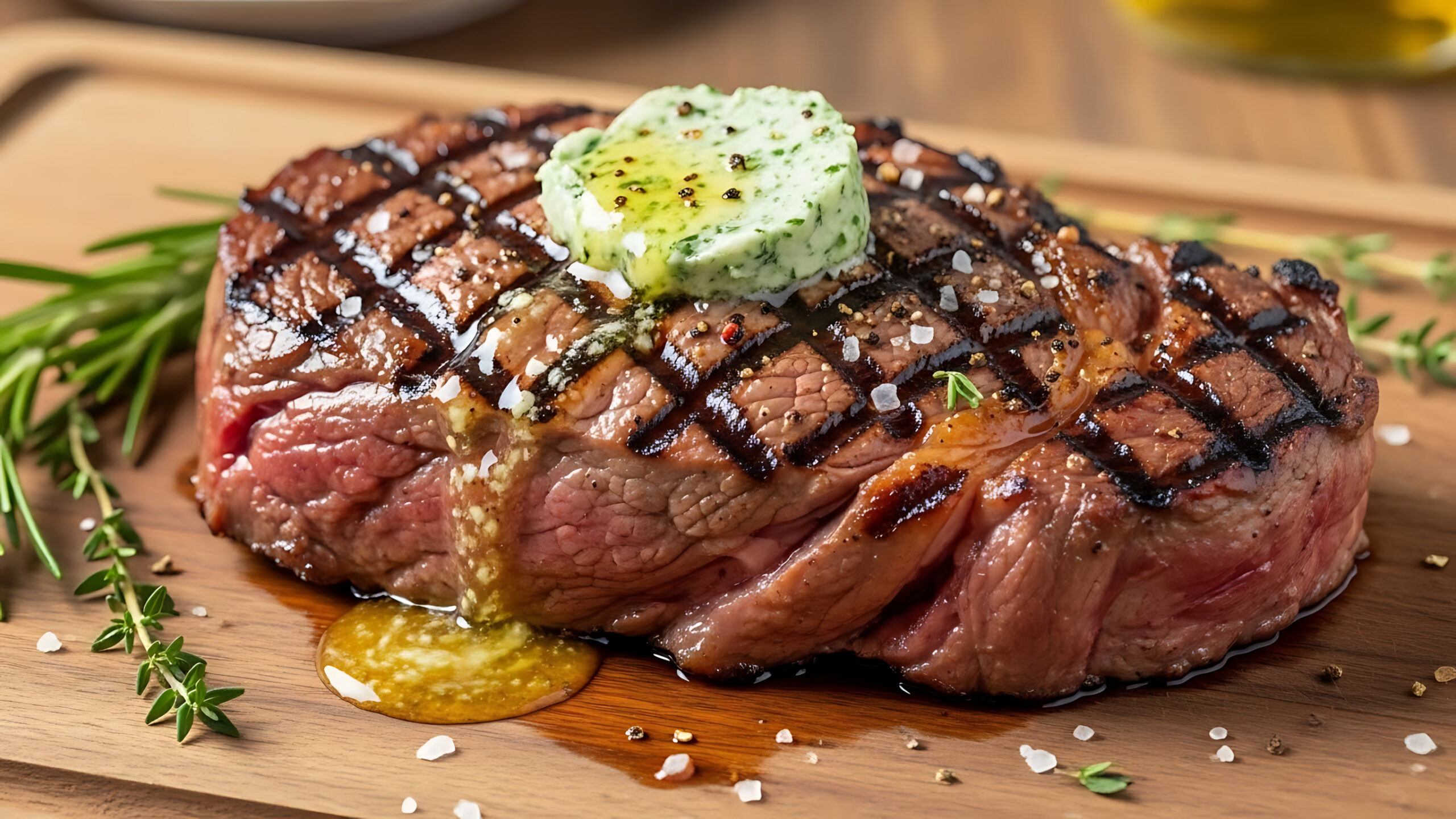
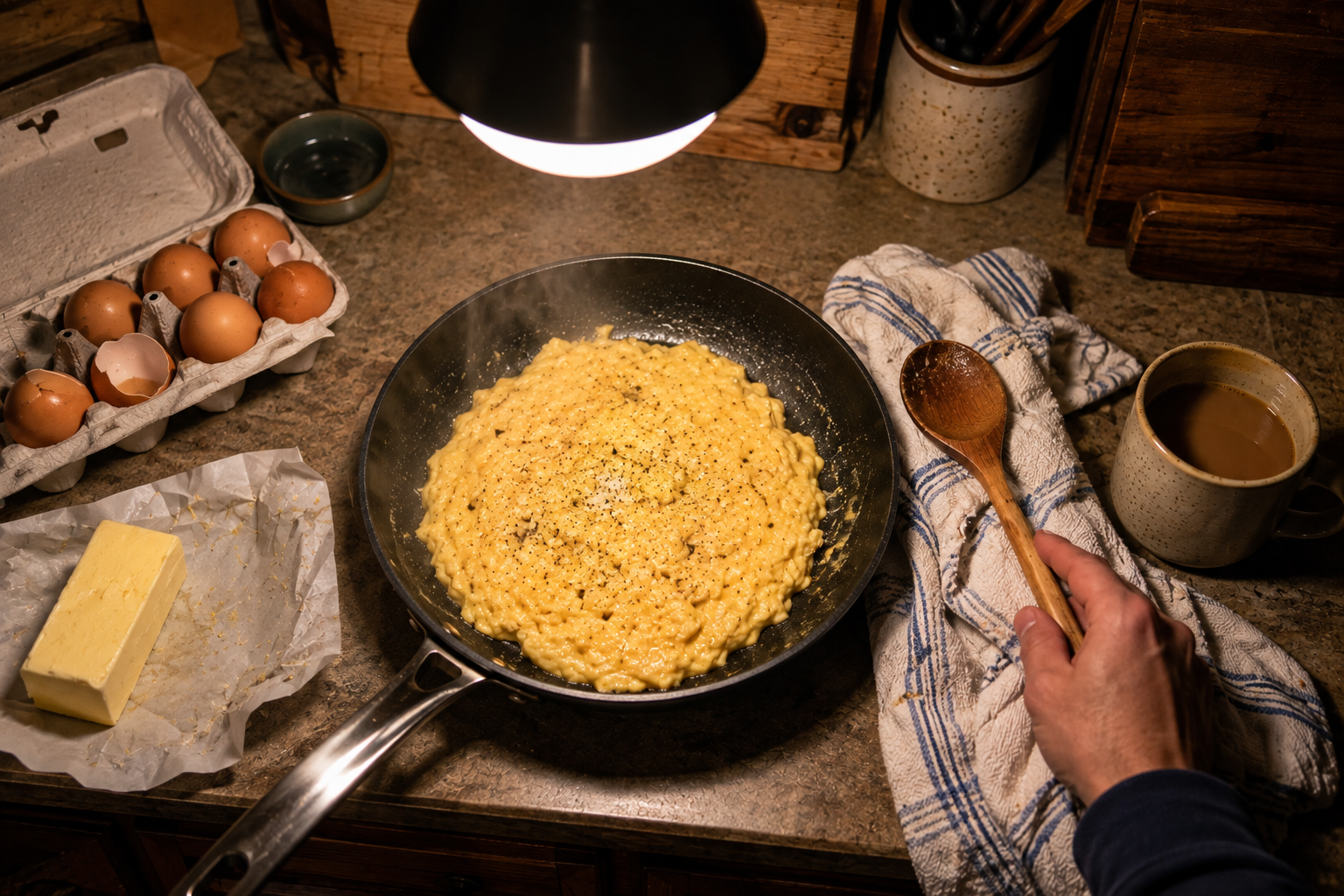
The investment in better butter matters most, as the general principle suggests, in preparations where butter is a primary rather than a supporting ingredient. The compound butter on the finished steak. The simple beurre blanc sauce where butter is everything. The shortbread where butter is the dominant flavor of the finished cookie. The croissant where butter’s flavor and fat content are the entire point.
The Takeaway
The decision to spend more on specific ingredients is not a luxury choice. It is a culinary strategy — one that produces the greatest return when applied to the ingredients that are most prominent in the simplest preparations.
Buy genuinely good olive oil and use it where its flavor will be tasted. Switch to kosher salt for cooking and finishing salt for the table. Invest in real Parmigiano-Reggiano and use less of it. Buy genuine vanilla extract for preparations where vanilla is the primary flavor. Choose European-style or grass-fed butter for preparations where butter is the point.
Save the money on the ingredients that will be hidden — the aromatics in a long braise, the salt in a bread dough, the oil used for high-heat cooking where its character will be destroyed.
The quality investment, made strategically, produces results that significantly exceed its cost.
That is the best kind of investment in any kitchen.