

There is a food culture in the United States that most Americans have never fully encountered.
Not the food of restaurants or grocery stores or the national chains that have made the same menu available in every city and every suburb and every highway exit from Maine to California. Not the food that appears in the national food media or gets celebrated in the James Beard Awards or becomes the subject of the trend pieces that declare one regional cuisine or another to be the next big thing.
The food of specific places. The cooking of specific communities in specific geographies with specific histories that produced dishes and ingredients and techniques that exist nowhere else — that are as tied to their place of origin as any wine or cheese with a protected designation, and that are as threatened by the homogenization of American food culture as any endangered species is threatened by habitat loss.
America has a regional food culture of extraordinary richness and diversity. Most of it is invisible to most Americans — not because it doesn’t exist but because the systems that move food into national consciousness consistently overlook it in favor of the familiar, the scalable, and the profitable.
The Appalachian Kitchen and What It Preserved
The food of Appalachia — the mountain region stretching from southern New York through Pennsylvania, West Virginia, Kentucky, Tennessee, Virginia, and into the Carolinas and Georgia — is one of the most misunderstood and most undervalued regional cuisines in the United States.
It is frequently dismissed as simple or poor — as the food of poverty rather than the food of a specific place with a specific culture and a specific set of ingredients refined over centuries. This dismissal misses almost everything important about what Appalachian cooking actually is.
The Appalachian kitchen preserved, in relative isolation, ingredients and techniques that had largely disappeared elsewhere by the twentieth century. The Cherokee and other indigenous food traditions of the region contributed ingredients and preparations — ramps, pawpaws, sorghum, specific varieties of beans and corn — that the European settlers who arrived in the eighteenth and nineteenth centuries incorporated into a hybrid cuisine that reflected both traditions.
Ramps — the wild leek that grows in the forest floor of Appalachian mountains in early spring — are perhaps the most emblematic Appalachian ingredient. Their season is brief, their flavor is intense, and their appearance in early spring after a long winter was historically an occasion for celebration — for the specific pleasure of the first fresh green thing after months of preserved and stored food. The ramp festivals that occur across Appalachia in April and May are among the oldest food celebrations in the American tradition, and the ramp itself — now fashionable in restaurants from New York to San Francisco — is an ingredient whose culinary value was preserved by Appalachian communities for centuries before anyone else paid attention.
The specific bean varieties of Appalachia — the October bean, the greasy bean, the cornfield bean — are heirloom cultivars maintained by gardeners and seed savers across the region for generations, each with a specific flavor and texture that commercial bean varieties don’t approach. They are cooked low and slow, often with a piece of pork for flavor, until completely tender and deeply savory in ways that require hours and patience and the specific knowledge of what these beans want.
The Gulf Coast and the Water That Made a Cuisine
The food of the Gulf Coast — stretching from the Florida Panhandle through Alabama, Mississippi, and Louisiana to Texas — is one of the most geographically specific regional cuisines in America, shaped at every point by proximity to the water and by the specific ecosystem of the Gulf of Mexico.
The Gulf produces ingredients that exist nowhere else in the combination and quality available here. Gulf brown shrimp — with a specific sweetness and a texture that Gulf water temperatures and salinity produce — are a different ingredient from the shrimp available from any other source. The blue crab of the Gulf, the oysters of specific bays and inlets whose flavors reflect their specific growing environments, the redfish and speckled trout and flounder of the inshore waters — each of these is a place-specific ingredient whose quality is inseparable from where it came from.
The Cajun and Creole cooking traditions of Louisiana are the most celebrated expressions of Gulf Coast cuisine — their French, Spanish, African, Native American, and German influences producing a flavor profile that is specific to south Louisiana in ways that no other regional cuisine quite captures. The Trinity — onion, celery, and bell pepper — that forms the aromatic base of Cajun cooking reflects the specific vegetable agriculture of the region. The filé powder — ground sassafras leaves — that thickens and flavors gumbo is a contribution of the Choctaw people of Louisiana. The specific fermentation of Tabasco sauce on Avery Island is a place-specific product of the Gulf Coast environment.
But the Gulf Coast food culture extends beyond Louisiana’s celebrated traditions into less-known territory. The specific oyster roast traditions of the Alabama and Mississippi Gulf shore. The Florida Panhandle’s smoked mullet and grouper traditions. The specific seafood preparations of Galveston and the Texas Gulf Coast. Each of these is a regional expression of a relationship with specific water and specific ingredients that the national food conversation rarely reaches.
The Great Plains and the Cooking of the Prairie
The food of the Great Plains — the vast interior of the country stretching from North Dakota through South Dakota, Nebraska, Kansas, and into Oklahoma — is perhaps the least celebrated regional cuisine in America, dismissed as bland and utilitarian in ways that reflect a misunderstanding of what the plains produced and what the people who lived there learned to cook.
The plains are bison country — or were, before the industrial slaughter of the nineteenth century nearly drove the species to extinction. The indigenous peoples of the plains — the Lakota, the Cheyenne, the Comanche, the Pawnee, and dozens of other nations — developed cuisines centered on bison that were sophisticated in their use of every part of the animal, in their preservation techniques, and in their combination of bison with the wild plants of the prairie.
Pemmican — the concentrated mixture of dried meat, rendered fat, and dried berries that was the primary preserved food of plains cultures — is not just a survival food. It is a nutritionally complete, calorie-dense preparation that reflects centuries of knowledge about how to extend the nutritional value of a seasonal abundance into a year-round food supply. The specific ratio of fat to protein to carbohydrate in traditional pemmican is, by modern nutritional standards, a remarkably balanced preparation.
The German and Scandinavian immigrant communities that settled the plains in the nineteenth century brought their own culinary traditions — the sausage-making of German settlers, the dairy traditions of Scandinavian communities, the specific baking traditions that produced the kuchen of the Dakotas and the kolache of the Czech communities of Nebraska and Kansas. These immigrant food traditions, grafted onto the plains landscape, produced a regional food culture that is specific to the place and the people even as it is largely invisible to the national food conversation.
The Low Country and the African Culinary Heritage
The Low Country of South Carolina and Georgia — the coastal plain of tidal marshes, barrier islands, and rice-growing territory that was the center of the American rice economy in the eighteenth and nineteenth centuries — has a food culture of extraordinary depth and a history that cannot be understood without confronting the specific history that produced it.
The cuisine of the Low Country is, in its foundations, an African cuisine — specifically the cuisine of the rice-growing regions of West Africa whose people were enslaved and brought to Carolina precisely because of their knowledge of rice cultivation. The specific techniques of rice growing in tidal conditions that made the Carolina rice economy possible were African techniques, brought by people who had refined them over centuries in the Senegambia region. The food culture that accompanied those techniques — the rice-centered cooking, the use of okra and field peas and specific green vegetables, the specific seasoning traditions — was African in origin and was maintained by the enslaved people of the Low Country through the same kind of cultural resilience that preserved language and music and religious practice under conditions of extreme oppression.
The dishes of Low Country cooking — red rice, Hoppin’ John, shrimp and grits, she-crab soup, the specific preparation of field peas and okra — are the products of this specific history, this specific landscape, and this specific cultural survival. Shrimp and grits, now present on restaurant menus across the country, originated as a simple breakfast preparation of Low Country fishermen — a dish of the most available and least expensive ingredients made into something satisfying by the specific culinary knowledge of a specific community in a specific place.
The Hawaiian Food Culture and the Multiplicity of Influence
The food culture of Hawaii — shaped by the indigenous Hawaiian culinary tradition, by the plantation labor cultures of Japanese, Chinese, Korean, Filipino, and Portuguese immigrants, and by the specific agricultural gifts of a volcanic archipelago in the middle of the Pacific — is one of the most genuinely multicultural regional food cultures in the world.
The indigenous Hawaiian food tradition centered on specific preparations of taro — the root plant that formed the foundation of Hawaiian agriculture for centuries. Poi — the fermented taro paste that is the most iconic Hawaiian preparation — is a living food, its flavor developing over days as fermentation progresses, its texture and sourness changing with time. It is also one of the most nutritionally complete traditional foods in any Pacific culture, providing carbohydrates, minerals, and the specific compounds that taro’s distinctive purple-gray starch produces.
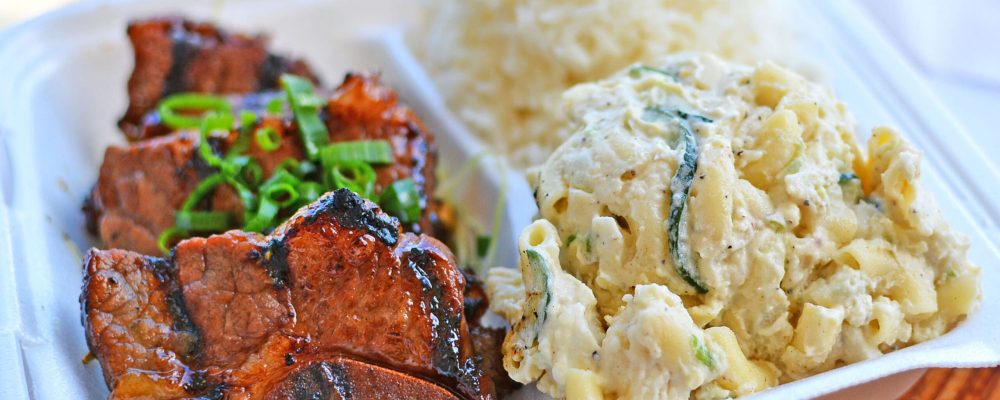
The plate lunch — the quintessential contemporary Hawaiian meal, combining two scoops of white rice, macaroni salad, and a protein preparation of varied cultural origin — is a direct product of the plantation labor culture of the nineteenth and early twentieth centuries. The specific combination reflects the food that the multiethnic workforce of the Hawaiian sugar and pineapple plantations ate — the rice of the Japanese and Chinese workers, the macaroni salad of the Portuguese and American components of the labor force, the proteins that reflected the specific culinary traditions of each ethnic group.
Spam’s specific place in Hawaiian cuisine — a love that is genuine and not ironic — reflects the history of World War II and the military presence that brought canned meat to the islands at a time when fresh protein was scarce. What began as wartime necessity became cultural preference, incorporated into preparations like Spam musubi that are now among the most iconic Hawaiian foods.
The Takeaway
American regional food culture is not a thing of the past — a set of traditions that globalization and industrialization have rendered obsolete. It is alive, specific, and worth seeking out in the places where it persists.
The ramps of Appalachian spring. The Gulf oyster that tastes like its specific bay. The Low Country rice dish that carries the history of African culinary knowledge in its preparation. The Hawaiian plate lunch that is a document of plantation labor and multicultural encounter.
These foods tell stories that the national food conversation rarely tells. They represent a richness and a diversity of American food culture that the familiar consensus of the American food mainstream consistently obscures.
Seek them out. Learn their histories. Eat them in the places that produced them, from the people who carry the knowledge that made them.
The food of specific places is the most interesting food there is.














