
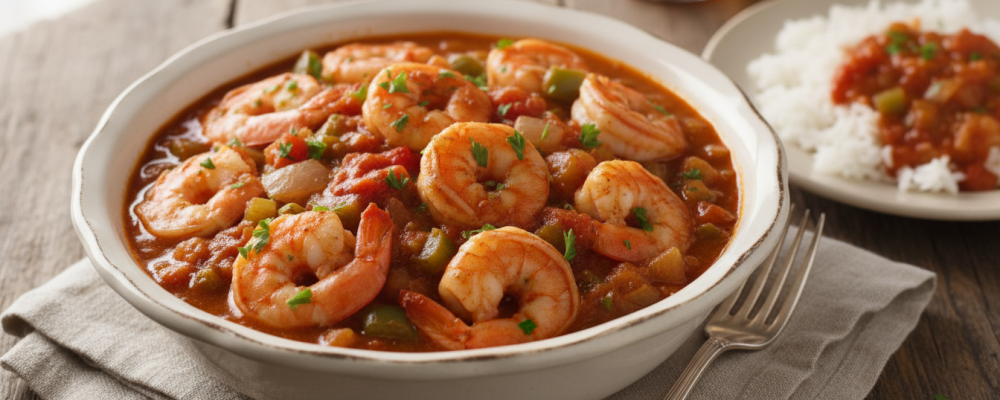

There are dishes that carry an entire culinary tradition in a single bowl, and Shrimp Creole is one of the most vivid expressions of that idea in American regional cooking. Bold, aromatic, deeply spiced, and built on the holy trinity of Louisiana cooking—onion, bell pepper, and celery—this is a dish that announces itself the moment the vegetables hit the hot oil and the kitchen fills with that unmistakable Creole aroma. Served over a mound of fluffy white rice that soaks up every drop of that rich, tomato-based sauce, it’s one of the most satisfying and genuinely exciting weeknight dinners in the American comfort food canon.
From a recipe development standpoint, what I find most compelling about Shrimp Creole is the precision required to execute it well. The holy trinity, cooked properly until completely softened before any liquid is added, creates an aromatic foundation that defines the character of the entire sauce. The layering of Cajun seasoning, Worcestershire, and hot sauce builds a complexity that tastes like it took hours of simmering when in reality the sauce comes together in under twenty minutes. And the shrimp—added only in the final four to five minutes—cook gently in that incredible sauce just long enough to become tender and pink without crossing into the rubbery, overcooked territory that plagues less careful versions of this dish.
Timing and technique matter here in the most rewarding way. Get them right and you have something genuinely extraordinary.
The Inspiration Behind This Recipe
This recipe was inspired by a deep respect for the Louisiana Creole culinary tradition—one of the most distinctive, historically rich, and genuinely exciting regional food cultures in the United States. Creole cooking represents one of the most remarkable culinary syntheses in American history: a cuisine born from the intersection of French, Spanish, African, Native American, and Caribbean culinary traditions in the unique cultural melting pot of New Orleans and the surrounding Louisiana parishes.
Shrimp Creole is one of the great classic expressions of that tradition—a dish that has been feeding New Orleans families and restaurant tables for generations with its bold tomato sauce, generous seasoning, and the Gulf shrimp that have always defined Louisiana seafood cooking. It’s a recipe that feels simultaneously deeply rooted in history and completely alive and relevant today, which is the hallmark of any truly great regional dish.
The desire to bring this recipe to a wider audience while honoring its authentic flavor profile and technique was the driving force behind this version—a faithful, deeply respectful rendition of a Louisiana classic that deserves to be on dinner tables far beyond the Gulf Coast.
A Brief History of Shrimp Creole and Louisiana Creole Cooking
Louisiana Creole cuisine has its origins in the complex colonial history of New Orleans, founded by the French in 1718 and subsequently transferred to Spanish control before becoming part of the United States in the Louisiana Purchase of 1803. This succession of colonial influences, combined with the profound impact of African culinary traditions brought by enslaved people and the indigenous foodways of the region’s Native American populations, created a culinary culture of extraordinary diversity and depth.
Shrimp Creole specifically represents the French-influenced side of Louisiana cooking—distinguished from Cajun cuisine by its use of tomatoes, its more refined sauce technique, and its traditional association with the Creole population of New Orleans proper rather than the rural Cajun communities of the Louisiana countryside. The dish became a staple of New Orleans home cooking and restaurant menus throughout the nineteenth and twentieth centuries, celebrated for the way it showcases the exceptional Gulf shrimp that have always been at the heart of Louisiana seafood culture.
The holy trinity—onion, bell pepper, and celery—is the foundational aromatic base that appears in virtually every classic Louisiana dish and represents one of the most distinctive and beloved flavor signatures in American regional cooking.
Why This Cooking Method Works
The sequencing of this recipe is deliberate and important at every stage. Starting with the holy trinity cooked in olive oil until genuinely softened—not just warmed—is the foundational step that develops the sweet, deeply aromatic base that defines Creole cooking. Rushing the vegetables produces a raw, harsh flavor that no amount of additional seasoning can correct. Given the full five minutes they need, they transform into something fragrant, slightly sweet, and deeply flavorful.
Building the sauce in stages—tomato paste and diced tomatoes first, then Worcestershire and hot sauce for depth and heat, then broth to extend the sauce to the right consistency—allows each element to integrate before the next is added, producing a sauce with genuine layered complexity rather than a flat, all-at-once flavor dump.
The shrimp are the final addition and require the most careful attention. Four to five minutes in the hot sauce is exactly right—enough to cook through completely and absorb the surrounding flavors, not enough to toughen. Watching for the pink color change and the characteristic curl is the visual cue that signals perfect doneness every time.
Flavor Profile: What to Expect
Shrimp Creole delivers a bold, layered, deeply satisfying flavor experience that is unmistakably, gloriously Louisiana:
Sweet, deeply aromatic holy trinity—onion, bell pepper, and celery—that forms the fragrant backbone of the entire sauce and provides a characteristic Creole sweetness in every bite
Rich, slightly acidic tomato base that gives the sauce its body, its deep red color, and the concentrated tomato depth that makes it so deeply satisfying
Worcestershire sauce adding a savory, slightly smoky umami depth that rounds out the tomato acidity and adds a complexity that’s difficult to identify but impossible to miss
Building heat from the hot sauce and Cajun seasoning that arrives gradually and lingers warmly without overwhelming the delicate sweetness of the shrimp
Tender, perfectly cooked Gulf shrimp that absorb the surrounding sauce and deliver a sweet, briny seafood character that’s the star of every single bite
Fresh parsley that adds a clean, green brightness at the very end that lifts the richness of the sauce and provides a fresh, herbal finish
Fluffy white rice that soaks up the bold, spiced tomato sauce and transforms every serving into a deeply complete and satisfying meal
Tips for Making the Best Shrimp Creole
Attention to detail at each stage produces a genuinely exceptional result:
Cook the holy trinity properly: The full five minutes of cooking the onion, bell pepper, and celery until genuinely softened is non-negotiable. This is where the foundational sweetness and depth of the dish is created.
Add the tomato paste before the canned tomatoes: Cooking the tomato paste in the hot pan for a minute before adding the diced tomatoes caramelizes its natural sugars and deepens its flavor significantly—a small step that produces a noticeably richer, more complex sauce.
Layer the heat carefully: Start with the specified amount of hot sauce and Cajun seasoning, taste after the sauce has simmered, and adjust upward from there. It’s easy to add more heat but impossible to take it away.
Don’t overcook the shrimp: This is the single most common mistake in shrimp dishes of any kind. Add the shrimp last, watch them carefully, and pull the pan off the heat the moment they’re pink and curled. Overcooked shrimp are tough and rubbery—perfectly cooked shrimp are tender, sweet, and succulent.
Use the largest shrimp you can find: Larger shrimp have more presence in the sauce, cook more evenly, and provide a more satisfying bite. Jumbo or extra-large are ideal for this recipe.
Season the rice: Plain unsalted rice is a missed opportunity here. Cooking the rice in lightly salted water with a bay leaf adds a subtle flavor that makes the entire dish more cohesive.
Serving Suggestions and Side Pairings
Shrimp Creole is traditionally and most satisfyingly served over white rice, but a few additional accompaniments complete the Louisiana dining experience beautifully:
Warm, crusty French bread for mopping up every drop of the incredible tomato Creole sauce from the bowl
A simple green salad with a light lemon vinaigrette to provide fresh contrast to the richness of the sauce
Cornbread alongside for a deeply Southern pairing that leans into the Louisiana comfort food character of the dish
Steamed okra or roasted green beans for a vegetable side that complements the Cajun-Creole flavors naturally
A cold potato salad in the Louisiana tradition—served alongside rather than on the side—for a classic New Orleans-style accompaniment
Storage, Reheating, and Make-Ahead Tips
This dish requires some care around the shrimp component for the best storage results.
Refrigerate the sauce and shrimp together in an airtight container for up to 2 days—shrimp is most delicious fresh, so consume promptly for the best quality and texture.
For meal prep, make the Creole sauce base up to 3 days in advance and refrigerate without the shrimp. Add fresh shrimp and cook for four to five minutes when reheating for a just-cooked result every time.
Reheat the sauce gently on the stovetop over medium-low heat with a splash of chicken broth to restore the right consistency before adding fresh shrimp.
The sauce base freezes beautifully for up to 3 months without the shrimp—thaw overnight in the refrigerator and add fresh shrimp at serving time for the best possible result.
Why This Recipe Deserves a Spot in Your Rotation
Shrimp Creole deserves a permanent, enthusiastically claimed place in your weeknight recipe rotation because it delivers one of the most exciting, most flavorful, most deeply satisfying dinner experiences in American regional cooking in under thirty minutes. It’s a dish that connects you to one of the great culinary traditions in the country while being entirely practical and achievable on any given weeknight. Bold, vibrant, deeply spiced, and served over rice that soaks up every drop of that incredible sauce—this is the kind of cooking that makes people genuinely excited about what’s for dinner.
Once you’ve made it, it becomes the dish you reach for every time you want something that feels special, tastes extraordinary, and reminds you why regional American cooking is worth celebrating and preserving.
Recommended Drink Pairing
The bold, spiced, tomato-forward character of Shrimp Creole calls for a drink that provides refreshing contrast to its heat while complementing its deep, savory complexity. A crisp, cold Abita Amber or any quality amber lager is the most authentically Louisiana pairing—the malty sweetness and moderate carbonation cutting through the spice and richness beautifully. For wine lovers, a chilled dry Rosé from Provence or a crisp Sauvignon Blanc provides the acidity and freshness needed to balance the bold Cajun and tomato flavors without competing with them.
For non-alcoholic options, a sparkling lemonade with a pinch of cayenne, a chilled sweet tea with lemon, or a cucumber and mint sparkling water all provide the cool, refreshing contrast that the heat and bold spicing of this incredible dish genuinely calls for.
Shrimp Creole
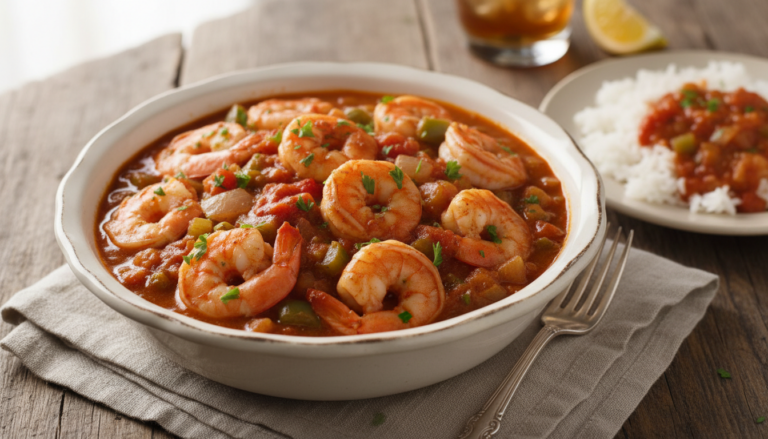
Plump shrimp in a bold, spiced Creole tomato sauce served over fluffy white rice—Louisiana comfort food at its most authentic and irresistible.
4
servings15
minutes30
minutes340
kcal45
minutesIngredients
1 pound shrimp, peeled and deveined
1 tablespoon olive oil
1 cup onion, chopped
1 cup green bell pepper, chopped
1 cup celery, chopped
2 cloves garlic, minced
1 can diced tomatoes
2 tablespoons tomato paste
1 teaspoon Worcestershire sauce
1 teaspoon hot sauce
1 teaspoon salt
0.5 teaspoon black pepper
1 teaspoon cajun seasoning
0.5 cup chicken broth
2 tablespoons fresh parsley, chopped
2 cups cooked white rice
Directions
- Heat olive oil in a large skillet over medium heat.
- Add onion, green bell pepper, and celery; cook until softened, about 5 minutes.
- Stir in garlic and cook for an additional minute.
- Add diced tomatoes, tomato paste, Worcestershire sauce, hot sauce, salt, black pepper, and cajun seasoning.
- Simmer for 10 minutes, allowing flavors to meld together.
- Pour in chicken broth and simmer for another 5 minutes.
- Add shrimp to the sauce and cook until they turn pink, about 4-5 minutes.
- Stir in fresh parsley and adjust seasoning to taste.
- Serve shrimp creole hot over cooked white rice.
Nutrition Facts
- Total number of serves: 4
- Calories: 340kcal
- Cholesterol: 0mg
- Sodium: 620mg
- Potassium: 400mg
- Sugar: 8g
- Protein: 6g
- Calcium: 60mg
- Iron: 2mg
About This Author

Benjamin Brown
Recipe Developer
Recipe Developer
Benjamin is our flavor engineer. A classically trained chef turned recipe developer, he’s obsessed with balancing taste, texture, and creativity. He ensures that every recipe we publish is not only delicious but also reliable, approachable, and repeatable — even for beginners.
Favorite dish: Slow-braised short ribs with red wine reduction.
Kitchen motto: “Cooking is part science, part soul.”















