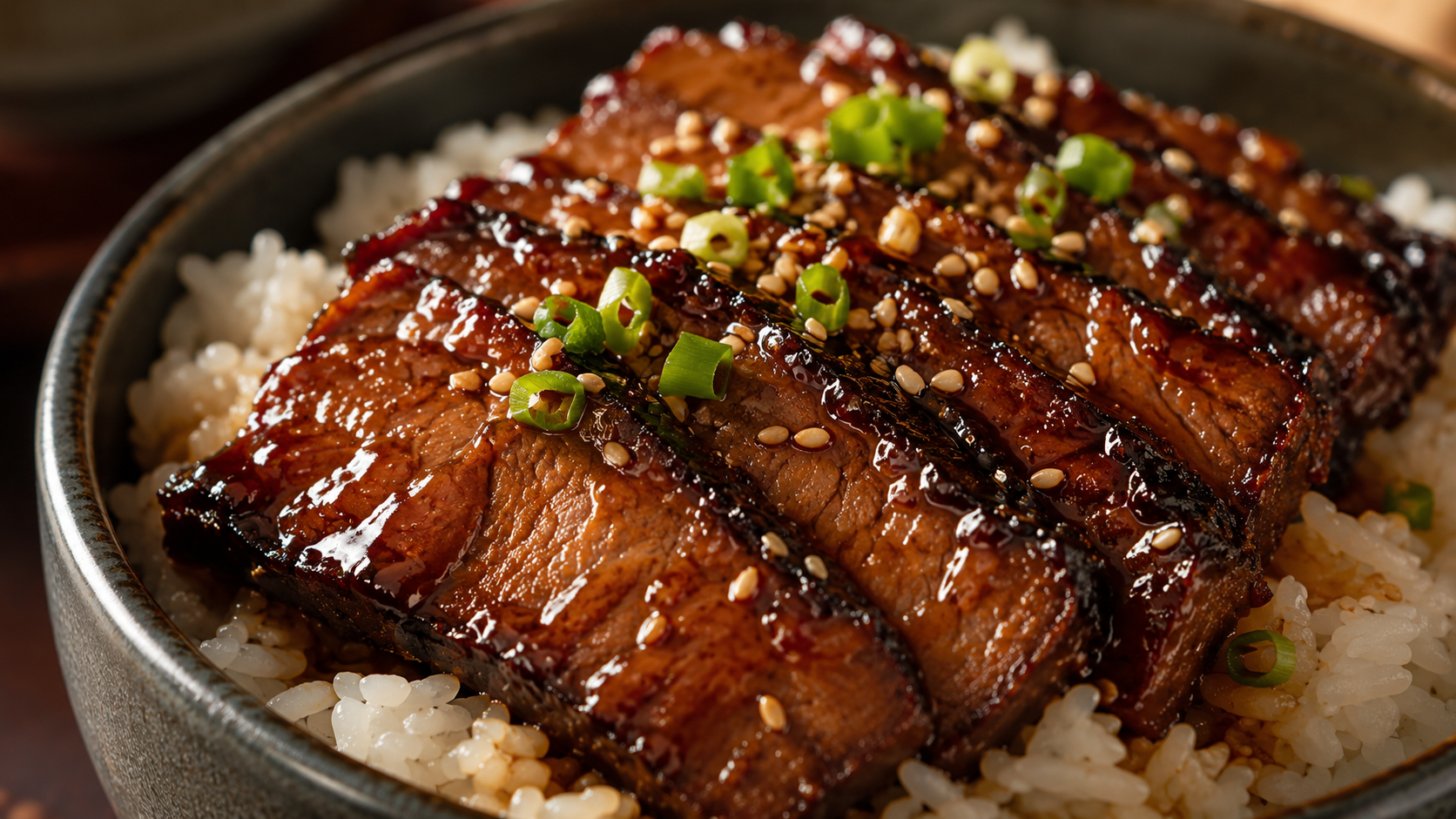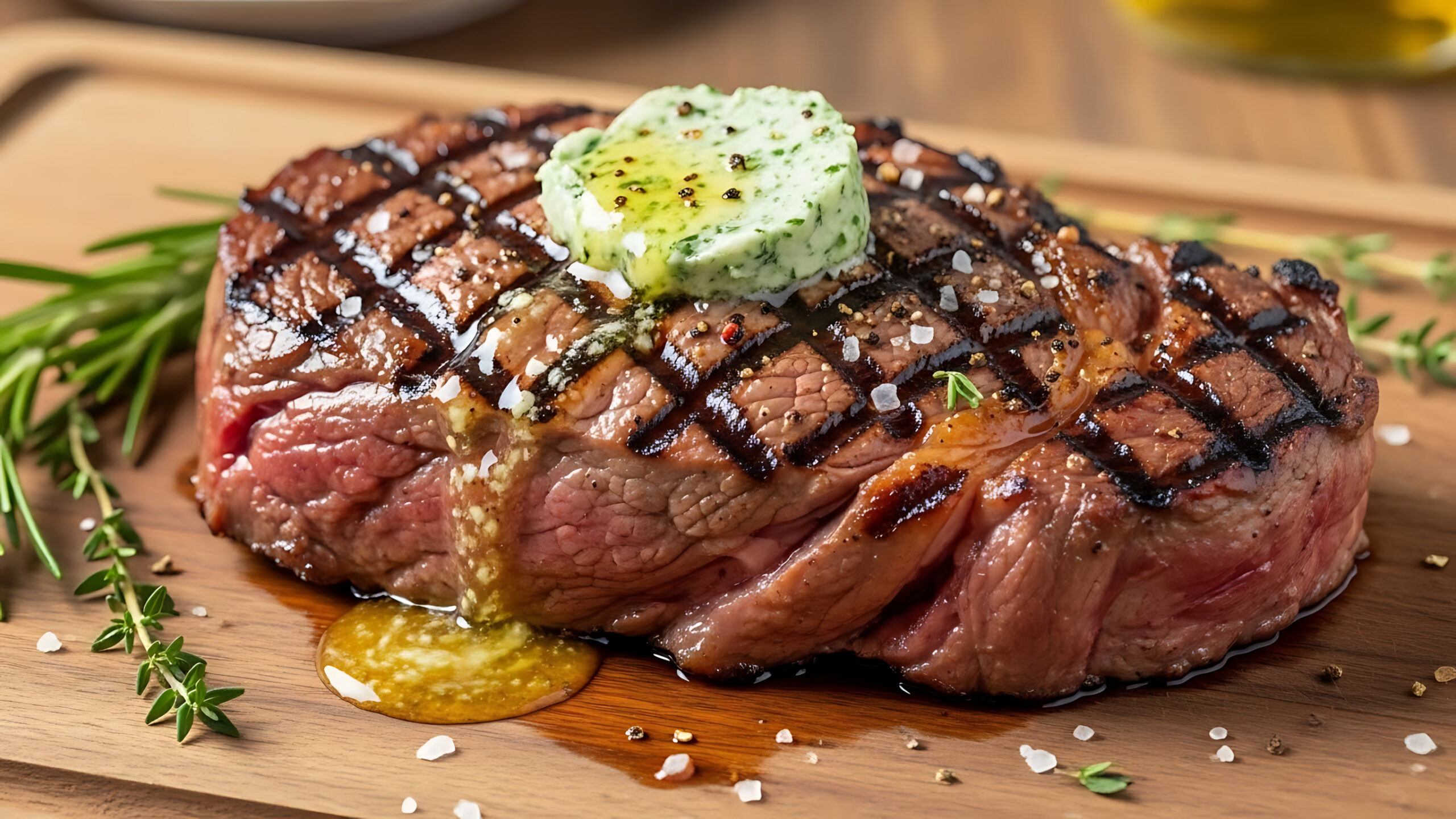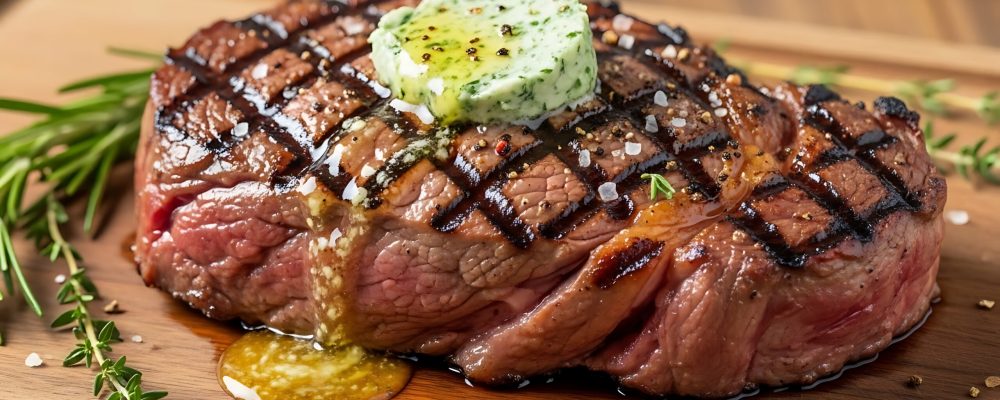

Cut into a steak the second it comes off the heat, and there’s a good chance you’ll watch most of its juice run straight out onto the cutting board. Wait a few minutes, and the same steak stays noticeably juicier when it’s finally sliced.
Nothing about the meat changed in that time except the clock. That’s exactly the point.
What’s Actually Happening Inside the Meat
Heat doesn’t just cook meat — it pushes its internal juices around.
While cooking, muscle fibers tighten and juices get forced toward the center, away from the hot exterior. Cut into meat immediately after cooking, and you’re slicing into a piece where all that liquid is concentrated and under pressure, with nowhere to go but out.
Given a few minutes off heat, muscle fibers relax slightly and juices redistribute more evenly throughout the meat. What was pooled in the center spreads back out, so slicing releases far less liquid overall.
Why Resting Matters More for Some Cuts Than Others
Not every piece of meat needs the same rest time, and treating them all identically wastes either time or juice.
Thin cuts — a chicken breast, a pork chop, a burger patty — need relatively little rest, often just a few minutes, since heat and juice haven’t traveled far to begin with.
Larger roasts and thick steaks need considerably more, sometimes 15 to 20 minutes for a large roast, because juice has migrated further and needs more time to redistribute back through the whole piece.
Skipping this step on a large roast wastes far more than skipping it on a thin cutlet — which is part of why the difference is so noticeable on holidays and special occasions, when the biggest cuts of meat show up on the table.
The Temperature Trade-Off Nobody Talks About
Resting isn’t free. Meat continues cooking slightly after it’s removed from heat, and it does cool down while it rests.
This is why professional advice usually includes pulling meat off heat a few degrees before the actual target temperature — the internal temperature keeps climbing during the rest, sometimes by 5 degrees or more, especially in larger cuts.
Ignoring this “carryover cooking” is one of the most common reasons meat ends up overdone despite looking perfectly timed on a thermometer at the moment it left the heat.
Why Tenting With Foil Isn’t Always the Right Move
Loosely tenting meat with foil during rest feels like an obvious way to keep it warm. In practice, it can work against crispy exteriors.
Foil traps steam against the surface, which can soften a crust that took real effort to build through searing or roasting. For meat with skin or a crust worth preserving, resting uncovered — or very loosely tented — usually preserves texture better than sealing in warmth completely.
The trade-off is a slightly cooler final dish in exchange for texture that hasn’t gone soft in its own steam.
How to Actually Rest Meat the Right Way
A few habits make a real difference regardless of the cut:
Rest thin cuts for 3–5 minutes, thick cuts or roasts for 10–20 minutes
Pull meat a few degrees before your target internal temperature
Rest on a cutting board or rack, not directly in a pool of its own juices
Tent loosely with foil only if the surface isn’t meant to stay crisp
None of these require special equipment — just a slightly different sense of when a dish is actually “done.”
The Takeaway
The last few minutes before meat gets sliced aren’t a pause in cooking. They’re part of it.
Skipping the rest doesn’t just risk a little extra mess on the cutting board — it changes the texture and juiciness of the entire dish, often more than any seasoning or technique used earlier in the process.
The fix costs nothing and takes almost no effort. It just requires waiting a little longer than feels necessary, right when patience is hardest to find.