Daily Dish

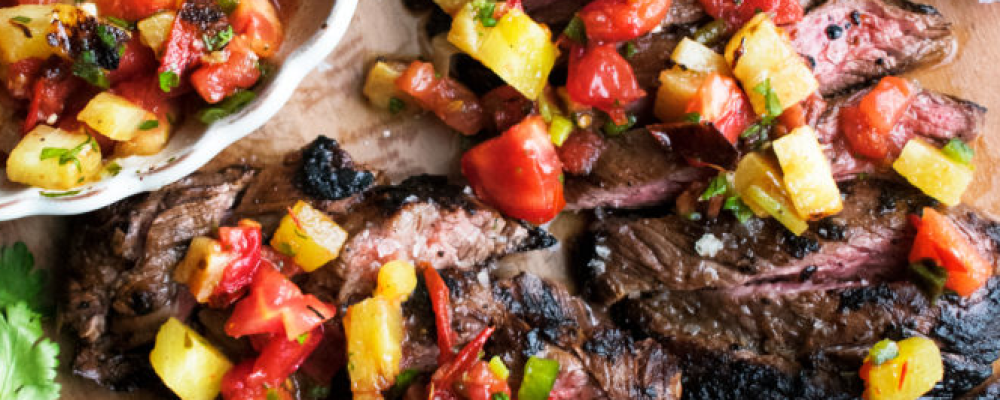
Tropical Grilled Skirt Steak with Pineapple Salsa

Healthy Fact of the Day

Skirt steak is a popular cut of beef for grilling due to its rich, beefy flavor and tender texture when cooked quickly over high heat. It's a staple in many Latin American and Caribbean cuisines, often served with fresh, vibrant salsas or chimichurri sauce.

Ingredients


For the Steak:

  • 1 1/2 lbs skirt steak
  • 1/4 cup soy sauce
  • 2 tbsp honey
  • 2 tbsp olive oil
  • 4 garlic cloves, minced
  • 1 tsp ground cumin
  • Salt and freshly ground
  • black pepper to taste


For the Pineapple Salsa:

  • 2 cups fresh pineapple, diced
  • 1/2 cup red onion, diced
  • 1 jalapeño pepper, seeded and minced
  • 1/4 cup fresh cilantro, chopped
  • 1 lime, juiced
  • Salt to taste


Instructions

  1. In a small bowl, whisk together the soy sauce, honey, olive oil, minced garlic, cumin, salt, and black pepper to create a marinade.
  2. Place the skirt steak in a shallow dish or resealable plastic bag and pour the marinade over the steak, ensuring it is evenly coated.
  3. Refrigerate for at least 30 minutes or up to 4 hours.
  4. In a medium bowl, combine the diced pineapple, red onion, minced jalapeño, chopped cilantro, lime juice, and salt to make the pineapple salsa. Mix well and set aside.
  5. Preheat your grill to medium-high heat.
  6. Remove the skirt steak from the marinade and discard the excess marinade.
  7. Grill the skirt steak for 3-4 minutes per side for medium-rare, or longer if desired.
  8. Remove the steak from the grill and let it rest for 5 minutes before slicing against the grain.
  9. Serve the grilled skirt steak hot, topped with the fresh pineapple salsa.


Transport your taste buds to a tropical paradise with this mouthwatering grilled skirt steak, perfectly complemented by the sweet and tangy pineapple salsa – a delightful combination that’ll make you feel like you’re dining on a sun-drenched island, even if you’re just steps away from your own backyard grill!


Recent Recipes

Apple Cinnamon Crumb Muffins

  • May 30, 2026
  • 12 min read

Baked Feta Pasta: How to Make the

  • May 30, 2026
  • 3 min read

The Art of the Leftover: Why the

  • May 30, 2026
  • 9 min read

Ground Beef and Biscuit Bake

  • May 30, 2026
  • 8 min read

Arby’s Orange Cream Shake Is Back —

  • May 29, 2026
  • 3 min read

The Bread That Built Civilizations

  • May 29, 2026
  • 9 min read

Jalapeño Popper Roasted Potato Salad

  • May 29, 2026
  • 8 min read

KFC Just Announced a Supergirl Collab —

  • May 28, 2026
  • 4 min read

Coconut Paloma

  • May 28, 2026
  • 10 min read

The Dinner Table Conversations We Stopped Having

  • May 28, 2026
  • 9 min read

Tip of the Day

“Always let your meat rest before slicing.”

Whether you're roasting a chicken, grilling steak, or baking pork tenderloin, letting cooked meat rest for 5–10 minutes before slicing allows the juices to redistribute evenly. This simple step keeps your meat juicy and tender, ensuring every bite is flavorful and moist. Bonus: It gives you a moment to plate your sides or garnish for a perfect presentation!

Our Latest Recipes

Breakfast
Aurora Wright

Apple Cinnamon Crumb Muffins

Apples provide fiber and antioxidants while walnuts deliver heart-healthy omega-3 fatty acids—making these indulgent muffins more nutritious than typical bakery treats.

Read More »
Blog
Daily Disher

Baked Feta Pasta: How to Make the Internet’s Most Famous Recipe (And Then Make It Better)

Baked feta pasta is more balanced than it looks. Feta is actually lower in calories and fat than most hard cheeses, and the cherry tomatoes bring in a solid hit of lycopene and vitamin C. To lighten the dish further, use a whole grain or legume-based pasta — the sauce is rich enough that you won’t notice the swap. And don’t skip the fresh basil at the end — it’s not just garnish, it adds brightness that keeps the dish from feeling too heavy.

Read More »
Blog
Daily Disher

The Art of the Leftover: Why the Best Home Cooks Never Start From Scratch

Research on home cooking habits consistently finds that cooks who plan meals in advance and deliberately cook in batches consume more vegetables, more whole grains, and fewer highly processed foods than those who make meal decisions at the moment of hunger. The brief investment of planning — deciding at the beginning of the week what will be cooked and how leftovers will be used — produces measurably healthier eating patterns over the course of the week, largely by reducing the decisions made under hunger and time pressure that tend to favor convenience over nutrition.

Read More »

Get your daily dose of delicious!

Skip to content












