
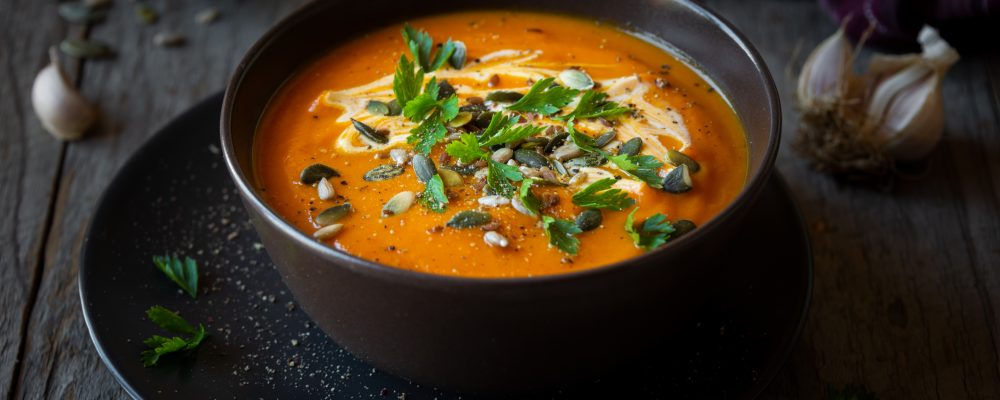

Almost every culture has one: a broth that started as a way to waste nothing and ended up as one of the most comforting things a person can eat. Chicken soup in one kitchen. Pho in another. Menudo, tom yum, borscht, matzo ball soup. Different ingredients, different spices, same basic idea.
It’s one of the oldest tricks in cooking, and it shows up almost everywhere humans do.
Why Broth Shows Up in Nearly Every Culture Independently
Long before refrigeration or food science, people figured out the same solution to the same problem: how to get the most out of bones, tough cuts, and vegetable scraps that would otherwise go to waste.
Simmering those things low and slow in water pulls out collagen, minerals, and flavor that would otherwise be thrown away. The result is a liquid that’s more nourishing, more flavorful, and more filling than the sum of its parts — invented, in one form or another, by nearly every culture that has ever cooked with fire and water.
Nobody had to teach anybody else this. It’s closer to something people kept discovering independently, over and over, because the logic of it is universal.
Why Soup Became “Sick Day” Food Almost Everywhere
The link between broth and being unwell shows up across wildly different food traditions, long before anyone understood the science behind it.
Warm liquid is easy to keep down when appetite is low. Broth delivers minerals and hydration in a form the body barely has to work for. And the steam alone can loosen a stuffy nose before a single spoonful is eaten.
Grandmothers on different continents, speaking different languages, arrived at the exact same advice independently: when someone’s sick, make them soup.
The Detail Most Home Cooks Skip
Restaurant-quality broth and home broth usually differ in one specific way: time.
A quick 30-minute broth pulls out some flavor. A broth simmered for several hours — sometimes 8 to 12 for a rich bone broth — pulls out dramatically more collagen and minerals, resulting in a broth that gels slightly when chilled and coats a spoon instead of running off it thin.
There’s no ingredient swap that replicates what time does here. It’s the one variable that can’t be rushed without changing the result.
Why Regional Soups Taste So Different Despite Similar Roots
Once the base broth technique existed, every culture built on top of it with whatever was locally available.
Coastal regions leaned into fish and shellfish. Colder climates favored root vegetables and heartier meats that could simmer for hours without falling apart. Warmer regions often built brighter, herb-forward broths that held up better in the heat.
The technique traveled everywhere. The flavor stayed local.
How to Bring This Into Your Own Kitchen
Making a genuinely good broth at home doesn’t require a specific cultural recipe — just an understanding of what the technique is actually doing.
A few things that matter more than any specific ingredient list:
Start with bones or tougher cuts, not lean, expensive meat
Simmer low and slow — a gentle bubble, never a rolling boil
Skim occasionally, but don’t stir too often
Give it real time, ideally several hours, not a rushed 20 minutes
From there, the seasoning and additions can go in almost any direction a specific tradition or personal taste calls for.
The Takeaway
Soup isn’t really one recipe passed around the world. It’s one idea, discovered again and again, wherever people needed to make the most of what they had.
The specific bowl changes by region, language, and generation. The logic underneath it hasn’t changed in thousands of years.
That’s a rare thing for any dish to hold onto for that long.














