
There is a particular kind of cooking that almost never appears in cookbooks.
Not the dinner party. Not the family meal. Not the celebratory table set for eight with matching plates and something impressive in the oven.
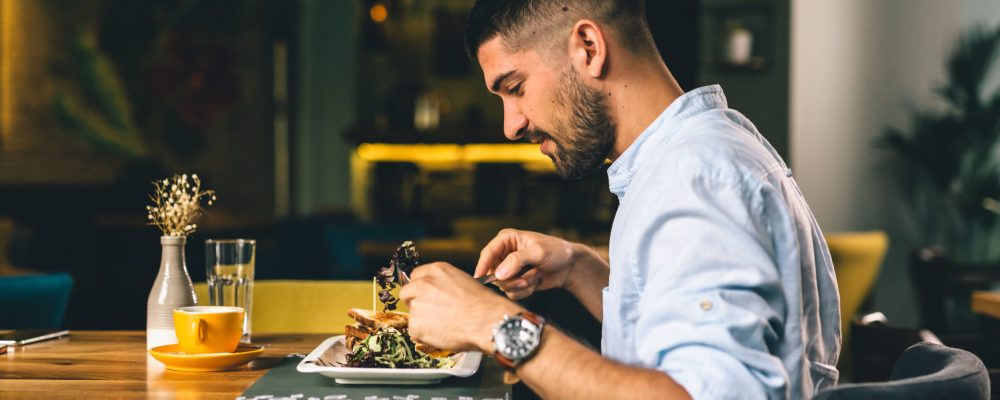
The meal made for one person. By one person. For no audience, no occasion, no one to impress and no one to feed but yourself.
Cooking for one has a reputation it doesn’t deserve.
It is treated, in food culture, as a consolation — as the diminished version of real cooking, the thing you do when there isn’t a better option. The recipes designed for it are often apologetic in tone, as if the goal is to make solo cooking feel less like what it is. The portions are halfhearted. The implicit message is that cooking for one person is a temporary condition to be endured until there is someone else to cook for.
This is exactly wrong.
Cooking for one is one of the most important cooking practices available — not despite the absence of an audience, but because of it.
The Freedom of No Audience
Every cook who has cooked for others knows the weight of expectation that comes with it.
The dish has to work. The timing has to be right. The seasoning should please palates other than your own. The menu should accommodate preferences and restrictions and the particular social dynamics of the people at the table. Cooking for others is an act of care and generosity — and it carries, along with those genuine virtues, a form of pressure that shapes every decision from the first ingredient chosen to the last plate cleared.
Cooking for one removes all of it.
There is no one to disappoint. No timing to manage around another person’s hunger or schedule. No need to consider whether the dish is impressive enough or familiar enough or appropriate for the occasion. The only question is what you actually want to eat — and the only standard is whether it satisfies that want.
This freedom is not trivial. It is, for many home cooks, a form of cooking they rarely experience — because most of their cooking is for others, and the habits of cooking for others are so deeply ingrained that they persist even when the cook is alone.
The cook who makes a full, considered meal for themselves — not a compromise, not the easy thing, not whatever requires the least effort — is practicing cooking in its most honest form. No performance. No audience. Just the cook and the food and the question of what is actually good.
The Meal That Teaches the Most
Professional cooks learn something specific from the staff meals they eat before service — the food made quickly, without ceremony, from whatever is available, for a kitchen full of people who are too hungry and too familiar with food to be impressed by effort alone.
The staff meal teaches economy. It teaches improvisation. It teaches the cook to produce something genuinely satisfying from limited ingredients in limited time — not because the circumstances are inspiring, but because the hunger is real and the available ingredients are what they are.
Cooking for one at home is the civilian equivalent of the staff meal.
It requires the same economy. The same willingness to work with what’s available rather than what a recipe specifies. The same honesty about what is actually satisfying versus what would look good on a table with other people present. And it teaches, through repetition, one of the most valuable skills in any cook’s repertoire: the ability to open a refrigerator, assess what’s there, and produce something good without a recipe, a plan, or any ingredient that isn’t already on hand.
This is improvisation — the skill that professional cooks develop through years of staff meals, late-night kitchen experiments, and the meals they make for themselves when no one is watching. It is the skill that makes a cook genuinely capable rather than merely recipe-literate. And it develops fastest in the low-stakes, no-audience environment of cooking alone.
The Single Plate as the Highest Standard
There is a paradox at the center of cooking for one that professional cooks recognize and home cooks often don’t.
The meal made for one person can be held to a higher standard than a meal made for many — because there is no distribution of attention across a table full of people, no compromise made to accommodate multiple preferences, no need to produce a quantity that limits what’s possible.
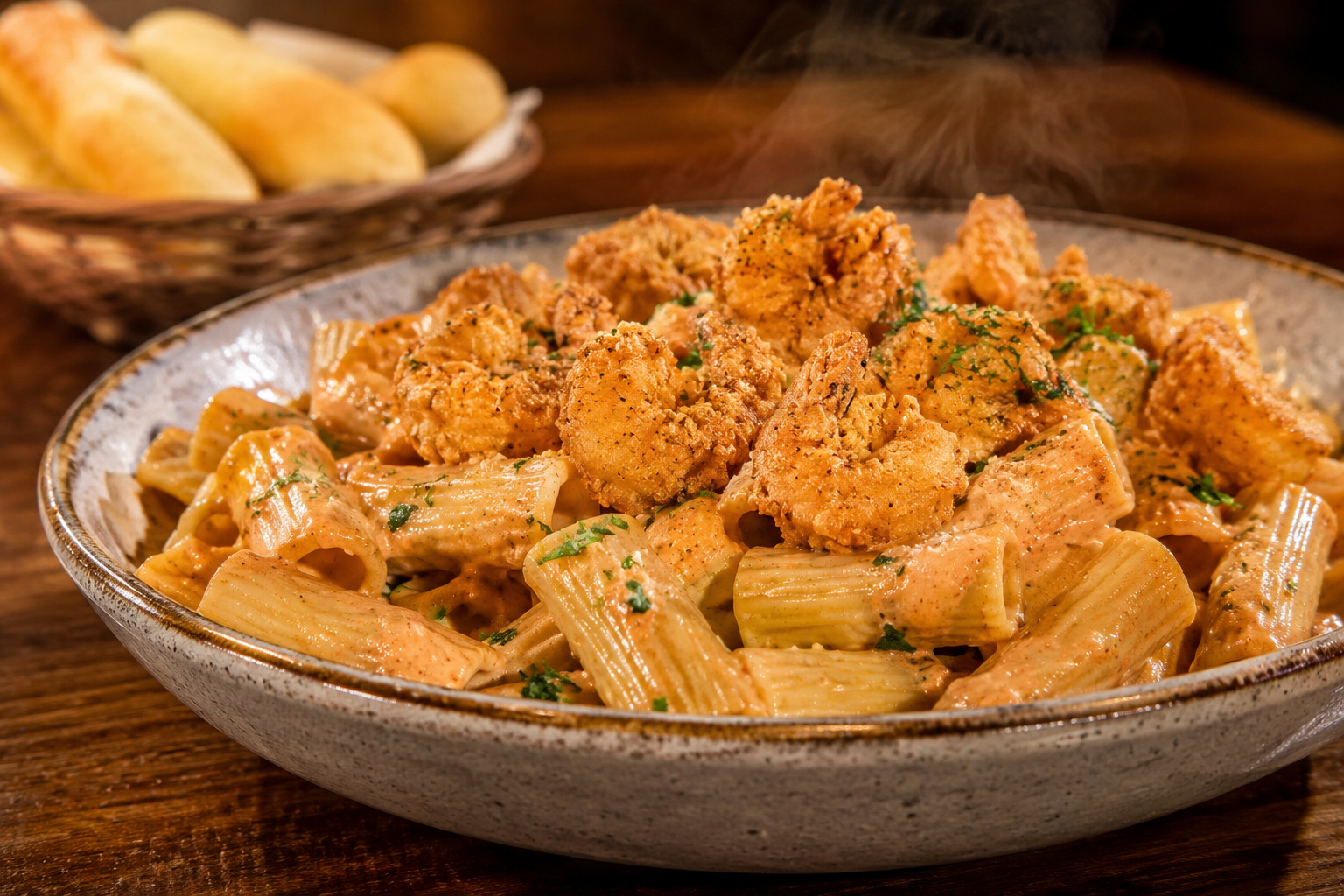
A single bowl of pasta can have exactly the right amount of sauce — not scaled up for a crowd and approximately right, but calibrated to this specific portion with this specific pasta. A piece of fish cooked for one person can be pulled from the heat at the precise moment it’s done, plated immediately, and eaten at the exact temperature it should be eaten — without waiting for other components, without holding while other plates are assembled.
The single plate, attended to completely, can be the most perfectly executed thing a cook makes. This is why some of the most thoughtful professional cooks describe the meals they make for themselves as among the best cooking they do — not because they’re showing off, but because the absence of performance pressure allows a quality of attention that the performance context makes harder to sustain.
What Solo Cooking Reveals About Preference
Cooking for one, done honestly and repeatedly, reveals something that cooking for others obscures: what you actually like to eat.
Most home cooks have a gap — sometimes a significant one — between what they cook for others and what they eat when no one is watching. The food they cook for guests is shaped by what they believe guests will enjoy, by social norms around what constitutes a proper meal, by the desire to demonstrate care through effort. The food they make for themselves, when they allow it to be honest, is shaped only by preference.
This gap is worth examining. A cook who discovers, through solo cooking, that they consistently reach for a specific set of flavors and ingredients — that they always make something spicy, or that they almost always want acid, or that their solo meals invariably involve a specific grain or a specific herb — is learning something about their own palate that has direct application to everything they cook.
The most intuitive cooks cook from a deep familiarity with their own taste — a familiarity that develops fastest in the honest, unperformed environment of cooking alone.
The Ritual of Feeding Yourself Well
There is one more dimension of cooking for one that deserves to be said directly, because it is the dimension most frequently lost in the apologetic tone that surrounds solo cooking.
Feeding yourself well is an act of care. Not a consolation. Not a compromise. An act of genuine care for the person you are feeding — who happens to be you.
The cook who makes a real meal for themselves — who brings the same attention and intention to a Tuesday night dinner for one that they would bring to a dinner party — is not being indulgent or impractical. They are doing something that professional cooks who have spent years feeding others eventually understand to be fundamental.
You cannot feed others well from a place of consistent self-neglect. The cook who never eats properly, who treats their own hunger as an afterthought to be addressed with whatever requires the least effort, develops a relationship with food that is transactional and depleted — a relationship that eventually shows up in the food they make for others.
The cook who feeds themselves with care and attention feeds everyone else better. Not immediately, not obviously, but over time — as the habit of genuine attention becomes the habit of genuine cooking.
The Takeaway
Cooking for one is not diminished cooking. It is cooking in its most honest form — freed from the weight of expectation, shaped entirely by preference, and capable of a quality of attention that cooking for others makes harder to sustain.
Make the real meal. Use the good ingredients. Cook the thing you actually want to eat. Set the table, or don’t — but eat the food with the same attention you would give it if someone else had made it for you.
The meal for one is a gift you give yourself.
It is worth making well.