
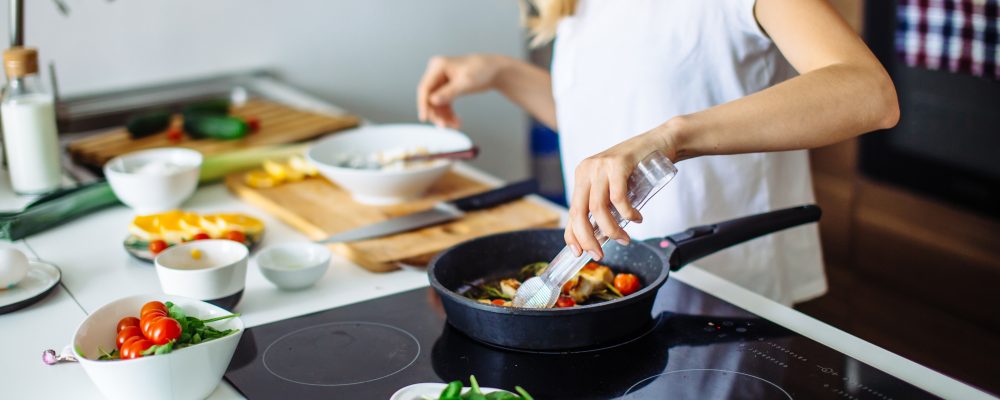

There is a specific quality of day that arrives occasionally — not as often as it should, but enough to be recognized when it comes.
The afternoon with nowhere particular to be. The weekend day that hasn’t filled itself with obligations. The vacation day spent at home rather than in transit. The specific, slightly rare gift of several hours in which the kitchen is available and the hunger for the evening meal is still hours away and the particular pleasure of cooking without urgency is genuinely possible.
Most cooks never fully inhabit this kind of afternoon. The time is available, but the habits of efficiency — the instinct to get cooking done rather than to cook — persist even when the circumstances don’t require them. The meal that could take three hours is made in forty-five minutes because forty-five minutes is possible and the time saved seems valuable even when there is nothing specific to do with it.
The afternoon cook — the cook who takes the time that is genuinely available and uses it differently than ordinary weeknight cooking uses it — produces something that efficiency cannot.
Not just better food, though the food is often better. A different relationship with the cooking itself — one that is exploratory rather than purposeful, that follows curiosity rather than a plan, that arrives at results that couldn’t have been anticipated at the beginning of the afternoon because the cooking itself produced them.
The Preparations That Require Unhurried Time
There is a category of cooking that is simply not accessible to the weeknight cook operating under time pressure — preparations that require not just duration but the specific quality of attention that unhurried time makes possible.
The properly caramelized onion — the one that takes forty-five minutes to an hour of low heat and periodic stirring to develop the specific deep sweetness and complex flavor that the ten-minute version gestures toward without achieving — is the paradigmatic example. It cannot be rushed without changing what it becomes. The ten-minute onion is softened and slightly golden. The forty-five-minute onion is transformed — sweet, complex, almost jammy, with a depth of flavor that makes whatever it is added to taste as if it has been cooking much longer than it has.
The properly made hollandaise — the emulsified butter sauce that requires patience and a specific quality of attention that distraction defeats — produces, when made with genuine care, something that the blender version approximates without equaling. The classical technique of whisking egg yolks over gentle heat until they reach the right consistency before the butter is added in a slow, careful stream, tasting and adjusting throughout — this is a preparation that requires perhaps twenty minutes of focused, unhurried attention. On a weeknight, it is often replaced with something easier. On an afternoon with time available, it is a preparation worth doing properly.
The laminated dough that will become croissants or kouign-amann or Danish pastry — the dough that requires successive folds and rests over several hours, each fold developing the layers that produce the shatteringly flaky result — is the preparation most specifically suited to the unhurried afternoon. It cannot be done quickly. It cannot be done in the margins of other activities. It requires the cook to be present for a sequence of steps separated by resting periods that themselves take time, the total process occupying the better part of an afternoon.
Each of these preparations rewards the investment with a result that ordinary weeknight cooking cannot produce — because the time and the attention that the preparation requires are themselves ingredients, as essential to the outcome as any physical component.
The Cooking That Follows Curiosity
The afternoon cook has access to something the weeknight cook doesn’t — the freedom to follow curiosity without a deadline requiring that the curiosity arrive somewhere useful.
What happens if the caramelized onion is taken further than usual — pushed past the golden stage into the deep mahogany that most recipes warn against approaching? The answer, it turns out, is something with a more intense and slightly bitter complexity that is genuinely interesting in specific applications even if it is too intense for others. The discovery required an afternoon of low heat and periodic tasting and the willingness to go further than the recipe specified.
What does this vegetable taste like if it is prepared in a way it has never been prepared before — if the beet that has always been roasted is instead thinly sliced and eaten raw with nothing but salt and good oil? What does the pasta dough feel like at different hydration levels, and what does the texture of the finished pasta tell about how the hydration affects the result? What happens to the flavor of garlic when it is confit — simmered slowly in olive oil until completely soft — rather than sautéed briefly?
These are questions that can only be answered by a cook with time and curiosity — and the answers they produce add to the internal library of knowledge that makes future cooking, including the rushed weeknight cooking, better informed and more capable.
The afternoon spent following a culinary question to its answer is an afternoon of genuine education — one that no book or video quite replicates because the specific knowledge produced comes from the cook’s own hands and their own palate engaging with the specific ingredient in the specific conditions of their specific kitchen.
The Fermentation Project That Needs a Beginning
The afternoon with time available is the best time to begin the preparations that require days or weeks to complete — the fermentation projects, the curing preparations, the long marinations that produce results significantly beyond what shorter processes achieve.
The sourdough starter that needs to be established — fed twice a day for a week before it is vigorous enough to leaven bread — begins in an afternoon with nothing more than flour and water mixed in a jar. The subsequent days of feeding require five minutes of attention each. The first afternoon’s investment creates the conditions for a week of minimal effort and a living culture that, once established, will be a kitchen resource for years.
The kimchi that takes twenty minutes to make and three to five days to ferment at room temperature — the combination of cabbage and gochugaru and fish sauce and garlic that transforms from a collection of ingredients into something deeply complex and alive during the fermentation period — begins in an afternoon. The result, eaten on day three or day five or day seven depending on the temperature and the preferred level of sourness, is something that no store-bought product matches and that the cook who made it understands in a way that purchased kimchi never produces.
The confit that requires two days — the duck legs or the chicken thighs submerged in seasoned fat and cooked at the lowest possible oven temperature for several hours, then stored in the fat for days before being finished with a quick sear — begins in an afternoon when the cook has the time to assemble the preparation and the patience to let the long, slow cooking do what it needs to do.
Each of these preparations produces, at the end of its duration, something that the cook who rushed past it never experiences. And each begins in an afternoon of unhurried attention that creates the conditions for the result.
The Recipe Worth Finally Attempting
Every serious home cook has a list — usually unwritten, usually acknowledged only privately — of preparations they have always wanted to attempt but have perpetually deferred.
The hand-pulled noodles that require a specific kind of practice with the dough that cannot be accomplished quickly. The croissants that require a lamination technique the cook has read about but never executed. The pâté de campagne that has always seemed too involved. The fresh pasta from scratch rather than from a box. The properly made mayonnaise from whole eggs rather than the version from the bottle.
Each of these deferred preparations has been deferred for the same reason: they require more time and more focused attention than ordinary cooking occasions provide. They are not technically beyond the cook’s ability — or beyond any cook’s ability who is willing to learn. They are beyond the time budget of the ordinary weeknight.
The afternoon with nowhere to be is the time to pick one of these deferred preparations and attempt it. Not because the first attempt will be perfect — it almost certainly will not — but because the first attempt produces the specific, practical knowledge that no recipe can provide. The hand-pulled noodle dough that felt right when the recipe described it feels different in practice, and the feeling of it in the hands is the beginning of the understanding that the second attempt will build on.
The first attempt at croissants will not produce croissants that match the professional bakery. It will produce an understanding of what lamination feels like, what the dough does under different temperatures, what the specific challenge is at each stage of the preparation. That understanding is worth more than the first batch’s quality.
The Long Meal That Starts in the Afternoon
The afternoon cook who is cooking for an evening gathering has a specific advantage over the cook who begins an hour before guests arrive — the advantage of depth.
The dish that has been developing since two in the afternoon for a seven o’clock dinner is not the same dish that was assembled at six. The flavors have had time to integrate. The braise has had time to develop the depth that the first hour of cooking only begins. The sauce that was slightly sharp at three has rounded and mellowed by seven. The dessert that needs hours to set has set properly. The salad components that benefit from marinating have absorbed the dressing.
The afternoon cook who plans their evening dinner with this development time in mind produces consistently better food than the cook who is most efficient — who minimizes the time between starting the cooking and serving the meal. Not because they are a better cook, but because time is doing work that efficiency forecloses.
The specific practical habit of identifying, for any significant dinner, the preparations that benefit from advance cooking and completing them in the afternoon — leaving only the final assembly and any last-minute preparations for the evening — is one of the most significant improvements available to the home cook who hosts occasionally. The cook who arrives at the table with their guests rather than emerging from the kitchen after everyone else has been seated has used the afternoon well.
The Quiet of the Afternoon Kitchen
There is a quality available in the afternoon kitchen that the dinner-rush kitchen doesn’t have.
Quiet. Unhurried. The specific quality of a kitchen that is occupied without urgency — where the cooking is happening because it is interesting and pleasurable rather than because hunger is imminent and dinner must appear.
In this quality of kitchen, the cook is more present than they are under pressure. The observations that the pan is making — the way the fat is moving, the color developing in the fond, the smell that signals the onions are approaching the right stage — are more fully received and more thoughtfully responded to. The tasting is more evaluative and less hurried. The adjustments are more deliberate.
This quality of presence is not exclusive to the unhurried afternoon — it is available in any cooking session where the cook chooses to bring it. But the afternoon makes it easier, because the pressure that competes with presence has been removed.
The cook who regularly spends an afternoon in the kitchen without urgency develops, over time, a quality of presence in all their cooking that the cook who always cooks under pressure doesn’t. The habits of attention — the tasting, the observing, the adjusting, the following of curiosity — become more natural in the kitchen that always makes time for them.
The Takeaway
The afternoon with time available is a gift that most cooks receive occasionally and use inefficiently — filling it with the same forty-five-minute meals that weeknight cooking produces, when the specific opportunity of unhurried time is precisely what those meals cannot use.
Use it differently. Make the caramelized onion that takes the full hour. Begin the fermentation project that will be ready in a week. Attempt the deferred preparation that has always seemed too involved. Cook the dinner that starts at two for guests who arrive at seven.
The afternoon kitchen is where some of the best cooking happens — not because the cook is more skilled than at other times, but because time is doing the work that skill alone cannot.
And the work that time does is unlike anything else in the kitchen.
It cannot be rushed.
It cannot be replicated.
It can only be allowed.














