
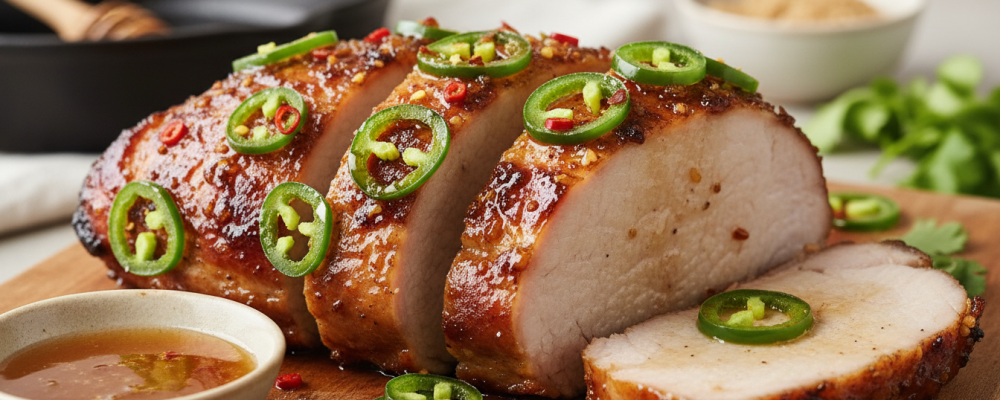

There’s something magical about the combination of sweet and spicy, and this Sweet Jalapeño Pork demonstrates exactly why that pairing has captivated palates across cuisines and cultures. The tender pork tenderloin gets coated in a glaze that balances brown sugar and honey’s caramelized sweetness with jalapeños’ bright heat and soy sauce’s savory depth, creating layers of flavor that make each bite genuinely exciting. What makes this dish particularly successful is how the glaze caramelizes during baking, creating a sticky, glossy coating that clings to the meat while the jalapeños soften and mellow, adding complex heat rather than just burning spice.
I developed this recipe while exploring how Asian and Latin flavor profiles could merge in ways that feel natural rather than forced. The soy sauce provides umami backbone that grounds the sweetness, while the jalapeños bring that essential heat and vegetal complexity. By searing the pork first, you develop a flavorful crust that adds textural interest, and baking with the glaze allows it to reduce and concentrate, creating that signature sticky coating. The pork tenderloin is ideal for this preparation—it’s lean, cooks quickly, and has mild flavor that showcases the glaze rather than competing with it.
What makes this particularly appealing is how the heat level is customizable. Leaving jalapeño seeds in creates more aggressive heat, removing them results in milder warmth, and the quantity of jalapeños can be adjusted to match your preferences. The sweet elements aren’t just there to balance heat—the caramelization creates complex flavor notes that make this taste sophisticated rather than just “spicy pork with sugar on it.” When you slice into that glossy, jalapeño-topped tenderloin and see the perfectly cooked, juicy interior, you understand why sweet-spicy combinations never go out of style.
The Inspiration Behind This Recipe
This dish emerged from studying Asian-Latin fusion cooking, where sweet-spicy combinations are common denominators. Korean gochujang-glazed meats, Thai sweet chili preparations, and Latin American jalapeño-honey combinations all demonstrate how cultures worldwide have discovered that sweetness and heat enhance each other in ways that neither can achieve alone.
I wanted to create a preparation that felt accessible to American home cooks while delivering genuinely exciting flavors. Pork tenderloin is widely available, relatively affordable, and foolproof when cooked properly. The glaze ingredients are straightforward pantry staples, and the technique is simple enough for weeknight cooking but impressive enough for entertaining.
The searing step is crucial—it develops flavor through the Maillard reaction while creating a crust that helps the glaze adhere better. Without searing, you’d have tender pork but without that depth of flavor or textural contrast. The combination of brown sugar and honey provides complexity that either alone couldn’t achieve—brown sugar has molasses notes that add depth, while honey contributes floral sweetness and helps create that sticky, glossy finish.
A Brief History of Sweet-Spicy Flavor Profiles
The pairing of sweet and spicy has ancient roots across multiple cuisines. In Asia, the combination appears in Chinese sweet-and-sour dishes, Korean gochujang-based preparations, and Thai cooking where palm sugar balances chilies. In Latin America, honey and chilies have been paired since pre-Columbian times, while in the American South, pepper jelly has been a beloved tradition.
The biological reason this combination works so well is that sweetness can temper capsaicin burn while the heat makes sweetness more interesting, preventing cloying flavors. The contrast creates complexity that keeps your palate engaged—each bite is an experience rather than monotonous repetition.
This Sweet Jalapeño Pork represents contemporary American fusion cooking where we borrow freely from global traditions, combining techniques and flavors in ways that create something distinctly our own while honoring the originals.
Why This Cooking Method Works
Searing pork tenderloin before baking creates a flavorful crust through the Maillard reaction while beginning the cooking process. This initial high-heat step develops complexity that baking alone couldn’t achieve.
Baking at 375°F provides moderate heat that cooks the tenderloin through without drying it out. This temperature is hot enough to caramelize the glaze while gentle enough to keep the lean meat tender and juicy.
The glaze mixture poured over seared pork allows it to reduce and concentrate during baking, becoming sticky and intensely flavored. The sugars caramelize, creating depth and complexity, while the soy sauce concentrates, adding savory balance.
Jalapeños soften during baking, their raw heat mellowing into something more complex and nuanced. Some capsaicin remains for warmth, but the aggressive bite of raw jalapeños transforms into layered spiciness.
Resting the pork after cooking allows juices to redistribute throughout the meat. Slicing immediately causes those juices to run out; resting ensures they stay in the meat where they belong, creating tender, moist slices.
Flavor Profile: What to Expect
This pork delivers complex, exciting flavors:
- Tender, juicy pork that’s perfectly cooked
- Sweet caramelization from brown sugar and honey
- Savory depth from soy sauce
- Bright, complex heat from jalapeños
- Sticky, glossy glaze coating every slice
- Aromatic garlic adding backbone
- Balanced seasoning that lets all elements shine
The result is pork that’s sophisticated and interesting—the kind of dish that makes people ask for the recipe.
Tips for Making the Best Sweet Jalapeño Pork
Technical precision ensures consistently excellent results:
- Use meat thermometer: Pull at 145°F—carryover cooking will bring it to 150°F during rest.
- Don’t skip searing: Those few minutes develop crucial flavor and texture.
- Adjust heat level: Remove seeds for milder heat; leave them in for more aggressive spice.
- Let it rest: Those 5 minutes make a significant difference in juiciness.
- Slice against the grain: This ensures maximum tenderness in every piece.
- Use fresh jalapeños: Jarred won’t provide the same bright heat and texture.
For extra glaze, you can double the sauce mixture and reduce half in a small pot while the pork bakes, creating additional glaze for drizzling. For smokier flavor, add a pinch of smoked paprika to the glaze.
Serving Suggestions and Side Pairings
This flavorful pork pairs beautifully with sides that complement or balance:
- White or brown rice to soak up extra glaze
- Roasted vegetables like Brussels sprouts or broccoli
- Asian cucumber salad for cooling contrast
- Stir-fried vegetables
- Quinoa or cauliflower rice for lighter option
- Simple slaw with lime dressing
The pork is intensely flavored, so sides should be relatively neutral or provide cooling contrast rather than competing with the sweet-spicy glaze.
Storage, Reheating, and Make-Ahead Tips
This pork stores well and makes excellent leftovers:
- Refrigerate sliced pork for up to 4 days
- Freeze for up to 3 months—slice before freezing for easier portioning
- Reheat gently to prevent drying—microwave with damp paper towel or warm in oven
- Make glaze ahead and refrigerate up to 1 week
Leftover sliced pork works beautifully in rice bowls, tacos, salads, or sandwiches. The glaze can be gently rewarmed and drizzled over reheated pork to restore moisture and flavor.
Why This Recipe Deserves a Spot in Your Rotation
This Sweet Jalapeño Pork proves that impressive, restaurant-quality meals don’t require complicated techniques or exotic ingredients. It delivers bold, exciting flavors that feel special and interesting while remaining straightforward enough for regular weeknight cooking. The customizable heat level makes it accessible to various preferences, while the sweet-spicy combination ensures it never feels boring.
Once you’ve experienced how easy it is to create this level of flavor with simple techniques, you’ll find yourself making it regularly and perhaps experimenting with different peppers or sweeteners while maintaining the core method that ensures tender, flavorful results.
Recommended Drink Pairing
The sweet-spicy flavors of this pork pair wonderfully with drinks that offer complementary or contrasting characteristics. For wine, try an off-dry Riesling or Gewürztraminer that provides fruity sweetness to balance the heat. For beer, a wheat beer or amber ale works beautifully.
For cocktails, a Moscow Mule or margarita complements the sweet-spicy profile. Non-alcoholic options like ginger beer, limeade, or iced green tea all provide refreshing contrast to the rich, flavorful pork.
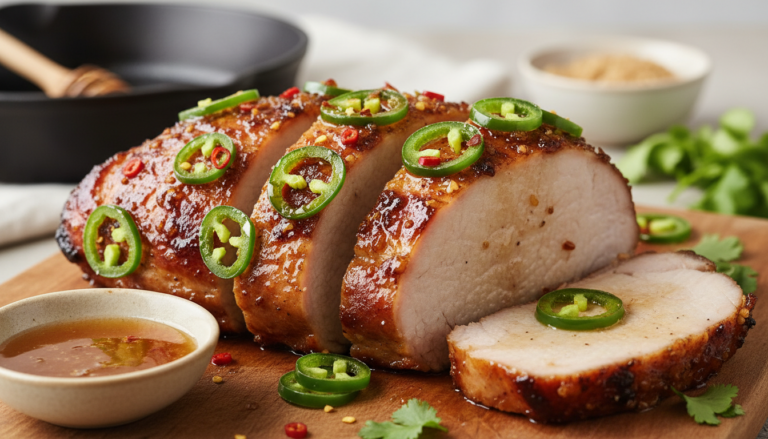
Sweet Jalapeño Pork
Sweet Jalapeño Pork features tender pork tenderloin glazed with honey, brown sugar, soy sauce, and fresh jalapeños for sweet-spicy perfection.
4
servings15
minutes40
minutes350
kcal55
minutesIngredients
1 lb pork tenderloin
2 jalapeños
3 tbsp brown sugar
2 tbsp honey
1 tbsp soy sauce
1 tbsp olive oil
1 tsp garlic powder
1 tsp salt
0.5 tsp black pepper
Directions
- Preheat your oven to 375°F (190°C) and prepare a baking dish by lightly greasing it with olive oil.
- Trim any excess fat from the pork tenderloin, then season it with salt, black pepper, and garlic powder on all sides.
- Slice the jalapeños thinly, removing seeds if you prefer less heat, and set aside for later use.
- In a bowl, mix together the brown sugar, honey, and soy sauce until the sugar is fully dissolved.
- Heat olive oil in a skillet over medium-high heat, then sear the pork, turning occasionally until all sides are browned.
- Transfer the seared pork to the prepared baking dish and pour the honey mixture over the top.
- Top the pork with the sliced jalapeños and place the baking dish in the preheated oven.
- Bake in the oven for 25-30 minutes or until the pork reaches an internal temperature of 145°F (63°C).
- Once cooked, remove the pork from the oven and let it rest for 5 minutes before slicing to serve.
Nutrition Facts
- Total number of serves: 4
- Calories: 450kcal
- Cholesterol: 0mg
- Sodium: 620mg
- Potassium: 400mg
- Sugar: 8g
- Protein: 6g
- Calcium: 60mg
- Iron: 2mg
About This Author

Benjamin Brown
Recipe Developer
Benjamin is our flavor engineer. A classically trained chef turned recipe developer, he’s obsessed with balancing taste, texture, and creativity. He ensures that every recipe we publish is not only delicious but also reliable, approachable, and repeatable — even for beginners.
Favorite dish: Slow-braised short ribs with red wine reduction.
Kitchen motto: “Cooking is part science, part soul.”















