
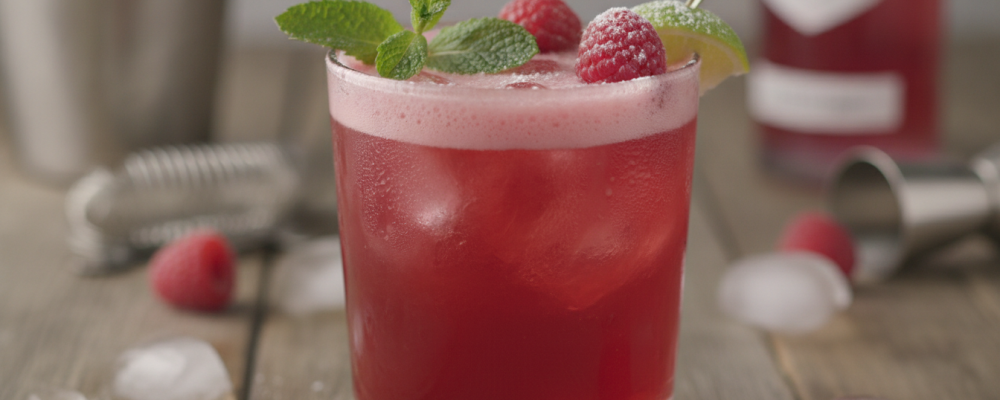

I’ll be honest with you — I spent years overlooking the daiquiri. It seemed too simple, too obvious, the kind of cocktail that needed no introduction and therefore deserved no serious attention. Then one August evening, I blended fresh raspberries from a farmers market with a handful of ice and everything I needed was already in the shaker, and I poured myself something so deeply beautiful and delicious that I stood in my kitchen for a moment, genuinely surprised. Sometimes the most obvious combinations are obvious because they’re perfect.
That’s the lesson the Raspberry Vodka Daiquiri keeps teaching me. There’s no complexity for complexity’s sake here, no exotic ingredient that requires explanation, no elaborate technique that requires practice. Just fresh raspberries at their peak — that gorgeous deep red, that bright-tart flavor that tastes like sunshine and summer — blended with vodka’s clean neutrality, lime’s essential brightness, and just enough simple syrup to round everything out. The result is a cocktail that tastes exactly like what it is, and what it is happens to be wonderful.
I make these on Thursday evenings when I want to mark the end of the week with something that feels genuinely celebratory without demanding effort I don’t have after a long day. Five ingredients, one blender, and five minutes later I’m holding something that looks like it came from a proper cocktail bar. That’s the kind of recipe that earns permanent space in your repertoire.
─────────
The Inspiration Behind This Recipe
This cocktail entered my life through a summer ritual I look forward to every year — the first weekend the farmers market has beautiful, fragrant raspberries. There’s a particular vendor who grows them in raised beds, and the berries they produce are extraordinary: deeply colored, intensely flavored, with none of the wan paleness you get from supermarket raspberries trucked across the country. Every year when I spot them, I buy far too many, and every year I spend the following days figuring out delicious ways to use them before they soften.
Cocktails are always on that list. Raspberries and lime have a natural affinity — both are tart, both are bright, and together they create a flavor that’s more than the sum of its parts. Adding vodka was a deliberate choice over rum, the classic daiquiri spirit, because I wanted the raspberry to be the undisputed star. Rum brings its own personality and sweetness that would compete for attention; vodka steps aside and lets the fruit do its work. The simple syrup is there purely as a supporting actor, there when needed, invisible when not.
What I love most about this recipe is how it changes slightly every time based on the raspberries you use. Perfectly ripe summer berries create a brighter, more vibrant drink. Slightly softer, more deeply flavored berries create something richer and more complex. The cocktail is honest in that way — it reflects its ingredients truthfully, which means choosing good raspberries is the most important decision you’ll make.
─────────
A Brief History of the Daiquiri
The daiquiri has one of cocktail history’s most charming origin stories. In 1898, near the small Cuban mining town of Daiquirí, American engineer Jennings Cox found himself hosting guests but running low on gin — the spirit he’d planned to serve. He improvised with local rum, freshly squeezed lime juice, and sugar, serving the mixture over ice to his guests, who apparently loved it. He named the drink after the nearby town, and one of cocktail history’s most enduring classics was born.
The daiquiri remained a relatively obscure drink until Ernest Hemingway began drinking them enthusiastically at El Floridita bar in Havana, where bartender Constantino Ribalaigua Vert refined the recipe and created the frozen version using the then-new technology of electric blenders. Hemingway’s patronage — and his legendary consumption — brought international attention to both the bar and the cocktail. President John F. Kennedy was also known to enjoy daiquiris, which cemented the drink’s glamorous associations during the 1960s.
The frozen fruit daiquiri explosion of the 1970s and 80s democratized the drink — suddenly strawberry, mango, and peach daiquiris appeared on menus everywhere, often in oversized glasses and lurid colors. While purists mourned the departure from the elegant original, these fruit variations introduced the daiquiri to new generations and established fresh fruit as an entirely legitimate component of the daiquiri family. The Raspberry Vodka Daiquiri sits comfortably in this tradition — honoring the blended fruit daiquiri’s joyful spirit while maintaining balance and quality that the best iterations always had.
─────────
Why This Mixing Method Works
Blending rather than shaking is the correct choice for this cocktail, and understanding why makes you a better home bartender. Fresh raspberries simply cannot be broken down effectively in a shaker — they need the blender’s mechanical action to fully liquefy and release their flavor and color. Even vigorous muddling in a shaker would leave you with raspberry pieces and an uneven distribution of fruit flavor. Blending creates a completely smooth, homogeneous mixture where the raspberry flavor is present in every single sip.
The straining step after blending is equally important and often skipped by home bartenders who don’t realize what a difference it makes. Raspberry seeds are small but numerous, and they create an unpleasant gritty texture in an otherwise silky cocktail. Straining through a fine-mesh sieve removes these seeds while preserving all the flavor and color from the blended fruit. The extra thirty seconds this step requires is absolutely worth it for the textural improvement.
Blending with ice creates the proper dilution and temperature simultaneously. The ice chills the mixture rapidly while melting slightly to provide the water content that’s essential for balance — without it, the cocktail would be too intense and the alcohol too forward. The amount of ice also determines the cocktail’s final texture, from slushy and frozen to smooth and pourable. For this recipe, you want enough ice to chill thoroughly without creating an overly thick, snow-cone texture that’s difficult to strain.
─────────
Flavor Profile: What to Expect
The Raspberry Vodka Daiquiri delivers a vibrant, fruit-forward taste experience:
- Bold Raspberry Brightness: Fresh berry flavor that’s intensely fruity and slightly tart — the undisputed star of the cocktail
- Bright Lime Acidity: Fresh citrus that amplifies the raspberry’s tartness and provides essential structure
- Clean Vodka Base: Neutral spirit that carries the fruit flavors without competing with them
- Balanced Sweetness: Simple syrup that rounds out the tartness without masking the raspberry’s natural character
- Silky Smooth Texture: Properly blended and strained mixture with luxurious mouthfeel
- Vibrant Color: Deep crimson-pink that looks as delicious as it tastes
- Clean, Refreshing Finish: Ends bright and slightly tart, making you immediately want another sip
The overall experience is pure, honest, and deeply satisfying — a cocktail that tastes exactly like its main ingredient and is absolutely better for that directness.
─────────
Tips for Making the Best Raspberry Vodka Daiquiri
Get the most from this beautifully simple cocktail with these essential techniques:
- Start with ripe, fragrant raspberries: The quality of your berries determines the quality of your cocktail. Choose deeply colored berries that smell intensely of raspberry. Pale, flavorless berries produce pale, flavorless drinks.
- Fresh or frozen both work: Fresh raspberries at peak ripeness are ideal, but frozen raspberries are an excellent year-round alternative and actually blend more smoothly since they’re already broken down by freezing.
- Fresh lime juice only: This is non-negotiable. Bottled lime juice will flatten the drink’s entire flavor profile. Squeeze limes fresh every single time.
- Use quality vodka: With minimal ingredients, the vodka’s character matters. Choose something smooth and clean — Tito’s, Ketel One, or Absolut work beautifully.
- Don’t skip the straining: Those tiny raspberry seeds create unpleasant texture. Always strain through a fine-mesh sieve after blending.
- Chill your glass: Put your cocktail glass in the freezer for 15 minutes before serving. A cold glass keeps the cocktail properly chilled longer.
- Adjust sweetness to taste: Raspberries vary significantly in natural sweetness. Taste the blended mixture before straining and add more simple syrup or lime juice if needed.
For an extra touch of elegance, add a small handful of fresh mint to the blender — it adds aromatic complexity that makes the cocktail feel more sophisticated without changing its essential character.
─────────
Serving Suggestions and Garnish Ideas
The Raspberry Vodka Daiquiri looks stunning in chilled coupe glasses, which complement its elegant simplicity and showcase the drink’s beautiful deep crimson color. Traditional cocktail glasses work equally well, providing that classic silhouette that signals sophistication. Whatever glass you choose, make sure it’s properly chilled — this cocktail’s beauty is best appreciated cold, and a room-temperature glass will warm it too quickly.
The garnish options are pleasingly simple. A single perfect fresh raspberry balanced on the rim is classic and elegant — it previews the drink’s flavor while adding a pop of color. A thin lime wheel provides citrus aromatics and visual contrast. For something slightly more dramatic, thread three raspberries onto a cocktail pick and rest it across the rim of the glass. A small sprig of fresh mint adds beautiful green contrast against the deep red liquid and provides aromatic appeal that enhances every sip.
This cocktail works beautifully for virtually any occasion — casual Thursday evenings when you want to treat yourself, dinner parties where you want an impressive yet effortless signature drink, summer garden gatherings, bridal showers, or any celebration where fresh, vibrant flavors feel appropriate. It also makes a wonderful welcome drink — something beautiful and delicious to hand guests as they arrive, setting a tone of thoughtful hospitality without demanding complicated preparation.
─────────
Storage and Make-Ahead Tips
- Blend fresh for best results: This cocktail is at its absolute best immediately after blending, when the texture is perfect and the flavors are brightest.
- Pre-blend the base: For parties, blend raspberries, lime juice, simple syrup, and vodka without ice and refrigerate for up to 4 hours. Blend individual portions with ice when ready to serve.
- Frozen raspberry advantage: Frozen raspberries require no washing or prep and store indefinitely in the freezer. Keep a bag on hand for spontaneous cocktail-making year-round.
- Simple syrup storage: Homemade simple syrup keeps for 2-3 weeks refrigerated. Make a batch and keep it ready.
- Fresh lime juice window: Lime juice is best used within 4-6 hours of squeezing for optimal brightness and flavor.
- Pre-chill glasses: Put cocktail glasses in the freezer 30 minutes before serving if making multiple drinks for guests.
Never store fully assembled blended cocktails — they separate and lose their beautiful texture within minutes of blending.
─────────
Why This Recipe Deserves a Spot in Your Rotation
The Raspberry Vodka Daiquiri has earned its permanent place in my Thursday evening ritual because it delivers something genuinely rare: maximum pleasure for minimum effort. On days when the week has been long and energy is low but the desire for something beautiful and delicious remains, this is the cocktail I reach for. Five ingredients, one blender, five minutes — and something wonderful appears.
What I appreciate most about this recipe is its honesty. It doesn’t pretend to be something it isn’t. It’s a fresh raspberry cocktail, and it tastes precisely and completely like a fresh raspberry cocktail. That directness — the way a great cocktail reflects its ingredients with complete transparency — is something I find deeply satisfying. It’s also a recipe that teaches you to value quality ingredients over technique, which is perhaps the most important lesson any cook or bartender can learn. Once you know that lesson, everything you make gets better.
─────────
Recommended Food Pairing
The Raspberry Vodka Daiquiri’s bright, berry-forward character pairs most beautifully with foods that share its fresh, vibrant sensibility. Fresh cheese boards are natural companions — creamy brie, tangy chèvre, and mild ricotta all work wonderfully alongside the cocktail’s raspberry tartness. Add honeycomb, fresh raspberries, toasted almonds, and thin crackers for a pairing that echoes the drink’s elegant simplicity.
For light meal pairings, consider arugula salads with fresh raspberries, shaved parmesan, and lemon vinaigrette — the peppery greens and citrus dressing create lovely connections with the cocktail’s tart brightness. Grilled salmon with a raspberry-lime glaze creates a cohesive flavor story where drink and food share core ingredients. Simple grilled chicken with fresh herb preparations works equally well, allowing the cocktail to provide the flavor drama while the food plays a supporting role.
For dessert pairings — and this cocktail is exceptional alongside dessert — consider chocolate lava cake where the cocktail’s berry tartness cuts through rich chocolate beautifully. Lemon tart with raspberry coulis creates perfect thematic harmony. Vanilla panna cotta with fresh berries, shortbread cookies, or a classic raspberry trifle all pair wonderfully, with the cocktail reinforcing the dessert’s fruit component while its lime brightness prevents the combination from becoming too sweet. The key is choosing foods that appreciate rather than compete with fresh raspberry’s vivid, unapologetic character.
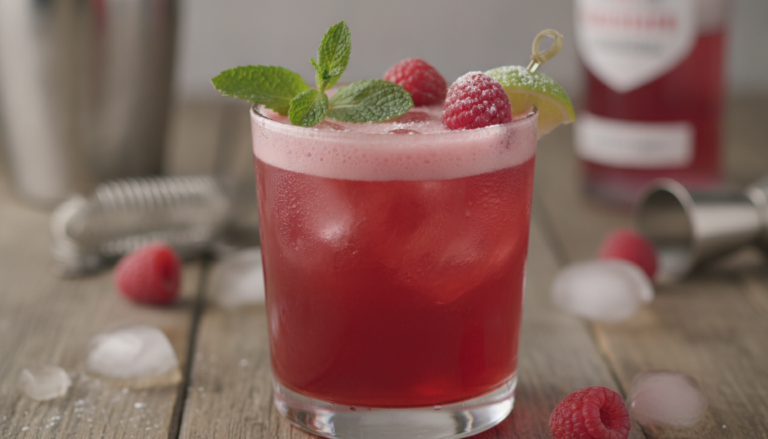
Raspberry Vodka Daiquiri
This gorgeous daiquiri blends fresh raspberries with vodka, lime juice, and simple syrup — vibrant, refreshing, and beautifully simple.
4
servings30
minutes40
minutes300
kcal1
hour10
minutesIngredients
3 oz vodka
1.5 oz lime juice
1 oz simple syrup
1 cup fresh raspberries
1 cup ice cubes
Directions
- In a blender, combine the vodka, lime juice, simple syrup, fresh raspberries, and ice cubes.
- Blend all ingredients until smooth.
- Strain the mixture into a chilled cocktail glass.
- Garnish with a raspberry or lime wheel if desired.
Nutrition Facts
- Total number of serves: 4
- Calories: 180kcal
- Cholesterol: 0mg
- Sodium: 620mg
- Potassium: 400mg
- Sugar: 8g
- Protein: 6g
- Calcium: 60mg
- Iron: 2mg
About This Author

Amelia Grace
Editor-in-Chief & Culinary Director
The heart and guiding voice of Daily Dish, Amelia leads our editorial vision and recipe development. With a background in food journalism and over a decade spent in professional kitchens, she has a knack for blending gourmet technique with real-world accessibility. Her goal? To make every reader feel like a confident cook, one dish at a time.
Favorite dish: Creamy lemon risotto with a sprinkle of fresh thyme.
Kitchen motto: “Good food doesn’t have to be complicated — it just has to be made with heart.”















