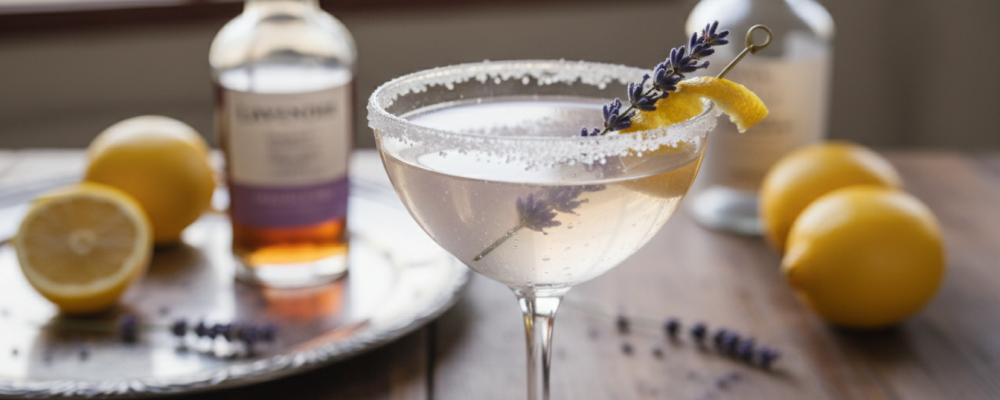

The lemon drop martini is a modern classic — vodka, lemon juice, simple syrup, and triple sec, served in a sugar-rimmed glass. It’s refreshing, approachable, and enduringly popular. But it’s also relatively one-dimensional in its original form. The Lavender Lemon Drop Martini takes this solid foundation and introduces lavender as a strategic enhancement that adds complexity without overwhelming the drink’s essential lemon-forward character.
From a technical standpoint, lavender is a challenging ingredient to work with in cocktails. Too much and it tastes like soap or perfume; too little and it’s imperceptible. The key is using lavender-infused simple syrup at precisely calibrated amounts where the floral notes are present but subtle — you should taste lavender, recognize it, appreciate it, but not feel like you’re drinking potpourri. This delicate balance is what separates successful floral cocktails from disasters.
What makes this variation particularly successful is how lavender and lemon complement each other naturally. Lemon’s brightness and acidity provide a crisp foundation that prevents lavender from becoming cloying or overwhelming. The floral notes add aromatic complexity that makes each sip more interesting without fundamentally changing what the drink is. The triple sec contributes additional citrus depth, while vodka’s neutrality allows the lemon-lavender pairing to shine. The result is a cocktail that tastes sophisticated and refined while remaining supremely drinkable.
─────────
The Inspiration Behind This Recipe
This cocktail emerged from observing how lavender had become ubiquitous in culinary applications — lavender honey, lavender lemonade, lavender baked goods — yet remained underutilized in quality cocktails. When lavender does appear in drinks, it’s often overdone, creating beverages that taste more like air freshener than cocktails. I wanted to demonstrate that lavender could be used judiciously to enhance rather than dominate.
Pairing it with lemon was logical. Lemon’s bright acidity and citrus character provide the perfect backdrop for lavender’s floral sweetness. The combination has precedent in French cuisine, particularly in Provence where both ingredients are regional staples. Lavender shortbread, lemon-lavender tarts, lavender lemonade — these flavor pairings have proven successful in countless applications. Translating them to cocktail form while maintaining proper balance was the challenge.
The lemon drop martini provided an ideal template because it’s a drink people already love and understand. Rather than creating something entirely new that might feel unfamiliar, I took a beloved classic and added one element that elevates it into something special. This approach makes the drink approachable — people know what a lemon drop is, so they have context — while the lavender adds enough distinction to make it memorable and Instagram-worthy.
─────────
A Brief History of the Lemon Drop and Floral Cocktails
The lemon drop martini was created in the 1970s at Henry Africa’s bar in San Francisco, inspired by the lemon drop candy popular at the time. The drink gained widespread popularity in the 1990s during the “martini boom” when virtually any cocktail served in a martini glass was dubbed a “martini” regardless of ingredients. Despite this loose nomenclature, the lemon drop established itself as a legitimate classic — refreshing, balanced, and crowd-pleasing.
The drink’s appeal lies in its simplicity and its ability to make vodka interesting without requiring elaborate technique. The sugar rim echoes the candy inspiration while providing textural contrast and sweetness that balances the lemon’s tartness. The triple sec adds depth that prevents the drink from being one-dimensional lemon-vodka, creating something with actual complexity despite minimal ingredients.
Floral cocktails have ancient roots — flowers have been used to flavor beverages for millennia across various cultures. However, they gained particular prominence in Victorian England where floral waters and cordials were fashionable. The craft cocktail renaissance brought renewed interest in floral elements, with ingredients like elderflower, rose, violet, and lavender becoming increasingly common. The challenge has been using them thoughtfully — floral ingredients can quickly overwhelm, creating drinks that taste like beauty products rather than beverages.
─────────
Why This Mixing Method Works
The vigorous 20-second shake is critical for this cocktail’s success, particularly because you’re working with simple syrup that needs thorough integration. Lavender simple syrup is thicker and more viscous than plain simple syrup due to the infusion process, and it requires aggressive agitation to distribute evenly throughout the liquid. Without adequate shaking, you risk having lavender flavor concentrated in some sips and absent in others.
The extended shake time also creates optimal dilution from melting ice. This dilution is essential for balance — without it, the cocktail would taste too strong, too tart, and the lavender would be overwhelming rather than pleasant. The water from melting ice doesn’t weaken the drink; it opens up the flavors, softens the alcohol burn, and creates a smoother, more integrated drinking experience. The shake should be vigorous enough that the outside of the shaker becomes uncomfortably cold to hold — that’s your signal that proper chilling and dilution have occurred.
Straining into a chilled martini glass ensures the drink stays at optimal temperature throughout the drinking experience. Martini-style cocktails warm quickly because they’re served without ice, so starting with a properly chilled glass extends that window of perfect temperature. The sugar rim preparation — moistening the rim before dipping in sugar — creates adhesion while adding textural interest and sweetness that balances the lemon’s tartness, echoing the original lemon drop’s candy inspiration.
─────────
Flavor Profile: What to Expect
The Lavender Lemon Drop Martini delivers a sophisticated, multi-layered taste experience:
- Bright Lemon Tartness: Fresh lemon juice provides clean, sharp citrus acidity that forms the drink’s foundation
- Delicate Lavender Aromatics: Subtle floral notes that enhance rather than dominate, adding sophistication and complexity
- Smooth Vodka Base: Clean spirit foundation that allows the lemon-lavender pairing to shine without interference
- Orange Liqueur Depth: Triple sec adds additional citrus complexity beyond simple lemon
- Balanced Sweetness: Lavender simple syrup provides necessary sweetness that rounds out lemon’s tartness
- Sugar Rim Enhancement: Sweet, crunchy texture that provides pleasant contrast to the tart liquid
- Aromatic Complexity: Floral scent that enhances each sip through aromatic appeal
The overall experience is elegant and refined — tart enough to be refreshing, sweet enough to be pleasant, floral enough to be interesting, balanced enough to be sophisticated.
─────────
Tips for Making the Best Lavender Lemon Drop Martini
Create the perfect balance of tart, floral, and smooth with these essential techniques:
- Make quality lavender simple syrup: Combine equal parts sugar and water, bring to a simmer, add 2 tablespoons dried culinary lavender per cup of syrup, steep for 30 minutes, then strain. Use culinary lavender, not decorative or essential oils.
- Fresh lemon juice is mandatory: This cannot be compromised. Bottled lemon juice tastes flat and artificial. Always squeeze fresh lemons right before making the cocktail.
- Use quality vodka: Choose a smooth, clean vodka like Tito’s, Ketel One, or Grey Goose. The vodka is the base spirit, so quality matters.
- Quality triple sec makes a difference: Cointreau is ideal for its complex orange flavor, but Grand Marnier or quality triple sec also work well.
- Don’t overdo the lavender syrup: Start with the recipe amount and taste. It’s easier to add more than to fix a drink that tastes like perfume.
- Chill your glass thoroughly: Put your martini glass in the freezer for at least 15 minutes before serving. Temperature is critical for martini-style drinks.
- Shake with commitment: Really give it a vigorous 20-second shake. The texture and temperature depend on it.
For the sugar rim, use superfine or caster sugar for the most elegant appearance and texture. Regular granulated sugar works but looks less refined.
─────────
Serving Suggestions and Garnish Ideas
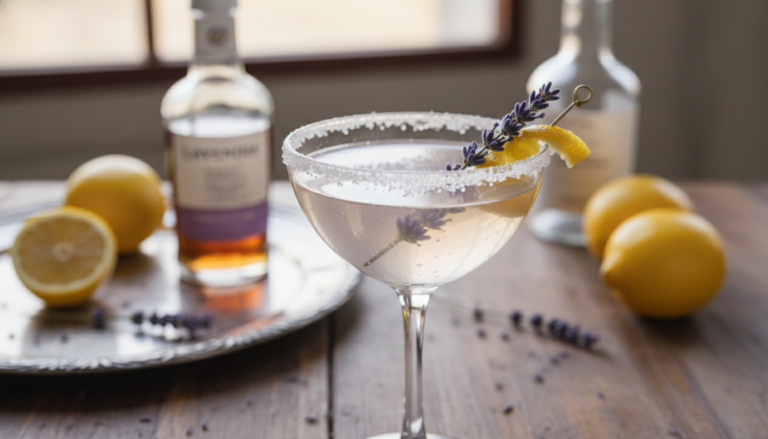
The Lavender Lemon Drop Martini looks stunning in traditional V-shaped martini glasses or coupe glasses. The drink’s pale yellow color with a hint of lavender is naturally elegant, and the sugar rim adds visual appeal that catches the light beautifully. For extra sophistication, use coupe glasses which provide a vintage, refined aesthetic that suits this cocktail’s elegant character.
The lemon slice garnish is classic and essential — it provides visual appeal, aromatic citrus, and identifies the drink’s flavor profile immediately. For extra elegance, cut a thin lemon wheel and make a small slit so it perches on the rim. You could also add a small sprig of fresh lavender alongside the lemon for both visual beauty and aromatic enhancement. Some bartenders like to float a few dried lavender buds on the drink’s surface for Instagram-worthy presentation, though this should be done sparingly to avoid overwhelming floral character.
This cocktail is perfect for spring gatherings, garden parties, bridal or baby showers, afternoon tea events, or any occasion where you want something elegant and sophisticated. The floral character makes it particularly appropriate for spring and early summer when lavender is in bloom. It’s also an excellent signature cocktail for weddings or events with purple, lavender, or garden themes. The refined character makes it ideal for upscale entertaining where you want to serve something that feels special and thoughtful.
─────────
Storage and Make-Ahead Tips
- Make lavender simple syrup in advance: Lavender syrup keeps for 3-4 weeks refrigerated in a sealed container. Make a batch and use it for multiple cocktail sessions.
- Fresh lemon juice window: Lemon juice is best used within 4-6 hours of squeezing for optimal flavor and vitamin retention. Don’t juice lemons too far ahead.
- Vodka and triple sec storage: Both keep indefinitely at room temperature in a cool, dark place.
- Pre-chill glasses: Put martini glasses in the freezer 30 minutes to an hour before making cocktails if serving multiple people.
- Sugar rim preparation: You can rim glasses up to 2 hours before serving if kept in a cool, dry place. Don’t refrigerate rimmed glasses as condensation can make sugar sticky.
- Batch the base: For parties, pre-measure vodka, lemon juice, lavender syrup, and triple sec in a sealed container and refrigerate. Shake individual portions with ice when ready to serve.
This cocktail must be made fresh to order to maintain proper temperature and texture. You cannot batch complete drinks because they need immediate serving after shaking.
─────────
Why This Recipe Deserves a Spot in Your Rotation
The Lavender Lemon Drop Martini is one of those recipes that makes you look like a cocktail expert while being surprisingly straightforward to execute. The lavender element adds enough sophistication and visual interest to make people think you’ve done something complicated, when in reality you’ve just added one flavored syrup to a classic template. That return on investment — minimal extra effort for maximum impressive results — is what makes certain recipes invaluable.
What makes this particularly worthwhile is how it teaches you to work with floral ingredients thoughtfully. Once you’ve successfully incorporated lavender without creating a perfume-bomb, you understand the principles that apply to all floral cocktails: less is more, balance is everything, and the floral element should enhance rather than dominate. These lessons translate to working with elderflower, rose, violet, and other botanical ingredients, expanding your cocktail repertoire significantly. The recipe also demonstrates how to elevate classics through strategic additions — a skill that serves you well across countless other drinks.
─────────
Recommended Food Pairing
The Lavender Lemon Drop Martini’s bright, floral character pairs beautifully with light, elegant foods that complement its sophisticated nature. Fresh cheeses like chèvre, burrata, or ricotta work wonderfully — add honey drizzle, fresh berries, and crusty bread for a simple but elegant cheese course. The cocktail’s acidity cuts through cheese’s richness while its floral notes add aromatic harmony.
For appetizers, consider smoked salmon canapés, shrimp cocktail, or delicate tea sandwiches with cucumber and dill. These light, refined bites echo the cocktail’s elegance without overwhelming its delicate flavors. Oysters with lemon mignonette create a sophisticated pairing where both cocktail and food share citrus brightness. Spring salads featuring arugula, goat cheese, candied pecans, and lemon vinaigrette also work beautifully.
For dessert pairings, this martini is exceptional alongside lemon-based sweets: lemon bars, lemon tart, lemon panna cotta, or lemon pound cake. The cocktail reinforces the citrus while adding floral complexity. Lavender shortbread creates harmonious flavor connections, as do macarons in lemon or lavender flavors. Fresh berries — particularly blueberries or blackberries — with whipped cream or mascarpone provide sweet, tart contrast that complements the cocktail’s profile. Avoid heavy, chocolate-forward desserts that would clash with the drink’s delicate character. This is a refined cocktail that shines alongside equally refined, light foods that allow its subtle lavender character to be appreciated rather than overwhelmed.
Lavender Lemon Drop Martini
This refined martini combines bright lemon with aromatic lavender and smooth vodka — balanced, beautiful, and utterly memorable.
4
servings30
minutes40
minutes300
kcal1
hour10
minutesIngredients
3 oz vodka
1 oz lemon juice
0.5 oz lavender simple syrup
0.5 oz triple sec
1 cup ice
1 lemon slice
1 tsp sugar
Directions
- Combine vodka, lemon juice, lavender simple syrup, and triple sec in a cocktail shaker.
- Add ice to the cocktail shaker until it’s halfway full.
- Shake vigorously for about 20 seconds until the outside of the shaker feels icy cold.
- Strain the mixture into a chilled martini glass.
- Garnish with a lemon slice and sugar rim.
Nutrition Facts
- Total number of serves: 4
- Calories: 210kcal
- Cholesterol: 0mg
- Sodium: 620mg
- Potassium: 400mg
- Sugar: 8g
- Protein: 6g
- Calcium: 60mg
- Iron: 2mg
About This Author

Benjamin Brown
Recipe Developer
Benjamin is our flavor engineer. A classically trained chef turned recipe developer, he’s obsessed with balancing taste, texture, and creativity. He ensures that every recipe we publish is not only delicious but also reliable, approachable, and repeatable — even for beginners.
Favorite dish: Slow-braised short ribs with red wine reduction.
Kitchen motto: “Cooking is part science, part soul.”