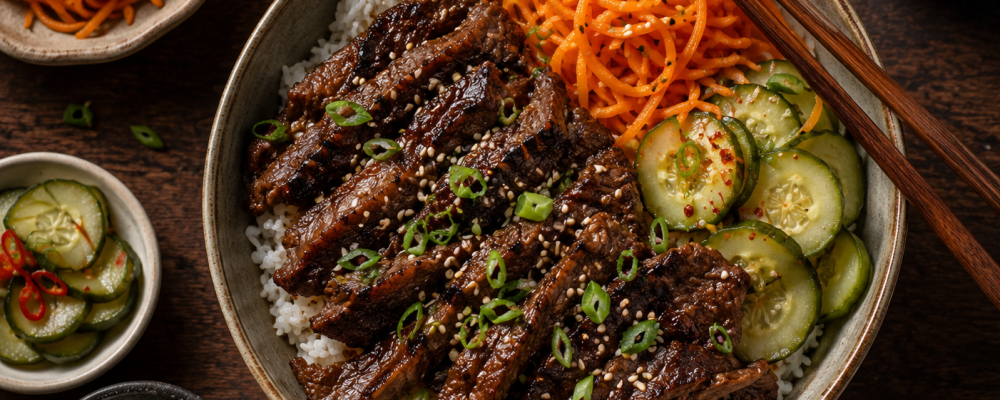

This recipe runs two preparation steps in parallel — marinating the beef and pickling the vegetables — and the twenty-minute window in which both occur is not arbitrary. It is the minimum time required for each process to produce its intended outcome, and understanding what each process is achieving in that window is what explains why the finished bowl tastes the way it does.
The beef marinade is doing two things simultaneously. The osmotic pressure differential created by the soy sauce’s sodium chloride concentration draws a small amount of moisture out of the beef’s surface while simultaneously driving the marinade’s flavor compounds inward — a process that exchanges water for flavor at the muscle fiber’s surface and produces a more deeply seasoned exterior than a dry rub or a surface-applied sauce could achieve. The brown sugar’s glucose and fructose molecules, drawn to the beef’s surface by this same osmotic exchange, concentrate at the exterior in a form that is primed for caramelization the moment the skillet reaches temperature. Twenty minutes is sufficient for meaningful flavor penetration and sugar concentration; longer is better for depth, but twenty minutes produces a distinctly superior result to no marination at all.
The quick pickle runs on a different but complementary mechanism. Rice vinegar’s acetic acid — approximately 3 to 4 percent by volume — lowers the pH of the water phase surrounding the julienned carrots and cucumber slices, creating an acidic environment that the vegetables’ cell walls partially resist through natural buffering. The osmotic differential between the high-acid, moderate-salt vinegar environment and the lower-acid interior of the vegetable cell draws moisture outward while the acid molecules move inward, simultaneously firming the vegetable’s texture through partial dehydration and seasoning it throughout. The twenty-minute pickle produces a vegetable that is noticeably crisper, more seasoned, and more acidic than a raw one — which is precisely the textural and flavor counterpoint the sweet, rich beef marinade requires.
─────────────────────────────────────────
The Inspiration Behind This Recipe
The design brief for this bowl was to replicate the specific satisfaction of Korean BBQ — the combination of sweet, savory, slightly charred beef with bright, acidic accompaniments and fragrant sesame — in a format that is achievable in a home kitchen without a tabletop grill and that holds its quality across four days of refrigerator storage. The central challenge was the beef: thinly sliced, highly marinated Korean BBQ beef is at its absolute best in the sixty seconds after it leaves a very hot cooking surface, and the distance between that moment and the Thursday lunch container is the challenge that every preparation decision in this recipe is designed to address.
The solution is the marinade’s brown sugar component. Brown sugar — not white sugar, not honey — was chosen specifically for its molasses content, which contributes two properties that white sugar cannot provide. First, the molasses introduces additional Maillard reaction precursors to the beef’s surface — amino-acid adjacent compounds that react with the surface proteins at cooking temperatures to produce more complex, more specifically caramelized flavor compounds than white sugar alone would generate. Second, the molasses’s hygroscopic character — its tendency to attract and bind ambient moisture — helps the cooked beef’s exterior retain a subtle stickiness through refrigeration that keeps each slice from drying out the way plainly seasoned beef inevitably does by day three. Brown sugar is doing flavor work and moisture-retention work simultaneously.
The pickled vegetables are the component whose function is most frequently underestimated in Korean BBQ preparations. They are not a garnish or a side — they are the acid counterpoint that makes the entire bowl’s flavor balance work. The beef’s marinade is sweet, savory, and fat-rich; without an acid element, the bowl’s flavor profile tips toward heaviness and monotony by the second bite. The rice vinegar’s acidity cuts through the sesame oil’s fat, resets the palate after the soy-sugar richness, and makes each subsequent bite of beef taste as vivid and as flavorful as the first. This is the same flavor balance logic that makes kimchi essential to Korean BBQ rather than optional: acid against richness is a flavor principle, not a cultural convention.
─────────────────────────────────────────
A Brief History of Korean BBQ and Bulgogi
The Korean BBQ tradition — grilling seasoned, marinated meat over direct heat at the table — is one of Korea’s most beloved and most internationally recognized culinary practices, with origins in the royal court cooking of the Joseon Dynasty (1392–1897) and documented references to marinated and grilled beef preparations stretching back even further into Korean culinary history. Bulgogi — literally “fire meat” — is the preparation that most directly informs the marinade in this recipe: thinly sliced beef marinated in a soy sauce, sugar, sesame oil, garlic, and ginger mixture and cooked quickly over high heat to develop a characteristic caramelized exterior.
The specific combination of soy sauce, sugar, and sesame oil that defines bulgogi marinade reflects the flavor philosophy of Korean royal court cuisine — gungjung yori — where balance between salty, sweet, and aromatic elements was considered a marker of culinary refinement. The sesame oil specifically was a luxury ingredient in historical Korean cooking, used sparingly and specifically in preparations where its distinctive aromatic character was the intended finishing note. The contemporary bulgogi marinade is a democratized version of that court preparation, made accessible through the widespread availability of its ingredients and producing a flavor outcome whose sophistication exceeds what its recipe simplicity would suggest.
The pickled vegetable accompaniment — banchan in Korean culinary tradition — reflects Korea’s extensive fermented and preserved food culture, where acids and fermentation have been used for centuries to provide the digestive and flavor counterpoints that fatty or rich preparations require. While kimchi is the most globally recognized banchan, the quick-pickled carrot and cucumber in this recipe draws on the broader tradition of rice-vinegar-based pickles that appear throughout Korean and broader East Asian cooking as fast-preparation acid elements for assembled grain and protein bowls.
─────────────────────────────────────────
Why This Cooking Method Works for Meal Prep
High-heat cooking in a skillet is the cooking method that produces the best meal-prep-stable result for thinly sliced marinated beef, and the reason is the speed of the Maillard reaction at the correct temperature. A fully preheated skillet over medium-high heat reaches surface temperatures of 375 to 425°F — hot enough to initiate immediate Maillard browning at the beef’s sugar-coated surface within the first thirty seconds of contact. This rapid surface caramelization produces a browned, slightly sticky exterior that acts as a moisture-sealing layer, significantly slowing the internal moisture loss that makes refrigerated beef dry and unpleasant by day three.
Cooking the beef in a single layer with minimal stirring — allowing each piece to develop full surface contact with the hot pan — is the technique decision that determines whether the finished beef has the characteristic bulgogi caramelization or simply the appearance of cooked beef. Stirring frequently drops the pan temperature and prevents the sustained surface contact required for browning; the beef steams rather than sears, producing a grey, moist result with no caramelized surface and significantly less flavor. Four to five minutes of largely undisturbed medium-high heat produces the correct result: browned, slightly charred at the edges, with the caramelized soy-sugar exterior that is the defining quality of properly cooked Korean BBQ beef.
Storing the pickled vegetables separately from the beef and rice is the meal prep decision that preserves the textural and flavor integrity of the bowl’s most critical component. The pickle’s residual acidity, in prolonged contact with cooked beef, will progressively denature the surface proteins of the beef slices — making them tougher and more acidic-tasting rather than tender and richly savory. Stored separately and combined fresh at serving, the pickle provides its intended acidic counterpoint at every meal without compromising the beef’s texture across the storage window.
─────────────────────────────────────────
Flavor Profile: What to Expect
This bowl is bold, balanced, and deeply satisfying — a flavor profile built on the productive tension between sweet richness and acidic brightness:
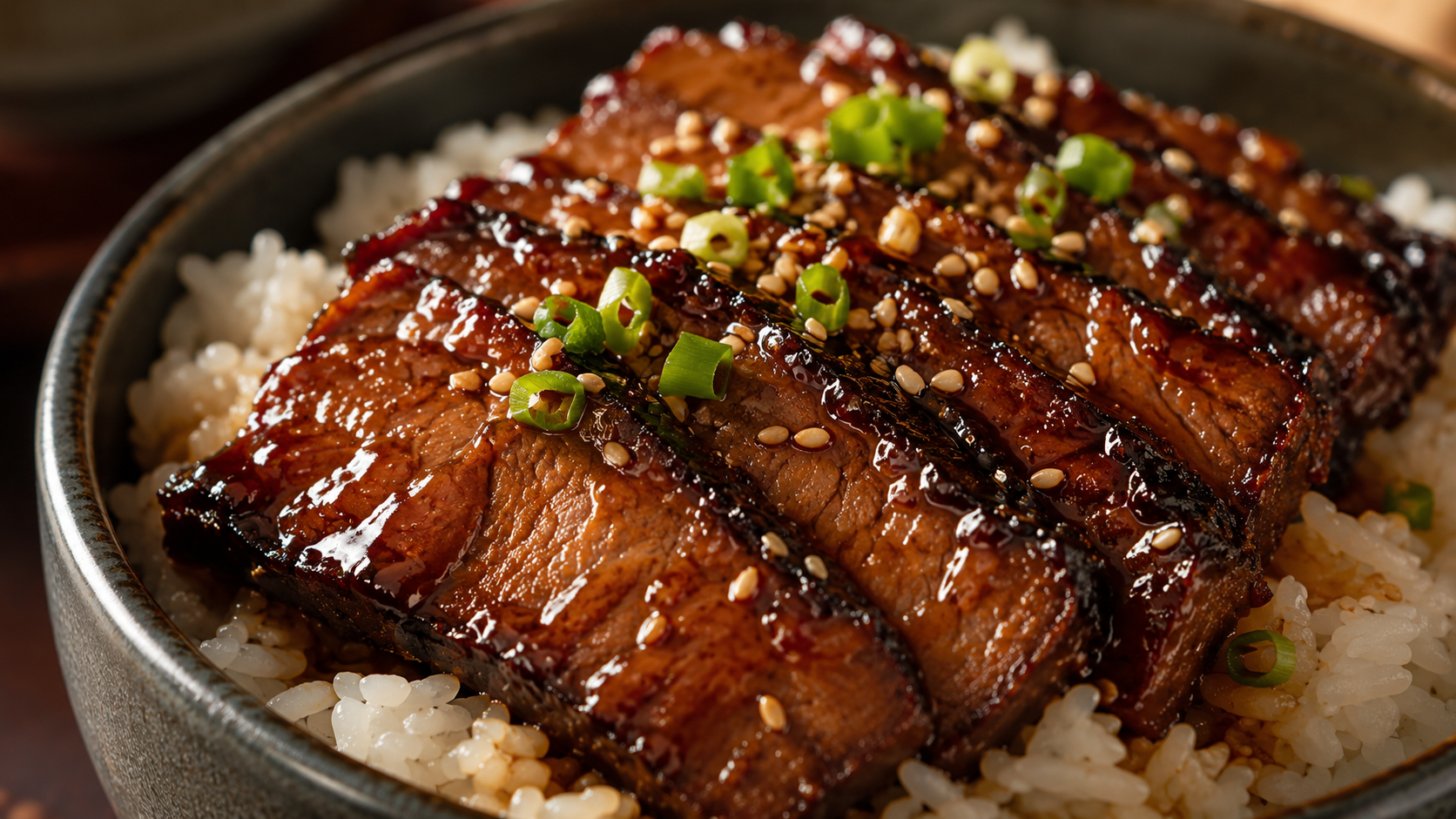
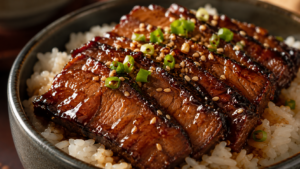
- Caramelized, sweet-savory beef – The bowl’s defining flavor event: the soy-sugar-sesame marinade caramelized to a slightly sticky, burnished coating that is simultaneously umami-rich and sweetly complex — the specific character of properly executed bulgogi that no other cuisine produces in quite the same way
- Molasses-forward brown sugar depth – The sweetener whose specific caramelization character distinguishes this marinade from simpler preparations — more complex and more specifically flavored than white sugar, contributing the slightly toffee-adjacent depth that makes the beef’s exterior taste like something specifically thought about
- Aromatic garlic and ginger warmth – Bloomed into the marinade’s fat phase and set at the beef’s surface during cooking, these two aromatics provide the foundational savory warmth that grounds the marinade’s sweetness and keeps every bite tasting specifically of Korean BBQ
- Toasted sesame richness – Present throughout the marinade and as a surface garnish, the sesame’s nutty, slightly smoky character is the aromatic signature that makes the bowl immediately identifiable as belonging to this culinary tradition
- Sharp, refreshing rice vinegar pickle – The essential counterpoint: crisp, acidic, and palate-resetting between each bite of rich beef — the component that makes the third bite of beef taste as vivid as the first
- Fresh green onion and sesame seed finish – Clean allium brightness and toasty nuttiness at the surface that lift the entire bowl and provide the visual and textural finishing notes that make it look and taste composed
The marinade’s flavor compounds continue to distribute through the beef’s fat during refrigerator storage — day-two beef is reliably more evenly and more deeply seasoned than the freshly cooked version.
─────────────────────────────────────────
Tips for Making the Best Korean BBQ Beef & Pickled Veggie Rice Bowls
Execution at the marination and high-heat cooking stages determines the quality ceiling of this bowl:
- Slice the beef as thinly as possible – Thin slices maximize the marinade’s surface-area contact and the Maillard reaction’s caramelization coverage. If slicing at home, place the sirloin in the freezer for twenty minutes before slicing — partially frozen beef cuts into thin, clean slices far more reliably than room-temperature beef. Many Asian grocery stores sell pre-sliced beef for bulgogi specifically, which is the most convenient option.
- Marinate for longer than twenty minutes whenever possible – Twenty minutes is the functional minimum; one to two hours produces noticeably deeper flavor penetration; overnight in the refrigerator produces the most thoroughly seasoned beef in the collection. The marinade’s osmotic mechanism continues working as long as the beef remains in it.
- Get the skillet genuinely hot before adding beef – A drop of water flicked onto the pan surface should evaporate immediately and completely within two seconds. A cooler pan produces steaming rather than searing and eliminates the caramelization that makes this bowl specifically worth making.
- Cook in batches if needed – A crowded pan drops its temperature and produces steamed, grey beef rather than caramelized, browned beef. If the skillet cannot accommodate all the beef in a single uncrowded layer, two batches produces a significantly better result than one crowded attempt.
- Don’t discard the marinade — bring it to a boil first** – The reserved marinade, brought to a rolling boil for sixty seconds to eliminate food safety concerns from raw beef contact, produces an intensified finishing sauce that can be drizzled over the assembled bowl. This step is optional but produces a bowl with additional sauce volume that is particularly valuable across the later days of the prep week when the beef’s surface caramelization has partially rehydrated in storage.
- Salt the pickle lightly – A pinch of salt added to the rice vinegar before the vegetables are added accelerates the osmotic process and produces a more thoroughly pickled vegetable in the same twenty-minute window. The salt draws moisture from the vegetable more aggressively, speeding both the crunch and the flavor development.
Optional: A fried or soft-boiled egg placed over the finished bowl — the yolk broken over the beef and rice — adds richness and a second protein layer that makes the bowl noticeably more substantial and specifically replicates the assembled dolsot bibimbap experience that is the most direct restaurant reference point for this preparation.
─────────────────────────────────────────
Portioning and Container Suggestions
This recipe produces four generous bowls from a single batch — one per day for a four-day lunch or dinner rotation. A three-container system per serving works best: the cooked white rice in one flat, wide container; the Korean BBQ beef in a second container with any reserved finishing sauce; and the pickled vegetables stored separately in a third container or a small sealed bag. Assembly at serving takes under two minutes and preserves every component’s intended texture and flavor.
The pickled vegetables should never be stored in contact with the beef — even for a single night. The ongoing acid activity in the pickle continues after the twenty-minute initial pickling window and will progressively affect any protein surface it contacts. A small separate container is the single most important structural storage decision in this recipe.
The beef stores best in a container that allows it to rest in a single, relatively flat layer — compressed beef stacks develop compressed caramelized surfaces that become difficult to separate cleanly at serving. A flat layer allows each slice to be lifted individually and distributed across the bowl without breaking the caramelized exterior that is the preparation’s defining quality.
─────────────────────────────────────────
Storage, Reheating, and Shelf Life Tips
- Korean BBQ beef storage: Keeps in an airtight container for up to 4 days in the refrigerator. The marinade’s flavor compounds continue distributing through the beef’s fat during storage — day-two and day-three beef is the flavor peak.
- White rice storage: Keeps for 4–5 days refrigerated. Add a teaspoon of water before reheating to restore moisture.
- Pickled vegetables storage: Keep in a sealed container for 4–5 days in the refrigerator. The pickle intensifies in flavor over time as the acid continues its work — a day-three pickle is sharper and more deeply seasoned than a day-one pickle. Both are correct; the progression reflects the acid’s ongoing activity.
- Freezer storage: Beef freezes well for up to 2 months in portioned bags — the marinade’s fat content makes it freeze-stable with minimal texture change after thawing. Rice freezes equally well for 2 months. Quick-pickled vegetables do not freeze — the cell structure collapses completely on thawing.
- Reheating beef: Skillet reheating over medium heat for 2–3 minutes is strongly preferred — it re-activates the caramelized surface compounds and produces a result noticeably closer to freshly cooked. Microwave at 50–60% power for 60–90 seconds if skillet reheating is not available; full power toughens the surface protein and drains the beef of moisture rapidly.
- Reheating rice: Add a teaspoon of water, cover loosely, and microwave at full power for 60–90 seconds, stirring halfway through.
- Apply pickled vegetables cold: The pickle’s textural and flavor contribution is at its best served cold directly from the refrigerator against the warm beef and rice — the temperature contrast amplifies the acid’s palate-resetting effect.
─────────────────────────────────────────
Why This Recipe Deserves a Spot in Your Meal Prep Rotation
The efficiency argument is clean: one marinade, one pickle, one pan, and the result is four restaurant-quality Korean BBQ bowls assembled in a single Sunday session from ingredients available at any grocery store. The twenty-minute parallel preparation of the marinade and the pickle is the kind of time efficiency that makes meal prep genuinely worthwhile — two processes running simultaneously rather than sequentially means the total active preparation time is the length of one step rather than two.
The deeper argument is the flavor one. Korean BBQ achieves a specific and irreplaceable kind of satisfaction — the combination of sweet, savory, caramelized beef and sharp acidic accompaniments is not approximated by any other flavor tradition. A meal prep rotation that includes this bowl has access to that specific satisfaction on demand, at desk, without a restaurant or a tabletop grill required. The caramelized soy-sugar exterior on the beef, the crisp, acidic pickle cutting through it at every bite, and the fragrant sesame threading through the whole bowl — these are not simplified versions of the flavors this culinary tradition produces. With the correct technique, they are those flavors, made at home, priced at a fraction of what the restaurant experience would cost, and waiting in the refrigerator ready to deliver them every day of the week. That is worth building a Sunday prep session around.
─────────────────────────────────────────
Meal Prep Pairing Suggestions
Korean BBQ Beef & Pickled Veggie Rice Bowls pair most naturally with other East Asian-inspired grain bowls that offer genuine protein and sauce contrast across the week. Our Miso Ginger Chicken & Soba Noodle Bowls are the natural rotation partner — both are built on the same fermented, soy-adjacent flavor tradition with sesame as a consistent aromatic thread, but the miso bowl’s gentle, warming umami depth and soba noodle base are completely distinct in character from the Korean BBQ bowl’s sweet, caramelized intensity and white rice foundation. Alternating between them across the week delivers two genuinely different East Asian flavor experiences that share a culinary philosophy without repeating a single technique or sauce.
For a complete three-bowl weekly spread, our Teriyaki Salmon Rice Bowls round out the rotation with a Japanese-inspired rice bowl that covers the same sauce-glazed protein over rice format in a sweeter, soy-forward glaze over a different protein entirely — salmon’s rich, fatty character providing genuine contrast to the sirloin’s lean, caramelized depth. Three bowls covering Korean, Japanese-miso, and Japanese-teriyaki seasoning traditions: three genuinely distinct flavor experiences sharing a white rice foundation, assembled from a single Sunday session, and delivering the kind of culinary range that makes a meal prep week feel specifically designed rather than generically prepared.
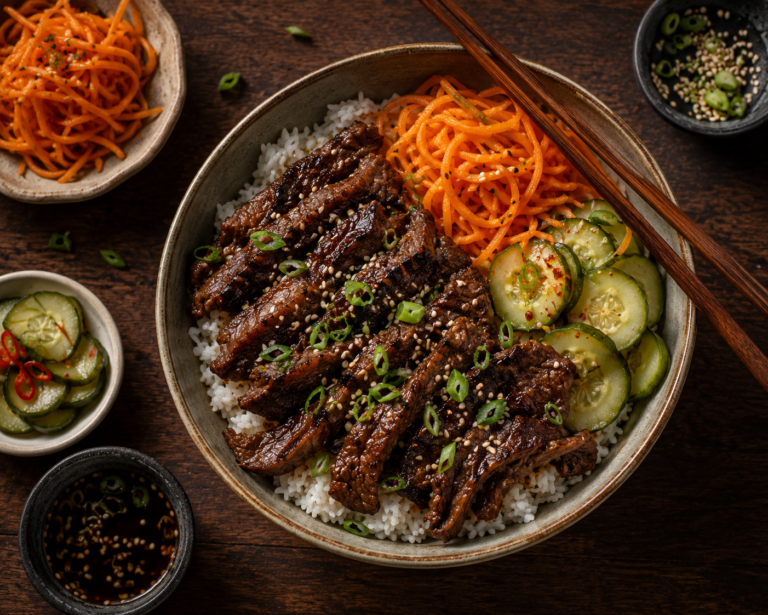
Korean BBQ Beef & Pickled Veggie Rice Bowls
These Korean BBQ Beef & Pickled Veggie Rice Bowls are a deeply flavored, weeknight-quality meal prep bowl built on a classic Korean BBQ marinade and a twenty-minute quick pickle that provides the acidic counterpoint that makes every component of the bowl taste more vivid by contrast.
4
servings30
minutes25
minutes550
kcal55
minutesIngredients
500 grams Beef sirloin, thinly sliced
1/4 cup Soy sauce
2 tablespoons Brown sugar
4 cloves Garlic, minced
1 tablespoon Sesame oil
1 tablespoon Grated ginger
2 tablespoons Rice vinegar
1 cup Carrots, julienned
1 cup Cucumbers, thinly sliced
2 cups Cooked white rice
1 tablespoon Sesame seeds
2 stalks Green onions, chopped
Directions
- In a bowl, combine soy sauce, brown sugar, garlic, sesame oil, and ginger. Mix well.
- Add the sliced beef to the marinade, cover, and refrigerate for at least 20 minutes.
- In a separate bowl, mix rice vinegar with the carrots and cucumbers. Let sit for 20 minutes.
- Heat a skillet over medium-high heat, cook the marinated beef until browned, about 5-7 minutes.
- Serve the beef over prepared rice, topped with pickled veggies.
- Sprinkle sesame seeds and green onions on top before serving.
Nutrition Facts
- Total number of serves: 4
- Calories: 550kcal
About This Author

Benjamin Brown
Recipe Developer
Benjamin is our flavor engineer. A classically trained chef turned recipe developer, he’s obsessed with balancing taste, texture, and creativity. He ensures that every recipe we publish is not only delicious but also reliable, approachable, and repeatable — even for beginners.
Favorite dish: Slow-braised short ribs with red wine reduction.
Kitchen motto: “Cooking is part science, part soul.”