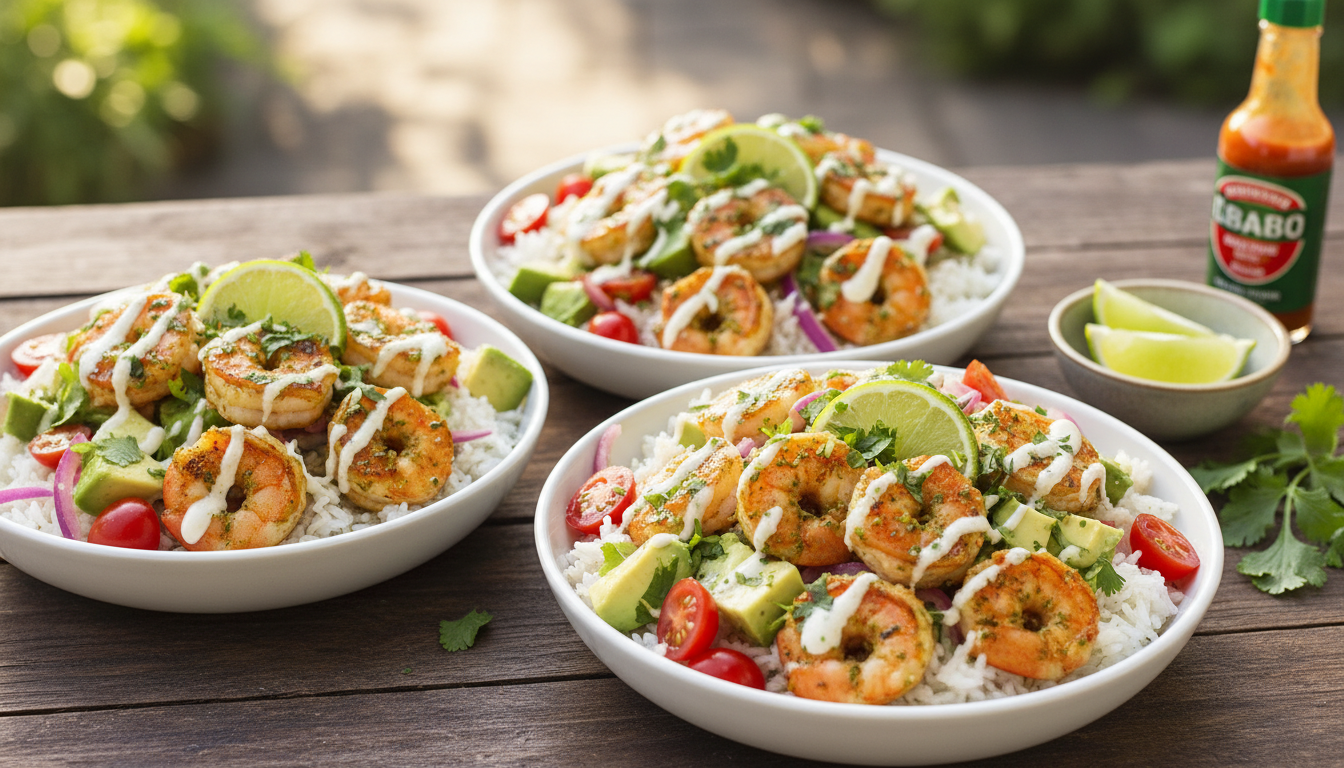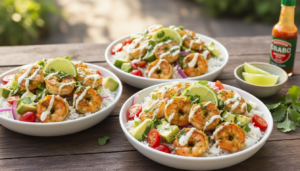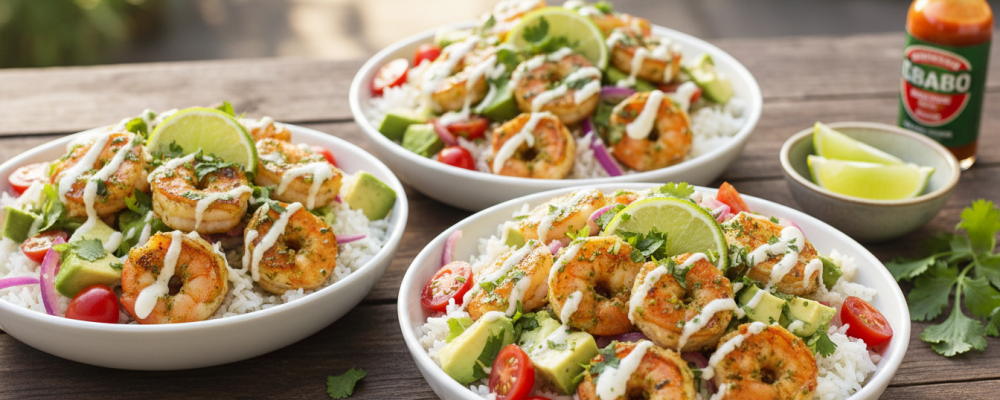

A rice bowl is only as good as its component strategy. Done poorly, it’s a container of soggy rice, rubbery protein, and vegetables that have collectively surrendered their identity by Wednesday. Done correctly, it’s one of the most efficient and satisfying formats in a weekly meal prep lineup—each component stored separately, each one holding its texture and flavor independently, the whole thing coming together in under two minutes at the moment of eating.
This Cilantro Lime Shrimp Rice Bowl is designed around that second approach. The rice, the shrimp, and the topping components are all stored independently, which means the integrity of each element is preserved throughout the week. The shrimp don’t steam themselves soft against a bed of warm rice overnight. The corn and black beans don’t weep moisture into the grain base. And the avocado—handled correctly—stays bright and usable far longer than most people assume.
What makes this recipe particularly well-suited to meal prep is the speed of the protein itself. Shrimp cook in four to five minutes and reheat even faster, which means the active kitchen time for this recipe is genuinely minimal. The flavor work—lime juice, cilantro, cumin, garlic—is done at the end of the cook, preserving brightness rather than cooking it off. The result is a bowl that tastes fresh-made on day four, not like something that’s been sitting in a fridge since Sunday.
─────────────────────────────────────────
The Inspiration Behind This Recipe
The challenge this recipe was built to solve is one of the most common complaints about meal-prepped lunches: flavor fatigue. A bowl that tastes aggressive and exciting on day one often feels flat and one-dimensional by day three, because most of what made it vibrant—fresh acidity, bright herbs, textural contrast—has faded or been lost during storage. The goal here was to build a bowl whose flavor profile is durable by design.
Lime juice and fresh cilantro were added off-heat deliberately. Acid and fresh herbs are among the most volatile flavor compounds in cooking—expose them to prolonged heat and they lose their punch entirely. By stirring them in just before removing the shrimp from the skillet, the heat is enough to marry them to the protein without cooking away their brightness. The result is shrimp that taste genuinely citrusy and herb-forward even after a day or two in the refrigerator.
Cumin was the grounding choice for the seasoning base. It adds warmth and earthiness that complements both the lime’s acidity and the natural sweetness of the corn and shrimp without overwhelming the overall profile. It’s a spice that deepens rather than shouts—and it holds its character through refrigeration in a way that more delicate spices simply don’t, making it an ideal anchor for any meal prep protein.
─────────────────────────────────────────
A Brief History of the Rice Bowl Format
The rice bowl as a meal format has deep roots across many of the world’s culinary traditions—from the donburi of Japan to the bibimbap of Korea to the grain and legume combinations that have sustained communities across Latin America for centuries. In each tradition, the common logic is the same: a base of cooked grain, a seasoned protein, and a collection of complementary components that together form a nutritionally complete and satisfying meal.
The specific flavor profile of this recipe draws primarily from Mexican and broader Latin American culinary traditions—the combination of cumin-spiced protein, citrus, fresh cilantro, black beans, and corn is deeply rooted in those cooking traditions and reflects the clean, vibrant flavors that have defined them for generations. Black beans and corn together form a complete protein when combined with a grain base, a nutritional relationship that was understood and utilized in Mesoamerican agriculture long before modern nutrition science gave it a name.
The contemporary rice bowl format—popularized in fast-casual dining and since adopted enthusiastically into home meal prep—is essentially a codification of this ancient logic into a modern, modular structure. Its success as a meal prep format is no accident: the combination of a shelf-stable grain base, a quickly cooked protein, and durable vegetable components maps almost perfectly onto the practical requirements of a week’s worth of prepped lunches. It’s a format that has endured precisely because it works.
─────────────────────────────────────────
Why This Cooking Method Works for Meal Prep
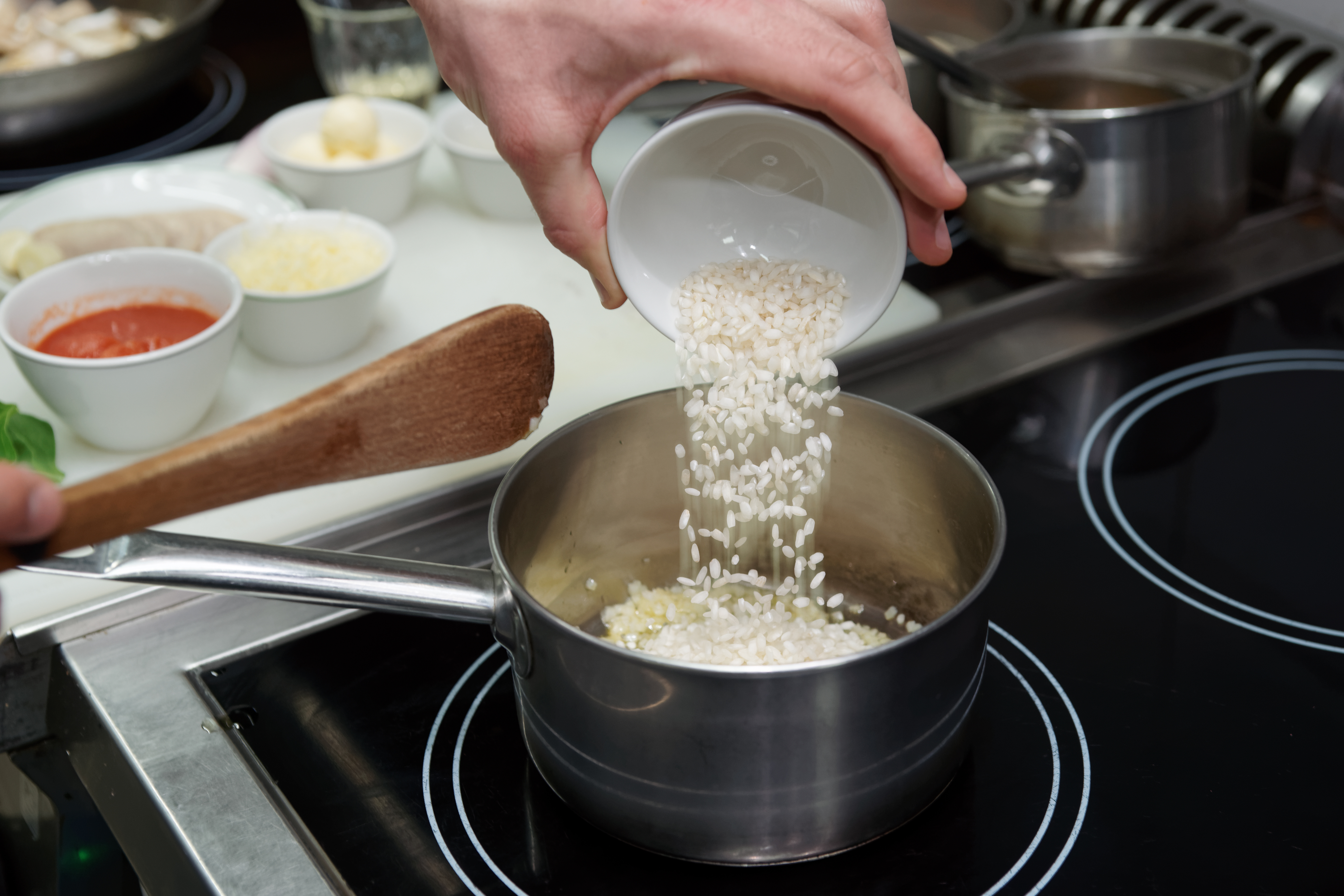
Rinsing the rice before cooking is a step that pays dividends specifically in a meal prep context. Excess surface starch on unrinsed rice causes grains to clump together aggressively as they cool and then harden into a dense, solid mass overnight. Rinsed rice cooks to a fluffier, more separated result that holds its texture in the refrigerator and loosens easily when reheated with a small amount of water—which is exactly what you need from a grain base that’s going to be reheated multiple times across five days.
The shrimp cook quickly for a structural reason: shrimp proteins coagulate fast and at a lower temperature than most other proteins, which means the margin between perfectly cooked and overcooked is narrow. Four to five minutes over medium heat achieves the right result—pink, opaque, and just firm without crossing into rubbery. Overcooked shrimp reheat poorly; properly cooked shrimp reheat in under a minute and retain their texture. Getting the initial cook right is what makes every subsequent reheating successful.
The component separation strategy—rice in one container, shrimp in another, beans and corn in a third, avocado handled separately—is what allows this bowl to perform at the same quality level on day four as on day one. Moisture migration between components is the primary enemy of a prepped bowl; eliminating contact between them during storage eliminates the problem at its source. Assembly at the point of eating takes ninety seconds and produces a bowl that looks and tastes like it was just made.
─────────────────────────────────────────
Flavor Profile: What to Expect
This bowl is bright, well-balanced, and built around the interplay of acid, warmth, and freshness:
- Citrus brightness – Fresh lime juice provides a sharp, clean acidity that lifts every other flavor in the bowl and keeps the overall profile feeling light rather than heavy
- Herbaceous punch – Fresh cilantro adds a green, slightly floral note that is the aromatic backbone of the entire dish
- Earthy, warm spice – Cumin delivers low, grounding warmth that anchors the brighter flavors and gives the shrimp a satisfying savory depth
- Natural sweetness – Corn kernels provide pops of mild sweetness that balance the acidity and play off the earthiness of the black beans
- Creamy richness – Avocado slices bring a cool, buttery counterpoint that softens the overall acidity and adds satisfying body to each bite
- Subtle brine – Black beans contribute a gentle, earthy saltiness that fills in the mid-palate and makes the bowl feel complete rather than light
The flavors integrate well after an overnight rest in the refrigerator—the lime and cilantro infuse the shrimp more thoroughly, and the cumin deepens slightly. Freshly assembled components (corn, beans, avocado) added at serving time ensure the textural and temperature contrasts that make each bowl feel fresh.
─────────────────────────────────────────
Tips for Making the Best Cilantro Lime Shrimp Rice Bowls
Executing this recipe well is largely about sequencing and temperature control:
- Don’t skip rinsing the rice – Rinsed rice produces significantly better meal-prepped results. Two minutes at the sink makes a meaningful difference across the entire week.
- Dry the shrimp before cooking – Pat shrimp dry with a paper towel before they hit the skillet. Excess moisture causes them to steam rather than sear, resulting in a pale, less flavorful exterior.
- Don’t crowd the pan – Shrimp need space to cook evenly. Work in two batches if necessary; overcrowding drops the pan temperature and leads to uneven cooking.
- Add lime and cilantro off-heat – Stir them in just after removing the skillet from the burner. This preserves their brightness and prevents the acid from continuing to tighten the shrimp protein.
- Manage the avocado carefully – Toss avocado slices in a small amount of lime juice before storing, and keep them in a separate airtight container with plastic wrap pressed directly against the surface to minimize oxidation. They’ll stay usable for 2–3 days.
- Reheat rice with a splash of water – A teaspoon of water added to the rice container before microwaving reintroduces moisture that was lost during refrigeration, producing fluffy rather than dry reheated rice.
Optional: A light drizzle of chipotle-seasoned Greek yogurt or a spoonful of salsa adds an extra flavor layer at serving time without any additional prep.
─────────────────────────────────────────
Portioning and Container Suggestions
A three-container system per serving day is the most efficient setup for this bowl: one medium container for the rice base, one smaller container for the seasoned shrimp, and one small container for the black beans and corn combined. Avocado, if prepped in advance, gets its own small container with the lime juice treatment described above—or simply sliced fresh at serving time, which takes thirty seconds and eliminates the oxidation variable entirely.
For daily volume, a standard portion works out to roughly 3/4 cup cooked rice, 4–5 ounces of shrimp (approximately 6–8 medium shrimp), and a generous scoop each of beans and corn. This produces a satisfying lunch portion without being excessive—if a larger dinner portion is needed, scale the shrimp and rice up accordingly.
Wide-mouth glass containers work best for this format—they allow for easy reheating of the rice and shrimp without transferring to another dish, and they’re sturdy enough to keep the components in good condition through transport. A bento-style container with multiple compartments is an equally effective all-in-one option for those who prefer to limit the number of containers in their prep setup.
─────────────────────────────────────────
Storage, Reheating, and Shelf Life Tips
- Refrigerator storage: Cooked rice and shrimp keep for up to 4 days in separate airtight containers. Black beans and corn keep for 4–5 days. Avocado is best prepped fresh daily or stored for no more than 1–2 days with lime juice and pressed plastic wrap.
- Freezer storage: Cooked shrimp freeze well for up to 2 months; freeze in a single layer before transferring to a bag to prevent clumping. Cooked rice freezes equally well for up to 2 months. Black beans and corn can also be frozen in portioned bags.
- Reheating the shrimp: Microwave for 30–45 seconds only—shrimp reheat extremely fast and tighten quickly if overcooked. Alternatively, warm briefly in a skillet over low heat with a small drizzle of olive oil.
- Reheating the rice: Add 1 teaspoon of water to the container, cover loosely, and microwave for 60–90 seconds, fluffing halfway through.
- Cold serving option: This bowl is genuinely excellent served cold or at room temperature. The lime-dressed shrimp over cool rice with beans, corn, and avocado functions well as a no-reheat lunch—particularly useful when a microwave isn’t available.
- Beans and corn: These can be served cold directly from the container and do not require reheating.
─────────────────────────────────────────
Why This Recipe Deserves a Spot in Your Meal Prep Rotation
From a pure efficiency standpoint, this bowl is difficult to beat. Total active cooking time is under twenty minutes, the ingredient list is short and largely pantry-based, and the result is four to five complete, nutritionally balanced meals that cover protein, complex carbohydrates, fiber, and healthy fat in a single container. The cost per serving is low, the flavor return is high, and the format is adaptable enough to prevent the repetition fatigue that causes most meal prep routines to break down by week three.
The deeper case for keeping this recipe in regular rotation is its modularity. The cilantro lime shrimp works just as well over cauliflower rice, in a tortilla, or on top of a green salad as it does in this bowl format—which means a single prep session can fuel multiple different meal configurations throughout the week. That kind of compounding utility, where one well-executed component extends across multiple meals, is the most efficient form of meal prep there is. This recipe delivers it without compromise.
─────────────────────────────────────────
Meal Prep Pairing Suggestions
Cilantro Lime Shrimp Rice Bowls pair naturally with other Latin-inspired or bright, acid-forward recipes that reinforce the flavor ecosystem without creating redundancy. Our Buffalo Chicken Lettuce Wraps offer a strong complement—both are high-protein, component-based lunch formats that share a bold, assertive flavor profile while covering completely different protein sources, ensuring genuine variety across the week.
For a more complete weekly spread, consider adding a batch of our Honey Roasted Sunflower Seed Clusters to the prep session—a four-ingredient snack that rounds out the day with something sweet and crunchy between meals. Together, a protein-forward bowl for lunch, a bold wrap option for variety, and a prepped snack for the gaps in between creates a cohesive, efficient weekly structure that covers every eating occasion with minimal Sunday effort.
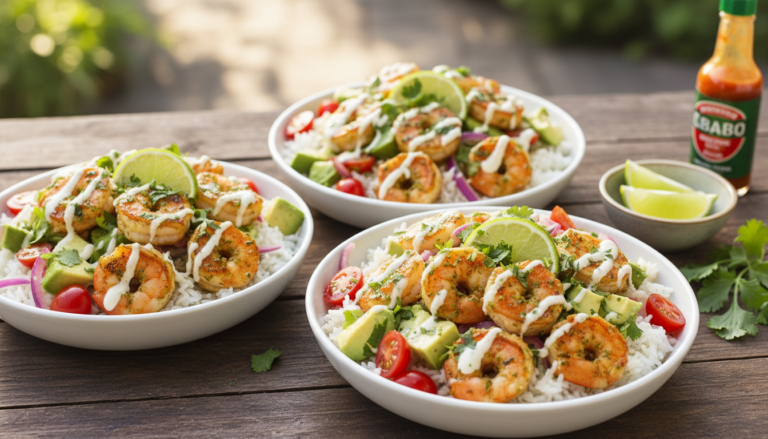
Cilantro Lime Shrimp Rice Bowls
These Cilantro Lime Shrimp Rice Bowls are a vibrant, protein-packed lunch or dinner that comes together quickly and stores beautifully—delivering bold, zesty flavor to every meal throughout the week.
4
servings15
minutes20
minutes400
kcal35
minutesIngredients
1 cup white rice
2 cups water
1 pound shrimp, peeled and deveined
2 tablespoons olive oil
2 cloves garlic, minced
1 teaspoon ground cumin
1/4 teaspoon salt
1/4 teaspoon black pepper
1/4 cup fresh lime juice
1/4 cup fresh cilantro, chopped
1 cup black beans, drained and rinsed
1 cup corn kernels, cooked
1 avocado sliced
1 lime cut into wedges
Directions
- Rinse the rice under cold water until the water runs clear.
- In a pot, bring water to a boil and add the rinsed rice. Cover, reduce heat, and simmer for 15 minutes.
- In a large skillet, heat olive oil over medium heat. Add garlic and cook for 1 minute until fragrant.
- Add shrimp, cumin, salt, and pepper to the skillet. Cook for 4-5 minutes, or until shrimp are pink and opaque.
- Stir in lime juice and fresh cilantro, then remove from heat.
- Fluff the cooked rice with a fork and divide into bowls.
- Top rice with shrimp, black beans, corn, avocado slices, and additional cilantro.
- Serve with lime wedges for squeezing over the bowls.
Nutrition Facts
- Total number of serves: 4
- Calories: 400kcal
- Cholesterol: 0mg
- Sodium: 620mg
- Potassium: 400mg
- Sugar: 8g
- Protein: 6g
- Calcium: 60mg
- Iron: 2mg
About This Author

Benjamin Brown
Recipe Developer
Benjamin is our flavor engineer. A classically trained chef turned recipe developer, he’s obsessed with balancing taste, texture, and creativity. He ensures that every recipe we publish is not only delicious but also reliable, approachable, and repeatable — even for beginners.
Favorite dish: Slow-braised short ribs with red wine reduction.
Kitchen motto: “Cooking is part science, part soul.”