Daily Dish

Buttermilk Fried Chicken

Healthy Fact of the Day

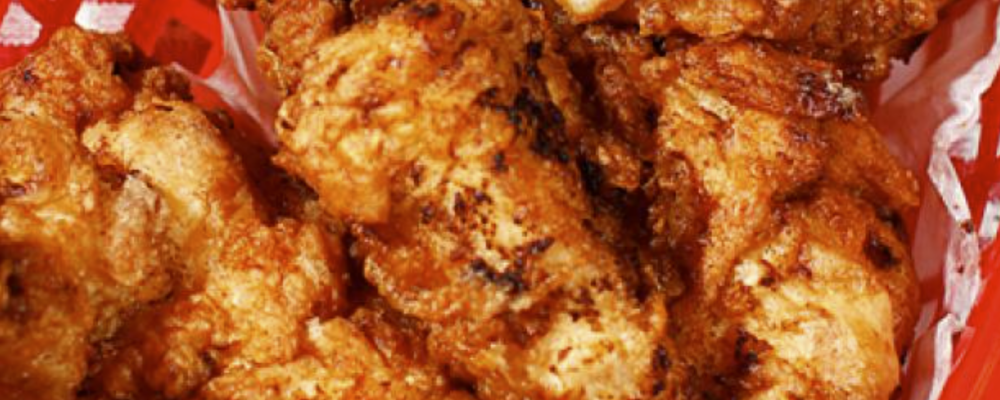
Buttermilk Fried Chicken, when enjoyed in moderation, can be a flavorful and crispy dish. Using buttermilk for marinating the chicken results in tender and juicy meat with a deliciously golden crust.

Ingredients


For the Marinade:

  • 4 cups buttermilk
  • 1 teaspoon hot sauce
  • 1 teaspoon paprika
  • 1 teaspoon garlic powder
  • 1 teaspoon onion powder
  • Salt and black pepper to taste
  • 4 lbs chicken pieces (drumsticks, thighs, breasts)


For the Coating:

  • 2 cups all-purpose flour
  • 1 tablespoon paprika
  • 1 tablespoon garlic powder
  • 1 tablespoon onion powder
  • 1 teaspoon cayenne pepper
  • Salt and black pepper to taste


For the Frying:

  • Vegetable oil
  •  

Instructions


  1. In a large bowl, whisk together buttermilk, hot sauce, paprika, garlic powder, onion powder, salt, and black pepper to create the marinade.
  2. Add the chicken pieces to the marinade, ensuring they are well-coated. Cover the bowl and refrigerate for at least 4 hours or overnight for best results.
  3. In a separate bowl, combine flour, paprika, garlic powder, onion powder, cayenne pepper, salt, and black pepper to create the coating mixture.
  4. Preheat your oven to 200°F (93°C) to keep the fried chicken warm while preparing the remaining pieces.
  5. Heat vegetable oil in a deep fryer or a large, deep skillet to 350°F (177°C).
  6. Remove the chicken pieces from the marinade, allowing excess buttermilk to drip off.
  7. Coat each piece in the flour mixture, pressing the coating onto the chicken.
  8. Fry the chicken in batches for about 12-15 minutes or until the internal temperature reaches 165°F (74°C) and the coating is golden brown and crispy.
  9. Use a slotted spoon to transfer the fried chicken to a wire rack placed over a baking sheet. Keep the first batch warm in the preheated oven while frying the remaining pieces.
  10. Allow the fried chicken to rest for a few minutes before serving.
  11.  


Enjoy the succulent and crispy goodness of Buttermilk Fried Chicken as a delicious and satisfying meal!


Recent Recipes

Sweet Potato Tacos with Avocado Salsa

  • August 25, 2026
  • 11 min read

The Art of the Cheese Sauce: What

  • August 25, 2026
  • 10 min read

Mushroom and Spinach Lasagna Rolls

  • August 25, 2026
  • 6 min read

Dutch Bros Just Launched Its 2026 Fall

  • August 24, 2026
  • 2 min read

Marshmallow Caramel Corn

  • August 24, 2026
  • 13 min read

The Mushroom Underground: What Fungi Can Do

  • August 24, 2026
  • 12 min read

Garlic Butter Beef Cheddar Rice

  • August 24, 2026
  • 6 min read

It’s National Cuban Sandwich Day — Here’s

  • August 23, 2026
  • 2 min read

Toasted Coconut Dark Chocolate Almond Clusters

  • August 23, 2026
  • 16 min read

Korean BBQ Beef & Pickled Veggie Rice

  • August 23, 2026
  • 15 min read

Tip of the Day

“Always let your meat rest before slicing.”

Whether you're roasting a chicken, grilling steak, or baking pork tenderloin, letting cooked meat rest for 5–10 minutes before slicing allows the juices to redistribute evenly. This simple step keeps your meat juicy and tender, ensuring every bite is flavorful and moist. Bonus: It gives you a moment to plate your sides or garnish for a perfect presentation!

Our Latest Recipes

Entrees
Amelia Grace

Sweet Potato Tacos with Avocado Salsa

Sweet potatoes are among the most nutrient-dense vegetables available, rich in beta-carotene, vitamin C, potassium, and fiber. Their natural sweetness means they caramelize beautifully without added sugar, and their fiber content provides sustained energy rather than a spike and crash. Paired with avocado’s heart-healthy monounsaturated fats and queso fresco’s calcium and protein, this is a genuinely nourishing meal that happens to taste indulgent.

Read More »
Blog
Daily Disher

The Art of the Cheese Sauce: What Makes It Extraordinary and What Makes It Break

Cheese is one of the most concentrated dietary sources of calcium available, with aged cheeses providing higher calcium concentrations per serving than fresh cheeses due to the concentration that occurs during aging. The fat in cheese significantly increases the absorption of fat-soluble vitamins A, D, E, and K2 — with K2 in particular playing a critical role in directing calcium to bones rather than arteries. Research increasingly suggests that full-fat dairy consumption, including cheese, is associated with neutral or beneficial cardiovascular outcomes compared to low-fat dairy alternatives, partially rehabilitating cheese from the dietary villain status it acquired during the low-fat dietary era.

Read More »

Get your daily dose of delicious!

Skip to content












