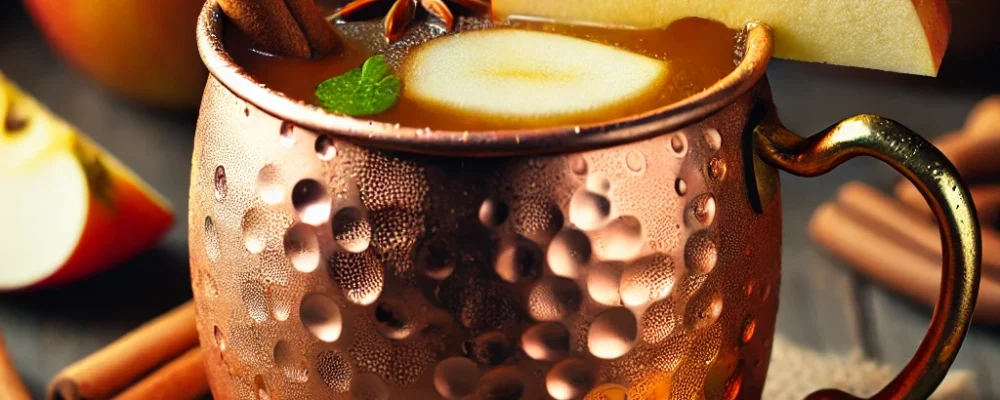
Apple Cider Mule

Apple Cider Mule

Healthy Fact of the Day

While the Apple Cider Mule is a festive cocktail, it's important to remember that alcoholic beverages should be consumed in moderation. Apple cider contains some vitamins and antioxidants, particularly vitamin C. Ginger beer, often used in mules, may have some digestive benefits due to its ginger content. To make this drink a bit healthier, you could use freshly pressed apple juice instead of cider for more nutrients and less sugar. For a non-alcoholic version, simply omit the vodka and increase the apple cider and ginger beer portions. Remember that while this drink contains some fruit juice, it shouldn't be considered a significant source of nutrition. As with all alcoholic beverages, it's high in empty calories, so enjoy responsibly and in moderation as part of a balanced lifestyle.

Ingredients


  • 2 oz vodka
  • 3 oz apple cider
  • 1 oz ginger beer
  • 1/2 oz fresh lime juice
  • 1/4 tsp ground cinnamon
  • 1 cinnamon stick
  • 1 thin apple slice
  • Ice cubes
  • Fresh mint sprig for garnish

Instructions

  1. Fill a copper mug or highball glass with ice cubes.

  2. Pour vodka over the ice.

  3. Add apple cider and fresh lime juice.

  4. Sprinkle in ground cinnamon.

  5. Top with ginger beer.

  6. Gently stir to combine all ingredients.

  7. Garnish with a cinnamon stick and thin apple slice.

  8. Add a sprig of fresh mint for extra aroma.

  9. Serve immediately while cold and fizzy.

Raise your Apple Cider Mule and toast to the perfect fusion of fall flavors and cocktail classics! The crisp bite of vodka mingles with the sweet tang of apple cider, all lifted by the spicy kick of ginger beer. It’s like capturing the essence of an autumn orchard in a copper mug. Each sip brings a refreshing blend of fruit, spice, and effervescence that dances on your palate. Whether you’re gathered around a bonfire, celebrating the harvest season, or just looking to add a touch of fall flair to your happy hour, this mule kicks with cozy, seasonal charm. So grab your muddler, chill those mugs, and get ready to stir up a cocktail that’ll have you falling head over heels for autumn’s liquid gold!


Recent Recipes

National Fajita Day Is Here — Here’s

  • August 18, 2026
  • 2 min read

The Fermentation Project: What Happens When You

  • August 18, 2026
  • 11 min read

Sweet Chili Shrimp

  • August 18, 2026
  • 7 min read

Hot Chicken and Pancake Tacos

  • August 18, 2026
  • 11 min read

Hershey’s Cookies ‘N’ Creme Fangs Are Back

  • August 17, 2026
  • 2 min read

Baked Dill Pickle Pretzels

  • August 17, 2026
  • 13 min read

The Pasta That Takes Twenty Minutes and

  • August 17, 2026
  • 11 min read

Cheeseburger Stuffed Peppers

  • August 17, 2026
  • 6 min read

Happy National Rum Day — 8 Cocktails

  • August 16, 2026
  • 3 min read

Mango Chili Lime Coconut Bites

  • August 16, 2026
  • 15 min read

Tip of the Day

“Always let your meat rest before slicing.”

Whether you're roasting a chicken, grilling steak, or baking pork tenderloin, letting cooked meat rest for 5–10 minutes before slicing allows the juices to redistribute evenly. This simple step keeps your meat juicy and tender, ensuring every bite is flavorful and moist. Bonus: It gives you a moment to plate your sides or garnish for a perfect presentation!

Our Latest Recipes

Blog
Daily Disher

National Fajita Day Is Here — Here’s How to Celebrate

Traditional fajitas can rack up calories fast between the oil-heavy sauté, flour tortillas, and toppings like sour cream and cheese. To keep things lighter without losing flavor: swap chicken breast or shrimp for steak, char your peppers and onions in a dry-hot skillet instead of a heavy oil pour, and try a lettuce wrap or corn tortilla in place of flour. A squeeze of fresh lime and a spoonful of pico de gallo add brightness without the extra calories that come from cream-based toppings.

Read More »
Blog
Daily Disher

The Fermentation Project: What Happens When You Let Time Do the Work

Lacto-fermented vegetables are among the most researched functional foods in contemporary nutrition science. The lactic acid bacteria produced during fermentation — including Lactobacillus and Leuconostoc species — are among the best-studied probiotic organisms, with documented effects on gut microbiome diversity, immune function, and inflammatory markers. The fermentation process also increases the bioavailability of certain minerals in vegetables by reducing phytic acid content, and produces B vitamins as metabolic byproducts. Research published in Cell in 2021 found that a diet high in fermented foods produced greater increases in microbiome diversity and greater reductions in inflammatory markers than a high-fiber diet over a ten-week period — making the jar of homemade sauerkraut one of the more evidence-supported nutritional investments available in any kitchen.

Read More »
Entrees
Amelia Grace

Sweet Chili Shrimp

Shrimp is a lean source of protein that’s naturally low in calories, making it a satisfying option when you want a lighter dinner that still feels indulgent.

Read More »

Get your daily dose of delicious!

Skip to content












