
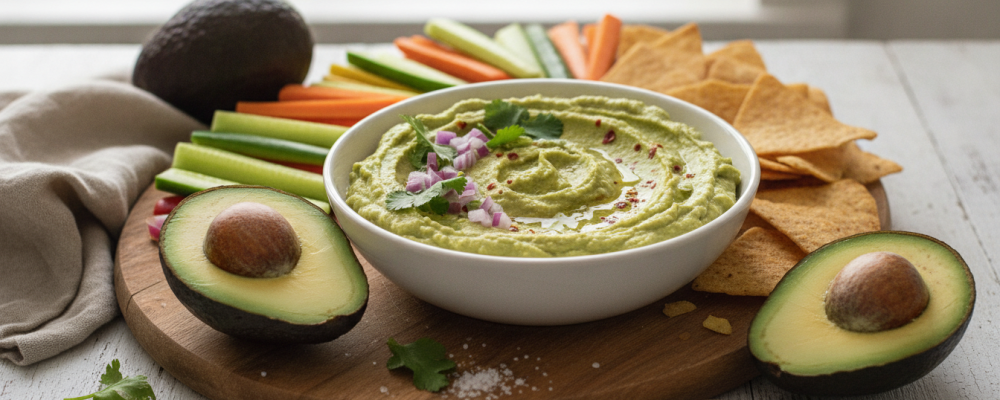

Some recipe ideas come to you in moments of inspiration—a flash of creativity that makes you wonder why no one thought of it sooner. That’s exactly how I felt the first time I blended avocado into my homemade hummus. I was standing at my kitchen counter on a Monday afternoon, half an avocado sitting on the cutting board next to a can of chickpeas, and something just clicked. What if these two things—these two dips I make constantly and love deeply—became one?
The result exceeded every expectation. Avocado Hummus is creamier than traditional hummus, with a richness that feels almost luxurious. The lime juice brightens everything in a way that lemon (traditional in hummus) simply doesn’t—it’s livelier, more vibrant, more surprising. The cumin adds warmth that bridges the Mediterranean heritage of hummus with the Mexican-inspired flavors we associate with guacamole. It’s genuinely greater than the sum of its parts, and that’s what makes it special.
What I appreciate most about this recipe is how it makes healthy eating feel genuinely exciting rather than obligatory. There’s nothing virtuous or austere about a bowl of this hummus—it’s lush and satisfying and deeply flavorful. Yet every ingredient is doing something good for your body: healthy fats from the avocado and tahini, protein and fiber from the chickpeas, antioxidants from the garlic and olive oil. You’re nourishing yourself profoundly while enjoying every single bite.
I’ve made this for countless Monday gatherings and it never fails to generate the same response: someone takes a scoop, pauses, and says “wait, what is this?” That moment of recognition and delight—understanding that something familiar has been transformed into something new—is one of my favorite things that food can do. It creates curiosity, conversation, and connection. And that, to me, is what good food is always ultimately about.
─────────
The Inspiration Behind This Recipe
Avocado Hummus emerged from the natural overlap between two beloved dip cultures—the Mediterranean tradition of hummus and the Mexican tradition of guacamole—that coexist comfortably in modern American kitchens. Both are creamy, plant-forward, and naturally nourishing. Both are traditionally served with bread or vegetables for dipping. Both are fundamentally simple preparations that rely on quality ingredients rather than complex technique.
The fusion reflects a broader movement in contemporary cooking that honors culinary borders while freely crossing them when the result is genuinely delicious. Replacing the lemon juice traditional in hummus with lime immediately shifts the flavor profile toward warmer, more tropical territory, while the cumin provides the aromatic bridge between Mediterranean and Latin flavor traditions. The result feels neither exclusively Mediterranean nor exclusively Mexican—it’s something new that belongs to both.
The inspiration is also practical: avocado adds creaminess and body that can reduce the amount of tahini and olive oil needed for a silky texture, creating a dip that feels just as indulgent while delivering more nutritional variety.
─────────
A Brief History of Hummus and Avocado in Global Cuisine
Hummus has ancient roots in Middle Eastern cuisine, with variations appearing in cookbooks as far back as the 13th century in Egypt and the Arab world. The combination of chickpeas, tahini, lemon, and garlic became a staple across the Levant—Lebanon, Israel, Palestine, Syria—before spreading globally throughout the 20th century. In America, hummus gained mainstream popularity in the 1990s and exploded into a multi-billion dollar industry by the 2010s, becoming as common in American refrigerators as ketchup.
Avocados have an equally rich history, cultivated in Mexico and Central America for over 5,000 years. The Aztecs prized them for their rich fat content and creamy texture. Spanish colonizers encountered avocados in the 16th century and introduced them to Europe and other parts of the world. In the United States, avocado consumption remained relatively niche until the 1990s, when guacamole’s popularity and growing awareness of healthy fats sparked demand that culminated in the avocado toast phenomenon of the 2010s.
This recipe represents the meeting point of these two global culinary traditions—finding common ground in their shared creaminess, nutritional density, and versatility.
─────────
Why This Cooking Method Works
Food processor blending creates the smooth, homogeneous texture essential to good hummus. It breaks down chickpea skins completely, creating silkiness that hand-mashing cannot achieve.
Ripe avocado blends seamlessly into the chickpea base, contributing creaminess without requiring additional oil. Its high fat content creates luxurious mouthfeel.
Tahini inclusion adds nutty depth and essential fat that helps emulsify the dip. It’s the flavor backbone of authentic hummus character that makes this recognizable as hummus rather than simply guacamole with chickpeas.
Lime juice rather than lemon provides brighter, more vibrant acidity that complements avocado’s tropical character. It also helps preserve the avocado’s green color through its antioxidant properties.
Garlic raw contributes sharp, pungent character that distributes evenly through blending. It softens slightly as the dip rests, becoming more mellow and integrated.
Cumin adds earthy, warm spice that bridges Mediterranean and Latin flavor profiles while adding aromatic complexity.
Water addition controls consistency. Adding water gradually while blending allows precise texture adjustment—thicker for spreading, thinner for dipping.
Immediate serving or covered refrigeration prevents avocado oxidation. The lime juice slows browning but doesn’t prevent it indefinitely.
─────────
Flavor Profile: What to Expect
Avocado Hummus delivers a beautifully layered flavor experience that honors both of its parent dips. The avocado provides buttery, mild richness with its characteristic subtle earthiness and tropical creaminess. It softens the overall profile, making this hummus feel rounder and more luxurious than the traditional version.
Chickpeas contribute their characteristic nutty, starchy flavor and substantial body. They provide the familiar hummus foundation that makes this immediately recognizable despite its creative additions.
Tahini adds deep, roasted sesame nuttiness with slight bitterness that creates complexity and authentic hummus character. Its fat content contributes to the silky, emulsified texture.
Lime juice provides bright, fresh acidity with citrus vibrancy that keeps the richness from feeling heavy. It’s more assertive than lemon—more tropical, more immediate.
Garlic contributes pungent, savory depth that mellows slightly as the dip rests. It’s present but not aggressive, adding interest rather than dominating.
Cumin weaves warm, earthy spice throughout—subtle but essential, adding the aromatic dimension that makes the flavor profile feel complete and cohesive.
Olive oil provides fruity richness and a smooth finish. A drizzle on top just before serving adds visual appeal and fresh olive flavor.
The texture is velvety and smooth—creamier than traditional hummus, lighter than pure guacamole, with a consistency that clings to vegetables and pita beautifully.
─────────
Tips for Making the Best Avocado Hummus
- Choose the right avocado: It should yield gently to pressure without feeling mushy. The flesh should be uniformly green without dark spots or stringiness.
- Use canned chickpeas wisely: Save the aquafaba (chickpea liquid) from the can. Adding a tablespoon or two instead of water creates even creamier, more emulsified hummus.
- Remove chickpea skins: For ultra-smooth hummus, pinch each chickpea to remove its thin skin before blending. Time-consuming but worth it.
- Blend tahini and lime first: Blending tahini and lime juice alone before adding other ingredients creates a creamier, more emulsified base.
- Add water gradually: Start with less than you think you need and add more to reach your desired consistency.
- Taste as you go: Adjust lime juice, salt, and cumin after blending. Flavors change once everything is combined.
- Don’t skip the rest: Even 15 minutes of resting allows flavors to meld and the garlic to mellow slightly.
- Serve at room temperature: Cold hummus tastes muted. Allow it to sit for 10-15 minutes after refrigeration before serving.
- Garnish generously: A drizzle of olive oil, a sprinkle of cumin or paprika, and fresh herbs make this visually stunning and restaurant-worthy.
- Prevent browning: Press plastic wrap directly against the surface during storage to minimize air contact.
─────────
Serving Suggestions and Side Pairings
Avocado Hummus is wonderfully versatile and works beautifully across many occasions:
As a dip: Serve with warm pita bread, pita chips, naan, or an array of fresh vegetables—cucumber rounds, bell pepper strips, carrot sticks, celery, radishes, and cherry tomatoes.
As a spread: Use on sandwiches, wraps, grain bowls, or toast instead of mayonnaise or plain hummus for an upgrade that adds both flavor and nutrition.
Mediterranean platter: Pair alongside falafel, tabbouleh, stuffed grape leaves, olives, and warm pita for a complete mezze spread.
Taco or burrito topping: Spoon onto tacos, burritos, or burrito bowls as a creamy, flavorful addition that bridges the dip’s Mexican and Mediterranean influences.
Pairing suggestions:
- Warm pita wedges with a drizzle of olive oil
- Fresh vegetable crudités platter
- Falafel for authentic Mediterranean pairing
- Grilled chicken or lamb for a protein-forward meal
- Crispy pita chips for maximum crunch
- Sliced cucumber and radishes for cooling freshness
- Olives and pickled vegetables for a complete mezze
─────────
Storage, Reheating, and Make-Ahead Tips
Storage: Store in an airtight container with plastic wrap pressed directly against the surface to minimize oxidation. Refrigerate for up to 2 days. Some surface browning may occur—simply stir to incorporate or scrape off the thin oxidized layer.
Preventing browning: The lime juice slows but doesn’t prevent oxidation entirely. Pressing plastic wrap directly onto the hummus surface is the most effective method for maintaining that beautiful green color.
Make-ahead timing: This hummus is best made the same day or the day before serving. Beyond 48 hours, the avocado flavor diminishes and browning becomes significant.
Flavor development: Like most dips, avocado hummus actually tastes better after 30-60 minutes of rest as garlic and cumin mellow and integrate.
Freezing: Not recommended. Avocado’s texture degrades significantly when frozen and thawed, and the chickpea base becomes grainy.
Refresh before serving: If the hummus has been refrigerated, allow it to come to room temperature for 15 minutes and stir gently. A fresh squeeze of lime juice and a drizzle of olive oil restore brightness.
Component planning: The hummus base (without avocado) can be made up to 3 days ahead and stored. Blend in fresh avocado just before serving for maximum freshness and color.
─────────
Why This Recipe Deserves a Spot in Your Rotation
Avocado Hummus deserves a permanent place in your recipe rotation because it represents something genuinely rare: a recipe that’s simultaneously healthier than what it replaces, more delicious than its individual components, and more interesting than either inspiration alone. It’s creative without being complicated, nutritious without feeling restrictive, and familiar enough to appeal universally while being distinctive enough to spark genuine curiosity.
From a practical standpoint, this recipe checks every box. It comes together in under ten minutes with a food processor. It stores reasonably well for up to two days. It works as a dip, a spread, and a topping—making it one of the most versatile recipes in any entertaining arsenal. The ingredients are affordable and widely available, and the recipe scales easily for crowds.
The recipe also embodies the cooking philosophy I believe in most deeply: that the best dishes come from looking at familiar ingredients with fresh eyes and asking “what if?” What if hummus and guacamole became one? What if lime replaced lemon? What if avocado’s fat replaced some of the tahini? Every one of those questions led somewhere delicious, and the willingness to ask them is what turns a good cook into a creative one.
Most importantly, this dip makes people feel taken care of. It’s nourishing in the truest sense—genuinely good for your body while being genuinely pleasurable to eat. That combination, more than any technique or clever flavor pairing, is what I believe good food is ultimately for: making the people you cook for feel nourished, satisfied, and cared for in every sense of the word.
─────────
Recommended Drink Pairing
Wine: A crisp Sauvignon Blanc or unoaked Chardonnay complements the lime and avocado while providing refreshing acidity. A dry Albariño offers citrus and mineral notes that mirror the dip’s brightness.
Beer: A light wheat beer or hefeweizen provides gentle citrus notes and effervescence that cleanse the palate between bites. A crisp pilsner offers clean, refreshing contrast.
Non-alcoholic: Sparkling water with lime and fresh mint provides effervescent brightness that echoes the dip’s citrus character. Fresh cucumber lemonade offers cool, refreshing contrast.
Cocktail: A classic Margarita with its salt rim and lime brightness complements the dip’s Latin-Mediterranean fusion beautifully. A Paloma with grapefruit soda and tequila offers similar refreshment with bitter-sweet complexity.
Herbal tea: Iced mint tea or a lightly sweetened green tea provides subtle, refreshing contrast that doesn’t compete with the dip’s delicate flavors.
Avocado Hummus
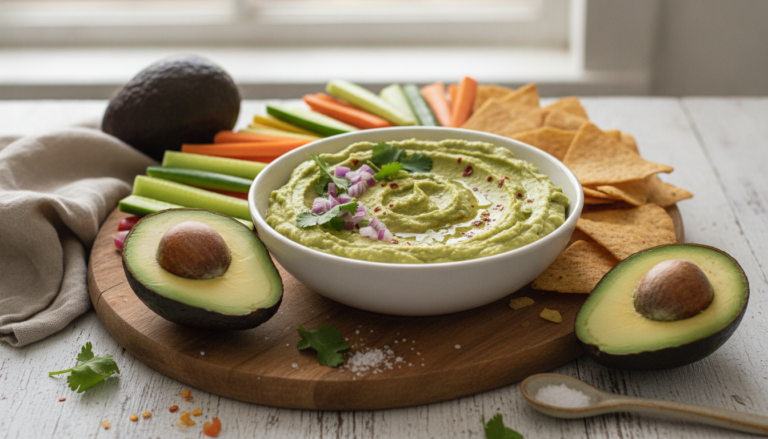
Avocado Hummus blends ripe avocado, chickpeas, tahini, lime juice, and cumin into a silky, vibrant dip that’s richer than traditional hummus and fresher than plain guacamole.
4
servings30
minutes40
minutes300
kcal1
hour10
minutesIngredients
1 medium avocado
1 can chickpeas, drained and rinsed
2 tablespoons tahini
1 clove garlic
2 tablespoons lime juice
2 tablespoons olive oil
1/4 teaspoon cumin
1/2 teaspoon salt
2 tablespoons water
Directions
- Peel and pit the avocado.
- In a food processor, combine avocado, chickpeas, tahini, garlic, lime juice, and olive oil.
- Add cumin, salt, and water to the mixture.
- Blend until smooth and creamy.
- Taste and adjust seasoning if necessary.
- Serve immediately with pita chips or vegetables.
Nutrition Facts
- Total number of serves: 4
- Calories: 180kcal
- Cholesterol: 0mg
- Sodium: 620mg
- Potassium: 400mg
- Sugar: 8g
- Protein: 6g
- Calcium: 60mg
- Iron: 2mg
About This Author

Amelia Grace
Editor-in-Chief & Culinary Director
The heart and guiding voice of Daily Dish, Amelia leads our editorial vision and recipe development. With a background in food journalism and over a decade spent in professional kitchens, she has a knack for blending gourmet technique with real-world accessibility. Her goal? To make every reader feel like a confident cook, one dish at a time.
Favorite dish: Creamy lemon risotto with a sprinkle of fresh thyme.
Kitchen motto: “Good food doesn’t have to be complicated — it just has to be made with heart.”















