Air Fryer Apple Fries

Air Fryer Apple Fries

Healthy Fact of the Day

Apples provide fiber, vitamin C, and natural sweetness while air frying uses minimal oil compared to deep frying. This method lets you enjoy a crispy treat with a fraction of the calories.
Air Fryer Apple Fries

Air Fryer Apple Fries

Recipe by Daily Disher

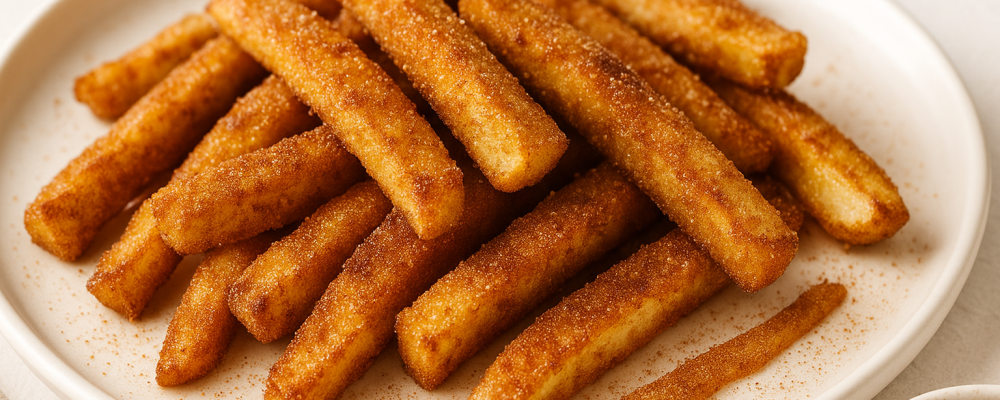
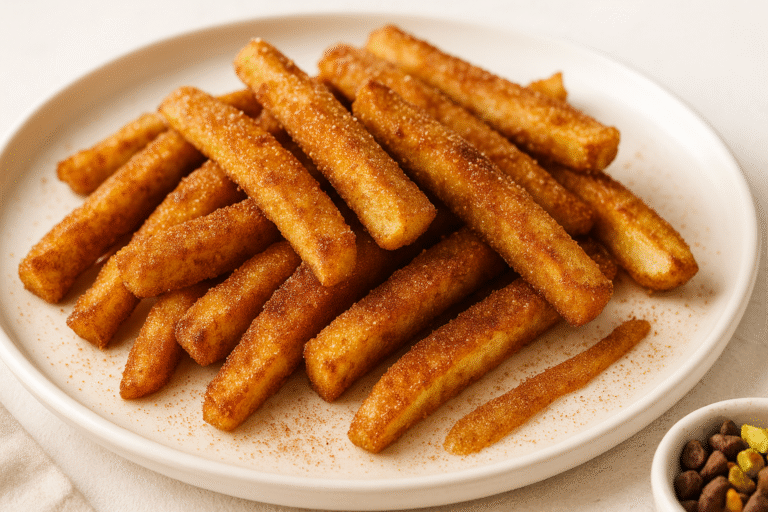
Air Fryer Apple Fries feature fresh apple slices coated in cinnamon sugar batter and air fried until golden and crispy for a lighter take on a sweet indulgence.

Course: SnackCuisine: AmericanDifficulty: Easy
0.0 from 0 votes
Servings

4

servings
Prep time

30

minutes
Cooking time

40

minutes
Calories

300

kcal
Total time

1

hour 

10

minutes

    Ingredients

    • 2 large apples

    • 1/2 cup all-purpose flour

    • 1 teaspoon cinnamon

    • 1/2 cup sugar

    • 1/4 cup cornstarch

    • 1 pinch salt

    • 1/2 cup milk

    Directions

    • Preheat the air fryer to 375°F (190°C). Prepare the apples by peeling, coring, and slicing them into fry-like pieces.
    • In a bowl, combine the flour, cinnamon, sugar, cornstarch, and salt, mixing them well until uniformly combined.
    • Dip apple slices into the milk, then coat them in the flour mixture, ensuring each slice is evenly covered.
    • Arrange the coated apple slices in the air fryer basket in a single layer, avoiding overcrowding.
    • Air fry the apple fries for about 8-10 minutes, shaking the basket halfway through to ensure even cooking.
    • Once the apple fries are golden and crispy, remove them from the air fryer and let them cool slightly before serving.

    Nutrition Facts

    • Total number of serves: 4
    • Calories: 130kcal
    • Cholesterol: 0mg
    • Sodium: 620mg
    • Potassium: 400mg
    • Sugar: 8g
    • Protein: 6g
    • Calcium: 60mg
    • Iron: 2mg

    These Air Fryer Apple Fries bring carnival-style fun to your Monday Munchies with a healthier twist. Fresh apple slices get coated in sweet cinnamon batter and air fried until perfectly crispy, creating a treat that tastes indulgent but uses just a fraction of the oil traditional frying requires. They’re perfect for after-school snacks, dessert alternatives, or whenever you want something sweet that feels a little bit special.
    0.0 from 0 votes

    Recent Recipes

    FDA Announces Recall on Salmon Sold in

    • February 13, 2026
    • 6 min read

    What Happens When Chefs Stop Measuring

    • February 13, 2026
    • 5 min read

    Slow Cooker Chicken Jambalaya

    • February 13, 2026
    • 8 min read

    Red Velvet Martini

    • February 12, 2026
    • 10 min read

    Wendy’s Has a $1 Burger Deal for

    • February 12, 2026
    • 5 min read

    The One Ingredient Chefs Add to Everything

    • February 12, 2026
    • 5 min read

    Sticky Beef Noodles

    • February 12, 2026
    • 7 min read

    Red Wine Meatballs

    • February 11, 2026
    • 9 min read

    Why Professional Kitchens Don’t Use Nonstick Pans

    • February 11, 2026
    • 4 min read

    Cajun Cream Cheese Chicken Pasta Bake

    • February 11, 2026
    • 7 min read

    Tip of the Day

    “Always let your meat rest before slicing.”

    Whether you're roasting a chicken, grilling steak, or baking pork tenderloin, letting cooked meat rest for 5–10 minutes before slicing allows the juices to redistribute evenly. This simple step keeps your meat juicy and tender, ensuring every bite is flavorful and moist. Bonus: It gives you a moment to plate your sides or garnish for a perfect presentation!

    Our Latest Recipes

    Blog
    Daily Disher

    FDA Announces Recall on Salmon Sold in 7 States Due To Potential Listeria Contamination

    Always cook salmon to an internal temperature of 145°F to kill harmful bacteria. Use a food thermometer to check the thickest part of the fillet—the fish should be opaque and flake easily with a fork. Store fresh salmon in the coldest part of your refrigerator (below 40°F) and use within 1-2 days of purchase. If you won’t use it right away, freeze it immediately to maintain quality and safety.

    Read More »
    Blog
    Daily Disher

    What Happens When Chefs Stop Measuring

    Cooking by taste rather than strict measurement can lead to better portion awareness and reduced sodium intake, as you learn to build flavor through layering herbs, spices, and aromatics instead of relying heavily on salt, while developing a more intuitive relationship with food that supports mindful eating habits.

    Read More »
    Chicken Recipes
    Daily Disher

    Slow Cooker Chicken Jambalaya

    Chicken thighs provide more iron and zinc than chicken breasts, supporting immune function. The holy trinity of vegetables (onion, celery, bell pepper) adds vitamins and fiber while keeping sodium lower than restaurant versions.

    Read More »

    Get your daily dose of delicious!

    Skip to content