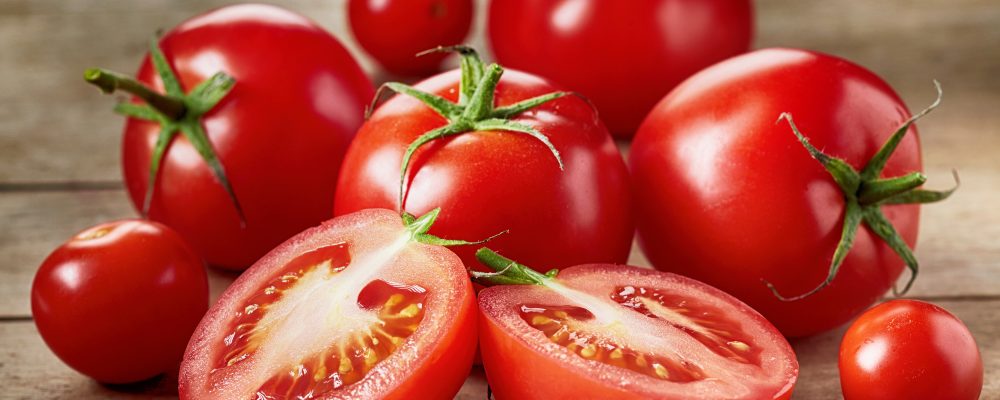

There’s a specific memory a lot of people share, even if they’ve never met and grew up nowhere near each other. It usually involves a backyard, a kitchen counter, or a farmers market table. A tomato, still warm from the sun, eaten with nothing but salt — maybe not even a plate.
And then, at some point afterward, every other tomato stops tasting like much of anything.
Why That One Tomato Hits Differently
It’s not nostalgia playing tricks, or at least not only that. Tomatoes bred for size, shelf life, and shipping durability trade away flavor compounds in the process, favoring uniform color and a longer shelf life over the sugars and acids that make a tomato taste like something.
A tomato picked ripe, in season, and eaten within a day or two of harvest simply contains more of what makes a tomato taste good — because it was never bred or handled with anything else in mind.
That backyard tomato wasn’t special because of memory. It was special because of chemistry that most grocery store tomatoes never get the chance to develop.
What Gets Lost Between the Field and the Store
Most tomatoes sold out of season are picked while still green and firm, then ripened later using ethylene gas during shipping and storage.
This isn’t some shady practice — it’s necessary for tomatoes to survive the trip from farm to shelf without turning to mush. But a tomato ripened after picking never fully catches up to one that ripened on the vine, absorbing sugar and flavor compounds from the plant right up until the moment it’s picked.
The color looks the same. The taste rarely does.
Why Salt Is the Only Thing a Good Tomato Needs
There’s a reason the simplest tomato preparations are often the best ones — sliced with salt, or torn into a salad with olive oil and maybe some basil.
A truly good tomato doesn’t need help. It needs restraint. Salt draws out and concentrates the tomato’s own juices rather than covering them up, which is exactly why over-dressed, over-sauced tomato dishes can feel like they’re hiding a weak tomato rather than celebrating a good one.
The less a recipe asks of the tomato, the more it’s usually trusting the tomato to be good on its own.
How to Actually Find That Tomato Again
The backyard-tomato memory doesn’t have to stay a memory. It just requires timing and a different shopping habit than most people are used to.
A few things that make a real difference:
Buying in season, typically mid-to-late summer depending on region
Shopping farmers markets over grocery stores when possible
Choosing tomatoes by smell — a good one smells like a tomato at the stem
Storing them at room temperature, never in the fridge, which dulls flavor and texture
None of these guarantee perfection every time, but they get remarkably close, remarkably often.
The Takeaway
The tomato everyone remembers wasn’t a different variety, or a different farm, or some secret trick.
It was just a tomato allowed to do what tomatoes actually do when nothing rushes them — ripen slowly, in season, and get eaten soon after.
That tomato is still out there every summer. It just takes seeking out instead of picking up whatever’s closest in the produce aisle.