
Butter and brown butter share an ingredient list, a cooking vessel, and about eight minutes of difference. What happens in between is one of the more interesting transformations in everyday cooking, and most people never see it happen on purpose.
It’s a simple technique with an outsized effect on flavor, and almost anyone can master it on the first try.
What Actually Changes in the Pan
Butter isn’t a single ingredient — it’s a mix of fat, water, and milk solids. When butter melts and keeps cooking, that water evaporates and the milk solids are left behind, unprotected, in a pan full of hot fat.
Those solids brown. Not burn — brown, the same way a seared steak or toasted bread browns, through a chemical reaction that creates dozens of new flavor compounds that didn’t exist a few minutes earlier.
The result smells nutty, tastes faintly toasted, and behaves nothing like the butter it started as.
Why Timing Is Almost Everything
The gap between perfectly browned butter and burnt butter is shockingly small — often less than 30 seconds.
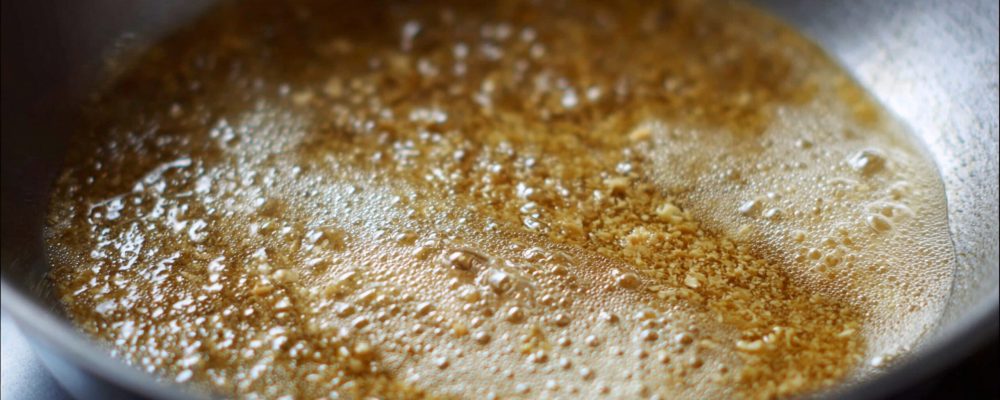
Butter goes through visible stages: foaming as water cooks off, then quieting down as milk solids start to brown, then turning golden, then deep amber. The moment it smells sharp or acrid instead of nutty, it’s gone too far and needs to start over.
Because the window is so tight, most professional advice is the same: use a light-colored pan, so the color change is visible, and pull it a few seconds before it looks fully done. It keeps browning slightly after leaving the heat.
Why It Tastes So Different From Regular Butter
Plain melted butter tastes like butter, just liquid. Brown butter tastes like an entirely different ingredient because it essentially is one.
The browning reaction responsible for the flavor shift is the same one responsible for the flavor in seared meat, toasted bread crust, and roasted coffee. That’s part of why brown butter feels instantly familiar and comforting — the flavor compounds it creates overlap with foods most people already associate with warmth and richness.
It’s also why a small amount goes a long way. A tablespoon of brown butter can carry a whole dish in a way a tablespoon of regular butter never could.
Where This Technique Quietly Shows Up
Brown butter isn’t a fancy restaurant trick reserved for special dishes. It shows up in far more places than people realize once they know what to look for.
A few common uses:
Finishing a pan sauce for fish or chicken
Swapped directly into cookie or cake batter for deeper flavor
Drizzled over roasted vegetables or pasta
Whisked into mashed potatoes in place of plain butter
In most of these, the only change from a standard recipe is browning the butter first. Everything else stays the same.
The Mistake That Ends the Experiment Early
The most common reason people give up on brown butter is walking away from the pan.
Because the transformation happens quickly and the visual cues are subtle, stepping away — even briefly — is often the difference between success and a pan that needs to be started over. Constant attention for a few minutes matters more here than in almost any other basic technique.
The Takeaway
Brown butter isn’t a different ingredient bought at the store. It’s the same stick of butter, pushed slightly further than most recipes ask it to go.
A few minutes of attention turns something ordinary into something that tastes deliberately complex, using nothing extra at all.
Once you’ve made it once and tasted the difference side by side, it’s hard to go back to using butter any other way.