
Ask a home cook how long it takes to caramelize onions, and the answer is usually “however long the recipe says.” Ask a chef, and the answer is almost always longer than that.
Onions are one of the most underestimated ingredients in the kitchen — quietly responsible for more flavor in restaurant food than almost anything else on the plate.
The Ingredient Doing More Work Than You Think
Most dishes start with onions, but most people rush right past that step.
In professional kitchens, onions aren’t a garnish or an afterthought — they’re the foundation. Soups, sauces, braises, and stews almost all begin with onions cooked low and slow, built up over time until they turn sweet, deep, and almost jammy.
That foundation is often the difference between a dish that tastes “fine” and one that tastes complex.
Why Restaurant Onions Taste Different
The biggest difference isn’t the onion. It’s the clock.
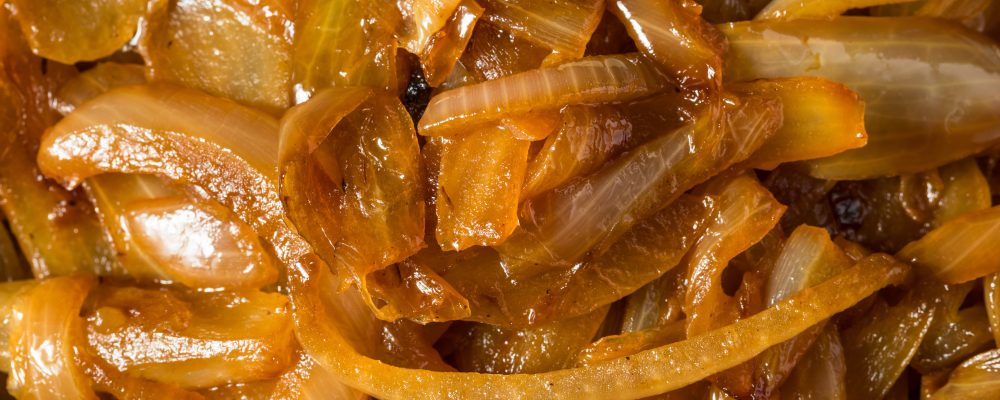
True caramelization — the deep golden-brown, sweet transformation people picture when they hear the word — takes 45 minutes to an hour of low, patient heat. Most home recipes budget 10 to 15 minutes and call it done.
What you get at that stage isn’t caramelized. It’s just softened and lightly browned. Good, but nowhere near what’s possible.
The Shortcut That Isn’t Actually a Shortcut
High heat feels like it should speed things up. With onions, it mostly just burns the outside before the inside has a chance to break down.
Restaurants keep the heat low and let time do the work instead of the burner. A splash of water or stock gets added if the pan looks dry, deglazing whatever’s stuck to the bottom and folding it back into the onions instead of losing it.
That fond — the browned bits on the pan — is flavor. Scraping it back in is not optional.
One Pan, Endless Uses
Once you have a batch of properly caramelized onions, they stop being a single-recipe ingredient.
Restaurants keep them on hand to:
Fold into a pan sauce for extra depth
Stir into rice or grains for an instant flavor boost
Layer into a sandwich or burger
Blend into a soup base for sweetness without added sugar
A slow Sunday batch can quietly upgrade several meals throughout the week.
Why This Matters Beyond Onions
The onion lesson is really a patience lesson.
A lot of what separates restaurant food from home food isn’t skill or ingredients — it’s a willingness to let something cook longer than feels necessary. Onions are just the clearest example, because the payoff is so dramatic and so easy to taste.
The Takeaway
Chefs don’t have a secret onion. They have a different relationship with time.
Next time a recipe says “cook until softened,” consider ignoring it. Keep the heat low, keep stirring occasionally, and give it twice as long as feels reasonable.
That extra time is where the real flavor was hiding all along.