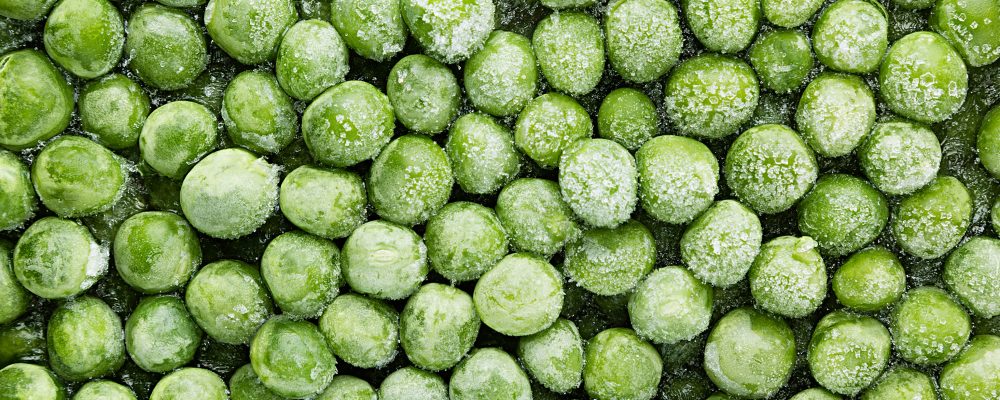

Why Frozen Peas Deserve More Credit
Frozen peas are one of the most nutritionally efficient ingredients in any freezer section — high in protein and fiber for a vegetable, frozen at peak freshness, and ready to use with zero prep. The reason most people underuse them isn’t availability or cost. It’s imagination. A bag of frozen peas has been waiting patiently in your freezer to be more than a side dish. Here’s how to finally let it.
The One Rule for Cooking With Frozen Peas
Add them last. Frozen peas need almost no cooking time — two to three minutes in a hot dish is enough to warm them through and keep their color bright and their texture intact. Add them too early and they turn army green and mushy, which is exactly why peas have a bad reputation. Treat them like a finishing ingredient rather than something that needs to cook, and the results are completely different.
Five Meals Built Around a Bag of Frozen Peas
1. Pea and Pancetta Pasta Cook diced pancetta or bacon in a large skillet until crispy. Remove and set aside. In the same pan, sauté garlic in the rendered fat, then add a cup of frozen peas and cook for two minutes. Toss with hot pasta, a ladle of pasta water, parmesan, black pepper, and the reserved pancetta. This is one of those pastas that looks and tastes more considered than it is — ready in 20 minutes and deeply satisfying.
2. Smashed Pea Toast Simmer one cup of frozen peas in salted water for two minutes, drain, and roughly smash with a fork. Mix in lemon juice, olive oil, a clove of minced garlic, fresh mint or basil, salt, and red pepper flakes. Pile onto thick toasted bread and top with a soft-boiled or poached egg, crumbled feta, or both. This is lunch that takes ten minutes and tastes like something from a café with a line out the door.
3. Pea and Potato Soup Sauté diced onion and garlic in butter until soft. Add two cups of diced potato and enough vegetable broth to cover. Simmer until the potatoes are completely tender, about 15 minutes. Add two cups of frozen peas and cook for two more minutes. Blend until smooth — use an immersion blender or transfer in batches. The peas turn the soup a vivid green and add a natural sweetness that makes it taste lighter than a potato soup has any right to. Finish with a swirl of cream and fresh chives.
4. Pea and Shrimp Fried Rice Cook day-old rice in a hot wok with garlic and a splash of sesame oil. Push to the side and scramble two eggs in the center. Add frozen shrimp — they cook directly from frozen in about three minutes — then frozen peas for the last two minutes. Season with soy sauce, oyster sauce, and white pepper. Finish with sliced green onion. This is the weeknight fried rice that covers protein, vegetable, and grain in one pan in under 20 minutes.
5. Pea and Ricotta Flatbread Spread store-bought flatbread or naan generously with whole-milk ricotta seasoned with lemon zest, garlic, salt, and pepper. Scatter frozen peas — no need to cook them first, they’ll warm in the oven — across the top. Drizzle with olive oil and finish with red pepper flakes and fresh mint. Bake at 400°F for 10–12 minutes until the edges are golden and the ricotta is set. Slice and serve as a light dinner or a starter that looks significantly more impressive than the effort involved.
Your Grocery List
- Frozen peas (1–2 bags)
- Pancetta or bacon
- Shrimp (frozen is fine)
- Eggs
- Pasta
- Day-old rice
- Flatbread or naan
- Whole-milk ricotta
- Potatoes
- Vegetable broth
- Parmesan + feta
- Garlic + yellow onion
- Olive oil + butter + sesame oil
- Soy sauce + oyster sauce
- Lemon
- Fresh mint + fresh chives
- Red pepper flakes + white pepper
The Bottom Line
One bag of frozen peas, five meals that don’t resemble each other at all. It’s been in your freezer this whole time — it was just waiting for a better assignment.