
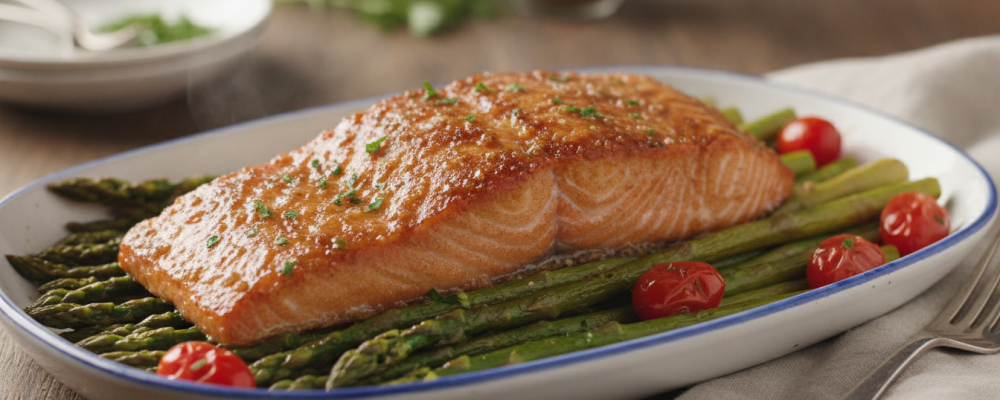

There’s a particular kind of weeknight dinner that feels like it should be harder than it is, and this Brown Sugar Baked Salmon is exactly that. A handful of pantry staples whisked together and brushed over salmon before it goes into the oven is all it takes to turn a simple fillet into something genuinely craveable.
I started making this recipe on nights when I wanted something that felt a little special without requiring much hands-on time. Salmon is already one of my go-to proteins for how quickly it cooks, but it was the glaze—sweet, savory, and just tangy enough—that turned this into a recipe I make on repeat. One batch of that brown sugar mixture brushed over the fillets, and I knew I’d stumbled onto something worth keeping in regular rotation.
What I love most about this dish is how the glaze caramelizes in the oven, creating a slightly sticky, deeply flavorful crust on top of the salmon while the inside stays tender and flaky. It’s the kind of dinner that looks and tastes like it took far more effort than it actually did.
The Inspiration Behind This Recipe
This dish came together from wanting a salmon recipe that didn’t rely on a long list of specialty ingredients to taste impressive. Brown sugar felt like the natural starting point, since it caramelizes so beautifully in the oven, and building the rest of the glaze around it with soy sauce, garlic, and lemon juice gave it the balance it needed.
Dijon mustard was the finishing touch that pulled everything together, adding a subtle tang that keeps the glaze from tasting one-dimensionally sweet. Once I had that combination dialed in, this became one of those recipes I could make with my eyes closed, which is exactly what makes it so valuable on a busy night.
It’s a dish that reminds me good food doesn’t need to be complicated to feel worth savoring.
Why This Cooking Method Works
Baking salmon at a high, consistent temperature allows the fish to cook quickly and evenly, which helps it stay moist and tender rather than drying out. The brown sugar glaze plays a dual role here—it seasons the fish as it bakes while also caramelizing on the surface, creating a slightly sticky, flavorful crust.
Brushing the glaze on generously before baking ensures the sugars have enough time to caramelize without burning, especially at 400°F. The short bake time also means the glaze doesn’t have a chance to over-reduce or become overly thick, keeping the finished dish glossy rather than heavy.
This method makes the dish incredibly approachable, since there’s no need to babysit a stovetop pan or worry about flipping delicate fillets.
Flavor Profile: What to Expect
This dish delivers a well-balanced, craveable flavor profile:
Sweetness from brown sugar that caramelizes as it bakes
Savory depth from soy sauce that grounds the glaze
Bright acidity from fresh lemon juice
Subtle tang from Dijon mustard that keeps the sweetness in check
Aromatic warmth from garlic woven throughout
The result is a glaze that’s glossy and slightly sticky, with a flavor that’s sweet, savory, and bright all at once.
Tips for Making the Best Brown Sugar Baked Salmon
A few small details make a big difference here:
Pat the salmon dry before glazing: This helps the glaze adhere better and promotes more even caramelization.
Line your baking sheet with foil: This makes cleanup easy, since the glaze can get sticky as it bakes.
Don’t overbake: Salmon is done as soon as it flakes easily with a fork—overcooking will dry it out.
Brush on extra glaze halfway through: This builds an even deeper layer of caramelization.
Let it rest briefly before serving: This helps the glaze set slightly for cleaner slices.
If you want a little extra char, finishing under the broiler for the last minute or two gives the glaze an even deeper caramelized top.
Serving Suggestions and Side Pairings
This salmon is wonderfully versatile and pairs well with a variety of sides:
Steamed or garlic butter rice to soak up the extra glaze
Roasted or steamed broccoli for a simple, classic pairing
A crisp green salad with a light vinaigrette to balance the sweetness
Buttery mashed potatoes for a heartier, comforting plate
Leftovers also work beautifully flaked over a grain bowl or tucked into a salad for lunch the next day.
Storage, Reheating, and Make-Ahead Tips
This recipe stores well and is easy to reheat without losing much of its texture.
Refrigerate leftovers in an airtight container for up to 3 days.
Reheat gently in a low oven or skillet to avoid drying out the fish.
Freezing is possible for up to 1 month, though texture is best when eaten fresh.
You can mix the glaze up to a day in advance and store it in the fridge, so all that’s left is brushing it on and baking when you’re ready.
Why This Recipe Deserves a Spot in Your Rotation
This is one of those recipes that proves a handful of pantry staples can still produce something memorable. It’s quick, dependable, and just special enough to serve to guests without any extra effort. Once you’ve made it once, it tends to become the salmon recipe you reach for whenever you want dinner to feel effortless but impressive.
Recommended Drink Pairing
The sweet and savory notes of this dish pair beautifully with a Pear Vanilla Gin Fizz, whose light floral sweetness complements the caramelized glaze without overpowering the salmon. A Ginger Grapefruit Paloma also works well if you’re after something brighter and more citrus-forward.
For wine lovers, an off-dry Riesling or a light Pinot Grigio both offer enough acidity to balance the sweetness of the glaze. For a non-alcoholic option, a ginger ale or a lemon-mint sparkling water rounds out the meal nicely.
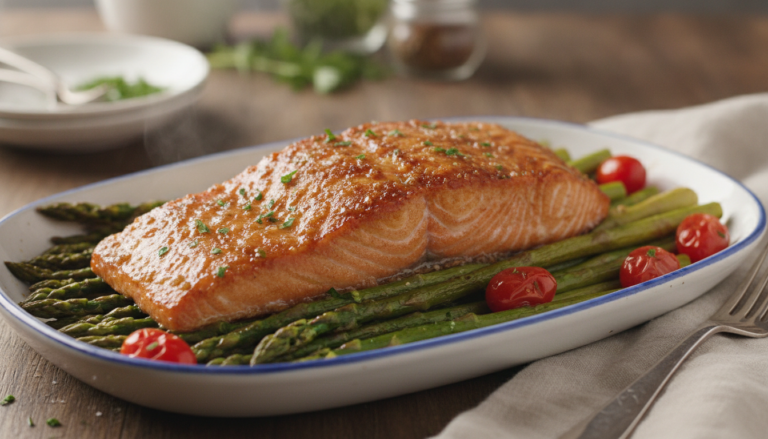
Brown Sugar Baked Salmon
Brown Sugar Baked Salmon comes together with a sweet, savory glaze that caramelizes in the oven for a dinner that’s simple, fast, and full of flavor.
4
servings10
minutes20
minutes350
kcal30
minutesIngredients
4 fillets salmon
1/4 cup brown sugar
2 tbsp soy sauce
2 cloves garlic, minced
1 tbsp lemon juice
1 tbsp olive oil
1/2 tsp black pepper
1/4 tsp salt
1 tsp dijon mustard
Directions
- Preheat your oven to 400°F (200°C).
- In a small bowl, mix brown sugar, soy sauce, garlic, lemon juice, olive oil, pepper, salt, and mustard.
- Place the salmon fillets on a baking sheet lined with foil.
- Brush the salmon generously with the brown sugar mixture.
- Bake in the preheated oven for 15-20 minutes until the salmon flakes easily with a fork.
- Serve warm, garnished with additional lemon slices or parsley if desired.
Nutrition Facts
- Total number of serves: 4
- Calories: 350kcal
- Cholesterol: 0mg
- Potassium: 400mg
- Sugar: 8g
- Protein: 6g
- Calcium: 60mg
- Iron: 2mg
About This Author

Amelia Grace
Editor-in-Chief & Culinary Director
The heart and guiding voice of Daily Dish, Amelia leads our editorial vision and recipe development. With a background in food journalism and over a decade spent in professional kitchens, she has a knack for blending gourmet technique with real-world accessibility. Her goal? To make every reader feel like a confident cook, one dish at a time.
Favorite dish: Creamy lemon risotto with a sprinkle of fresh thyme.
Kitchen motto: “Good food doesn’t have to be complicated — it just has to be made with heart.”















