

There is a way of thinking about meat that most contemporary Western eaters have largely abandoned — one that previous generations practiced not as a philosophy but as a simple economic and practical reality.
The whole animal.
For most of human history, the decision to eat meat was inseparable from the decision to use all of it. Not because of environmental consciousness or ethical commitment — though those reasons are genuinely compelling — but because waste was unaffordable. When an animal was slaughtered, everything it offered was used. The muscle meat. The organs. The bones. The fat. The skin. The blood. Each part was understood to have value, and the cuisines that developed around this understanding produced, in many cases, some of the most flavorful and most nutritionally complete dishes in any culinary tradition.
The narrowing of Western meat consumption to a small selection of premium cuts — the boneless skinless chicken breast, the center-cut pork chop, the beef tenderloin — is historically recent, commercially driven, and produces both a diminished culinary experience and a significant amount of waste from animals whose lives should arguably be honored more completely.
The case for eating the whole animal is not primarily ethical, though the ethics are worth considering. It is culinary — because the parts that have been abandoned are, in many instances, the most flavorful ones.
What Was Lost When We Stopped Using Everything
The specific parts of an animal that have disappeared from mainstream Western cooking over the past several decades were not always the parts that were avoided. In many cases they were the parts most prized — by experienced cooks, by culinary traditions that understood what different preparations could do with different components, and by the people who ate them regularly because they were what was available.
Oxtail — the tail of the beef cattle, rich in collagen and gelatinous connective tissue — was considered a secondary cut and used in braises and stews that developed, over long, slow cooking, a depth and richness that no premium cut can produce. The braised oxtail that has cooked for four hours in red wine with aromatics produces a collagen-rich sauce that any amount of money spent on tenderloin cannot replicate, because the collagen in the oxtail is what produces the body and richness that characterizes the sauce.
Pig’s trotters — the feet of the pig, which are primarily skin, cartilage, and bone — were used in French bistro cooking and in numerous other culinary traditions as a vehicle for the specific gelatinous richness that nothing else provides. The trotter cooked long and slow until completely tender, the skin becoming silky and yielding, was a dish of genuine sophistication that required patience rather than expense.
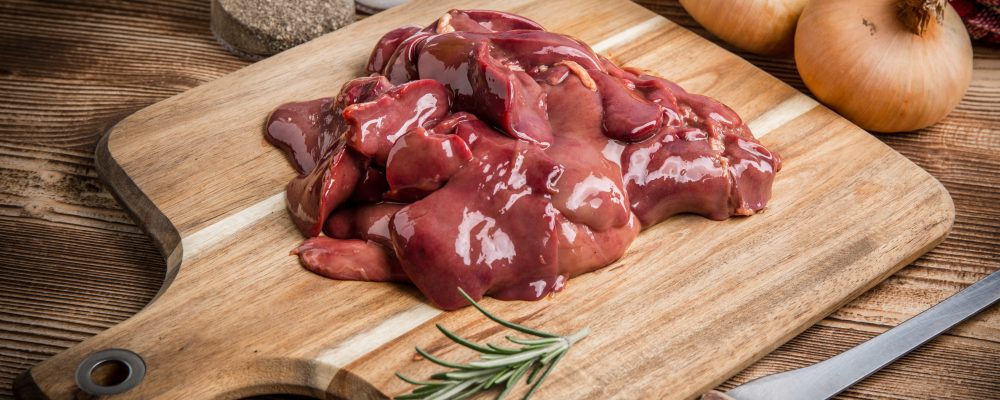
Chicken livers — available in any grocery store for a fraction of the cost of chicken breast — are one of the most nutrient-dense foods available in any animal protein category, rich in iron, B vitamins, vitamin A, and complete protein, with a flavor that is distinctly mineral and iron-rich and that, properly prepared, produces dishes of genuine complexity. The chicken liver pâté, the chicken liver mousse, the Venetian fegato alla veneziana with its combination of liver and caramelized onions — each of these is a sophisticated preparation from a humble and inexpensive ingredient.
The Organ Meats and Why They Were Abandoned
The organ meats — liver, kidney, heart, sweetbreads, tongue — occupy the most complicated position in the contemporary Western relationship with eating.
They are almost universally avoided by mainstream consumers despite being central to the culinary traditions of most of the world’s great cuisines. They are among the most nutrient-dense foods available, providing concentrations of specific vitamins and minerals that no other food source matches. And they are, in many cases, among the most flavorful preparations available — when properly sourced and properly cooked.
The reasons for their abandonment in mainstream Western eating are partly cultural — the specific disgust response that the idea of eating organs triggers in people who grew up in a food culture that treated them as undesirable — and partly historical. The post-war prosperity that made premium muscle cuts affordable to the middle class coincided with a cultural shift that associated organ consumption with poverty and associated the avoidance of organs with the improved circumstances that prosperity provided.
The specific irony of this shift is nutritional. The organs that were abandoned in favor of premium muscle cuts are significantly more nutritious than those cuts. Beef liver contains concentrations of vitamin A, vitamin B12, iron, and folate that muscle meat cannot match. Kidney contains significant selenium and riboflavin. Heart contains coenzyme Q10 at concentrations that no plant food provides. The affluence that allowed people to stop eating organs produced a diet that was, in specific nutritional terms, less complete than the one it replaced.
The culinary traditions that maintained their relationship with organ meats — the French tradition of offal cooking, the Italian quinto quarto, the British tradition of kidney pie and deviled kidneys, the numerous Asian culinary traditions that use organs extensively — preserved the specific techniques that make organ meats genuinely excellent rather than merely edible.
The Technique That Makes Organ Meats Great
The single most important thing to understand about cooking organ meats is that technique matters more with them than with almost any other animal protein.
A poorly sourced, poorly prepared piece of liver is one of the most unpleasant eating experiences available. A properly sourced, properly prepared piece of liver is something that converts the skeptic — a dish with a specific mineral richness and complexity that no other protein delivers.
The specific technique variables that determine which of these experiences a piece of liver produces are straightforward once they are understood.
Freshness is paramount with organ meats in a way that exceeds its importance with muscle meat. Liver and kidney in particular deteriorate rapidly — the specific compounds that produce their characteristic flavor become unpleasant when the organ is not fresh. The liver purchased from a butcher who can tell you when it arrived, or from a farmers market vendor who slaughtered the animal within the past several days, is a categorically different product from liver that has been sitting in a grocery store case for an extended period.
The preparation before cooking matters significantly. Liver benefits from soaking in milk or cold water for thirty minutes to an hour before cooking — the soaking draws out blood and reduces the intensity of the flavor in a way that makes it more approachable. Kidneys benefit from trimming the fat and core and similarly soaking to reduce their more assertive character.
And the cooking must be fast and hot. Liver cooked over high heat for two minutes per side — seared until just done with a slightly pink interior — is entirely different from liver cooked slowly until grey and dry, which is the preparation most responsible for the negative associations that most people carry. The specific enzymes in liver that produce flavor when the meat is still slightly pink produce something harsh and unpleasant when those enzymes are fully denatured by overcooking. Fast, high heat is the technique.
The Bones and What They Offer
The bones of an animal — which are universally discarded by people who purchase boneless cuts and by many who purchase bone-in cuts — are among the most flavorful parts available and produce, through long simmering, the stocks and broths that form the foundation of the most serious cooking in any tradition.
This has been discussed in the context of stock making in previous issues — but it deserves emphasis here in the context of whole-animal thinking, because the bones are what most completely illustrates the gap between the culinary culture that used everything and the one that discards the most valuable flavor components along with what appears to be waste.
The roasted beef bone that has given its collagen to a twelve-hour stock, that has produced a broth with the body and richness that no commercial product replicates — this is the most complete use of what the animal offered. The same bone discarded after the muscle meat was removed, which is the standard outcome in most contemporary households, represents not just waste but the specific loss of the flavor infrastructure that makes serious cooking possible.
The instruction to save bones in the freezer — to accumulate the carcass of the roast chicken, the pork bones from the Sunday dinner, the beef bones from the braise — until there are enough to produce a stock is one of the most practically significant habits any home cook can develop. The stock it produces is the foundation that elevates every preparation it enters.
The Fat and Its Rehabilitation
Animal fat — the rendered tallow of beef, the lard of pork, the schmaltz of chicken, the duck fat of confit — occupies a similarly complicated position in the contemporary relationship with animal products.
The specific dietary ideology of the late twentieth century, which demonized saturated fat and animal fat as primary drivers of cardiovascular disease, produced a generation that replaced lard in pie crusts with vegetable shortening, that discarded chicken fat rather than rendering and using it, that threw away the beef drippings that previous generations stored for their specific culinary value.
The subsequent revision of the nutritional understanding of dietary fat — which has substantially reduced the confidence in the saturated fat hypothesis and complicated the picture of which fats are beneficial and which are harmful — has partially rehabilitated animal fats. But the cultural habits formed during the decades of fat avoidance have been slower to change than the science that produced them.
The lard that makes pie crust flakier than any vegetable shortening. The schmaltz that adds a specific richness to matzoh ball soup and chopped liver. The duck fat that produces roasted potatoes with a specific richness and crispness that no vegetable oil replicates. The beef drippings that make Yorkshire pudding what it is. Each of these is an argument for the culinary value of animal fat that is available to anyone willing to engage with it.
The Ethics That Reinforce the Culinary Case
The ethical argument for whole-animal eating is distinct from the culinary one but reinforces it.
The animal that was raised and slaughtered to provide food was a living being whose life and death carry moral weight that the cultures most directly engaged with animal agriculture have always acknowledged — through ritual, through specific practices of respect and thanks, through the deliberate use of every part as a form of honoring what the animal provided.
The contemporary system that raises animals in conditions of significant confinement and then discards most of what the animal offers in favor of a small selection of premium cuts is not consistent with this older understanding of the relationship between humans and the animals they eat. It is a system organized around the preferences of consumers who have been insulated from the reality of where their food comes from and who have developed preferences that are, in several respects, poorly aligned with the actual culinary and nutritional value of what the animal offers.
The cook who commits to using more of the animal — who makes stock from the bones, who uses the liver and the heart and the lesser cuts, who renders the fat rather than discarding it — is practicing a form of respect that is both ethically coherent and culinarily rewarding.
The Takeaway
The case for eating the whole animal is made most persuasively not through ethics but through flavor — through the specific discovery that the parts that have been abandoned are, in many cases, the parts that produce the most interesting and most deeply flavored food.
Find a butcher who sells whole animals or who can provide specific parts on request. Make stock from the bones that would otherwise be discarded. Cook the liver properly — fresh, soaked, seared over high heat — and taste what has been missed. Render the fat and use it where its specific flavor and texture properties produce results that no vegetable oil achieves.
The whole animal is not a philosophy or an ethical commitment, though it can be both. It is a culinary resource — one that the cuisines that used it understood and that the contemporary food culture that abandoned it has largely forgotten.
It is worth remembering.














