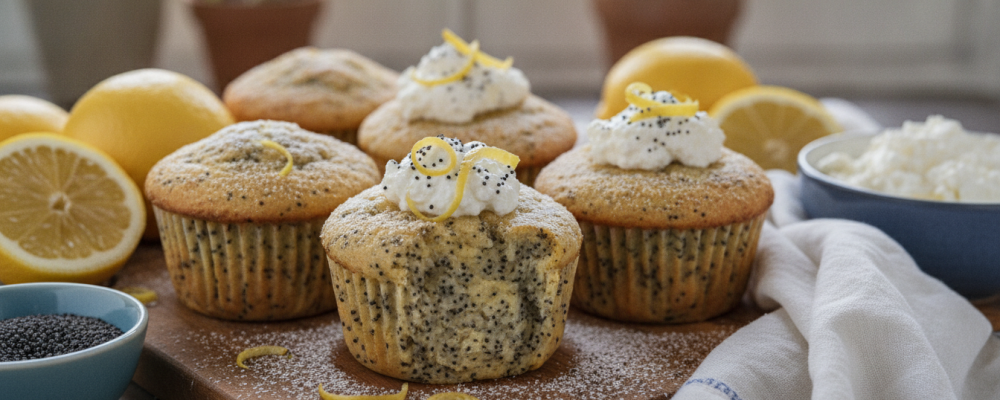

I want to start with what I know will be the sticking point for some people, and I want to address it directly and without apology: cottage cheese in a baked cup batter is not a compromise. It is not a substitute for something better that was unavailable. It is not a wellness-motivated sacrifice of flavor and texture for the sake of added protein. It is, in fact, a pastry technique with a legitimate and distinguished history in European baking, and the crumb it produces in this recipe is—measurably, demonstrably, empirically—moister, more tender, and more genuinely pleasurable to eat than the same cup made without it.
Here is what cottage cheese does in a batter, and why it works. The curds, when incorporated into the wet ingredients and mixed through the batter, partially dissolve during mixing and baking, releasing their whey protein into the batter’s liquid phase and their fat into the developing crumb structure. The whey proteins coagulate during baking in a way that is gentler and more moisture-retentive than the gluten development that flour proteins produce—they set the crumb at a lower temperature and with more flexibility, producing a texture that springs back when pressed rather than crumbling away. The fat contributes richness without the heaviness of butter in equivalent quantities. And the residual acidity in cottage cheese interacts with the baking powder to produce additional leavening—a subtler version of the buttermilk-in-baking reaction that pastry bakers have relied on for centuries.
The result is a cup that looks like a lemon poppy seed muffin and tastes like a significantly better one. That outcome is the whole point, and cottage cheese is the ingredient that achieves it.
─────────────────────────────────────────
The Inspiration Behind This Recipe
The lemon poppy seed combination is one of the classics of the bakery world—not in the way that something is called a classic because it’s ubiquitous, but in the way that something is a classic because the flavor logic behind it is genuinely sound and has been proven correct by generations of bakers working independently across multiple culinary traditions. Lemon’s bright, floral acidity and poppy seed’s mild, slightly nutty earthiness are a pairing that has appeared in Central European baking for centuries and in American bakery culture for at least the past fifty years, and the reason it persists is simply that it works: the poppy seed’s subtle bitterness makes the lemon taste more citrusy, and the lemon’s acid makes the poppy seed taste more complex.
The cottage cheese addition was the contemporary evolution that made this recipe worth developing specifically for a meal prep collection. A standard lemon poppy seed muffin is delightful when freshly baked and noticeably less so by day three—the crumb dries, the lemon brightness fades, and what remains is a dense, slightly stale version of the original. Cottage cheese’s moisture retention changes that trajectory: the cup’s crumb stays moist through day four because the whey protein’s moisture-binding capacity continues functioning in the refrigerator, keeping the crumb softer and more supple than an egg-and-butter-only batter would produce in storage.
Vanilla extract was added not merely as a background note but as a flavor bridge between the two primary ingredients. Lemon and vanilla share a group of aromatic compounds that make them genuinely complementary—vanilla’s warmth softens lemon’s sharp edge in a way that makes the cup taste rounded and bakery-like rather than simply tart. The combination of lemon zest, lemon juice, and vanilla extract produces a flavor depth that is far more interesting than lemon alone could achieve, and it is the combination that makes these cups taste like something specifically from a good bakery rather than generically like a muffin.
─────────────────────────────────────────
A Brief History of Lemon Poppy Seed Baking
The use of poppy seeds in baked goods is one of the oldest continuous baking traditions in the world, with documented culinary use stretching back to ancient Egypt and Mesopotamia, where poppy seeds were used as a flavoring and a fat source in breads and pastries thousands of years before their association with European baking developed. In Central and Eastern European baking traditions—particularly German, Polish, Czech, and Austrian cuisines—ground poppy seed pastes and whole poppy seeds became a defining ingredient in celebration pastries, strudels, and rolled breads whose recipes have been passed down largely unchanged for centuries. The makovnjača of Croatia, the makóvník of Slovakia, and the mohnkuchen of Germany all center poppy seed as a primary flavor in baked preparations that have held their cultural importance across generations.
The combination of poppy seed with lemon specifically reflects the natural complementarity of the two ingredients in a baked context—a combination that became particularly established in the Austro-Hungarian baking tradition, where lemon-scented doughs and pastries were a luxury of urban bakeries in Vienna, Prague, and Budapest from the 18th century onward. The lemon poppy seed muffin as Americans know it is a 20th century commercial iteration of this much older pairing, popularized through diner and bakery culture and eventually through the convenience baking industry.
Cottage cheese as a baking ingredient has its own distinguished history in Central and Eastern European baking—particularly in the quark and fresh cheese baking traditions of German, Austrian, and Scandinavian kitchens, where fresh soft cheeses have been incorporated into batter, dough, and pastry preparations for centuries as a moisture-retaining, protein-enriching ingredient. The incorporation of cottage cheese into a lemon poppy seed baked cup is, in this historical context, less an innovation than a reunion of two traditions that have been neighboring each other in the Central European baking canon for a very long time.
─────────────────────────────────────────
Why This Cooking Method Works for Meal Prep
The two-bowl mixing method—wet ingredients combined separately from dry before the two are brought together—is the technique that prevents the most common failure mode of cottage-cheese-enriched batters: overmixing. Cottage cheese’s protein content makes the batter more sensitive to overworking than a standard muffin batter: excessive mixing develops the gluten in the flour and tightens the protein structure, producing a dense, tough cup rather than the light, tender result the recipe targets. Preparing the wet and dry components separately and combining them with a gentle fold—stopping the moment no dry streaks are visible—minimizes gluten development and produces the most tender possible crumb.
Beating in the eggs one at a time rather than adding them together is the technique decision that produces the most stable, most evenly distributed emulsion in the batter. A single egg added to the wet ingredients and beaten in fully before the second is added produces a batter where each egg’s proteins and fat are individually distributed before the next is introduced—a progressive emulsification that is more stable and more uniform than a two-egg simultaneous addition. A stable emulsion produces a more even crumb with less risk of the fat separating from the protein matrix during baking.
The twenty to twenty-five minute baking window is calibrated for a cup whose internal moisture content is higher than a standard muffin due to the cottage cheese’s whey content. A toothpick test is more reliable than timing for this recipe specifically—the higher moisture content means the visual indicators (golden surface, slight pull from the tin) that signal doneness in a standard muffin appear slightly earlier than the interior has fully set. The toothpick inserted into the center of the tallest cup and emerging clean—no wet batter, a few dry crumbs acceptable—is the correct doneness indicator.
─────────────────────────────────────────
Flavor Profile: What to Expect
These cups are bright, warmly sweet, and texturally interesting—the flavor of a genuinely good bakery lemon poppy seed preparation with a crumb that performs better than the original:
- Vivid lemon zest and juice – The double lemon application—zest for aromatic depth, juice for bright acidity—produces a citrus character that is both fragrant and vivid, present throughout the crumb rather than concentrated at the surface
- Warm vanilla depth – Vanilla’s aromatic warmth bridges the lemon’s sharpness and the cottage cheese’s mild tanginess into a cohesive, rounded sweetness that makes the cup taste specifically like something from a very good bakery
- Subtle poppy seed earthiness – The poppy seeds contribute a mild, slightly nutty, faintly bitter note that makes the lemon taste more complex and more specifically itself by contrast—and provide the satisfying textural interest of small, toasted seeds throughout every bite
- Cottage cheese moisture and tang – The fresh cheese’s slight tanginess reinforces the lemon’s acidity in a way that deepens the cup’s overall brightness without adding sourness, and its moisture-retaining properties keep the crumb noticeably supple through the storage window
- Clean, sweet sugar balance – The sugar provides the straightforward sweetness that allows every other flavor to register clearly—present enough to make the cup feel indulgent, restrained enough to let the lemon come forward
The lemon and vanilla flavors are most vivid immediately after baking and remain consistently bright through the full storage window—one of the better performances in the collection for a citrus-forward baked good, attributable to the cottage cheese’s moisture retention slowing the flavor fading that typically affects lemon baked goods by day three.
─────────────────────────────────────────
Tips for Making the Best Lemon Poppy Seed Cottage Cheese Baked Cups
Precision at the mixing stage and accuracy at the doneness check determine the quality of the finished batch:
- Use full-fat cottage cheese – Full-fat cottage cheese has a higher fat and lower water content than low-fat or non-fat varieties, which produces a more tender crumb and reduces the risk of excess moisture making the batter too loose to hold its shape in the muffin cup.
- Zest before you juice – Always zest the lemon before cutting and juicing it. A juiced lemon is significantly harder to zest cleanly; the zested whole lemon gives you maximum essential oil extraction from the skin and a clean juicing afterward.
- Use only the yellow part of the zest – The white pith below the zest is bitter and will introduce an unpleasant bitterness into the cup if included. A microplane pressed lightly against the lemon’s skin, rotating the fruit rather than staying in one place, removes only the fragrant yellow layer.
- Sift the dry ingredients – Sifting flour, baking powder, and salt together produces a more uniform dry mixture and prevents pockets of baking powder from concentrating in one area of the batter, which can cause uneven rise. It takes thirty seconds and produces a measurably more even crumb.
- Fold, don’t stir – When combining wet and dry ingredients, use a folding motion—cut through the center of the batter with a spatula, sweep along the base, and fold over the top. Stop when the flour streaks just disappear. The batter will look slightly rough; this is correct.
- Trust the toothpick over the timer – Every oven runs slightly differently. Start checking at the twenty-minute mark and use the toothpick as the final authority on doneness.
Optional: A simple lemon glaze—two tablespoons of fresh lemon juice whisked with enough powdered sugar to produce a pourable consistency—drizzled over the cooled cups adds a glossy, concentrated lemon finish that makes the flavor more vivid and the visual presentation more polished. It dries to a matte finish within ten minutes and holds well through refrigerator storage.
─────────────────────────────────────────
Portioning and Container Suggestions
A standard 12-cup muffin tin produces twelve individual cups—two to three per serving as a breakfast portion, or one or two as a snack. The cups’ standard muffin geometry makes them among the most efficiently stored baked goods in the collection: they stack in a flat, wide airtight container with a piece of parchment paper between layers, or stand upright in a tall container in a single layer without any special arrangement required.
The visual of a container of these cups—golden-domed, flecked with poppy seeds, slightly glistening at the surface where the cottage cheese’s moisture has produced a slightly tender crust—is one of the more attractive meal prep refrigerator presentations available in the baked breakfast category. If adding the optional lemon glaze, allow it to set completely before stacking to avoid the glaze transferring between cups during storage.
For a particularly beautiful serving presentation—these cups are worthy of a weekend brunch as much as a weekday breakfast—arrange them on a board alongside a small dish of lemon curd or fresh berries and a dusting of powdered sugar immediately before serving. The poppy seeds against the golden surface and the white sugar dusting produce a visual that belongs on a café counter, which is, given the preparation time required, an exceptionally good return on Sunday afternoon effort.
─────────────────────────────────────────
Storage, Reheating, and Shelf Life Tips
- Refrigerator storage: Baked cups keep in an airtight container for up to 5 days. The cottage cheese’s moisture-retaining properties keep the crumb noticeably suppler through day four than a standard muffin batter would—one of this recipe’s most meaningful meal prep advantages.
- Freezer storage: These cups freeze exceptionally well for up to 2 months. Cool completely, wrap each cup individually in plastic wrap, and transfer to a labeled freezer bag. The cottage cheese protein structure is highly freeze-stable with no significant texture change after thawing.
- Room temperature serving: These cups are genuinely good at room temperature—the lemon zest fragrance is most pronounced without refrigerator suppression, and the crumb is at its most naturally tender. A completely valid no-reheat option.
- Oven reheating (recommended): Place cups on a baking sheet at 300°F for 8–10 minutes from refrigerated. This method warms the crumb gently and produces a slightly crisped top surface that makes the cup taste freshly baked—significantly better than microwave reheating for texture.
- Microwave reheating: Wrap in a damp paper towel and microwave at 50% power for 30–45 seconds. Full power can toughen the cottage cheese protein matrix and produce a slightly rubbery interior; low power preserves the crumb’s tenderness.
- Lemon glaze note: If glazed, allow the glaze to re-set after reheating—it softens slightly in the microwave but returns to its matte finish as it cools.
─────────────────────────────────────────
Why This Recipe Deserves a Spot in Your Meal Prep Rotation
Lemon poppy seed is one of the enduring flavor classics of the bakery world for good reason—it is bright, specific, and immediately recognizable as something specifically delicious rather than generically sweet. A week that contains these cups in the breakfast rotation is a week that begins with something vivid and intentional every morning, and that quality—the specific pleasure of a breakfast that tastes like it was made with real attention to flavor—is one of the most reliable indicators that a recipe will earn a permanent place on the weekly prep list.
The cottage cheese is what makes the practical case alongside the flavor one. A baked cup that stays genuinely moist through day five, that provides a protein return significantly above what a standard muffin delivers, and that achieves both of those outcomes without any compromise in flavor or texture is a rare and genuinely useful recipe. Most baked oat and muffin preparations offer two of those three qualities; this cup offers all three. That combination—beautiful, nourishing, and durable—is the standard I hold every baked breakfast to. This one meets it with characteristic lemon brightness and enough cottage cheese protein to keep you full until lunch. That is more than enough reason to make it every Sunday.
─────────────────────────────────────────
Meal Prep Pairing Suggestions
Lemon Poppy Seed Cottage Cheese Baked Cups pair most naturally with baked breakfast preparations that offer genuine contrast in flavor profile and dairy base. Our Cardamom Pear Baked Ricotta Cups are the natural companion within the fresh-cheese-baked-cup category—both use a soft dairy cheese as a functional baking ingredient, but where this cup is bright, citrusy, and lemon-forward, the ricotta cup is warmly spiced and fruit-topped. The two preparations share a culinary philosophy—fresh cheese as a moisture-retaining baking ingredient—while producing completely different flavor experiences that make the two an ideal breakfast rotation pair.
For a complete three-option baked breakfast rotation, our Raspberry Almond Baked French Toast Cups round out the spread with a custardy, fruit-studded warmth that covers the sweet breakfast category from a completely different angle—egg-based and almond-scented where these cups are flour-based and lemon-bright. Three baked breakfast preparations, each with a distinct dairy base (cottage cheese, ricotta, egg custard), each with a distinct fruit or spice signature (lemon-poppy, cardamom-pear, raspberry-almond), assembled across a single Sunday oven session and delivering a sweet breakfast rotation that is genuinely, specifically beautiful in three different ways. A refrigerator with all three waiting in it is a refrigerator that is ready for any morning the week can produce. That is exactly what Sunday prep is for.
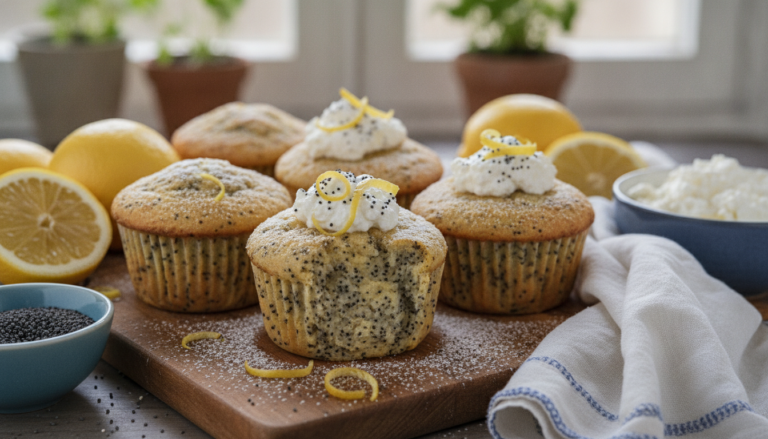
Lemon Poppy Seed Cottage Cheese Baked Cups
These Lemon Poppy Seed Cottage Cheese Baked Cups are a bright, citrus-forward baked breakfast that uses cottage cheese to produce an exceptionally moist, protein-rich crumb—a classic lemon poppy seed flavor combination elevated by an ingredient the bakery world has been underutilizing for years.comes together in under 45 minutes.
8
servings15
minutes25
minutes150
kcal40
minutesIngredients
1 cup cottage cheese
1/4 cup sugar
2 tablespoons lemon juice
1 teaspoon lemon zest
2 tablespoons poppy seeds
1 cup all-purpose flour
1/2 teaspoon baking powder
1/4 teaspoon salt
2 eggs
1 teaspoon vanilla extract
Directions
- Preheat the oven to 350°F (175°C) and grease a muffin tin.
- In a bowl, mix cottage cheese, sugar, lemon juice, and lemon zest until combined.
- Add poppy seeds and stir thoroughly.
- In another bowl, sift together flour, baking powder, and salt.
- Combine wet and dry ingredients until just mixed.
- Beat in eggs one at a time, then add vanilla extract.
- Divide batter evenly among muffin cups.
- Bake for 20-25 minutes or until a toothpick inserted comes out clean.
- Cool before serving.
Nutrition Facts
- Total number of serves: 4
- Calories: 150kcal
- Cholesterol: 0mg
- Sodium: 620mg
- Potassium: 400mg
- Sugar: 8g
- Protein: 6g
- Calcium: 60mg
- Iron: 2mg
About This Author

Aurora Wright
Pastry Chef & Dessert Editor
Aurora is the sweet side of Daily Dish. A trained pastry chef and dessert stylist, she’s responsible for our mouth-watering cakes, cookies, and confections. She brings precision, artistry, and a touch of whimsy to every recipe she creates — and taste-tests more chocolate than she’ll admit.
Favorite dish: Flourless dark chocolate torte.
Kitchen motto: “Life’s too short to skip dessert.”