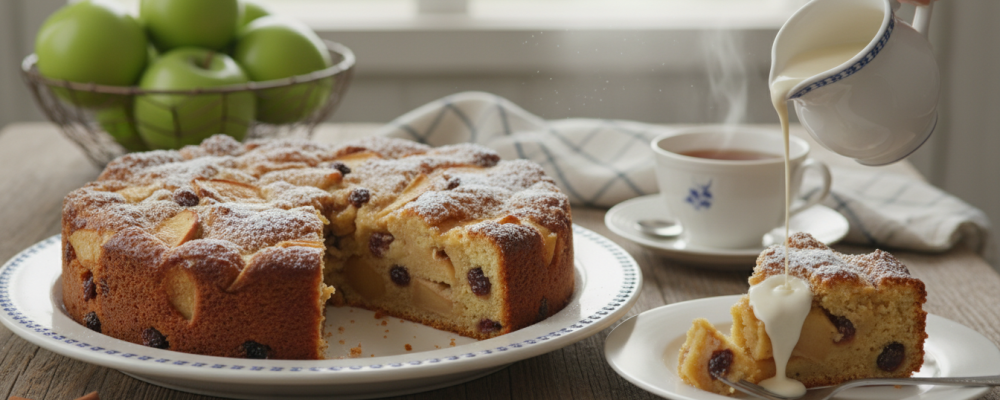

There’s something profoundly comforting about Irish Apple Cake. It’s not trying to be fancy or impressive—it’s just good, honest cake that tastes like someone’s grandmother made it with love. I fell in love with this recipe during a trip to Ireland, where I discovered that Irish bakers have a gift for creating desserts that feel like warm hugs. They don’t fuss with elaborate decorations or trendy techniques. They just let quality ingredients speak for themselves, and the result is magic.
What makes this cake so special is its simplicity. You don’t need special equipment, exotic ingredients, or advanced techniques. You need apples, butter, flour, and spices—things most of us already have in our kitchens. The apples are the star here, chunks of them distributed throughout the cake, providing bursts of sweet-tart flavor and incredible moisture. The cinnamon adds warmth without overwhelming the apples. The cake itself is tender and buttery, substantial enough to hold all those apple pieces but light enough that you’ll want a second slice.
I make this cake on rainy afternoons when I want the house to smell wonderful and I’m craving something sweet but not too fussy. It’s perfect with afternoon tea, lovely as a weekend breakfast treat, and wonderful served warm with vanilla ice cream melting down the sides for dessert. This is the kind of recipe that becomes a family favorite, the one people request for birthdays not because it’s elaborate, but because it tastes like home.
─────────
The Inspiration Behind This Recipe
I first tasted authentic Irish Apple Cake in a small café in County Cork, where the owner served it warm with fresh cream and a pot of strong tea. It was raining outside, the fire was burning in the hearth, and that cake was the most comforting thing I’d ever eaten. When I came home, I was determined to recreate that feeling—not just the taste, but the entire experience of simple, unpretentious baking done right.
Traditional Irish Apple Cake varies from region to region and family to family. Some versions include a streusel topping, others use a cake batter top layer, and some are more rustic with visible apple chunks throughout. I tested many variations before landing on this version, which captures what I loved most about that café cake: generous apple pieces, warm cinnamon spice, and a tender crumb that’s not too sweet. The goal was to create something that felt authentic to Irish baking traditions while being accessible for American home bakers.
What I love about this cake is how it celebrates the fruit. In so many desserts, fruit is an afterthought or garnish. Here, the apples are integral—you taste them in every bite, and their natural sweetness and acidity balance the cake perfectly. It’s a reminder that sometimes the best desserts are the simplest ones, where a few quality ingredients are treated with respect and allowed to shine.
─────────
A Brief History of Irish Apple Cake
Apple cakes have been baked in Ireland for centuries, evolving from simple farmhouse desserts into beloved national treats. Historically, Irish families would bake apple cakes during autumn when apple harvests were abundant, using whatever variety grew in their gardens or orchards. The cakes were practical—a way to use up apples before they spoiled and to create something sweet when sugar was precious and expensive.
Traditional Irish baking emphasizes simplicity and resourcefulness. Unlike elaborate continental pastries, Irish desserts tend to be straightforward, using basic pantry ingredients and local produce. Apple cake embodies this philosophy perfectly—it requires no special skills, no exotic ingredients, just good technique and quality apples. The addition of cinnamon came later, likely influenced by trade routes that made spices more accessible.
Different regions of Ireland developed their own variations. Some areas prefer a dense, bread-like cake, while others favor lighter, more cake-like textures. Some recipes include raisins or currants, others stick with just apples. Some top the cake with sugar before baking, creating a slight crunch on top. What remains consistent across all versions is the emphasis on apples as the primary flavor and the cake’s role as an everyday comfort food rather than a special occasion dessert.
Irish Apple Cake is traditionally served with custard, fresh cream, or simply on its own with a cup of tea. It’s the kind of cake that appears at family gatherings, church socials, and afternoon tea services—a humble dessert that’s woven into the fabric of Irish culinary culture. This version honors those traditions while adapting measurements and techniques for modern American kitchens.
─────────
Why This Baking Method Works
The butter-sugar creaming creates tenderness. Beating softened butter with sugar incorporates air bubbles that expand during baking, creating a light, tender crumb. This step is crucial—under-creaming results in dense cake, while proper creaming (3-5 minutes until light and fluffy) ensures the perfect texture.
Alternating dry ingredients with milk prevents overmixing. Adding all the flour at once would require extensive stirring to incorporate, which develops gluten and creates tough cake. By alternating additions—dry, wet, dry—you can gently fold everything together with minimal mixing, which keeps the cake tender. Always begin and end with dry ingredients for best results.
Folding in apples distributes them evenly. The apples are added last and folded in gently so they’re suspended throughout the batter rather than sinking to the bottom. Using a folding motion (rather than stirring) also prevents overmixing the batter once the flour is incorporated.
Generous apple chunks provide moisture and flavor. The apples release juice as they bake, which keeps the cake incredibly moist. They also create pockets of concentrated apple flavor throughout. Larger chunks (about 1/2-inch pieces) work better than tiny dice—they maintain their shape and provide better texture contrast.
Cinnamon enhances apple flavor. Cinnamon and apples are natural partners—the warm spice amplifies the apples’ sweetness and adds depth. The amount used here is enough to provide warmth without overwhelming the fruit.
A single layer keeps it simple and rustic. Unlike elaborately layered cakes, this single-layer approach is unpretentious and traditional. It’s meant to be served from the pan or transferred to a simple plate—no fancy decoration needed.
Moderate oven temperature ensures even baking. At 350°F, the cake bakes slowly enough that the interior cooks through before the exterior over-browns, and the apples have time to soften properly. The 45-minute bake time allows everything to meld together perfectly.
─────────
Flavor Profile: What to Expect
Sweet-tart apple flavor dominates in the most delightful way. The apples maintain some texture even after baking, so you get those wonderful moments of biting into a soft, sweet apple piece that contrasts with the surrounding cake. Depending on your apple variety, you’ll get varying levels of tartness that balance the cake’s sweetness beautifully.
Warm cinnamon spice provides cozy, comforting notes throughout. It’s not overwhelming—just enough to add warmth and enhance the apples. The cinnamon creates that characteristic “fall baking” aroma that makes your kitchen smell incredible.
Buttery, tender cake forms the foundation. This isn’t a heavy, dense cake, nor is it extremely light and airy—it’s somewhere in between, with a tender crumb that’s substantial enough to hold the apple pieces but soft enough to melt in your mouth. The butter provides rich flavor and moisture.
Subtle vanilla sweetness appears in the background, rounding out the flavors without calling attention to itself. The vanilla enhances everything else without competing.
The overall experience is comforting and homey. This tastes like the kind of cake someone’s grandmother has been making for fifty years—familiar, reliable, satisfying. It’s not showy or complex, it’s just really, really good. The balance of sweet and tart, soft and slightly textured, buttery and fruity creates something greater than the sum of its parts.
─────────
Tips for Making the Best Irish Apple Cake
Choosing and Preparing Apples:
- Use firm, tart apples for best results. Granny Smith, Honeycrisp, Braeburn, or a mix work beautifully. Avoid Red Delicious or other very soft apples that turn mushy when baked.
- Cut apples into 1/2-inch chunks rather than thin slices. Larger pieces maintain better texture and provide more satisfying bites of apple throughout the cake.
- Peel the apples for the most tender result, though you can leave peels on if you prefer more rustic texture and extra fiber.
- Toss apples with a little lemon juice if you’re preparing them ahead—this prevents browning and adds a subtle brightness.
- Use about 2 large apples or 3 medium ones. You want enough to see apple in every slice but not so much that the cake can’t hold them.
Achieving Perfect Cake Texture:
- Bring butter to true room temperature (65-70°F)—it should indent easily when pressed but not be greasy or melted. Softened butter creams properly with sugar; cold butter won’t incorporate air.
- Cream butter and sugar thoroughly—beat for at least 3-5 minutes until the mixture is pale, fluffy, and increased in volume. This creates the foundation for tender cake.
- Add eggs one at a time and beat well after each addition. This ensures proper emulsification and prevents the batter from curdling.
- Use room temperature eggs and milk for better incorporation and a smoother batter.
- Don’t overmix once flour is added. Mix just until the flour streaks disappear. Overmixing develops gluten and creates tough, chewy cake instead of tender crumb.
Folding in Apples:
- Fold gently using a large spatula with sweeping motions from bottom to top. You want to distribute the apples evenly without deflating the batter.
- Work quickly once apples are added—prolonged mixing can cause the apples to break down and release too much juice.
- Make sure apples are well-coated with batter—this helps them stay suspended throughout the cake rather than sinking to the bottom.
Baking Tips:
- Grease your pan thoroughly and consider lining the bottom with parchment for easy removal. Apples can stick, so proper preparation matters.
- Don’t open the oven for at least the first 30 minutes of baking—temperature fluctuations can cause the cake to sink in the middle.
- Test for doneness with a toothpick inserted near the center—it should come out clean or with just a few moist crumbs. If you hit an apple piece, test in another spot.
- Cool in the pan for 15 minutes before turning out. This allows the cake to set slightly and makes it less likely to break apart when removed.
Apple Variety Combinations:
- Mix tart and sweet apples for complexity—try half Granny Smith, half Honeycrisp for excellent balance
- Single variety works perfectly too—Granny Smith alone creates a wonderfully tart cake that pairs beautifully with sweet accompaniments
─────────
Serving Suggestions and Presentation Ideas
Traditional Irish Style: Serve warm slices with freshly whipped cream (lightly sweetened) or Irish custard (custard sauce) poured over the top. This is the most authentic presentation and absolutely delicious. Add a pot of strong tea on the side for the complete Irish experience.
American Comfort: Top warm slices with a scoop of vanilla ice cream and watch it melt into the cake—pure heaven. Drizzle with caramel sauce for extra indulgence. This turns the simple cake into an impressive dessert that satisfies even the sweetest cravings.
Breakfast or Brunch: Serve at room temperature or slightly warm with butter and a dusting of powdered sugar on top. Pair with coffee or tea for a lovely morning treat. The apples and cinnamon make this feel appropriate for breakfast in a way that many cakes don’t.
Elegant Plated Dessert: Warm individual slices slightly and plate with a dollop of sweetened whipped cream, a sprinkle of cinnamon, and thin apple slices fanned on the side. Drizzle the plate with caramel sauce or butterscotch for restaurant-quality presentation.
Picnic or Potluck Style: Serve directly from the pan, cut into generous squares. This cake travels beautifully and tastes wonderful at room temperature. It’s sturdy enough to pack for picnics and doesn’t require refrigeration for several hours, making it perfect for outdoor gatherings.
Festive Holiday Presentation: Dust the top generously with powdered sugar and arrange fresh apple slices and cinnamon sticks on top for a beautiful autumn or winter presentation. Serve on a rustic wooden board or cake stand for maximum visual appeal.
─────────
Storage, Reheating, and Make-Ahead Tips
Storage:
- Room Temperature: Store covered with plastic wrap or in an airtight container at room temperature for up to 3 days. The apples keep the cake moist, so it actually stays fresh longer than many cakes.
- Refrigerator: For longer storage, refrigerate for up to 1 week. The cake firms up when cold but returns to perfect texture when brought to room temperature or warmed.
- Freezer: Wrap tightly in plastic wrap, then aluminum foil, and freeze for up to 3 months. Thaw overnight in the refrigerator or at room temperature for a few hours. The texture holds up beautifully after freezing.
Reheating: This cake is absolutely delightful when warmed:
- Microwave: Heat individual slices for 15-20 seconds until just warm
- Oven: Wrap the whole cake in foil and warm at 300°F for 15-20 minutes
- Toaster Oven: Heat slices for 5-7 minutes at 300°F
Warming intensifies the cinnamon aroma and makes the apples extra tender and juicy—it’s like eating freshly baked cake even days later.
Make-Ahead Strategy: This cake is excellent for make-ahead baking:
- Bake 1-2 days ahead and store covered at room temperature—the flavor actually improves as the apple juices permeate the cake
- Freeze up to a month ahead for stress-free entertaining—thaw the day before serving
- Prepare dry ingredients the night before if you want to streamline the morning baking process
Serving Temperature: This cake is wonderful served three ways:
- Warm from the oven (or reheated)—the apples are extra tender and aromatic
- Room temperature—traditional and convenient, perfect for serving throughout the day
- Slightly chilled from the refrigerator—surprisingly refreshing on warm days
Each temperature brings out different qualities, so experiment to find your preference!
─────────
Why This Recipe Deserves a Spot in Your Rotation
Irish Apple Cake is the definition of an everyday cake—the kind you make not for special occasions but for regular life. It’s the cake you bake on a Sunday afternoon just because, the cake you bring to a friend who’s going through a tough time, the cake you serve when someone stops by unexpectedly for tea. There’s something deeply comforting about having a recipe like this in your repertoire, one that’s so simple and reliable that you can make it almost without thinking.
What I love most about this cake is its honesty. It doesn’t pretend to be anything it’s not. There’s no fancy frosting to hide behind, no elaborate decoration to distract from the flavor. It’s just cake and apples, and it’s wonderful precisely because it’s so straightforward. In a world of increasingly complicated desserts, there’s something refreshing about a recipe that says, “This is enough. Simple is enough.”
This cake also teaches an important lesson about seasonal baking. When apples are in season and abundant, this is the cake that makes sense. It celebrates the fruit rather than overwhelming it with other flavors. It reminds us that good baking doesn’t require exotic ingredients or complex techniques—it just requires respecting your ingredients and treating them well.
The practicality factor is huge. This cake keeps beautifully, tastes wonderful at any temperature, requires no special equipment, and uses ingredients you probably already have. It’s the kind of recipe that saves you when you need to bring something to a gathering at the last minute or when you want to fill your kitchen with the smell of home baking without spending all day in the kitchen.
If you’re looking for a recipe that will become a quiet favorite, that people will request not because it’s flashy but because it’s genuinely good, that makes your kitchen smell like love and comfort—this is it. Irish Apple Cake isn’t trying to impress anyone. It’s just trying to be delicious and comforting, and it succeeds beautifully every single time.
─────────
Recommended Drink Pairing
Irish Breakfast Tea: The traditional and perfect pairing—a strong Irish breakfast tea with a splash of milk complements the cake’s sweetness and enhances the cinnamon notes. The tea’s slight astringency cuts through the buttery richness and cleanses the palate between bites. This pairing feels authentic and comforting, exactly as it would be served in Ireland.
Hot Apple Cider: For autumn gatherings, warm spiced apple cider creates a harmonious pairing that doubles down on apple flavor while adding complementary spices like cloves and nutmeg. The warmth of both the cake and cider together feels incredibly cozy and seasonal.
Coffee – Medium Roast: A smooth medium roast coffee provides gentle bitterness that balances the cake’s sweetness without overwhelming the delicate apple flavor. Add cream for a richer pairing, or drink it black for more contrast. This works beautifully for breakfast or afternoon service.
Vanilla Ice Cream: While not a beverage, vanilla ice cream melting over warm cake creates its own delicious sauce and is such a classic pairing it deserves mention. For a beverage alongside, try cold milk for nostalgic comfort—the combination of warm cake, cold milk, and melting ice cream is pure bliss.
Irish Cream Liqueur: For adults, Baileys Irish Cream or similar liqueur served over ice pairs beautifully with this cake, adding creamy richness and a subtle boozy warmth. Alternatively, add a splash to your coffee for an indulgent Irish coffee experience that complements the cake’s flavors perfectly.

Irish Apple Cake
Irish Apple Cake is a rustic, homey dessert that celebrates the simplicity of fresh apples and warm spices—moist, tender, and perfectly sweet with chunks of apple throughout every comforting bite.
8
servings20
minutes45
minutes350
kcal1
hour5
minutesIngredients
2 cups all-purpose flour
1 tsp baking powder
1 tsp cinnamon
0.5 tsp salt
0.5 cup unsalted butter, softened
0.75 cup sugar
2 eggs
1 tsp vanilla extract
0.5 cup milk
3 large apples, peeled and sliced
Directions
- Preheat your oven to 350°F (175°C) and prepare a 9-inch round cake pan by greasing it lightly with butter or oil.
- In a mixing bowl, whisk together the all-purpose flour, baking powder, cinnamon, and salt until evenly combined.
- In another large bowl, beat together the softened butter and sugar until the mixture becomes fluffy and light in color.
- Add the eggs to the butter-sugar mixture one at a time, mixing well after each addition. Then mix in the vanilla extract.
- Gradually add the dry mixture to the wet ingredients, alternating with milk, and stir until just combined.
- Gently fold the sliced apples into the batter, ensuring they are evenly distributed throughout the mixture.
- Pour the batter into the prepared cake pan and smooth the top with a spatula or the back of a spoon.
- Bake in the preheated oven for 45 minutes, or until a toothpick inserted into the center comes out clean.
- Allow the cake to cool in the pan for about 15 minutes before transferring it to a wire rack to cool completely.
Nutrition Facts
- Total number of serves: 4
- Calories: 350kcal
- Cholesterol: 0mg
- Sodium: 620mg
- Potassium: 400mg
- Sugar: 8g
- Protein: 6g
- Calcium: 60mg
- Iron: 2mg
About This Author

Aurora Wright
Pastry Chef & Dessert Editor
Aurora is the sweet side of Daily Dish. A trained pastry chef and dessert stylist, she’s responsible for our mouth-watering cakes, cookies, and confections. She brings precision, artistry, and a touch of whimsy to every recipe she creates — and taste-tests more chocolate than she’ll admit.
Favorite dish: Flourless dark chocolate torte.
Kitchen motto: “Life’s too short to skip dessert.”