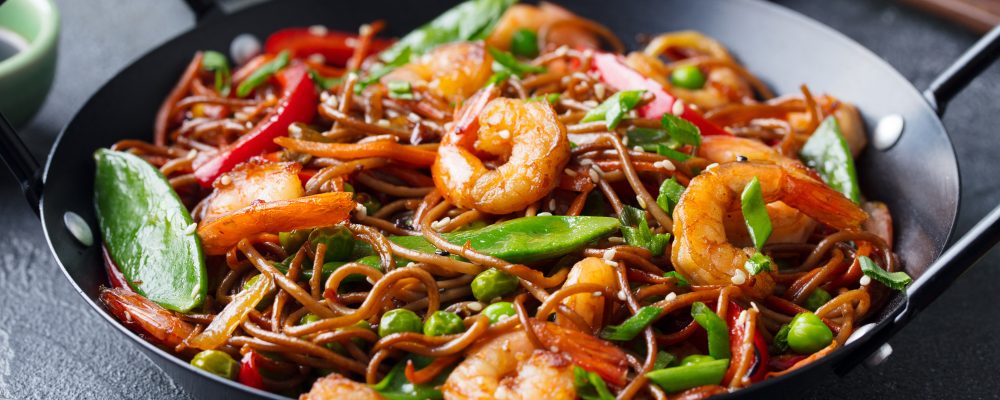

Stir-fry should be fast, hot, and crispy.
Vegetables with a slight char. Meat that’s seared, not steamed. Everything coated in a glossy sauce that clings instead of pools.
But when you make it at home, it comes out different.
Soggy vegetables sitting in liquid. Meat that’s gray and chewy. A watery sauce that tastes diluted.
You assume your stove isn’t powerful enough. That you need a restaurant wok burner to do it right.
Sometimes that’s part of it. But more often, the problem is technique—decisions you’re making that sabotage the dish before it even starts cooking.
The Pan Isn’t Hot Enough
Stir-fry requires extreme heat.
The kind of heat where oil shimmers immediately. Where vegetables sizzle aggressively the moment they hit the pan. Where everything cooks in seconds, not minutes.
Most home cooks use medium or medium-high heat. That’s not remotely hot enough.
The pan needs to be screaming hot before anything goes in. Preheat for several minutes. The metal should be almost smoking.
At this temperature, moisture evaporates instantly. Vegetables char before they have time to steam. The Maillard reaction happens fast, creating flavor and texture.
Without that heat, you’re not stir-frying. You’re steaming vegetables in a pan. And steamed vegetables are exactly what you’re trying to avoid.
Everything Goes In at Once
You prep all your ingredients, then dump them into the pan together.
This is a mistake.
Different ingredients need different cooking times. Carrots take longer than snow peas. Chicken needs more time than shrimp. Garlic burns if it sits in the pan as long as broccoli.
Chefs add ingredients in stages based on how long each needs to cook.
Aromatics first, just until fragrant—maybe thirty seconds. Then protein. Then harder vegetables. Then softer vegetables. Sauce at the very end.
Each addition gets exactly the time it needs. Nothing overcooks while waiting for something else to finish.
Stir-frying isn’t about tossing everything together and hoping. It’s about orchestrating a sequence.
The Vegetables Are Wet
Washing vegetables is necessary. But wet vegetables in a hot pan create steam, not sear.
That moisture has to evaporate before any browning can happen. By the time the water cooks off, the vegetables have already softened and lost their crisp texture.
Restaurants dry their vegetables thoroughly before cooking. They wash them hours ahead and let them air dry, or they spin them in salad spinners and pat them with towels.
By the time those vegetables hit the wok, they’re completely dry. The heat can immediately start caramelizing instead of boiling off moisture.
This seems minor. It’s not. Wet vegetables will never crisp properly, no matter how hot your pan is.
You’re Stirring Too Much
The name is “stir-fry,” so constant stirring seems logical.
But professional cooks let ingredients sit undisturbed for brief moments between stirs.
This allows contact with the hot surface. Contact creates char. Char creates flavor.
Constant motion means nothing ever stays on the hot pan long enough to develop color. Everything just tumbles around, cooking evenly but blandly.
The technique is more like: add ingredient, let it sit for thirty seconds, toss, let it sit again. Repeat.
You’re creating moments of intense heat contact, not just keeping everything moving.
The Pan Is Crowded
You’re making stir-fry for four people, so you fill the pan with enough food for four servings.
The temperature drops immediately. Ingredients release moisture. Everything steams instead of sears.
Chefs cook stir-fry in small batches—sometimes just one serving at a time, even in a professional kitchen with powerful burners.
The pan stays hot. Each batch cooks properly. Then everything gets combined at the end for the final sauce.
It takes longer. But the results are incomparably better than trying to cook everything at once.
If you can’t maintain high heat when you add ingredients, you’ve added too much.
The Sauce Goes In Too Early
Adding sauce at the beginning seems efficient. Everything can cook together, and the flavors will meld.
Except the sauce is mostly liquid. Liquid lowers the pan temperature and creates steam.
Chefs add sauce at the very end, after everything is cooked and slightly charred.
The sauce hits the hot pan, reduces slightly, and coats the already-cooked ingredients. It adds flavor without compromising texture.
This also means the sauce doesn’t have time to break down and become watery. It stays thick and glossy, the way stir-fry sauce should be.
Ingredients Aren’t Cut to the Right Size
Vegetables cut too large don’t cook through in the brief time they’re in the pan. Vegetables cut too small turn to mush.
There’s a specific size range that works for stir-fry—roughly bite-sized, thin enough to cook quickly but substantial enough to maintain texture.
Chefs cut everything uniformly and deliberately. They’re thinking about surface area and cooking time, not just chopping randomly.
Consistent sizing means everything finishes at the same time. Large, uneven pieces guarantee some parts will be raw while others are overcooked.
The Meat Isn’t Velveted
This is a technique most home cooks have never heard of.
Velveting involves coating meat in a mixture of cornstarch, egg white, and sometimes oil, then briefly blanching or marinating it before stir-frying.
This creates a protective coating that keeps the meat tender and prevents it from drying out during the intense heat of stir-frying.
Without velveting, lean meats like chicken breast or pork loin often turn tough and chewy in a stir-fry.
Restaurants do this routinely. It’s part of their prep process. Home cooks skip it because they don’t know it exists—then wonder why their meat doesn’t taste the same.
You’re Using the Wrong Oil
Some oils can’t handle high heat. They smoke, break down, and create off-flavors.
Stir-frying requires an oil with a high smoke point—something that stays stable at the extreme temperatures involved.
Peanut oil is traditional. Vegetable oil works. Refined avocado oil handles heat well. Even canola is fine.
Olive oil, especially extra virgin, isn’t ideal. It has a lower smoke point and can turn bitter under high heat.
Chefs choose their cooking oil based on the technique. For stir-fry, high smoke point isn’t optional—it’s required.
The Wok or Pan Is the Wrong Shape
A flat-bottomed pan on a home stove doesn’t concentrate heat the way a wok does.
Woks are designed with a small, intensely hot cooking surface at the bottom and sloped sides for tossing. You cook in stages—searing ingredients at the bottom, then pushing them up the sides where they stay warm but don’t continue cooking.
A regular skillet can work, but you lose that advantage. Everything sits in the hot zone all the time, which makes it harder to control cooking.
If you’re using a skillet, you need to be even more disciplined about cooking in batches and removing items from the pan between stages.
Aromatics Burn Before Everything Else Is Done
Garlic and ginger are foundational to stir-fry flavor. They’re also easy to burn.
If you add them at the beginning and then cook everything else for five minutes, they’ll be black and bitter by the end.
Chefs add aromatics briefly—sometimes just twenty to thirty seconds—then remove them or add other ingredients immediately to lower the pan temperature.
Some cooks bloom aromatics in oil, remove them, then add them back at the end. This infuses the oil with flavor without burning the garlic.
Timing aromatics correctly is one of the trickiest parts of stir-frying, and it’s where many home cooks go wrong.
There’s Not Enough Air Circulation
Professional wok cooking involves tossing ingredients high into the air.
This isn’t just for show. It exposes the food to cooler air, preventing it from overcooking while allowing the pan to stay hot.
Home cooks usually stir with a spatula and keep everything in the pan. The food stays in constant contact with high heat, which can lead to overcooking.
If you can’t toss effectively, the alternative is to work in smaller batches and move quickly. Keep the total cooking time short—two to three minutes per batch at most.
What You Should Do Differently
Prep everything before you start. Cut vegetables uniformly. Dry them thoroughly. Have your sauce mixed and ready.
Heat your pan or wok until it’s almost smoking. Add oil and let it heat until it shimmers.
Cook in small batches. Aromatics first, briefly. Protein next, just until done, then remove. Vegetables in order of cooking time, working quickly.
At the very end, return everything to the pan, add sauce, toss for thirty seconds. Done.
The entire cooking process should take maybe five minutes total. If it’s taking longer, your heat isn’t high enough or you’re cooking too much at once.
The Takeaway
Soggy stir-fry isn’t the result of a weak stove.
It’s the result of technique mistakes that prevent proper searing: wet ingredients, overcrowded pans, insufficient heat, wrong timing.
Restaurants succeed at stir-fry because they respect the requirements of the technique. Extreme heat. Dry ingredients. Small batches. Quick cooking. Sauce at the end.
Every one of those factors matters. Compromise on any of them and the texture suffers.
But get them right—actually hot pan, truly dry vegetables, properly staged cooking—and even a home stove can produce restaurant-quality stir-fry.
It won’t be easy at first. Stir-frying is fast and demands attention.
But it’s not impossible. And once you understand what’s actually required, your results will be completely different.
Crisp. Charred. Exactly what stir-fry is supposed to be.