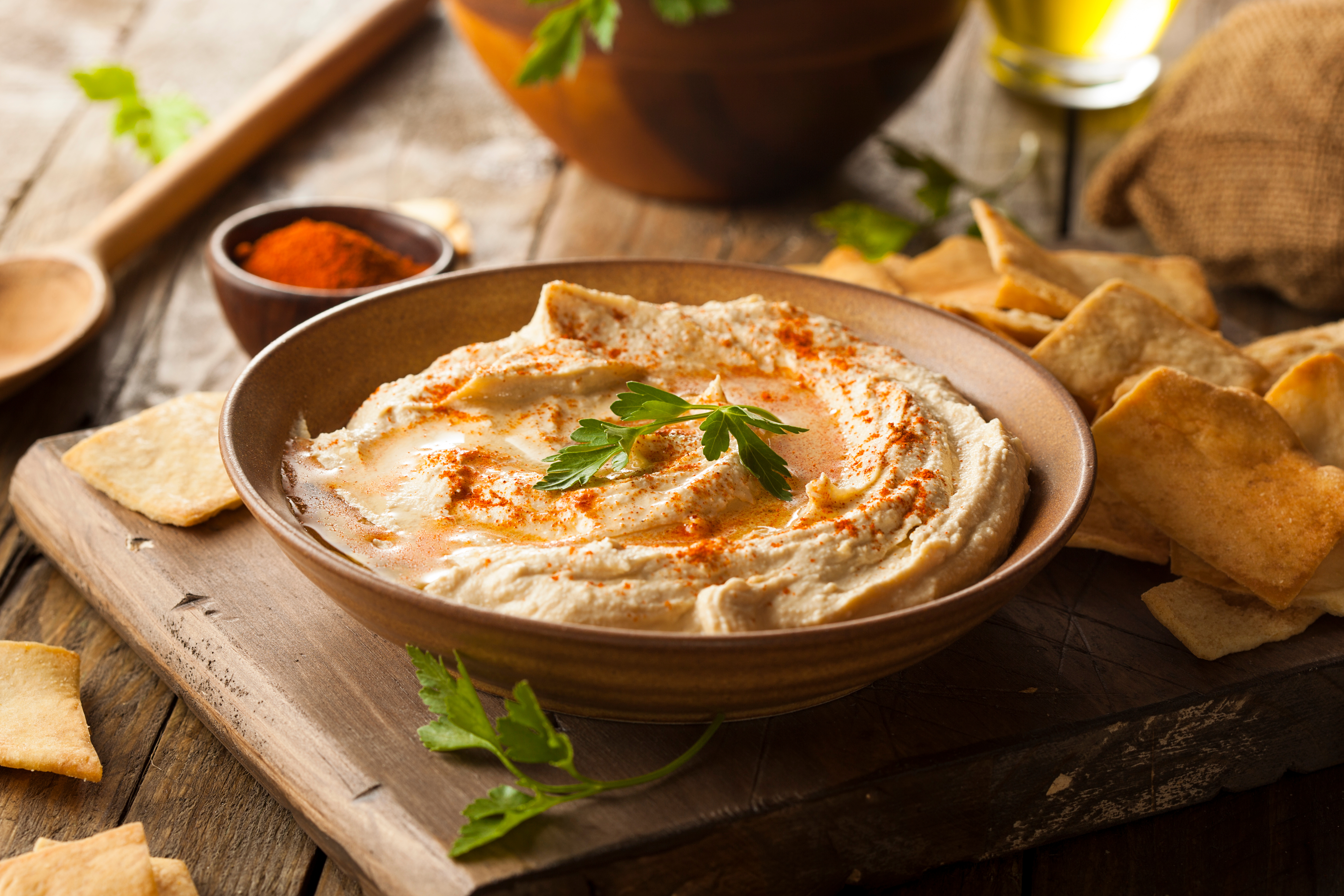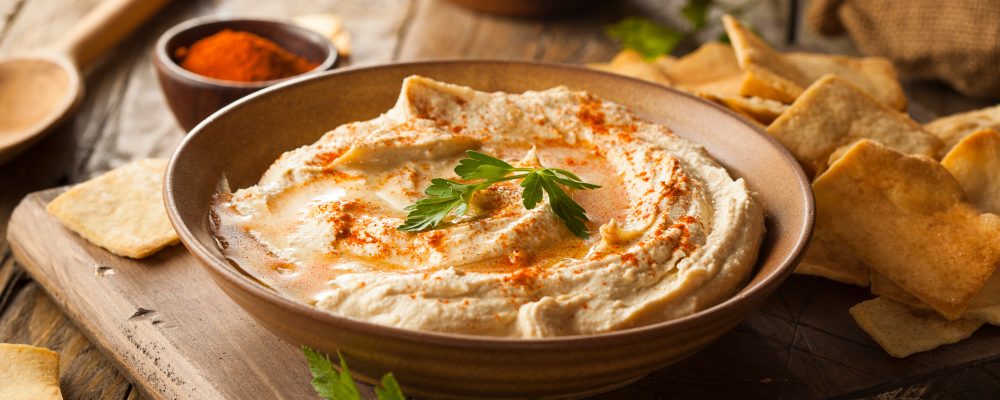

You make hummus from scratch.
Chickpeas, tahini, lemon juice, garlic, olive oil. All the right ingredients.
You blend it until your food processor struggles. But the hummus is still grainy. Thick. It has a rough texture that sticks to your mouth instead of being creamy and smooth.
Store-bought hummus—even the cheap stuff—is silkier. It spreads easily. The texture is luxurious.
You assumed it was additives or commercial equipment. Industrial blenders that pulverize chickpeas beyond what home equipment can achieve.
Sometimes better equipment helps. But usually, grainy hummus is the result of specific mistakes with the chickpeas themselves and how you’re blending them.
Fix these and your hummus will be as smooth as anything you buy—maybe smoother.
You’re Not Removing the Skins
Chickpea skins are fibrous. No matter how long you blend them, they never break down completely.
Those bits of skin are what create the grainy, rough texture in hummus.
Removing skins is tedious. But it’s the single biggest factor in achieving truly smooth hummus.
Chefs and Middle Eastern restaurants remove chickpea skins before blending. It’s standard practice in professional kitchens that serve hummus.
Home cooks almost never do this because it seems fussy and time-consuming. They accept grainy hummus as inevitable.
It’s not inevitable. It’s just a choice to skip the step that creates smoothness.
After cooking chickpeas (or draining canned ones), rub them between your hands or in a towel. The skins slip off easily. Discard the skins. Blend only the peeled chickpeas.
Yes, it takes 10 minutes. But the difference in texture is dramatic.
The Chickpeas Are Too Cold
Cold chickpeas don’t blend as smoothly as warm or room-temperature chickpeas.
The starches are firm when cold. They resist breaking down. No matter how long you blend, the hummus stays slightly grainy.
Warm chickpeas—fresh from cooking or warmed canned chickpeas—blend into a much smoother paste. The starches soften and incorporate more completely.
Restaurants often warm chickpeas before blending hummus. This ensures optimal texture.
Home cooks usually use cold chickpeas straight from the can or refrigerator. The texture suffers.
If using canned chickpeas, drain them and microwave with a bit of their liquid for a minute or two. Or rinse with hot water and let them warm to room temperature.
This simple temperature adjustment makes hummus noticeably smoother.
You’re Not Using Enough Liquid
Thick hummus is almost always grainy hummus because the food processor can’t create the motion needed to fully break down chickpeas without adequate liquid.
The mixture is too stiff. It just spins in place rather than circulating and blending smoothly.
Chefs add more liquid than most home recipes suggest. They’re aiming for a loose, pourable consistency while blending—knowing it’ll thicken slightly when refrigerated.
Home cooks often add minimal liquid, thinking thick is better. The food processor struggles. The hummus stays grainy.
Add liquid gradually while blending. Chickpea cooking liquid (aquafaba), water, or additional lemon juice all work.
The hummus should look almost too loose while blending. It’ll be perfect after chilling.
The Tahini Quality Matters
Not all tahini is created equal.
Some brands are thick, bitter, and separated with oil on top. Others are smooth, creamy, and well-mixed.
Good tahini blends more smoothly into hummus and contributes to silky texture. Poor tahini adds graininess and bitterness.
Restaurants use quality tahini—often Middle Eastern brands that are smooth and well-blended.
Home cooks often buy whatever tahini the grocery store has. Sometimes it’s old, separated, or made from poorly processed sesame seeds.
The tahini choice affects hummus texture as much as the chickpeas do.
Invest in good tahini. Look for brands where the oil isn’t completely separated. Taste it before using—it should be smooth and nutty, not bitter.
You’re Adding Ingredients in the Wrong Order
The order you add ingredients affects how smoothly everything blends.
Starting with chickpeas creates a thick paste that resists incorporating other ingredients smoothly.
Chefs often blend tahini, lemon juice, and garlic first. This creates a smooth base that’s easier to incorporate chickpeas into.
Or they blend chickpeas with liquid first until completely smooth, then add tahini and other ingredients.
Home cooks usually dump everything in at once. The thick chickpeas resist blending with the thinner ingredients. The texture stays grainy.
Try this order: tahini and lemon juice first, blend until smooth. Add garlic and blend. Add chickpeas and liquid, blend until completely smooth. Add olive oil last.
This progression creates better emulsification and smoother texture.
The Food Processor Isn’t Powerful Enough
Some food processors simply don’t have the power to fully break down chickpeas.
Small, underpowered processors struggle. The motor bogs down. The chickpeas bounce around without being properly pulverized.
Professional kitchens use powerful food processors or commercial blenders. These have the strength to turn chickpeas into silky paste.
Home food processors vary widely in power. Smaller, cheaper models often can’t achieve restaurant-level smoothness.
If your food processor struggles—motor slowing down, blade spinning without making progress—you’ve hit its limit.
Consider upgrading to a more powerful food processor. Or use a high-powered blender, which often handles hummus better than lower-end food processors.
You’re Not Blending Long Enough
Making smooth hummus takes time. Three to five minutes of continuous blending isn’t unusual.
Most home cooks blend for 30 to 60 seconds, check the texture, and call it done.
But true smoothness requires prolonged blending. The chickpeas need to be completely broken down into the finest possible paste.
Chefs blend hummus for several minutes. They scrape down the sides multiple times. They keep going until the texture is impossibly smooth.
Home cooks stop too early, accepting a texture that’s “good enough.”
Blend longer. Much longer. Keep blending even after it seems smooth. The texture will continue improving.
Stop only when the hummus is completely silky with no graininess whatsoever.
The Ratio of Chickpeas to Tahini Is Off
Too many chickpeas relative to tahini creates a beany, grainy texture.
Tahini contributes fat and creaminess that help create smooth texture. Without enough, the hummus is dominated by starchy chickpeas.
The classic ratio is roughly equal parts chickpeas to tahini by volume—more tahini than most American recipes suggest.
Restaurants use generous amounts of tahini. It’s not just for flavor—it’s structural.
Home cooks often use minimal tahini because it’s expensive or because they think it’ll be too sesame-forward.
Use more tahini than the recipe suggests. Start with the recipe amount, taste, then add more. The extra tahini makes hummus smoother and richer.
You Haven’t Added Ice Water
This is a technique used by many hummus experts and restaurants.
Adding ice water—a few tablespoons while blending—creates an incredibly smooth, fluffy texture.
The cold water helps emulsify everything. It also whips air into the hummus, creating a lighter, creamier result.
This is especially effective after the hummus is mostly smooth. Add ice water and blend for another minute. The texture transforms.
Home cooks rarely do this because it’s not in most recipes. But it’s a professional technique that produces noticeably better results.
The Chickpeas Weren’t Cooked Properly
Undercooked chickpeas—whether from a can or home-cooked—are firmer and harder to break down.
They resist blending into a smooth paste no matter how long you process them.
Overcooked chickpeas—very soft, almost falling apart—blend much more easily into silky hummus.
Chefs cook chickpeas until they’re completely tender, almost mushy. Or if using canned, they simmer them briefly to soften them further.
Home cooks use chickpeas as-is from the can. These are cooked to firm-tender, which is good for salads but not ideal for hummus.
If using canned chickpeas, simmer them in their liquid for 10 to 15 minutes. They’ll soften further and blend much more smoothly.
There’s Not Enough Acid
Acid—from lemon juice—helps break down chickpeas and creates a smoother texture.
It also thins the mixture, which helps with blending.
Most recipes are conservative with lemon juice. More acid than you’d expect actually improves texture as well as flavor.
Restaurants often use more lemon juice than home recipes suggest. The acidity helps create that silky, smooth mouthfeel.
Home cooks follow recipe amounts precisely. Sometimes that’s not quite enough for optimal texture.
Add lemon juice to taste—but know that extra lemon helps texture, not just flavor. If your hummus is grainy, add more lemon and blend again.
What You Should Do This Weekend
Drain canned chickpeas. Warm them with a bit of their liquid in the microwave for 1 to 2 minutes.
Rub chickpeas between your hands to remove skins. Discard skins. This is the most important step.
In a food processor, blend tahini and lemon juice first until smooth and creamy—about 1 minute.
Add garlic and blend briefly. Add warm, peeled chickpeas and blend for 3 to 4 minutes, scraping down sides as needed.
Add ice water, a tablespoon at a time, while blending. Continue until hummus is impossibly smooth and creamy.
Taste and adjust lemon juice, salt, and tahini. Blend again briefly.
That process produces hummus that’s as smooth as any store-bought version—actually smoother than most.
The Takeaway
Grainy hummus isn’t inevitable or the result of home equipment limitations.
It’s the result of not removing chickpea skins, not blending long enough, using cold chickpeas, or insufficient liquid.
Every one of these factors is controllable.
Restaurants serve smooth hummus because they remove skins, warm chickpeas, use quality tahini, blend for several minutes, and add adequate liquid.
Home cooks skip most of these steps and wonder why their hummus is grainy.
But now you know what creates smoothness.
Remove skins. Warm chickpeas. Blend longer than seems necessary. Add enough liquid.
Do that and your hummus will finally be smooth instead of grainy.
Not just acceptable. Actually restaurant-quality.
The way hummus is supposed to be.