
Rice seems simple.
Water, rice, heat. Wait. Done.
But somehow yours comes out mushy, sticky, or unevenly cooked while restaurant rice is always perfect—fluffy, separate grains that hold their shape.
You assume they’re using better rice or some special technique you don’t know about.
Sometimes that’s true. But more often, it’s a series of small decisions that most home cooks get wrong without realizing it.
They Rinse Until the Water Runs Clear
Most people skip rinsing rice entirely or give it a quick rinse and call it done.
Chefs rinse rice thoroughly—sometimes five or six times—until the water runs completely clear.
This removes excess surface starch that causes rice to clump and turn gummy. Without that starch coating every grain, the rice cooks more evenly and stays separate.
The difference is dramatic. Rinsed rice has a completely different texture than unrinsed rice, even when cooked identically.
It takes an extra two minutes. But those two minutes are the difference between sticky, clumped rice and rice that looks like it came from a restaurant.
The Water Ratio Actually Matters
The back of the rice bag says one ratio. Your rice cooker says another. Different recipes contradict each other.
Most home cooks just guess or use whatever ratio seems easiest.
Chefs measure precisely because different types of rice need different amounts of water. Long-grain white rice needs less water than short-grain. Brown rice needs more. Jasmine rice is different from basmati.
Using the wrong ratio guarantees bad results. Too much water creates mush. Too little leaves it undercooked and hard.
Professional kitchens test their rice and adjust the ratio until they get it right—then they use that exact ratio every time.
They Don’t Lift the Lid
Home cooks constantly check on rice while it’s cooking.
Lifting the lid. Stirring. Peeking to see if it’s done yet.
Every time you lift the lid, you release steam. That steam is what’s cooking the rice. Lose it and the rice cooks unevenly—wet on the bottom, undercooked on top.
Chefs put the lid on and don’t touch it until the time is up.
The rice steams in its own environment, undisturbed. Every grain cooks at the same rate because the conditions stay consistent.
It requires patience. But it’s the only way to get evenly cooked rice.
They Let It Rest After Cooking
Most people cook rice, then immediately scoop it out and serve it.
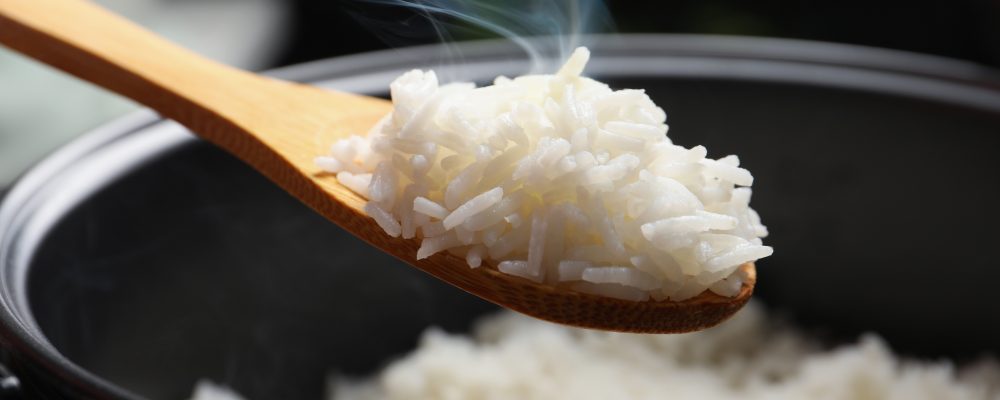
Chefs let rice rest off the heat for five to ten minutes with the lid still on.
This resting period allows the moisture to redistribute evenly through every grain. The texture firms up. The rice becomes fluffy instead of wet.
Skip this step and the rice at the bottom is soggy while the rice on top is dry. Wait, and everything evens out.
It’s a small delay that makes a massive difference in the final texture.
Fluffing Is Done With Purpose
When you do finally open the lid, how you handle the rice matters.
Most people stir rice with a spoon, mashing and compacting it in the process.
Chefs fluff rice with a fork, gently separating the grains without breaking them. The motion is light—almost lifting rather than stirring.
This keeps the rice airy and prevents it from turning into a dense, sticky mass.
It’s a small technique adjustment, but the texture difference is significant.
They Don’t Overcrowd the Pot
Trying to cook too much rice in too small a pot creates problems.
The rice at the bottom sits in water longer and overcooks. The rice on top doesn’t steam properly. You end up with inconsistent results no matter how careful you are.
Professional kitchens use appropriately sized pots for the amount of rice they’re cooking. There’s enough room for even heat distribution and proper steaming.
At home, if you need to cook a large amount, it’s better to make two batches than to cram everything into one pot.
The Heat Level Changes During Cooking
Most people set the burner to medium and leave it there the entire time.
Chefs start with high heat to bring the water to a boil, then immediately drop to the lowest possible simmer.
That gentle simmer is what allows rice to cook through evenly without the bottom burning or sticking.
High heat throughout cooking creates a burnt bottom layer and unevenly cooked grains above it.
The temperature adjustment is critical—and it’s something most home cooks never think to do.
Salt Goes In With the Water
Underseasoned rice tastes bland no matter what you serve it with.
Chefs salt the cooking water the same way they salt pasta water. Not heavily, but enough that the rice absorbs seasoning as it cooks.
This builds flavor from the inside out. The rice itself tastes good, not just whatever sauce or protein you’re serving it with.
Salting rice after it’s cooked doesn’t have the same effect. The salt stays on the surface instead of being absorbed into each grain.
They Use the Right Type of Rice for the Dish
Not all rice is interchangeable.
Jasmine rice works beautifully for Thai food. Basmati is ideal for Indian dishes. Short-grain rice is what you want for sushi. Long-grain works for pilafs and side dishes.
Each variety has different starch content, grain length, and cooking properties. Using the wrong type doesn’t ruin the dish, but it changes the texture and how well it pairs with the other components.
Restaurants match the rice to the cuisine. Home cooks often just use whatever’s in the pantry and wonder why it doesn’t taste quite right.
Aged Rice Cooks Differently Than Fresh Rice
This is something most home cooks never even consider.
Freshly harvested rice has higher moisture content. It needs less water and cooks faster.
Aged rice—which is what you usually get from the store—is drier. It needs more water and more time.
Professional kitchens adjust their ratios based on whether they’re using new crop or aged rice.
Home cooks use the same ratio regardless and get inconsistent results depending on when the rice was packaged.
They Toast Rice for Extra Flavor
This is optional, but it’s a technique restaurants use to add depth.
Before adding water, they toast the rice in a bit of oil or butter until it smells nutty and some grains start to turn golden.
This adds a subtle, toasted flavor that makes rice more interesting. It also helps the grains stay separate during cooking.
It’s an extra step that not every dish needs—but when you want rice to be a feature rather than just a vehicle, toasting makes a difference.
Stirring During Cooking Releases Starch
Some people stir rice while it cooks, thinking it prevents sticking.
It does the opposite.
Stirring breaks the grains and releases starch into the water, creating the exact gummy texture you’re trying to avoid.
Once the lid goes on, the rice should be left completely undisturbed. No stirring. No checking. No poking.
The only time to touch rice is after it’s done cooking, during the fluffing stage.
Restaurant Rice Isn’t Reheated in the Microwave
Leftover rice reheated in the microwave dries out or turns rubbery.
Chefs reheat rice by steaming it or frying it. Both methods reintroduce moisture and revive the texture.
Steaming warms it gently without drying it out. Frying—like in fried rice—uses oil to coat each grain and prevent clumping.
The microwave is fast, but it doesn’t produce the same quality result. If you want leftover rice to taste good, you need to use a method that adds moisture back in.
What You Can Do Tonight
Rinse your rice until the water runs completely clear. It should take at least four or five rinses.
Measure your water accurately based on the type of rice you’re using. Use the ratio recommended for that specific variety.
Bring it to a boil, then immediately reduce to the lowest simmer. Put the lid on and don’t touch it for the recommended cooking time.
When time’s up, turn off the heat and let it rest for ten minutes. Then fluff gently with a fork.
That’s it. That’s how restaurants do it.
The Takeaway
Perfect rice isn’t about expensive rice cookers or special equipment.
It’s about respecting a few non-negotiable steps that most people skip.
Rinse thoroughly. Measure accurately. Don’t lift the lid. Let it rest. Fluff gently.
Follow those rules and your rice will turn out right every single time.
Ignore them and it’s a gamble—sometimes good, often not.
Restaurants can’t afford inconsistency. That’s why their rice is always perfect.
You can have the same results. You just have to stop skipping the steps that actually matter.