
There’s a moment in every cook’s journey that changes everything.
It’s not when they master knife skills. It’s not when they memorize recipes. It’s not even when they learn advanced techniques.
It’s when they stop measuring.
Not recklessly. Not carelessly. But confidently—trusting their senses more than their spoons.
That’s when cooking stops being about following instructions and starts being about understanding food.
Recipes Are Training Wheels
When you’re learning to cook, recipes are essential.
They teach you proportions. They introduce you to techniques. They give you a framework for success.
But at some point, they also hold you back.
Because cooking isn’t chemistry. It’s not precise. Ingredients vary. Tastes differ. Conditions change.
A tomato in July isn’t the same as a tomato in February. Your medium heat isn’t the same as someone else’s medium heat. Your idea of “salty enough” might be different from the recipe writer’s.
Recipes can’t account for all of that. Your senses can.
Chefs Taste Constantly
Walk through a professional kitchen during service and you’ll see the same thing over and over.
Cooks tasting. Adjusting. Tasting again.
Not once at the end. Constantly, throughout the entire process.
They’re not checking if they followed the recipe correctly. They’re checking if the food tastes right—which is a completely different question.
Sometimes it needs more salt. Sometimes it needs more time. Sometimes it needs an ingredient the recipe never mentioned.
The food tells them what it needs. They just have to pay attention.
The Pinch, the Glug, the Splash
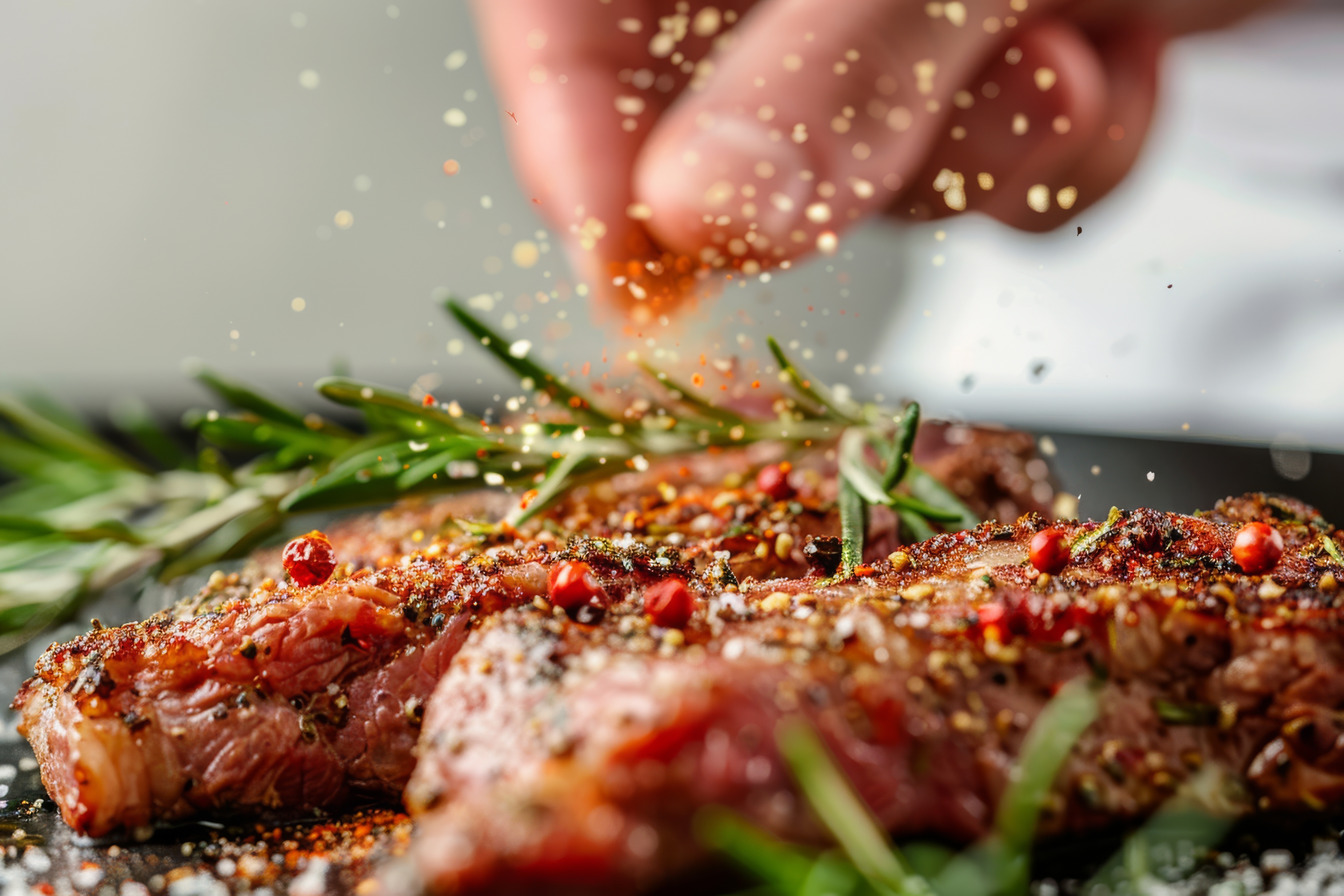
Ask a chef how much salt they added and they’ll probably say “enough.”
How much olive oil? “A good glug.”
How much lemon juice? “Just a splash.”
This drives recipe-followers crazy. But it’s not vague—it’s responsive.
Because the right amount depends on what’s already in the pan. How salty the stock is. How ripe the tomatoes are. How reduced the sauce has become.
No measurement can account for all of those variables. But your tongue can.
When Instinct Becomes Knowledge
There’s a difference between guessing and knowing.
Guessing is throwing in a random amount and hoping it works.
Knowing is understanding that a braise needs a certain ratio of liquid to meat, that a vinaigrette wants three parts oil to one part acid, that caramelizing onions requires patience more than precision.
Chefs develop that knowledge through repetition. They make the same dish dozens of times, adjusting each time, learning what works and what doesn’t.
Eventually, they don’t need to measure because they’ve internalized the patterns.
The Confidence That Comes With Experience
New cooks often over-season or under-season because they’re afraid.
Afraid of ruining the dish. Afraid of wasting ingredients. Afraid of trusting themselves.
Experienced cooks season boldly because they know they can adjust. They know that undersalted food can be fixed. They know when to stop before it’s too much.
That confidence doesn’t come from reading recipes. It comes from making mistakes and learning from them.
Measuring Still Has Its Place
This isn’t about abandoning measurements entirely.
Baking still requires precision. First attempts at new recipes benefit from structure. Teaching someone else demands clear instructions.
But even then, the best cooks know when to deviate.
When the dough feels too dry, they add water—even if the recipe doesn’t call for it. When the cake batter looks too thick, they thin it out.
They use the recipe as a guide, not a rulebook.
What Your Senses Tell You
Your eyes show you when onions are properly caramelized, when a sauce has thickened enough, when a steak has a good crust.
Your nose tells you when garlic is about to burn, when spices are toasted, when something’s been in the oven too long.
Your ears catch the sizzle that means the pan is hot enough, the bubble that means a simmer has started.
Your hands feel when dough is properly kneaded, when a chicken breast is cooked through, when bread is ready to come out of the oven.
All of that information is more accurate than any timer or measuring cup—but only if you learn to trust it.
How to Start Letting Go
You don’t have to abandon recipes overnight.
Start small. Use the recipe for proportions, but taste before adding the final seasoning. Adjust based on what you taste, not what it says.
Next time you make something familiar, try doing it without looking at the recipe. You probably remember more than you think.
Cook the same dish multiple times. Notice what changes each time. Learn what makes it better or worse.
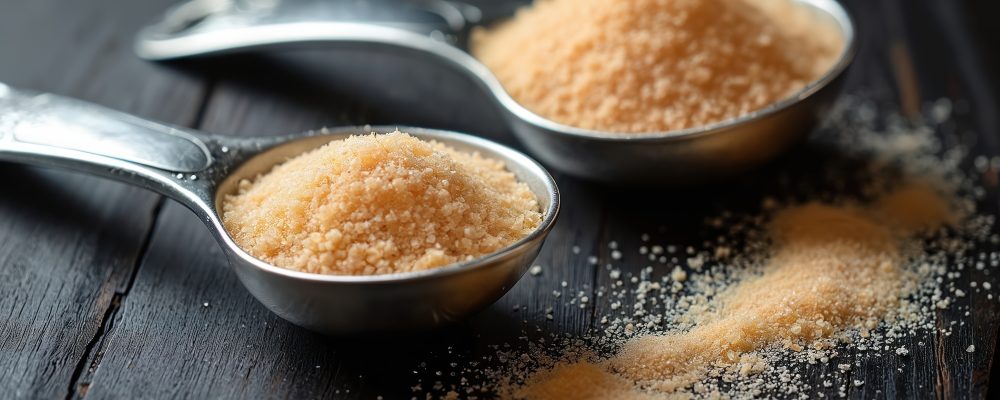
Eventually, you’ll reach for measuring spoons less and your own judgment more.
The Freedom in Not Knowing Exactly
One of the surprising things about cooking without measurements is how liberating it feels.
You stop worrying about following rules perfectly and start focusing on making something delicious.
You taste a dish and think, “This needs something”—and you add it, whatever it is.
You’re not bound by someone else’s idea of how the dish should taste. You’re making it yours.
The Takeaway
Recipes are a starting point, not a destination.
The best cooking happens when you stop asking “Did I do this right?” and start asking “Does this taste right?”
Measurements are useful. But your senses—and your willingness to trust them—are more powerful.
Because cooking isn’t about precision.
It’s about paying attention.