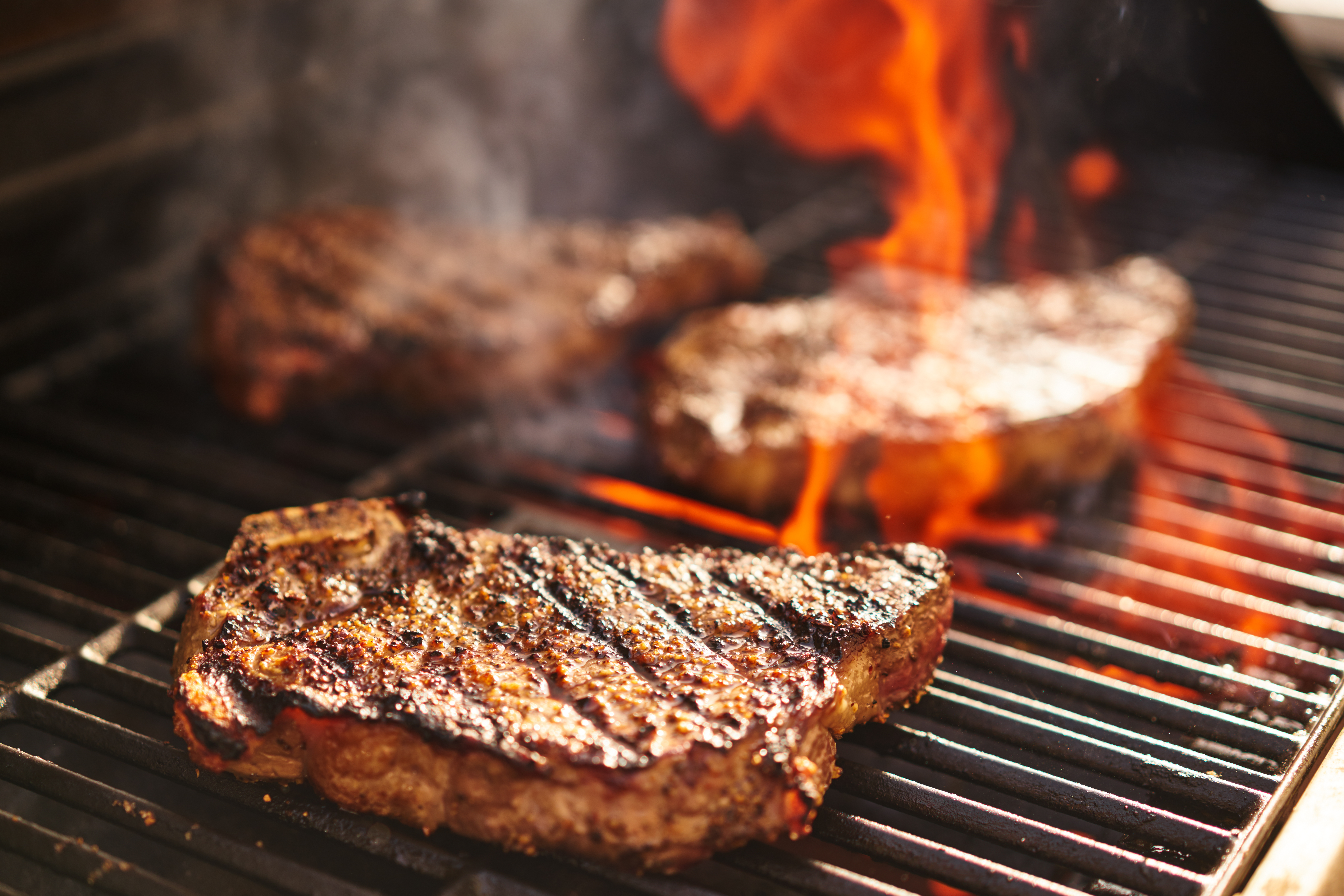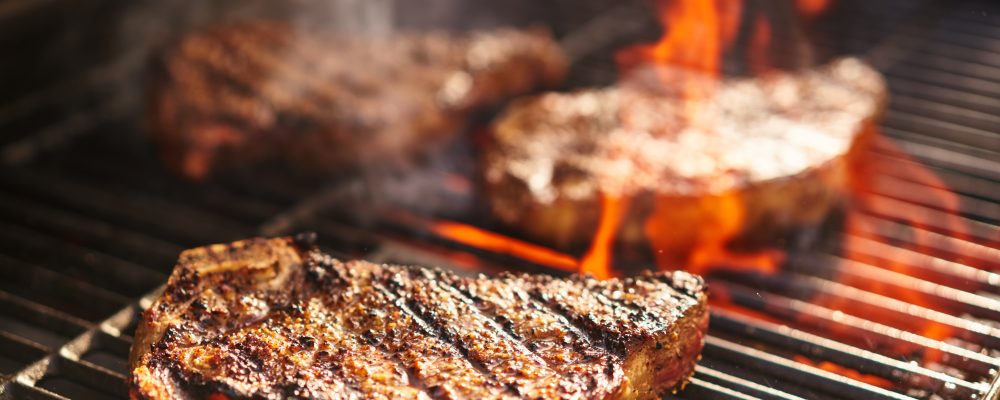

You grill a steak. Or chicken. Or pork chops.
The outside looks perfect. Beautiful char marks. Great color.
Then you cut into it and it’s dry. Tough. Disappointing.
You checked the temperature. You pulled it at the right time. You did everything the recipe said.
So why is it dry?
The problem usually isn’t overcooking. It’s what you did immediately after taking the meat off the grill.
One simple mistake that most people make without thinking—a mistake that guarantees dry meat no matter how perfectly you cook it.
You’re Cutting Into It Too Soon
This is it. This is the mistake that ruins grilled meat more than any other factor.
You take meat off the grill and immediately slice into it to check if it’s done or to serve it.
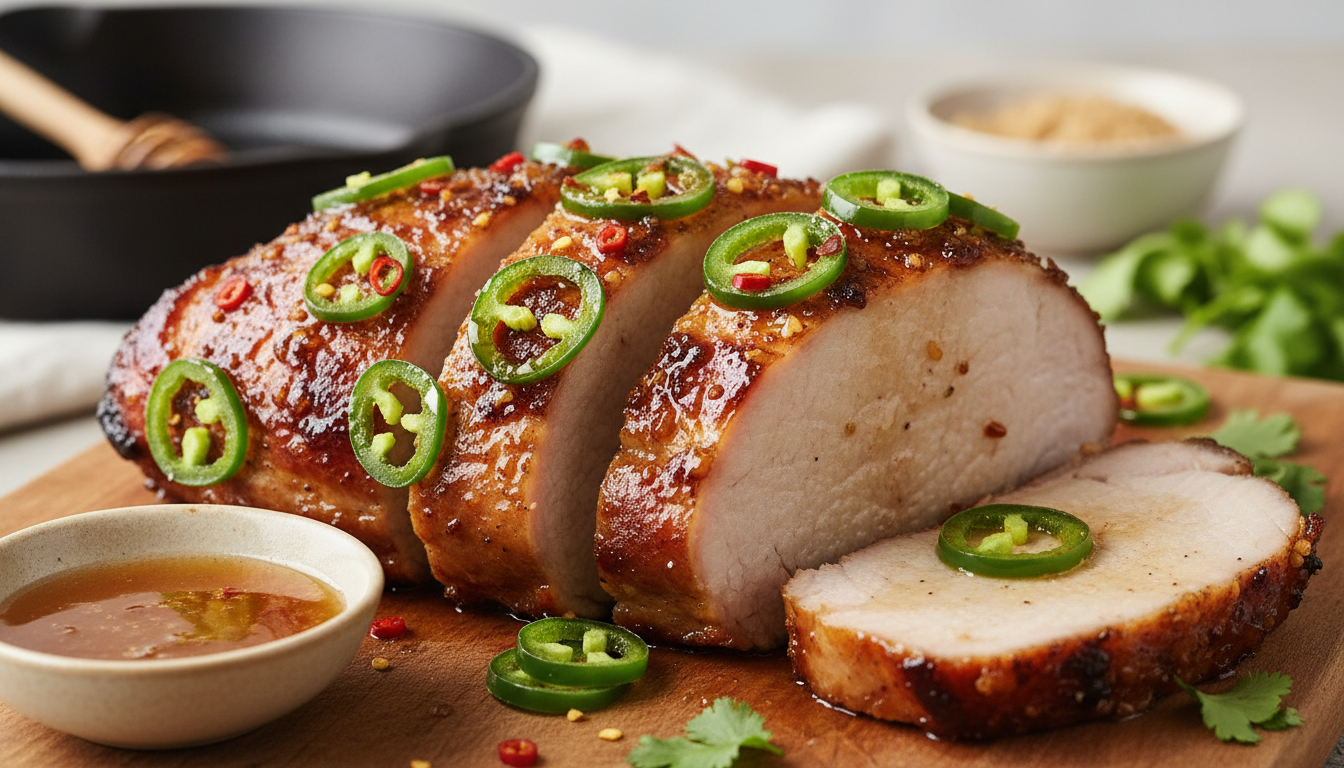
All the juices that should stay in the meat run out onto the cutting board.
What’s left is dry, flavorless meat that tastes overcooked even if it hit the exact right internal temperature.
The reason is simple: when meat cooks, the muscle fibers contract. They squeeze moisture toward the center of the cut. When you pull meat off the grill, that moisture is still pooled in the middle under pressure.
Cut into it immediately and those juices flood out. They end up on your plate or cutting board instead of in the meat where they belong.
Chefs know this. That’s why they rest all grilled meat before cutting.
During the rest period—usually 5 to 10 minutes for steaks and chops, longer for large roasts—the muscle fibers relax. The juices redistribute throughout the meat.
By the time you cut into it, the moisture is back where it should be. The meat stays juicy.
Home cooks skip this step constantly. They’re hungry. They want to eat. They want to check if the meat is done. They don’t understand that those few minutes of waiting are the difference between juicy meat and dry meat.
It’s Not About Letting It Get Cold
The most common objection to resting meat is that it’ll get cold.
It won’t. Not in 5 to 10 minutes.
Meat retains heat remarkably well. A properly rested steak is still warm—often quite warm—when you cut into it.
And even if it does cool slightly, warm and juicy is better than hot and dry.
Restaurants rest meat as standard practice. Every steak that reaches your table has been rested. You’ve never complained it was cold.
That’s because rested meat is still plenty warm enough to enjoy.
The slight temperature drop—if it even happens—is worth it for the dramatic improvement in moisture retention.
Carryover Cooking Continues During Rest
Here’s another benefit of resting: the internal temperature keeps rising after meat comes off the grill.
This is called carryover cooking. The exterior is still hot and continues cooking the interior for several minutes.
A steak pulled at 130°F will coast to 135°F or 140°F during rest. This is why chefs pull meat 5 to 10 degrees before the target temperature.
If you pull a steak at 135°F for medium-rare, then immediately cut into it, carryover cooking still happens. But now you’re cutting into meat that’s actively rising in temperature, which releases even more moisture.
By the time you eat it, the internal temperature has climbed to 145°F—medium, not medium-rare—and all the juices are on your plate.
Rest the meat and carryover cooking happens while the juices redistribute. You end up with meat at the right temperature and properly juicy.
Skipping rest means fighting both problems at once: escaping moisture and continued temperature rise.
Different Cuts Need Different Rest Times
Not all meat rests for the same amount of time.
Thin cuts like chicken breasts or pork chops need 5 minutes. Thick steaks need 10 minutes. Large roasts need 20 to 30 minutes.
The rule is roughly: rest meat for about half as long as you cooked it, with a minimum of 5 minutes.
Chefs time rest periods carefully. They know that under-resting doesn’t give juices time to redistribute. Over-resting—while less common—can let meat cool more than necessary.
Home cooks often either skip resting entirely or rest for random amounts of time without thinking about whether it’s appropriate for the cut.
A minute or two isn’t enough. The muscle fibers haven’t relaxed yet. You need actual time—minimum 5 minutes for anything substantial.
Tenting with Foil Is Optional
Some people insist on tenting rested meat loosely with foil to keep it warm.
This helps for large roasts that need long rests. For steaks and chops, it’s usually unnecessary.
The foil can actually work against you if you’re trying to keep a crust crispy. Trapped steam from tenting softens the exterior.
Chefs tent large roasts. They leave steaks and chops uncovered to preserve the crust.
Home cooks often tent everything out of habit, without considering whether it’s helping or hurting.
For most grilled meat, just set it on a plate or cutting board and leave it alone. No foil needed.
The Crust Improves During Rest
A good crust on grilled meat is partially set when it comes off the grill. But it continues to firm up during rest.
Immediately cutting into meat disrupts this process. The crust is still forming. Cutting releases steam and moisture that prevents it from fully setting.
Rested meat has a crispier, better-developed crust because it had time to finish forming without interference.
This is especially noticeable with steaks. The crust on properly rested steak is noticeably better than steak that was cut immediately.
If you want that perfect crust—and you should—give it time to develop fully by resting the meat.
Temperature Equalizes
When meat comes off the grill, the exterior is much hotter than the interior.
That temperature gradient means some parts are overcooked while others are perfect.
During rest, heat continues flowing from the exterior toward the center. The temperature equalizes.
The final result is meat that’s more evenly cooked throughout—not just a perfect center with an overcooked outer ring.
This matters more for thicker cuts, but it applies to everything.
Chefs understand this. They use rest time to let temperature stabilize, creating more consistent doneness from edge to center.
Home cooks cut immediately and wonder why there’s such a temperature gradient in their meat.
Checking Doneness Doesn’t Require Cutting
The main reason people cut into meat too soon is to check if it’s done.
Use a thermometer instead. Insert it into the thickest part. Check the temperature. Done.
No need to cut. No juice loss. You know exactly where the meat is temperature-wise without compromising it.
Chefs use thermometers constantly. It’s how they know meat is cooked correctly without cutting into it.
Home cooks often cook by feel or guessing, then cut to check. This guarantees juice loss even if the meat is cooked perfectly.
Buy an instant-read thermometer. Use it. Stop cutting into meat to check doneness.
Thin Cuts Still Need Rest
Even a thin chicken breast or pork chop benefits from 5 minutes of rest.
People assume thin cuts don’t need it because they cook quickly. But the same principles apply.
Muscle fibers contract during cooking. Juices pool in the center. Cutting immediately releases those juices.
Thin cuts just need shorter rest times than thick ones. But they still need rest.
Chefs rest everything—regardless of thickness—before cutting. It’s not optional based on size.
Home cooks often rest steaks but immediately cut into chicken or pork chops. Then they wonder why those cuts always turn out dry.
Rest everything. Even thin cuts. Always.
Restaurant Timing Builds in Rest
When you order a steak at a restaurant, it’s not brought to your table the instant it comes off the grill.
There’s plating time. Garnishing. The server walking it to your table. Maybe a minute or two of sitting before you cut into it.
That built-in delay is actually the rest period. By the time you start eating, the steak has been resting for several minutes.
You’ve never noticed because the restaurant made it look seamless. But that rest period is why restaurant steaks are always juicy.
At home, you’re cutting into meat seconds after it comes off the grill. No built-in rest period. You’re eating it at the worst possible moment.
Build rest into your process. Plate side dishes. Set the table. Let the meat sit while you do those things.
By the time you sit down to eat, the rest period has happened naturally.
What You Should Do Tomorrow
Grill your meat to 5 degrees below target temperature. Remove from heat.
Set it on a plate or cutting board. Walk away. Do not touch it. Do not cut it. Do not poke it.
Set a timer for 5 minutes minimum. For thick steaks, 10 minutes. For roasts, 20 to 30 minutes.
When the timer goes off, check the internal temperature if you want. It should have climbed to your target.
Then—and only then—cut into it.
Notice how much juice stays in the meat instead of flooding your cutting board.
That’s the difference resting makes. Every single time.
The Takeaway
Dry grilled meat usually isn’t overcooked.
It’s meat that was cut too soon. Before the juices redistributed. Before carryover cooking finished. Before the muscle fibers relaxed.
That one impatient decision—cutting immediately—is what transforms properly cooked meat into dry, disappointing meat.
Restaurants serve juicy grilled meat because they rest everything before serving. Always. No exceptions.
Home cooks skip this step because they don’t understand how critical it is or because they’re too hungry to wait.
But now you know.
Resting isn’t optional. It’s not a nice-to-have. It’s the single most important step after cooking stops.
Do it and your grilled meat finally stays juicy.
Skip it and you’ll keep getting dry meat no matter how perfectly you cook it.
The choice is yours. But the science doesn’t change.
Rest your meat. Always.