64fd755b-25a5-4612-8e01-83a2e89cdcdc

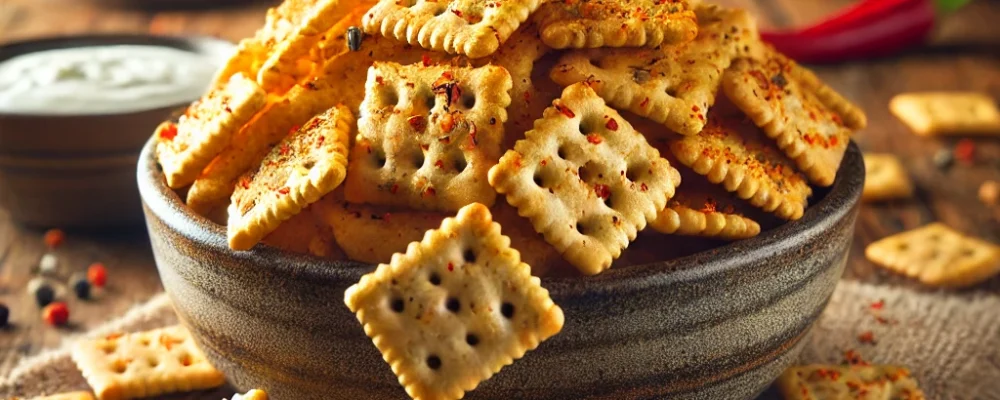
Spicy Ranch Mini Saltines

Healthy Fact of the Day

Butter provides a rich flavor but also adds saturated fat. To lighten this recipe, consider using half butter and half olive oil or using light butter. Mini saltines offer perfect portioning, and the ranch seasoning delivers bold flavor without the need for excess salt.

Ingredients


  • 1 box (11 oz) mini saltine crackers
  • 1 packet (1 oz) dry ranch seasoning mix
  • 1 tsp garlic powder (optional)
  • 1 tsp onion powder (optional)
  • 2 tsp red pepper flakes (adjust to taste)
  • 1/2 cup unsalted butter, melted

Instructions

  1. Prep:
    Preheat oven to 250°F (120°C). Line a large baking sheet with parchment paper.

  2. Mix Seasoning:
    In a small bowl, whisk together the ranch seasoning mix, garlic powder, onion powder, and red pepper flakes.

  3. Combine Crackers:
    Place mini saltine crackers in a large mixing bowl. Drizzle the melted butter over the crackers, tossing gently to coat them evenly.

  4. Add Seasoning:
    Sprinkle the seasoning mixture over the buttered crackers, stirring gently to ensure each cracker is well coated.

  5. Bake:
    Spread the seasoned crackers in an even layer on the prepared baking sheet. Bake for 15-20 minutes, stirring halfway through, until the crackers are lightly toasted and the seasoning is set.

  6. Cool and Serve:
    Allow the crackers to cool completely on the baking sheet. Transfer to an airtight container for storage or serve immediately.


    These buttery, Spicy Ranch Mini Saltines pack a flavorful punch in every bite! Perfect for snacking, entertaining, or sharing at gatherings, these crackers combine the richness of butter with zesty ranch and a touch of heat. Get ready to watch them disappear quickly—make sure to save a handful for yourself!


Recent Recipes

Hawaiian Chicken Tacos with Pineapple Salsa

  • July 28, 2026
  • 10 min read

Key West Grilled Chicken

  • July 28, 2026
  • 6 min read

The Cook’s Library: Books That Changed How

  • July 28, 2026
  • 10 min read

Samuel Adams Just Dropped Its Fall Beer

  • July 27, 2026
  • 3 min read

Air Fryer Cheese Bites

  • July 27, 2026
  • 11 min read

Dutch Oven Short Rip Ragu Pappardelle

  • July 27, 2026
  • 7 min read

The Table After Summer: Cooking Into the

  • July 27, 2026
  • 11 min read

Burger King Just Introduced a Free Whopper

  • July 26, 2026
  • 3 min read

Chocolate Caramel Cookie Bars

  • July 26, 2026
  • 18 min read

Roasted Garlic White Bean & Herb Bites

  • July 26, 2026
  • 15 min read

Tip of the Day

“Always let your meat rest before slicing.”

Whether you're roasting a chicken, grilling steak, or baking pork tenderloin, letting cooked meat rest for 5–10 minutes before slicing allows the juices to redistribute evenly. This simple step keeps your meat juicy and tender, ensuring every bite is flavorful and moist. Bonus: It gives you a moment to plate your sides or garnish for a perfect presentation!

Our Latest Recipes

Chicken Recipes
Benjamin Brown

Hawaiian Chicken Tacos with Pineapple Salsa

Chicken breast is one of the leanest proteins available, high in B vitamins and selenium. Using honey instead of refined sugar in the marinade provides trace minerals and antioxidants alongside sweetness. Pineapple contains bromelain, a natural enzyme that supports digestion and has anti-inflammatory properties, making this tropical salsa as functional as it is delicious.

Read More »
Chicken Recipes
Benjamin Brown

Key West Grilled Chicken

Lime juice in the marinade provides vitamin C and acts as a natural tenderizer through its citric acid content, producing a juicier, more tender finished chicken without any added fat. Honey is bold enough in flavor that a small amount delivers meaningful caramelization and sweetness on the grill, keeping the overall sugar content of the marinade moderate.

Read More »
Blog
Daily Disher

The Cook’s Library: Books That Changed How We Think About Food

Research on food literacy — the understanding of where food comes from, how it is produced, and what its nutritional and ecological implications are — consistently finds that higher food literacy is associated with better dietary quality, greater consumption of whole and minimally processed foods, and stronger motivation for sustainable food choices. Reading about food — not just recipe books but books about food culture, food systems, and food history — is one of the most effective ways to develop food literacy. The investment of time in the cook’s library produces measurable improvements in the quality of food choices that purely nutritional education does not achieve.

Read More »

Get your daily dose of delicious!

Skip to content












