Daily Dish

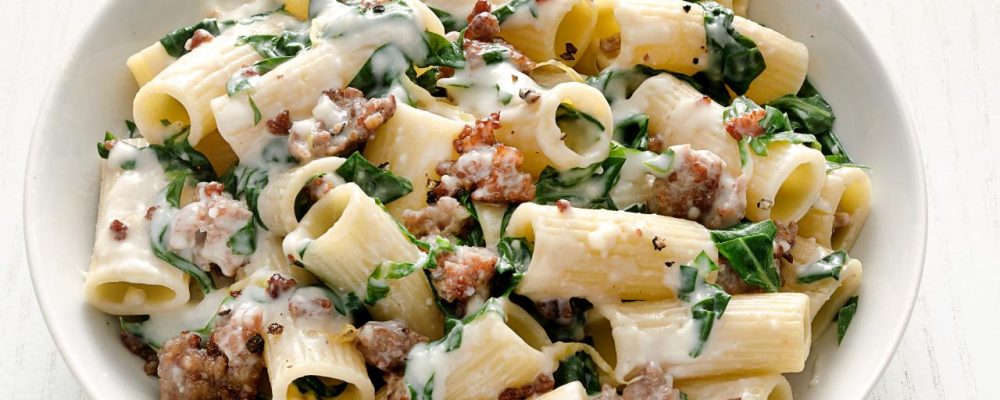
Sausage and Swiss Chard Pasta

Healthy Fact of the Day

Sausage and Swiss Chard Pasta is a flavorful and nutritious dish that combines hearty sausage, vibrant Swiss chard, and comforting pasta.

Ingredients


  • 8 oz pasta of your choice
  • 1 pound Italian sausage, casings removed
  • 1 onion, finely chopped
  • 3 cloves garlic, minced
  • 1 bunch Swiss chard, stems removed and leaves chopped
  • 1 can (14 oz) diced tomatoes
  • 1/2 cup chicken broth
  • 1 teaspoon dried oregano
  • 1 teaspoon dried basil
  • 1/2 teaspoon red pepper flakes (adjust to taste)
  • Salt and black pepper to taste
  • Grated Parmesan cheese for serving (optional)


Instructions


  1. Cook the pasta according to the package instructions. Drain and set aside.

  2. In a large skillet, cook the Italian sausage over medium heat, breaking it into crumbles as it cooks.

  3. Add the chopped onion to the skillet and cook for about 3-4 minutes until it’s softened.

  4. Stir in the minced garlic and cook for an additional minute until fragrant.

  5. Add the chopped Swiss chard to the skillet and cook until it wilts.

  6. Pour in the diced tomatoes (with their juices), chicken broth, dried oregano, dried basil, and red pepper flakes. Stir to combine.

  7. Season with salt and black pepper to taste. Simmer the mixture for about 10-15 minutes, allowing the flavors to meld.

  8. Add the cooked pasta to the skillet, tossing to coat it in the sausage and Swiss chard mixture.

  9. Serve your Sausage and Swiss Chard Pasta hot.

  10. Garnish with grated Parmesan cheese if desired.

  11.  


Enjoy the robust flavors and wholesome ingredients in this comforting pasta dish that’s perfect for a satisfying dinner.


Recent Recipes

Baked French Eggs

  • August 22, 2026
  • 12 min read

One Bag of Frozen Peas, Five Meals

  • August 22, 2026
  • 4 min read

The Summer’s End Pantry: What to Stock

  • August 22, 2026
  • 9 min read

Brown Sugar Baked Salmon

  • August 22, 2026
  • 6 min read

Dunkin’s Fall 2026 Menu Just Landed —

  • August 21, 2026
  • 2 min read

The Last Corn: How to Honor Summer’s

  • August 21, 2026
  • 8 min read

Poblano Chicken

  • August 21, 2026
  • 6 min read

McDonald’s New Fall Coffee Lineup Tastes Like

  • August 20, 2026
  • 2 min read

The Herb Butter That Changes Everything: A

  • August 20, 2026
  • 9 min read

Watermelon Margarita

  • August 20, 2026
  • 12 min read

Tip of the Day

“Always let your meat rest before slicing.”

Whether you're roasting a chicken, grilling steak, or baking pork tenderloin, letting cooked meat rest for 5–10 minutes before slicing allows the juices to redistribute evenly. This simple step keeps your meat juicy and tender, ensuring every bite is flavorful and moist. Bonus: It gives you a moment to plate your sides or garnish for a perfect presentation!

Our Latest Recipes

Breakfast
Benjamin Brown

Baked French Eggs

Eggs provide complete protein, vitamin D, and choline that support brain function and bone health—making these luxurious cream-baked eggs a genuinely nourishing choice despite their indulgent, restaurant-quality appearance.

Read More »
Blog
Daily Disher

One Bag of Frozen Peas, Five Meals That Are Actually Worth Making

Frozen peas are nutritionally on par with fresh — and in some cases better, since they’re frozen within hours of harvest before nutrient degradation can set in. A cup delivers around 8 grams of protein and 7 grams of fiber, which is unusually high for a vegetable. They’re also one of the few plant-based sources of complete protein, containing all nine essential amino acids. Add them to meals at the very end of cooking — they only need 2–3 minutes of heat and overcooking drains both their color and their nutritional value.

Read More »
Blog
Daily Disher

The Summer’s End Pantry: What to Stock Before the Season Changes

Freezing peak-season produce at its nutritional peak preserves significantly more vitamins and antioxidants than purchasing the same produce fresh but out of season. Research on frozen versus fresh produce consistently finds that produce frozen within hours of harvest retains nutritional quality comparable to or exceeding that of fresh produce stored for several days — meaning that frozen August corn or frozen peak-season blueberries may be more nutritious than their fresh counterparts available in winter, not less.

Read More »

Get your daily dose of delicious!

Skip to content












