
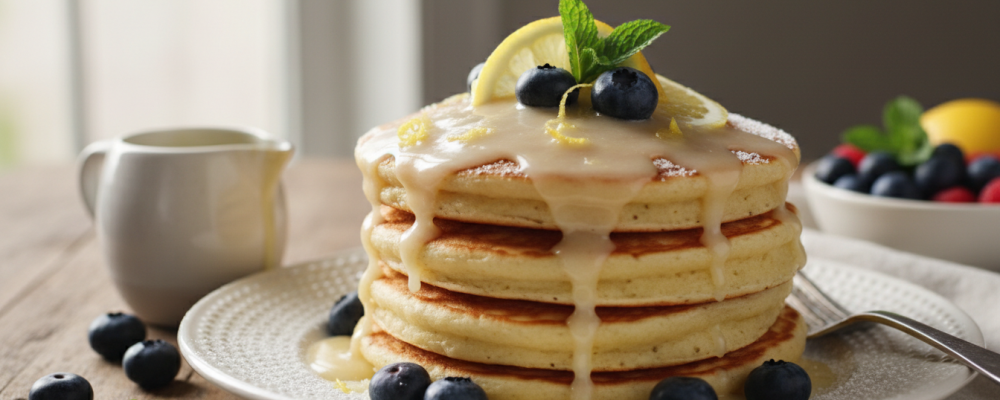

There’s something absolutely magical about ricotta pancakes—the way they puff up on the griddle into these impossibly fluffy, cloud-like creations that are somehow both substantial and delicate at the same time. These Lemon Ricotta Pancakes take that magic and add bright citrus notes that make them feel sophisticated and special, like something you’d order at a charming café in Italy rather than flip at home on a Saturday morning. But here’s the beautiful secret: they’re actually easier to make than regular pancakes, and the results are so spectacular that people will think you’ve unlocked some advanced pastry technique.
What I love most about these pancakes is the texture that ricotta creates. The cheese adds moisture and fat that keep them incredibly tender, while its slight graininess creates this wonderful light, airy structure that’s completely different from dense, cake-like pancakes. When you add fresh lemon zest, you get these beautiful bursts of bright, aromatic citrus that cut through the richness and make each bite feel refreshing. It’s that perfect balance of indulgent and light, rich and bright, comforting and elegant.
These are the pancakes I make when I want breakfast to feel like an occasion, when regular pancakes just won’t do, when I want to treat myself or impress someone special. They’re romantic and lovely without being fussy or complicated—just beautiful, delicious pancakes that happen to be infinitely better than the standard version. That’s the kind of upgrade I can get behind every single time.
─────────
The Inspiration Behind This Recipe
My obsession with ricotta pancakes began during a trip to New York, where I had them at a tiny café in the West Village. They were so light and fluffy that I couldn’t believe they were pancakes—they felt more like eating sweetened clouds. When I asked about the recipe, the server smiled and said, “It’s just ricotta and love.” That cryptic answer sent me on a mission to figure out how ricotta transforms ordinary pancake batter into something extraordinary.
After countless experiments in my own kitchen, I discovered that ricotta does several crucial things: it adds moisture without making the batter thin, it contributes fat that creates tenderness, and its slightly grainy texture actually helps create air pockets that make the pancakes incredibly fluffy. The addition of lemon zest was my own innovation—I wanted something to balance the richness and add brightness, and lemon’s affinity for both cheese and breakfast made it the perfect choice.
What started as an attempt to recreate a restaurant experience became something even better: a recipe I’ve refined and perfected, one that’s now my go-to whenever I want pancakes that feel special. The fact that they’re actually easier than traditional pancakes (no buttermilk required, fewer ingredients, simpler technique) makes them even more appealing. Sometimes the best recipes are the ones that deliver extraordinary results through elegant simplicity rather than complicated processes.
─────────
A Brief History of Ricotta Pancakes
Ricotta has been a staple of Italian cuisine for centuries, traditionally made from the whey left over from cheese production—the word “ricotta” literally means “recooked” in Italian. While Italians have long used ricotta in both sweet and savory applications, from cannoli filling to lasagna, ricotta pancakes represent a more modern Italian-American innovation that emerged as Italian immigrants adapted their culinary traditions to American breakfast culture.
The concept likely evolved from Italian frittelle (fried dough often containing ricotta) and American pancake traditions merging in Italian-American communities throughout the 20th century. As ricotta became more widely available in American supermarkets beyond ethnic neighborhoods, home cooks and restaurant chefs began experimenting with incorporating it into familiar breakfast dishes. The result—lighter, fluffier pancakes with subtle tang—quickly gained a devoted following.
By the early 2000s, ricotta pancakes had become a trendy brunch menu item in urban restaurants, particularly in cities with strong Italian-American communities. Food bloggers and home cooks embraced them for their impressive texture and elegant simplicity. Today, they represent the successful fusion of Italian ingredients with American breakfast traditions—a dish that feels both familiar and special, everyday and celebratory, simple and sophisticated.
─────────
Why This Cooking Method Works
Whisking the ricotta with the wet ingredients first ensures even distribution throughout the batter. Ricotta has a grainy, somewhat lumpy texture that won’t incorporate smoothly if added to thick batter. By blending it with the liquids—eggs, milk, lemon zest, vanilla—you create a smooth base that will integrate seamlessly with the dry ingredients. This order of operations prevents ricotta clumps in the finished pancakes and ensures consistent texture throughout.
Folding the wet ingredients into the dry ingredients gently prevents overmixing and gluten development. Like muffins and other quick breads, pancakes should be mixed just until combined—lumps are fine and even desirable. Overmixing creates tough, rubbery pancakes because you’ve developed too much gluten structure. The “fold until just combined” instruction means stopping as soon as you can’t see dry flour anymore, even if the batter looks rough. This restraint is what keeps the pancakes tender.
Cooking over medium heat allows the pancakes to cook through without burning the exterior. Ricotta pancakes are slightly thicker and more delicate than regular pancakes, so they need gentle heat and a bit more time to set properly. The bubbles forming on the surface indicate that the bottom is set and steam is escaping—this is your cue to flip. The lemon zest distributes throughout during cooking, releasing aromatic oils that perfume the pancakes beautifully. The result is golden-brown exterior with a fluffy, tender interior that’s moist but not raw.
─────────
Flavor Profile: What to Expect
These pancakes deliver delicate sweetness with bright, citrus sophistication:
- Subtle lemon brightness – Fresh zest provides aromatic citrus without tartness or overwhelming acidity
- Creamy ricotta richness – Mild cheese flavor that adds depth without tasting distinctly “cheesy”
- Vanilla warmth – Gentle aromatic sweetness that ties everything together
- Light sweetness – Just enough sugar to enhance flavors without making them dessert-like
- Fluffy, cloud-like texture – Impossibly tender and airy, almost soufflé-like in quality
- Golden, buttery exterior – Slightly crispy edges from the griddle with concentrated butter flavor
- Moist interior – Never dry or cake-like, maintaining tenderness throughout
The overall experience is one of elegant comfort—these taste refined and special without being overly complex or unusual. The lemon adds just enough brightness to prevent them from feeling heavy, while the ricotta creates this luxurious, tender texture that makes regular pancakes seem ordinary in comparison. They’re indulgent enough to feel like a treat but balanced enough that you won’t feel weighed down after eating them.
─────────
Tips for Making the Best Lemon Ricotta Pancakes
Use whole milk ricotta for the best texture and flavor—low-fat versions don’t provide the same richness or moisture.
- Bring ricotta to room temperature – Cold ricotta creates lumps; let it sit out 30 minutes before using
- Zest before juicing – If using fresh lemons, zest them first, then save the juice for another use
- Don’t overmix the batter – Stop as soon as ingredients are just combined; lumps are perfectly fine
- Let batter rest briefly – A 5-minute rest allows flour to hydrate fully for more tender pancakes
- Test heat with a drop of water – It should sizzle but not evaporate instantly; adjust accordingly
- Don’t press down on pancakes – Let them cook undisturbed to maintain their fluffy height
- Keep finished pancakes warm – Hold in a 200°F oven on a baking sheet while you cook the rest
- Flip only once – Multiple flips deflate them and create tougher texture
For extra lemon flavor, add a touch of lemon juice to the batter (1-2 teaspoons maximum to avoid adding too much liquid). For a richer variation, substitute some of the milk with heavy cream.
─────────
Serving Suggestions and Side Pairings
These elegant pancakes deserve toppings that complement rather than overwhelm their delicate flavor. Fresh berries—particularly blueberries, raspberries, or strawberries—provide fruity brightness and beautiful color. A light drizzle of pure maple syrup or honey adds sweetness without drowning the lemon flavor. Whipped cream or Greek yogurt with a dusting of powdered sugar creates an elegant, almost dessert-like presentation.
For savory contrast, serve alongside crispy bacon or breakfast sausage. The salty, meaty flavors balance the pancakes’ subtle sweetness beautifully. A side of fresh fruit salad keeps the meal feeling light and fresh. For a more indulgent brunch, consider adding mascarpone or lemon curd as topping options—they echo the Italian inspiration and add luxurious richness.
These pancakes shine at leisurely weekend brunches, Mother’s Day breakfasts, anniversary mornings, or any occasion when you want breakfast to feel romantic and special. They’re also perfect for impressing overnight guests—the “wow factor” is high while the actual cooking process is straightforward. The Italian-inspired elegance makes them feel sophisticated without being pretentious or overly formal.
─────────
Storage, Reheating, and Make-Ahead Tips
- Mix dry ingredients ahead: Combine flour, sugar, baking powder, and salt up to 1 week ahead
- Prepare ricotta mixture early: Whisk wet ingredients up to 2 hours ahead and refrigerate
- Store cooked pancakes: Stack with parchment between layers, refrigerate up to 3 days
- Freeze for longer storage: Wrap individual pancakes tightly and freeze up to 2 months
- Reheat in toaster: Pop frozen pancakes directly in the toaster for quick, crispy reheating
- Reheat in oven: Arrange on baking sheet, cover with foil, warm at 350°F for 10 minutes
- Microwave individual servings: 30-45 seconds restores warmth but won’t restore crispness
- Avoid making batter ahead: These are best when batter is freshly mixed; it doesn’t store well
While these pancakes reheat reasonably well, they’re truly spectacular when served fresh off the griddle. The texture is at its absolute peak within the first 30 minutes of cooking—fluffy, tender, and impossibly light.
─────────
Why This Recipe Deserves a Spot in Your Rotation
This recipe earns its place because it transforms ordinary weekend pancakes into something extraordinary with minimal additional effort. Once you’ve made ricotta pancakes, regular buttermilk versions will seem pedestrian by comparison—the texture difference is that dramatic. The fact that they’re actually easier to make (no buttermilk to buy, simpler ingredient list, more forgiving technique) makes them practical enough for regular rotation while still feeling special enough for important occasions.
Beyond the superior texture, these pancakes simply taste wonderful and create those small moments of joy that make home cooking worthwhile. There’s something deeply satisfying about flipping a perfect ricotta pancake, seeing how fluffy and light it is, taking that first bite and experiencing that cloud-like texture with bright lemon notes. These are pancakes that make people stop and really pay attention to what they’re eating—savoring rather than just consuming. That quality of experience, that ability to make breakfast feel like something to celebrate rather than just fuel, is exactly what makes a recipe valuable and worth keeping forever.
─────────
Recommended Drink Pairing
The delicate lemon and ricotta flavors of these pancakes pair beautifully with beverages that complement rather than compete. Coffee with bright, fruity notes—particularly a light to medium roast—provides gentle bitterness that balances the sweetness while the coffee’s natural acidity harmonizes with the lemon. A cappuccino or latte adds creamy texture that echoes the ricotta’s richness while the milk’s subtle sweetness complements without overwhelming.
For tea lovers, Earl Grey brings bergamot’s citrus aromatics that beautifully echo the lemon zest, creating lovely flavor harmony. Chamomile or lemon-ginger herbal teas reinforce the citrus notes while adding their own gentle, soothing qualities. For celebratory brunches, prosecco or champagne offers sparkling elegance with acidity that cuts through the butter and enhances the lemon brightness—a Mimosa made with fresh orange juice doubles down on the citrus theme. Fresh-squeezed orange juice provides bright, sweet-tart refreshment that complements the lemon without competing. For something unique, Italian hot chocolate (thick, rich cioccolata calda) creates an indulgent pairing that honors the recipe’s Italian inspiration while adding decadent chocolate notes. Cold milk remains a classic, comforting option that lets the pancakes’ delicate flavors shine—sometimes the simplest pairings are the most satisfying, especially when the food itself is as special as these cloud-like, lemon-kissed ricotta pancakes.
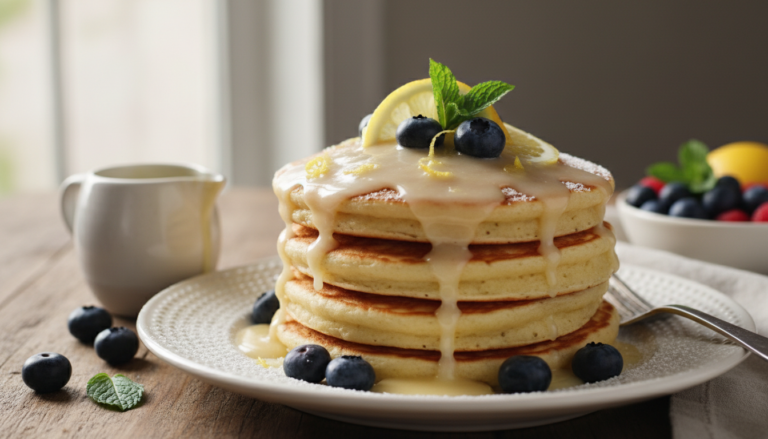
Lemon Ricotta Pancakes
These Lemon Ricotta Pancakes transform breakfast into something extraordinary—airy, cloud-like pancakes enriched with creamy ricotta and brightened with fresh lemon zest for a sophisticated twist on the morning classic.
4
servings15
minutes20
minutes320
kcal35
minutesIngredients
1 cup ricotta cheese
1 cup all-purpose flour
2 tablespoons granulated sugar
1 tablespoon baking powder
1 pinch salt
3 large eggs
1/2 cup milk
1 tablespoon lemon zest
1 teaspoon vanilla extract
2 tablespoons unsalted butter
Directions
- In a bowl, whisk together ricotta, eggs, milk, lemon zest, and vanilla extract until smooth.
- In another bowl, mix flour, sugar, baking powder, and salt.
- Gently fold wet ingredients into the dry ingredients until just combined.
- Preheat a griddle or non-stick pan over medium heat and lightly grease with butter.
- Pour 1/4 cup of batter per pancake onto the griddle.
- Cook until bubbles form on the surface, then flip and cook until golden brown on the other side.
- Serve warm with syrup or fresh fruit.
Nutrition Facts
- Total number of serves: 4
- Calories: 320kcal
- Cholesterol: 0mg
- Sodium: 620mg
- Potassium: 400mg
- Sugar: 8g
- Protein: 6g
- Calcium: 60mg
- Iron: 2mg
About This Author

Aurora Wright
Pastry Chef & Dessert Editor
Aurora is the sweet side of Daily Dish. A trained pastry chef and dessert stylist, she’s responsible for our mouth-watering cakes, cookies, and confections. She brings precision, artistry, and a touch of whimsy to every recipe she creates — and taste-tests more chocolate than she’ll admit.
Favorite dish: Flourless dark chocolate torte.
Kitchen motto: “Life’s too short to skip dessert.”















