
Some flavors disappear quietly.
Others leave a gap that never quite gets filled.
For years, Diet Cherry Coke fans have been asking the same question: when is it coming back?
Now, Coca-Cola has an answer.
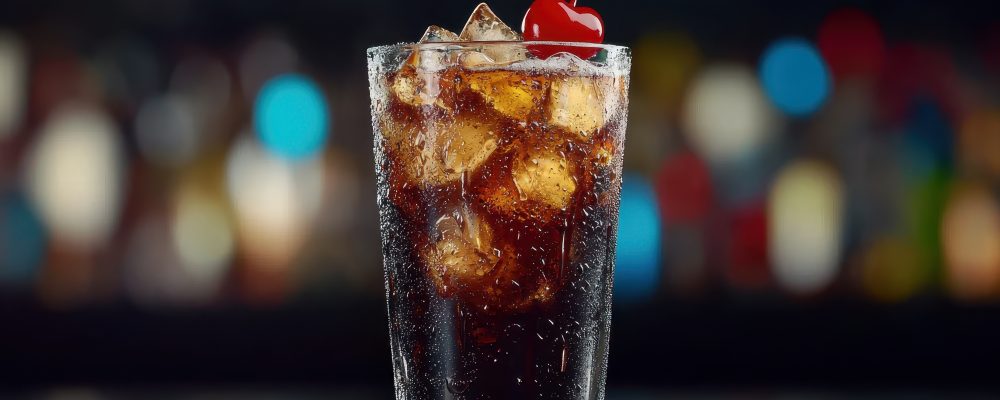
Diet Cherry Coke is returning to shelves, bringing back a flavor combination that defined a specific era of soda drinking—and never really found a replacement.
The Flavor That Disappeared
Diet Cherry Coke wasn’t discontinued with fanfare.
It faded gradually, disappearing from store shelves in certain regions while lingering in others. Some fans never noticed it was gone. Others spent years checking vending machines and convenience stores, hoping to find one last can.
The official reason varied depending on who you asked:
- Low sales in certain markets
- Streamlining product lines during supply chain disruptions
- Shifting consumer preferences toward zero-sugar options
But the effect was the same: a loyal fanbase left without their preferred drink.
Why This Flavor Matters
Cherry Coke has always had a following.
The original Cherry Coke launched in 1985, riding the wave of flavored sodas that dominated the decade. It offered something simple: classic Coke with a hint of cherry sweetness.
Diet Cherry Coke followed, giving people the same flavor profile without the sugar.
For many, it became the default:
- The soda that tasted like nostalgia
- The drink that felt special without being complicated
- The option that hit differently than regular Diet Coke
It wasn’t just about taste. It was about identity. People who drank Diet Cherry Coke identified as Diet Cherry Coke drinkers.
When it disappeared, substitutes didn’t quite work.
What Changed
Coca-Cola has been reevaluating its product lineup for years.
The pandemic forced the company to cut back on less popular flavors to focus on core products. Smaller, regional flavors were sacrificed to keep Coke, Diet Coke, and Coke Zero flowing.
But customer feedback didn’t stop.
Social media campaigns. Petitions. Constant inquiries asking when Diet Cherry Coke would return.
Coca-Cola was listening.
The decision to bring it back signals something important: sometimes legacy flavors are worth keeping, even if they’re not the top sellers.
The Difference Between Diet and Zero Sugar
One question keeps coming up: why bring back Diet Cherry Coke when Cherry Coke Zero Sugar exists?
The answer comes down to taste and loyalty.
Diet Coke and Coke Zero Sugar use different formulations:
- Diet Coke uses aspartame and has a distinct, lighter taste
- Coke Zero Sugar uses aspartame and acesulfame potassium, tastes closer to regular Coke
For people who prefer the Diet Coke flavor profile, Zero Sugar options don’t scratch the same itch.
Diet Cherry Coke fans aren’t just looking for cherry-flavored soda. They’re looking for that specific version of cherry-flavored soda.
Loyalty to a discontinued flavor runs deep.
What to Expect
Diet Cherry Coke will start appearing in stores gradually.
Not every retailer will carry it immediately. Availability will vary by region, and some stores may take weeks or months to stock it consistently.
If you’ve been waiting for this, here’s what helps:
- Ask your local grocery store to order it
- Check convenience stores and gas stations—they often get new products faster
- Look for 12-packs and 2-liters, which tend to roll out before single cans
And if you find it, stock up. Product returns don’t always last forever.
Why Discontinued Products Come Back
Bringing back a discontinued product isn’t simple.
It requires:
- Manufacturing line adjustments
- Packaging design updates
- Distribution negotiations
- Retailer buy-in
Companies don’t do this lightly.
The fact that Coca-Cola is bringing back Diet Cherry Coke means they believe there’s enough demand to justify it—not just vocal fans online, but actual sales potential.
That’s a win for everyone who kept asking.
The Nostalgia Factor
For many people, Diet Cherry Coke represents more than just a beverage preference.
It’s connected to specific memories:
- High school lunches
- Late-night study sessions
- Road trips with a specific soundtrack
- The taste of a specific time in their life
Food and drink have a way of anchoring memory. When a flavor disappears, it’s like losing a small thread connecting you to the past.
Getting it back feels like reclaiming something that was taken away.
What This Means for Other Discontinued Flavors
Diet Cherry Coke’s return opens the door for other discontinued flavors.
If customer demand can bring back one product, it can potentially bring back others:
- Vanilla Coke variations
- Regional or limited-edition flavors
- Other diet versions that were quietly phased out
The lesson is clear: companies are paying attention.
If enough people ask for something—and keep asking—there’s a chance it comes back.
The Takeaway
Diet Cherry Coke is returning to stores after years of requests from fans who never stopped missing it.
For some, it’s just a soda. For others, it’s the specific taste they’ve been searching for in every convenience store cooler for the past few years.
Either way, the message is the same: sometimes persistence pays off.
And sometimes, the flavors worth keeping are the ones people refuse to let go.