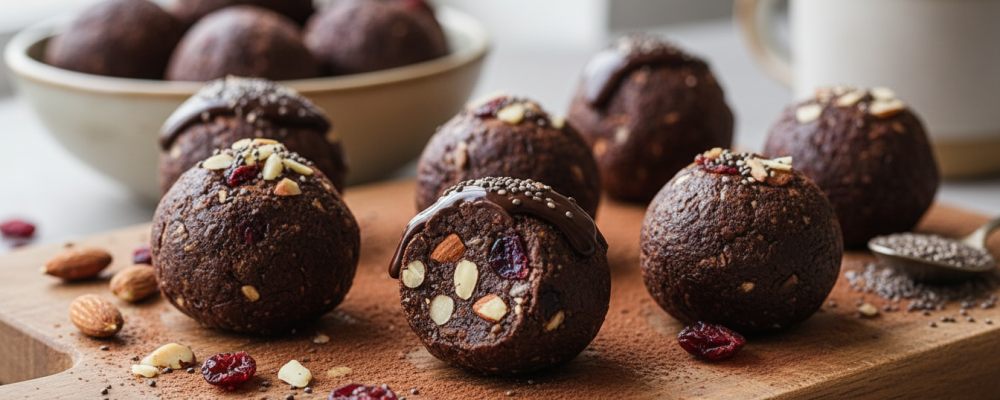

Energy density, macronutrient composition, glycemic response—these are the metrics that determine whether a snack actually fuels performance or merely provides temporary satisfaction followed by inevitable crash. Most commercial energy products fail this analysis: protein bars loaded with sugar alcohols that cause digestive distress, energy bars with ingredient lists reading like chemistry experiments, “healthy” snacks that spike blood sugar then leave you more depleted than before you ate them. This recipe represents an alternative approach: strategic ingredient selection based on nutritional science, combined into a format that’s genuinely convenient and actually tastes good.
The dark chocolate component isn’t decorative or merely for palatability—it’s a functional ingredient with documented performance benefits. Dark chocolate (70% cacao or higher) contains flavonoids that improve endothelial function and blood flow, potentially enhancing oxygen delivery to working muscles. The theobromine provides mild, sustained stimulation without the jittery intensity or subsequent crash of concentrated caffeine. The fat content slows digestion, contributing to sustained energy release rather than rapid glucose spikes. From a performance nutrition standpoint, dark chocolate offers tangible benefits beyond making food taste better.
Peanut butter serves as the primary binding agent while contributing significant nutritional value: approximately 7-8 grams of protein per two tablespoons, healthy monounsaturated fats that support satiety and hormone production, and enough natural oils to create cohesion without requiring excessive added sweeteners. The combination of protein and fat creates what nutritionists call “staying power”—these bites satisfy hunger for 2-3 hours rather than the 20-30 minutes you get from simple carbohydrate snacks.
Chia seeds represent one of the most nutrient-dense ingredients available in mainstream grocery stores: complete protein containing all essential amino acids, omega-3 fatty acids in the form of alpha-linolenic acid, significant fiber that supports digestive health and blood sugar regulation, plus minerals including calcium, magnesium, and iron. Their inclusion transforms these from simple no-bake treats into genuine performance nutrition with measurable benefits for training, recovery, and sustained energy throughout the day.
─────────
The Inspiration Behind This Recipe
This recipe emerged from systematic analysis of what makes certain snacks effective for athletic performance and sustained cognitive function while others provide only temporary relief. I examined the macronutrient profiles of successful performance foods—the ones athletes actually use repeatedly, not marketing hype—and identified common patterns: moderate protein (15-25% of calories), significant healthy fats (30-40%), controlled carbohydrates from whole food sources, minimal refined sugars, and nutrient density beyond just macros.
Commercial options meeting these criteria typically cost $2-4 per serving and often include proprietary ingredients, isolates, or processing that creates texture but diminishes nutritional value. I wanted to replicate the nutritional profile using whole food ingredients available at any grocery store, creating something both economically viable and nutritionally superior to processed alternatives. The challenge was achieving proper binding and texture without relying on protein isolates, sugar alcohols, or other common commercial additives.
The solution came through understanding ratios rather than following rigid recipes. Energy bites follow a fundamental formula: one part nut butter provides fat and binding, one part liquid sweetener adds cohesion and controlled sweetness, two parts solid ingredients (oats, seeds, chocolate) create structure and nutritional density. Once you grasp this ratio, you can engineer bites for specific purposes—more protein for post-workout, more carbohydrates for pre-exercise fuel, more fat for sustained energy during endurance activities.
This specific combination—peanut butter, honey, oats, dark chocolate, and chia seeds—creates an approximately 40-30-30 fat-carbohydrate-protein ratio that supports both sustained energy and recovery. It’s not optimized for any single purpose but rather provides balanced nutrition suitable for multiple applications: pre-workout fuel 30-45 minutes before training, post-workout recovery within the anabolic window, or simply as between-meal sustenance that prevents energy crashes and maintains stable blood glucose.
─────────
A Brief History of Performance Nutrition and Energy Foods
The concept of portable, energy-dense food for athletic performance has ancient precedents—from Roman gladiators consuming specific foods before combat to indigenous populations creating pemmican (dried meat and fat) for sustenance during long journeys. These early performance foods shared common characteristics: high caloric density, stable without refrigeration, and macronutrient profiles emphasizing fats and proteins over simple carbohydrates for sustained rather than immediate energy.
Modern sports nutrition emerged in the mid-20th century as exercise physiology developed scientific understanding of metabolism, glycogen stores, and recovery processes. The first commercial energy bars appeared in the 1960s and 1970s, initially marketed to endurance athletes and mountaineers who needed portable calories during extended activities. These early products emphasized carbohydrates for quick energy—a reflection of then-current understanding that glycogen depletion was the primary performance limiter.
Contemporary performance nutrition has evolved beyond the carbohydrate-dominant approach as research revealed more nuanced understanding of energy systems, protein synthesis, inflammation, and recovery. Modern athletes and active individuals seek balanced macronutrient profiles, whole food ingredients, minimal processing, and nutrient density beyond basic calories. The homemade energy bite phenomenon represents this evolution—people taking nutritional science into their own hands, creating performance foods optimized for their specific needs using ingredients they can identify and pronounce.
─────────
Why This No-Bake Method Works for Meal Prep
The effectiveness of these energy bites for extended storage and optimal nutrition hinges on understanding ingredient stability and how different components interact over time. Peanut butter’s low moisture content (typically 1-2% water) and high fat content (50% by weight) create an environment hostile to microbial growth and conducive to long-term storage. The natural oils in peanut butter also serve as a preservative matrix that coats other ingredients, protecting them from oxidation and moisture absorption.
Honey contributes multiple preservation benefits beyond sweetness. Its extremely low water activity (typically 0.5-0.6, where most bacteria require 0.91 or higher) prevents microbial growth. The natural acidity (pH 3.2-4.5) further inhibits bacterial proliferation. The high sugar concentration creates osmotic pressure that draws moisture from potential contaminants. These properties explain why honey has been used as a food preservative for thousands of years and why it contributes to these bites’ remarkable shelf stability.
Dark chocolate chips maintain structural integrity because quality chocolate is formulated to withstand room temperature without melting—the cocoa butter’s crystalline structure remains stable up to approximately 90°F. In refrigerated conditions (35-40°F), chocolate chips stay perfectly firm while contributing their flavor and texture benefits. The antioxidants in dark chocolate (primarily flavonoids and polyphenols) actually benefit from cool, dark storage, maintaining their potency over weeks.
Chia seeds’ contribution extends beyond nutrition to functional preservation. When chia seeds contact moisture, they form a gel coating (the same property that makes chia pudding work). In this recipe’s context, the seeds absorb small amounts of moisture from the peanut butter and honey, expanding slightly and creating additional binding while simultaneously sequestering that moisture so it can’t promote spoilage. The seeds’ natural antioxidants (chia contains more antioxidants than blueberries by weight) also help prevent oxidation of the peanut butter’s fats, extending shelf life.
The refrigeration step serves multiple purposes. Cold temperature firms the fats in peanut butter and chocolate, creating better structural integrity and more pleasant mouthfeel. Chilling also allows the oats time to absorb ambient moisture and soften slightly—not enough to become mushy, but enough to lose any raw, hard texture. The 30-minute minimum allows flavors to integrate as well, with the vanilla and honey distributing more evenly throughout the mixture.
─────────
Flavor Profile: What to Expect
These dark chocolate energy bites deliver rich, satisfying flavors with strategic sweetness and complex nutritional benefits:
- Deep and slightly bitter from dark chocolate chips that provide sophisticated cocoa flavor without excessive sweetness
- Rich and nutty from peanut butter that forms the flavor foundation with its characteristic roasted peanut notes
- Naturally sweet with floral undertones from honey that adds controlled sweetness without dominating
- Warm and aromatic from vanilla extract that rounds out the chocolate and peanut flavors
- Toasty and wholesome from rolled oats that contribute hearty, grain-forward notes
- Mild and slightly nutty from chia seeds that add subtle texture without assertive flavor
The overall profile emphasizes chocolate as the primary flavor rather than relegating it to accent status. The dark chocolate’s slight bitterness balances the honey’s sweetness, preventing these from tasting candy-like despite their dessert-ish chocolate presence. The peanut butter provides savory depth that creates complexity—these taste like sophisticated chocolate treats rather than simple sweet snacks.
From a performance nutrition perspective, the flavor profile serves functional purposes beyond palatability. The chocolate and vanilla create sensory satisfaction that signals “treat” to your brain, improving compliance and making these something you actually want to eat rather than force down for nutrition. The moderate sweetness prevents blood sugar spikes while providing enough palatability that you don’t follow them with additional snacks seeking satisfaction. The fat-forward flavor from peanut butter and chocolate creates lasting satiety—you feel satisfied after two bites rather than craving more.
─────────
Tips for Making the Best Dark Chocolate Energy Bites
Precision in execution optimizes both nutrition and palatability:
- Choose quality dark chocolate: Select chips or chunks with at least 60-70% cacao content. Higher cacao means more flavonoids and less sugar, improving both nutrition and flavor complexity. Avoid chocolate chips with wax coatings (check ingredients).
- Use natural peanut butter: Products with only peanuts and salt deliver better nutrition than versions with added oils and sugars. Stir well before measuring—separated peanut butter creates inconsistent texture and binding.
- Measure peanut butter and honey accurately: These ratios determine texture. Too much liquid makes bites that won’t hold shape; too little creates crumbly, dry balls. Level measurements matter here.
- Mix wet ingredients thoroughly first: Combine peanut butter, honey, and vanilla until completely smooth before adding dry ingredients. This ensures even distribution and prevents honey pockets or dry spots.
- Add chia seeds to dry mixture: Mixing chia with oats and chocolate first ensures even distribution. Adding them to wet ingredients can cause clumping as they begin hydrating immediately.
- Don’t overmix after combining: Stir just until ingredients are incorporated. Excessive mixing can break chocolate chips and overwork the mixture, making it dense rather than pleasantly cohesive.
- Chill mixture if too soft: If your mixture feels too sticky or loose to roll, refrigerate for 10-15 minutes. This firms the peanut butter and makes shaping significantly easier.
- Use consistent portioning: A small cookie scoop (1 tablespoon) creates uniform balls of approximately 70-90 calories each. Consistent sizing means predictable nutrition per bite—important if tracking macros.
- Roll with light pressure: Form balls with enough compression to hold together but avoid squeezing excessively. Over-compressed balls become too dense and lose their pleasant texture.
- Store properly: Refrigerate in airtight containers with parchment between layers if stacking. Room temperature storage works for 3-5 days, but refrigeration extends shelf life to 3+ weeks.
The most critical factor is the peanut butter-to-honey ratio. This determines whether bites hold together properly or fall apart. The specified amounts create optimal binding, but if substituting ingredients (almond butter, different sweeteners), maintain similar viscosity and ratios.
─────────
Portioning and Container Suggestions
This recipe yields approximately 20-24 energy bites when portioned at 1 tablespoon (approximately 1 inch diameter) each. This portion size provides roughly 80-100 calories per bite with approximately 3-4 grams protein, 5-6 grams fat, and 8-10 grams carbohydrates—macronutrient ratios suitable for multiple applications from snacking to performance nutrition.
For performance-oriented usage, two bites (160-200 calories) provide adequate pre-workout fuel when consumed 30-45 minutes before training. The combination of fast-acting carbohydrates from honey and sustained energy from fats prevents both premature fatigue and digestive distress during exercise. Post-workout, 2-3 bites (240-300 calories) contribute to recovery when consumed within 30-60 minutes after training, providing protein for muscle repair and carbohydrates for glycogen replenishment.
Store in airtight glass or plastic containers, preferably with some organizational structure. Small compartmentalized containers work well—they keep bites from rolling around and allow you to see your remaining supply at a glance. For active individuals who consume these regularly, consider dedicating one container for refrigerator storage (immediate use over 1 week) and freezing additional batches in portioned bags.
For strategic portioning, separate bites into small containers or bags with 2-3 bites each. This pre-portioning serves dual purposes: it creates grab-and-go convenience for throwing in gym bags or keeping in car cup holders, and it establishes portion control that prevents overconsumption. Despite being nutritious, these are calorie-dense—mindless eating while working can result in consuming 500+ calories before you realize it. Pre-portioned servings eliminate this risk.
─────────
Storage, Reheating, and Shelf Life Tips
- Refrigerator storage: Store in airtight containers for 3 weeks. The bites maintain optimal texture and flavor throughout, showing minimal degradation over time due to stable ingredient composition.
- Room temperature storage: Bites remain safe and palatable at room temperature for 3-5 days, making them practical for desk drawers, gym bags, or travel when refrigeration isn’t available.
- Freezer storage: Freeze for up to 3 months with no quality loss. Flash-freeze on a baking sheet for 1 hour, then transfer to freezer bags. This prevents bites from freezing together in a solid mass.
- No thawing required: Bites can be eaten directly from frozen—the texture becomes firmer and the chocolate more brittle, creating an interesting variation. For softer texture, thaw for 15-20 minutes at room temperature.
- Temperature affects texture: Cold bites are firmer and less sticky, preferred by most people. Room temperature bites are softer and slightly more cohesive but can feel greasy in warm conditions.
- Prevent sticking: If bites become sticky (rare with proper refrigeration), dust lightly with cocoa powder or additional chia seeds. This creates a dry exterior that improves handling.
- Strategic placement in refrigerator: Store toward the back where temperature remains most stable. Door storage subjects them to temperature fluctuations that can soften them unnecessarily.
- Portion for different uses: Keep one container for general snacking, another labeled for pre/post-workout use. This mental categorization helps use them strategically rather than randomly.
- Quality indicators: Fresh bites smell pleasantly of chocolate and peanuts. Any rancid odor (from oxidized fats) or mold growth (extremely rare) indicates spoilage. Properly stored, this shouldn’t occur within 3 weeks.
- Nutritional stability: Unlike some performance foods where protein degrades or vitamins oxidize, these ingredients remain nutritionally stable over weeks. The antioxidants in dark chocolate and chia seeds actually help preserve other nutrients.
─────────
Why This Recipe Deserves a Spot in Your Meal Prep Rotation
From a nutritional return-on-investment perspective, these energy bites deliver exceptional value. Ten minutes of active work—measuring, mixing, rolling—generates 20+ servings of performance nutrition that costs approximately $0.40-0.60 per bite. Compare this to commercial energy bars ($1.50-3 per serving) or convenience store snacks ($1-2 for equivalent calories of lower nutritional quality), and the economic advantage becomes substantial. Over a year of regular use, you’re saving hundreds of dollars while consuming demonstrably superior nutrition.
The performance benefits extend beyond basic macronutrient delivery. The dark chocolate’s flavonoids improve cardiovascular function measurably—studies show improved flow-mediated dilation (a marker of vascular health) within hours of dark chocolate consumption. The omega-3 fatty acids from chia seeds support anti-inflammatory processes crucial for recovery. The complete protein from both peanut butter and chia provides all essential amino acids for muscle protein synthesis. You’re not just eating a snack—you’re consuming ingredients with documented physiological benefits for performance and recovery.
The strategic advantage for meal prep adherence deserves emphasis. One of the primary reasons people abandon healthy eating patterns is inadequate planning for hunger between structured meals. When 3 PM arrives and you’re hungry with no prepared options, you’re vulnerable to poor decisions—vending machines, drive-throughs, whatever’s convenient rather than what supports your goals. Having 20 energy bites ready in your refrigerator eliminates this vulnerability. Hunger no longer triggers a decision-making process (which is cognitively taxing and often results in poor choices)—it triggers the simple action of eating food you’ve already prepared.
But perhaps most valuable is how these bites demonstrate that performance nutrition and palatability aren’t opposing forces. Too many healthy eating approaches position nutrition as something you tolerate for results—eat the bland chicken and broccoli, suffer through the cardboard protein bar, force down the supplement shake. This recipe proves you can engineer food that both tastes genuinely good (chocolate and peanut butter aren’t merely functional—they’re actively delicious) while delivering measurable performance benefits. That alignment of pleasure and purpose creates sustainable habits rather than temporary compliance driven by willpower.
─────────
Meal Prep Pairing Suggestions
These dark chocolate energy bites function optimally within a comprehensive nutrition strategy that addresses different metabolic demands throughout your day and week. Pair them with Greek Yogurt Parfaits for complementary morning and afternoon options—parfaits provide higher protein and probiotics ideal for breakfast or post-lunch snacks, while energy bites offer convenient pre/post-workout fuel or afternoon energy when you need quick calories without heavy digestion.
For athletes or highly active individuals, strategic pairing with Baked Oatmeal Cups creates a powerful pre-workout nutrition system. Consume an oatmeal cup 2-3 hours before training for sustained carbohydrate energy, then eat 2 energy bites 30-45 minutes pre-workout for final fuel top-off. This staged approach provides both glycogen loading and immediate available energy without digestive distress during exercise.
From a complete meal prep perspective covering all eating occasions, combine these energy bites (strategic snacking/performance fuel) with Baked Oatmeal Cups or Greek Yogurt Parfaits (breakfast), Greek Chicken Wraps or Mason Jar Salads (lunch), and Sheet Pan Chicken with Vegetables (dinner). This comprehensive system means Sunday preparation covers every meal and performance nutrition need for the week—no decisions, no emergency convenience store stops, no compromising on nutrition because you lack prepared options.
The ingredient overlap between this recipe and Almond Butter Balls deserves strategic consideration. Both use similar base formulas (nut butter + sweetener + oats + mix-ins), allowing you to batch-prepare double quantities of the dry ingredients, then divide and customize with different nut butters and mix-ins. Make one batch with peanut butter and dark chocolate, another with almond butter and regular chocolate chips plus coconut—similar effort, doubled variety, preventing palate fatigue while maintaining preparation efficiency. This modular approach—shared base with variable finishing—represents optimal meal prep thinking: maximum variety achieved through minimal additional complexity rather than completely separate preparations requiring distinct shopping lists and preparation processes.
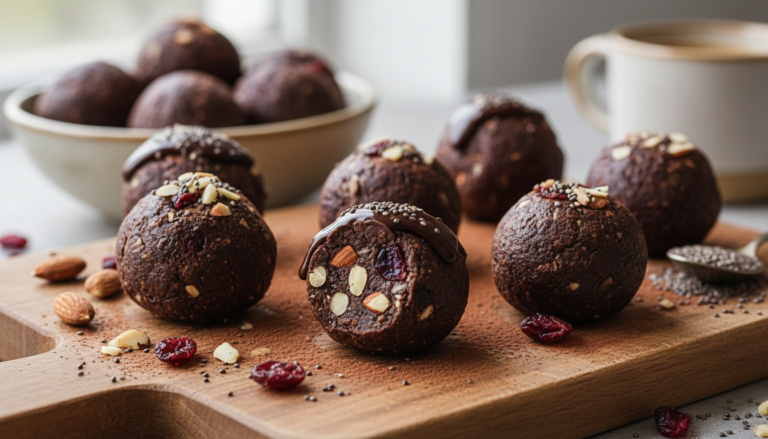
Dark Chocolate Energy Bites
This dark chocolate energy bites recipe combines performance nutrition with genuine flavor, creating no-bake snacks that fuel your workouts and satisfy your chocolate cravings simultaneously.
4
servings30
minutes40
minutes300
kcal1
hour10
minutesIngredients
1 cup rolled oats
0.5 cup dark chocolate chips
0.5 cup peanut butter
0.25 cup honey
2 tablespoons chia seeds
1 teaspoon vanilla extract
Directions
- Mix rolled oats, dark chocolate chips, and chia seeds in a bowl.
- In another bowl, combine peanut butter, honey, and vanilla extract until smooth.
- Pour the wet ingredients into the dry ingredients and mix until fully combined.
- Scoop 1-inch portions and roll into balls with your hands.
- Refrigerate for at least 30 minutes before serving.
Nutrition Facts
- Total number of serves: 4
- Calories: 120kcal
- Cholesterol: 0mg
- Sodium: 620mg
- Potassium: 400mg
- Sugar: 8g
- Protein: 6g
- Calcium: 60mg
- Iron: 2mg
About This Author

Benjamin Brown
Recipe Developer
Benjamin is our flavor engineer. A classically trained chef turned recipe developer, he’s obsessed with balancing taste, texture, and creativity. He ensures that every recipe we publish is not only delicious but also reliable, approachable, and repeatable — even for beginners.
Favorite dish: Slow-braised short ribs with red wine reduction.
Kitchen motto: “Cooking is part science, part soul.”